
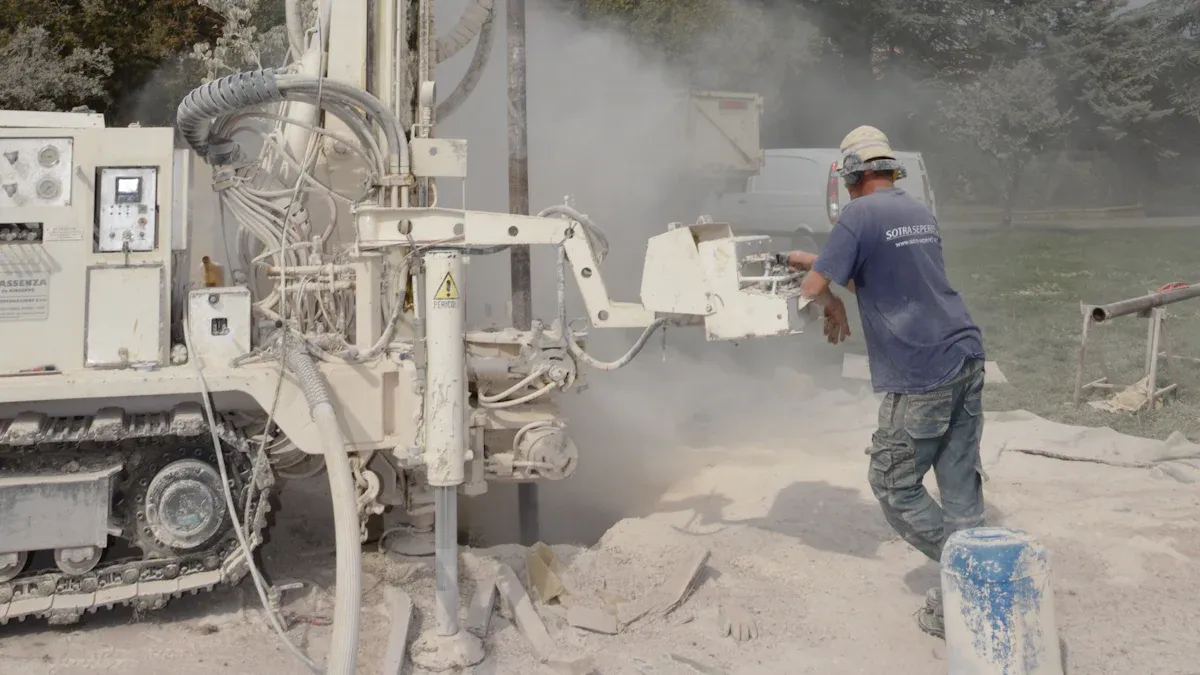
When you encounter torque mismatch issues during drilling, the Drill Rig Tunable System Beats Torque Mismatch from CEGC provides an immediate solution. This advanced system allows you to adjust torque on the fly, giving you precise control through real-time data integration. With CEGC, you can effectively prevent bore deviation, stuck pipe, excessive tool wear, and fluid management challenges. These innovative solutions ensure your operations run smoother and more reliably.
Key Takeaways
-
The Drill Rig Tunable System lets workers change torque right away. This makes drilling faster and helps stop equipment from wearing out. Using information from data helps guess and control torque mismatch. This makes work smoother and lowers the cost to fix things. You can change the tunable system to fit different drilling jobs. This makes it work better and last longer.
Torque Mismatch in Drill Rigs
Causes and Effects
Torque mismatch happens when the drill rig’s torque does not fit what the drilling needs. This problem can lead to bore deviation, stuck pipe, and tool wear. The main causes are shown in the table below:
|
Cause |
Description |
|---|---|
|
Wellbore Geometry |
High dogleg severity and inclination make side forces stronger. |
|
Friction Factors |
Rotational and translational friction between the drill string and wellbore or casing. |
|
Drill String Design |
Stiffness and weight make contact forces go up. |
If you use a horizontal directional drilling machine from CEGC, you get standard specs and custom options for your project. This lets you match torque to your bore length and geology. It lowers the risk of torque mismatch.
Contractor Pain Points
You face many problems when torque mismatch happens:
-
High torque settings can wear out stators and shorten equipment life.
-
Misaligned bottom hole assemblies put stress on mud motors.
-
Ignoring early signs of wear leads to expensive breakdowns.
-
Drillstring vibration and stick-slip cause pipe fatigue and embedment.
-
Wellbore geometry traps collars and stabilizers, causing bore deviation and stuck pipe.
-
Reactive formations like shales can swell or creep, making tool wear worse.
These problems hurt your daily work and raise maintenance costs.
Data Insights for Performance
You can use real-time data to check and find torque mismatch. The best data types are:
|
Data Type |
Description |
|---|---|
|
Torque Measurements |
Erratic torque signals bit imbalance or formation changes. |
|
Weight on Bit (WOB) |
Unexpected increases may mean bit dulling or harder formations. |
|
Rate of Penetration (ROP) |
Sudden declines show bit wear or failure. |
|
Downhole Sensors |
Watch drilling fluid properties for best bit performance. |
|
Vibration Measurement Tools |
Find abnormal vibrations in the drill string. |
With CEGC’s tunable system, you can see these data points and change torque right away. This makes your trenchless drilling rig more reliable and efficient.
Drill Rig Tunable System Beats Torque Mismatch
Real-Time Adjustment
You can fix torque mismatch problems with a drill rig tunable system beats torque mismatch. This system uses new technology to change torque right away. You get feedback from drilling data as it happens, so you can make fast choices. Operators set the best torque limits for the ground. You see drilling numbers on your control screen. The system uses sensors to collect data about torque, vibration, and speed. You can change settings from a remote control center. This way, you do not need to trip, and you save time. You lower the chance of equipment breaking by reducing wear. Continuous rotation keeps drilling strong and stops overload.
|
Feature |
Benefit |
|---|---|
|
Real-time inclination adjustment |
Stops tripping, saves time, and lowers risk. |
|
80% reduction in sliding drilling |
Reduces wear on equipment and lowers failure risk. |
|
30% higher Rate of Penetration |
Makes drilling faster and reduces strain on equipment. |
|
Precision Steering |
Helps accuracy and gives better control with less stress. |
|
Tripping Elimination |
Saves 3-5 days per well and cuts costs. |
|
Continuous rotation |
Keeps drilling conditions good and stops overload. |
You get a drill rig tunable system beats torque mismatch that changes with the conditions. Real-time adjustment keeps performance high when things change underground. The system reacts to the environment and lowers the chance of equipment breaking. It stays stable and works well in HPHT wells.
Load-Matched Control
You use load-matched control to manage thrust, pullback, rotation, and feed. The drill rig tunable system beats torque mismatch uses hydraulic load sensing and pressure control. Independent Metering technology separates the actuator from the flow control valve. This makes control better and cuts energy loss. You drill more efficiently because the system reacts fast to pressure changes. The anti-stall powertrain from CEGC protects against overload. You avoid torque spikes that can break rods and tools. Controlled ramp-up and ramp-down lower shock loads on rods, swivels, and tools. You keep drilling strong and stop downtime.
|
Feature |
Description |
|---|---|
|
Operators set the best torque limits for the ground. |
|
|
Modular Design |
Lets you change or upgrade parts easily. |
|
Advanced Sensor Integration |
Collects real-time data about torque, vibration, and speed. |
|
Remote Control and Automation |
Lets operators change settings from control centers. |
You get a drill rig tunable system beats torque mismatch that matches the load to the drilling conditions. This way, you predict better and drill more accurately. You avoid bore deviation and crossing failure.
Data-Driven Solutions
You use data-driven ways to make torque calibration and shock absorption better. The drill rig tunable system beats torque mismatch uses drilling data to study vibration isolators and absorbers. You test and simulate torque transmissibility frequency response functions. Knowing these functions helps you guess how the system will act in different situations. You use a signal-matching predictor to get better accuracy and control. Data-driven analysis gives you information about performance. You can change things based on drilling numbers. This makes prediction more reliable and lowers risk.
-
Data-driven analysis gives information about vibration isolators and absorbers.
-
It lets you test and simulate torque transmissibility frequency response functions.
-
Knowing these functions helps you make drill rig systems work better in different situations.
You use drilling data to get better prediction and accuracy. The signal-matching predictor helps you match torque to drilling conditions. You get a drill rig tunable system beats torque mismatch that handles every challenge.
Equipment Longevity
You make equipment last longer with a drill rig tunable system beats torque mismatch. The system lowers tool wear and cuts consumables cost. You get smoother torque delivery, which reduces chatter and uneven wear. It works with blade, fluted, rock, and barrel reamers for good hole cleaning. Service-friendly access makes maintenance faster. You use drilling data to watch tool wear and plan maintenance. The anti-stall powertrain and overload protection from CEGC keep your horizontal directional drilling hdd working longer. You avoid changing tools often and use them more. This makes drilling stronger and more reliable.
Tip: You can change torque, thrust, rod system, and control package to fit bore length and geology. This flexibility makes sure your drill rig tunable system beats torque mismatch every time.
You get a drill rig tunable system beats torque mismatch that gives you drilling numbers, reliable prediction, and long-lasting performance.
Implementation and Results
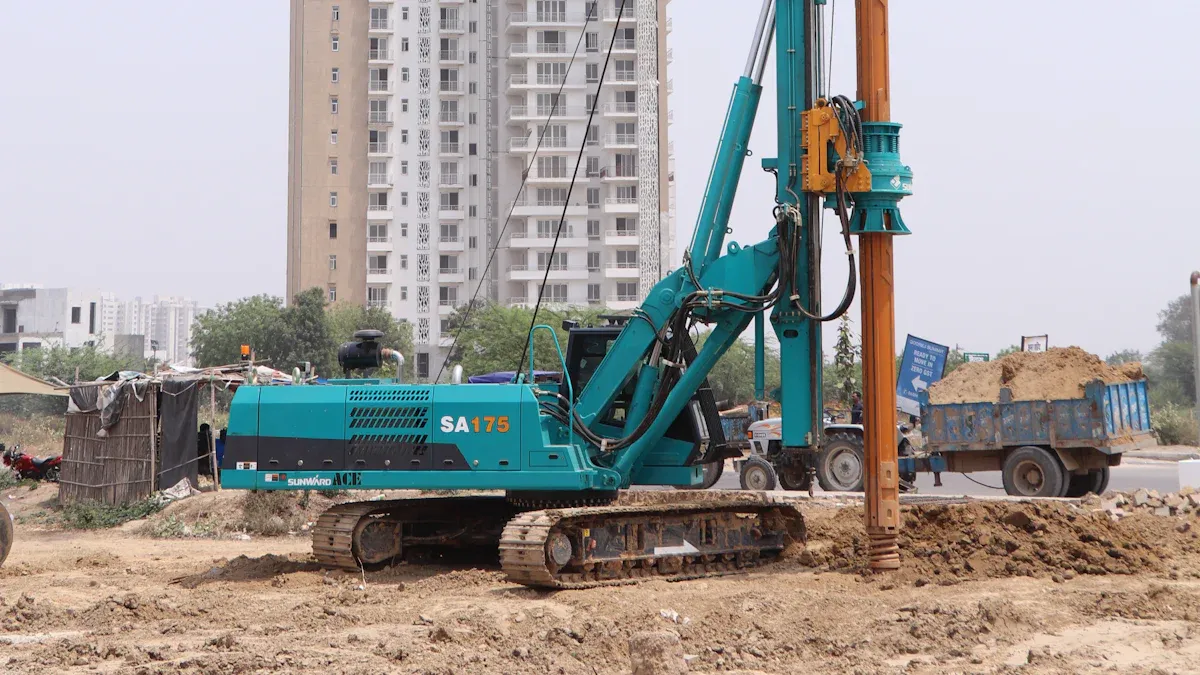
Integration Steps
You can use a tunable system by following easy steps. First, look at your drilling setup and gather data about your work. Then, talk with CEGC to pick the right horizontal directional drilling machine. CEGC lets you change the system for your bore length and geology. After picking your equipment, put in sensors and the control package. Connect the system to your data platform. Teach your team how to read drilling data and use the controls. You will see better prediction and stronger drilling right away.
Case Studies
Many contractors have gotten good results with tunable systems. In one project, the J-1 well used new technology to fix lost circulation and wellbore instability. The team sealed big fractures and high-permeability zones. This made drilling more efficient and kept the wellbore stable. The project finished faster and cost less money. You can use drilling data to watch these improvements. The data helps you predict better and change drilling strength as you work.
Customization Options
You can change your system for any job. CEGC lets you adjust torque, thrust, rod system, and control package. You can add tracking integration and pick the best drilling data tools. This flexibility helps you match drilling strength to each formation. You get better prediction and more control. Your team can use data to make smart choices and keep drilling strong.
You fix torque mismatch by using tunable systems. These systems give you real-time data. They help your equipment work better and break down less. Many companies now want more efficient drilling. They use rotary steerable systems for better control. In the future, there will be new high-temperature electronics. Drilling systems will get better and save money. Stronger materials will help tools work in tough places.
|
Advancement Type |
Description |
|---|---|
|
High-Temperature Power Electronics |
Electronics can handle very hot places for geothermal drilling. |
|
Innovative Drilling Systems |
New tools make drilling faster and cost less. |
|
Materials for Harsh Environments |
Special materials help tools last in hard wells. |
Check out CEGC’s horizontal directional drilling machine solutions. You can change your rig to fit every job.
FAQ
What is look-ahead drilling strength prediction?
Look-ahead drilling strength prediction helps you guess how much force you will need next. This lets you plan ahead and stop problems before they happen.
How do tunable systems help with upcoming drilling dysfunctions?
Tunable systems use real-time data to find problems early. The system warns you, so you can change settings and keep drilling safe and smooth.
Can I use tunable systems for all drilling projects?
You can use tunable systems for many kinds of drilling work. These systems are good for horizontal directional drilling and help with different types of ground.


