
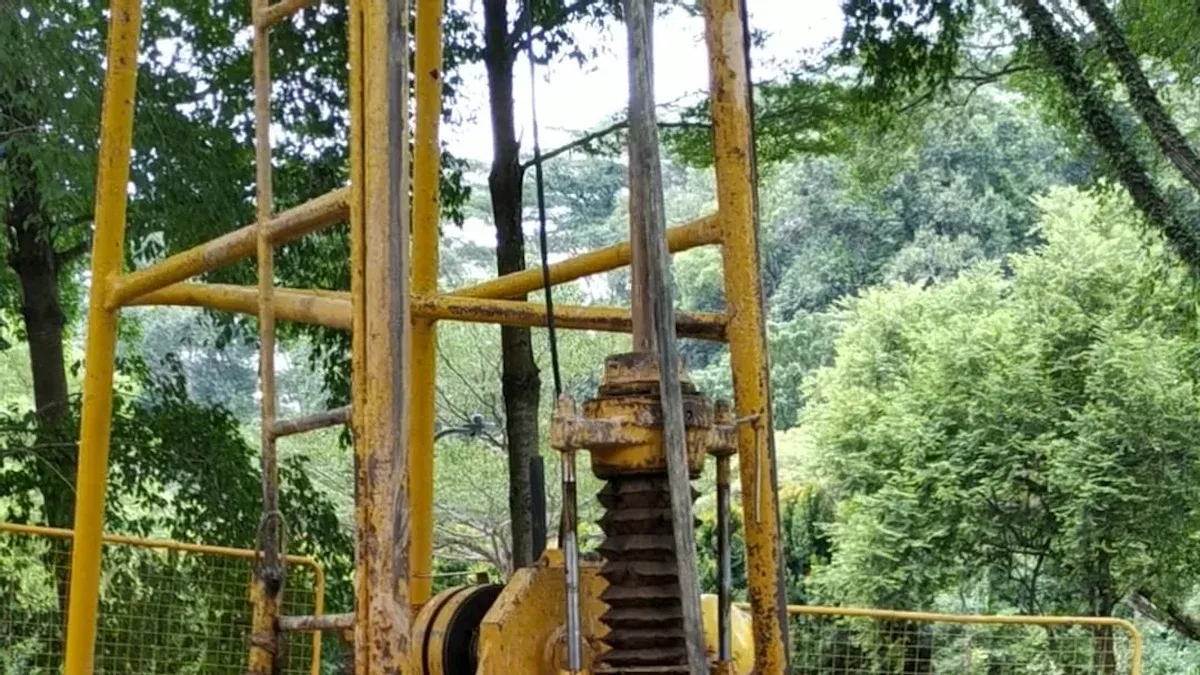
You deal with many problems with horizontal directional drilling rig variable torque, like bore deviation, stuck pipe, and tool wear. CEGC gives you standard and custom solutions to help fix these problems. Variable torque lets you change settings for different underground conditions, borehole stability, and tough rock. You get better efficiency, reliability, and save money.
Key Takeaways
-
Variable torque lets you change the drilling force for different ground. This stops problems like pipes getting stuck and tools wearing out.
-
Using the best torque settings makes drilling work better. You can finish jobs quicker and spend less money by picking the right torque for each soil.
-
Real-time monitoring and automated systems make drilling work smoother. These tools help you control settings well, so you have less waiting and get better results.
Horizontal Directional Drilling Rig Variable Torque
What Is Variable Torque?
It is important to know about variable torque to use your horizontal directional drilling rig variable torque well. Variable torque lets you change how much twisting force the rig uses when drilling. You can set the torque to fit the ground and the tool you pick.
-
You turn up the torque for hard rock.
-
You turn it down for soft soil so your equipment stays safe.
-
You can switch torque settings fast to keep drilling smooth.
Variable torque helps you control the rig better. You can stop problems like stuck pipe or tool wear. You also finish jobs faster because you do not have to fix as many mistakes. Many workers have finished big projects quickly by using rigs with variable torque.
How Torque Control Works in HDD Rigs
Your horizontal directional drilling rig variable torque uses smart hydraulic systems for torque control. These systems check the load and change the torque by themselves. This makes sure your rig always uses the right torque for each job.
-
The rack and pinion drive makes idle stroke speeds faster. You spend less time changing rods and pushing.
-
The system changes torque for different ground layers. You drill more accurately and with less danger.
-
You keep your rig safe from overloads by using ramp-up and ramp-down controls.
When you use a CEGC horizontal directional drilling machine, you get steady torque control. This technology helps you drill better and finish your work on time.
Drilling Efficiency and Torque Optimization
Enhancing Drilling Efficiency
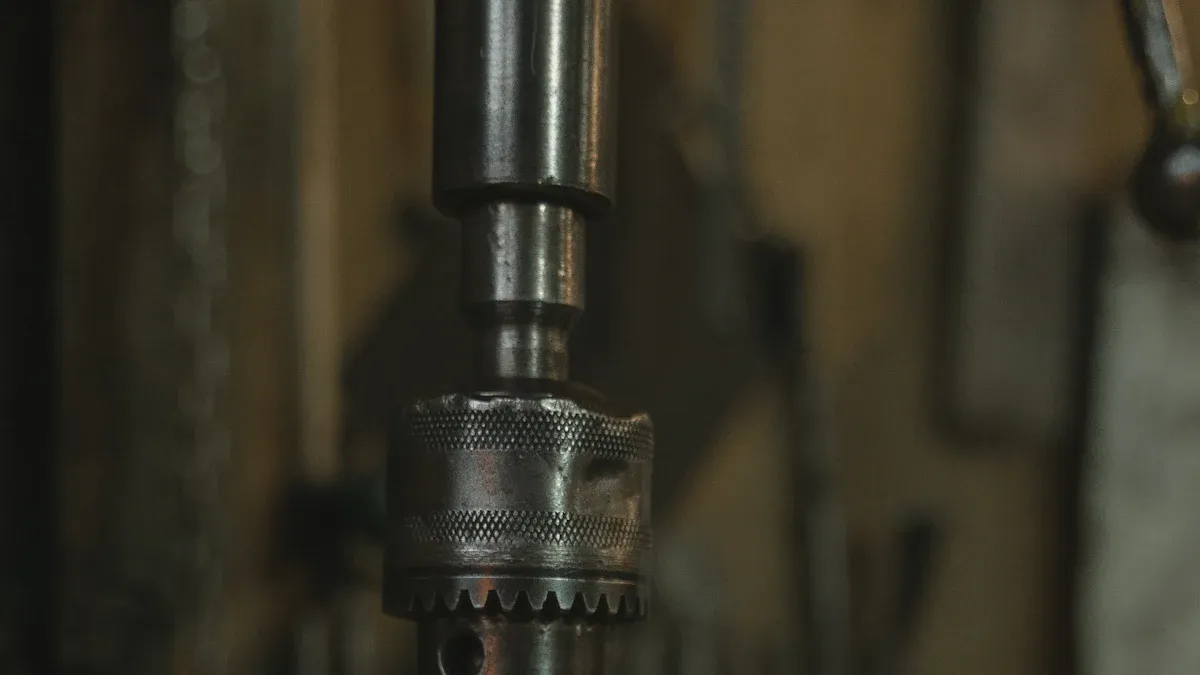
You want your horizontal directional drilling rig variable torque to work well. You can change drill-bit torque and torque at bit for the ground. This helps you drill faster and better. Torque optimization makes drilling smoother. You can set torque prediction to match the soil.
You can check the table below. It shows how drilling settings change rate of penetration:
|
Parameter |
Optimal Value |
Resulting ROP (ft/h) |
|---|---|---|
|
Weight-on-Bit (WOB) |
11500 lb |
44.23 |
|
Rotation Speed |
105.8 rev/min |
44.23 |
|
Flow Rate |
843 gpm |
44.23 |
|
Weight-on-Bit (WOB) |
14480 lb |
40.49 |
|
Rotation Speed |
115 rev/min |
40.49 |
|
Flow Rate |
920.8 gpm |
40.49 |
|
MSE Reduction |
> 35% |
|
Torque management keeps drill-bit torque steady. You avoid sudden changes in torque at bit. This keeps drilling fast and helps you finish jobs quickly. You can watch key signs like weight on bit, rate of penetration, mechanical specific energy, bit balling, and vibrations. You can run step tests by changing one setting at a time, like WOB, RPM, or GPM. This helps you find the best settings for drilling.
Torque Optimization for Different Ground Conditions
You drill through many types of ground with horizontal directional drilling rig variable torque. You need torque optimization for clay, sand, and rock. You can change drill-bit torque and torque at bit for each ground. Torque prediction helps you set the right values.
|
Ground Condition |
Required Tools and Techniques |
|---|---|
|
Clay |
High mixing action tools, clay additives, Rubble Blade, Fly Cutter, PDC Bit |
|
Sand |
Additional drilling fluid additives to prevent collapse |
|
Rock/Shale |
Higher-powered cutting teeth, polymers, xanthan gums, detergents |
Torque optimization matches the push-pull power of your rig. You can drill in clay, sand, gravel, permafrost, and rock. You can measure torque with good accuracy. Axial force sensors and rotational speed sensors help you watch drilling. You can change torque at bit and drill-bit torque to keep drilling steady.
Torque optimization helps you adjust for each ground type. You keep drilling fast and avoid problems. CEGC’s anti-stall powertrain and overload protection keep torque at bit steady. Torque prediction stops torque spikes and keeps drilling smooth.
Reducing Downtime and Equipment Wear
You want less downtime and tool wear when drilling. Torque optimization keeps drill-bit torque and torque at bit steady. You avoid stuck pipe and bore deviation. Torque prediction helps you spot problems early.
The drilling optimization service in the Santos Basin showed you can drill better, save time and money, and avoid sticking by using torque optimization.
|
Outcome |
Description |
|---|---|
|
Drilling Performance |
More than doubled with adjusted downhole drilling parameters in real time. |
|
Operation Time and Costs |
Significantly reduced. |
|
Sticking Events |
Minimized, with actions taken to identify nonproductive time quickly. |
Torque optimization reduces tool wear and improves borehole quality. Speed, feed, and thrust all help reduce wear and make drilling more accurate.
|
Drilling Parameter |
Effect on Tool Wear |
Effect on Borehole Quality |
|---|---|---|
|
Speed |
Reduced wear |
Improved accuracy |
|
Feed |
Reduced wear |
Improved surface roughness |
|
Thrust |
Reduced wear |
Enhanced dimensional accuracy |
-
Changing drill geometry can lower thrust force. This links to torque optimization and gives better hole quality and less tool wear.
-
Torque changes in a straight line with thrust. You can optimize torque to drill better and reduce tool wear.
Advanced systems help you manage drilling settings. You can optimize torque to stop tool damage and lower vibrations. Automated systems and real-time monitoring let you drill without stopping. You can finish drilling faster and save money.
You can trust CEGC’s horizontal directional drilling rig variable torque for high drilling efficiency, good torque optimization, and less downtime. Torque management and drilling optimization keep your drilling running smoothly.
Real-World Impact and Case Examples
Precision and Reliability in Utility Crossings
Drilling under roads, rivers, or railways is hard. You need your horizontal directional drilling machine to stay straight. Variable torque helps keep the drill path correct. This stops bore deviation and helps you finish with good accuracy.
Here is a real example:
-
A utility contractor used a CEGC trenchless drilling rig for a river crossing.
-
The rig’s variable torque system changed for soil and rock.
-
The team finished the bore on the first try. They did not need to redo the work.
"We trusted the CEGC rig to keep our bore straight. Variable torque helped a lot. We finished early."
— Project Manager, Utility Contractor
Energy Savings and Cost Reduction
You want to use less energy and spend less money. Variable torque lets you use only the power you need. This stops fuel waste and lowers tool wear.
|
Benefit |
Result for You |
|---|---|
|
Lower energy use |
Reduced fuel costs |
|
Less tool wear |
Fewer replacements needed |
|
Fewer breakdowns |
Less downtime |
Operators say CEGC rigs help them work better:
"With CEGC’s torque control, I use less fuel and change tools less. My jobs go smoother and cost less."
— HDD Rig Operator
You can trust CEGC’s horizontal directional drilling hdd rigs for real savings and good results.
Variable torque and torque optimization help you drill better. You get more reliable results and save money. CEGC’s horizontal directional drilling machines can be changed for each project. This helps you handle hard jobs easily.
Want your next trenchless project to go well? Reach out to CEGC for help and special HDD solutions.
FAQ
What is directional drilling and how does it work?
Directional drilling helps you guide the drill bit underground. This way, you can reach places that are not right under the rig. You use special tools to control where the drill goes.
How do real-time predictions help in directional drilling?
Sensors and software give you real-time predictions. These show where the drill is and how much torque it uses. You can change settings fast to stop problems while drilling.
Can you use directional drilling for horizontal well drilling?
Yes, you can use directional drilling for horizontal wells. This lets you cover more ground below the surface. It also helps you work better and keeps the land above safer.


