
You want your drilling equipment to stay cool. You need a heat shield that works well every time. Drilling Equipment Heat Shield Never Overheats if you follow these steps from CEGC. Always get your tools before you start. > Remember: Safety gear keeps you safe when you install it.
Key Takeaways
-
Get your tools and materials ready before you start. This makes the installation easy and fast.
-
Pick good materials for your heat shield, like metal sheets and heat-resistant fasteners. These materials keep your equipment from getting too hot.
-
Check your heat shield often for loose bolts or damage. Regular checks help it work well and keep your equipment safe.
Tools and Materials for Heat Shield Installation
Required Tools
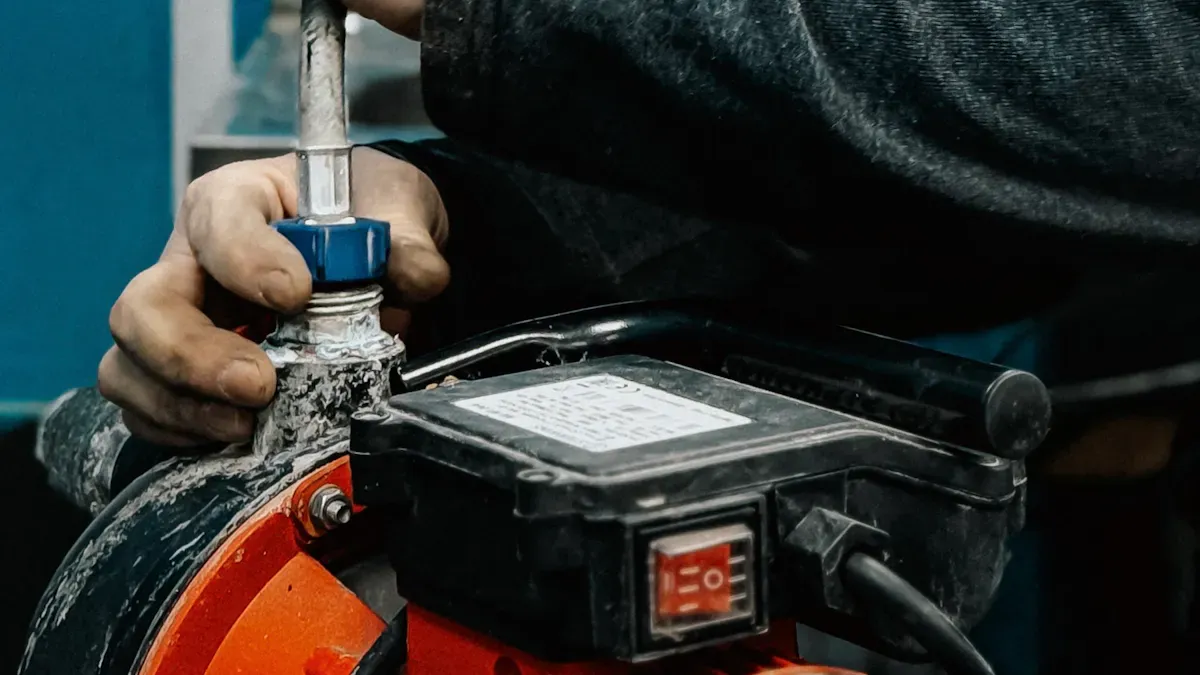
You need special tools to put a heat shield on drilling equipment. Get everything ready before you start:
-
Drill with the right bits
-
Screwdriver (flathead and Phillips)
-
Measuring tape to help you place things right
-
Marker or chalk to show where holes go
-
Cleaning supplies like rags and degreaser
A clean workspace helps you finish the job faster and safer. Always check your tool list before you begin installing the heat shield.
Heat Shield Materials
Picking the right heat shield materials is important. Use strong metal sheets or composite panels that can handle high heat. You also need heat-resistant fasteners, like stainless steel bolts and washers. Some drilling equipment needs a motor heat shield for extra safety near the engine. Make sure your heat shield matches the shape and size of your equipment. If you use a motor heat shield, check that it covers all the important spots. Good materials stop heat from hurting sensitive parts and keep your equipment working well.
|
Material Type |
Purpose |
|---|---|
|
Metal heat shield |
Blocks and reflects heat |
|
Composite panels |
Insulates and resists corrosion |
|
Heat-resistant bolts |
Secures shield in place |
|
Motor heat shield |
Protects engine components |
Safety Gear
You need to protect yourself when you install the heat shield. OSHA rules say you must wear personal protective equipment that fits and keeps you safe. Wear gloves so you do not get cut, safety glasses to keep your eyes safe, and a hard hat if you work where it is busy. Steel-toed boots keep your feet safe from heavy things. Always follow the construction rules (29 CFR 1926) for PPE. The right safety gear keeps you safe while you work.
Tip: Look at your safety gear before you use it. If something is broken or worn out, replace it right away.
Installation Steps for Drilling Equipment Heat Shield
Installing a heat shield on your drilling equipment keeps it safe from overheating. Follow this step-by-step guide to make sure you do the job right. Each step helps you get the best results and protects your equipment for a long time.
Clean the Mounting Area
Start by cleaning the spot where you will put the heat shield. Dirt, oil, and rust can stop the shield from fitting well. Use a rag and a good degreaser to wipe the area. Make sure the surface is dry before you move to the next step. A clean surface helps the shield stay in place and work better.
Tip: Cleaning well now saves you time later. It also helps the shield last longer.
Drill Mounting Holes
You need to drill holes to attach the heat shield. Use the right drill bits for metal, like ones with a 135-degree split point. These bits help you drill straight and stop the bit from slipping. Here are some tips for drilling holes in metal:
-
Use cutting oil to keep the drill bit cool and reduce friction.
-
Clamp the metal so it does not move while you drill.
-
Start with a small hole, then use bigger bits to make the hole the right size.
-
Deburr the holes after drilling to remove sharp edges.
Take your time with this step. Good holes help the shield fit tight and stay secure.
Position the Heat Shield
Hold the heat shield up to the mounting area. Make sure it covers all the parts that need protection. The shield should not touch moving parts or block airflow. Use a marker or chalk to line up the holes. Check that the shield sits flat against the surface. If you need to adjust, do it now before you attach anything.
Note: The right position keeps the shield from moving and gives the best heat protection.
Secure with Heat-Resistant Fasteners
Now, attach the heat shield using heat-resistant bolts and washers. Tighten each bolt so the shield does not rattle or shift. Do not overtighten, or you could damage the shield or the equipment. Check that every fastener holds the shield tight. A secure attachment stops the shield from moving when the equipment runs.
Apply Rustproofing
After you finish installing the heat shield, protect the metal from rust. Use a rustproofing product that works well on drilling equipment. Here are some top choices:
|
Product Name |
Description |
Key Features |
|---|---|---|
|
Fluid Film® |
Long lasting, thixotropic liquids and gels, used in marine environments. |
|
|
Liquid A |
Lanolin-based coating, solvent free. |
Non-toxic, reacts with moisture to form a barrier. |
|
Liquid AR |
Amber, soft gel, lanolin-based. |
Anti-corrosive coating, lubricant for all metals. |
|
WRO-EP |
Permanently soft gel, conforms to MIL-PRF-18458 C. |
Corrosion protection and lubrication for wire rope. |
|
WRN-EP |
Permanently soft gel with extreme pressure properties. |
Recommended for wire rope maintenance. |
|
GEL BEW |
Permanently soft gel coating for large metal surfaces. |
Anti-corrosive coating for large structures. |
|
GEL BW |
Permanently soft gel coating for all metals. |
Non-toxic, anti-corrosive coating. |
Pick a product that matches your equipment and environment. Apply it to the edges of the shield and the drilled holes. This step keeps rust away and helps your shield last longer.
Callout: Always check the product label for safety instructions before you use any rustproofing spray or gel.
By following these steps, you make sure your heat shield stays in place and works well. Careful installation means your drilling equipment will not overheat, even during tough jobs.
Check & Troubleshoot Heat Shield Installation
Inspect for Secure Fit
You need to check that your heat shield stays tight and does not move. Look for loose spots or rattling sounds. Use stainless screws at the seams to press the shield against the equipment. Drill holes and insert metal screws to add pressure where needed. Worm gear clamps help attach the shield to pipes. High-temperature RTV gives extra stability. Make sure every fastener holds the shield firmly. If you see gaps or movement, tighten the screws or clamps.
-
Stainless screws at seams stop rattling.
-
Metal screws press the shield against pipes.
-
Worm gear clamps and RTV add strength.
Tip: Always inspect the shield after installation and before each use.
Test for Overheating
After you install the heat shield, test your equipment. Run the machine for a short time. Check the temperature near the shield. Use a digital thermometer or heat-sensitive stickers. If the area stays cool, your shield works well. If you notice heat building up, check the shield’s position and fasteners. Make sure the shield covers all hot spots.
|
Test Method |
What to Look For |
|---|---|
|
Digital thermometer |
Safe temperature levels |
|
Heat stickers |
No color change |
|
Visual check |
No smoke or discoloring |
Note: Testing helps you spot problems early and keeps your equipment safe.
Fix Common Issues
Sometimes, you find problems after installing the heat shield. Loose fasteners, gaps, or wrong placement can cause overheating. If you hear rattling, tighten the screws or clamps. If you see rust, apply more rustproofing. If the shield does not cover all hot parts, reposition it. Always check for damage or wear. Replace broken parts right away.
-
Tighten loose screws or clamps.
-
Add rustproofing if you see corrosion.
-
Move the shield to cover hot spots.
Callout: Regular checks and quick fixes keep your heat shield working and your equipment cool.
Maintain Drilling Equipment Heat Shield Never Overheats
Routine Inspections
You need to check your heat shield often to keep your drilling equipment safe. Look for loose bolts, cracks, or rust every week. Use a flashlight to see all sides of the shield. If you spot any damage, fix it right away. A regular check helps you make sure your drilling equipment heat shield never overheats. Write down each inspection in a logbook. This habit helps you track problems and repairs.
Tip: Set a reminder on your phone or calendar so you never miss an inspection.
Cleaning and Care
Keeping your heat shield clean helps it work better. High-pressure cleaning works best for most shields. You can use it on both the inside and outside surfaces. This method reaches tough spots and removes dirt fast. Avoid chemical washing because it needs big tubs and can harm the environment. Ultrasonic cleaning takes too long and may not clean every corner. Sandblasting costs a lot and can damage the shield. If you clean your shield the right way, your drilling equipment heat shield never overheats.
-
Use high-pressure cleaning for best results.
-
Skip chemical washing and sandblasting.
-
Clean both inside and outside surfaces.
When to Replace the Heat Shield
Sometimes, cleaning and repairs are not enough. If you see deep cracks, holes, or rust that will not go away, you need a new shield. A damaged shield cannot protect your equipment. Replace it if it no longer fits tight or if you see signs of heat damage. When you act fast, your drilling equipment heat shield never overheats. Always keep a spare shield ready so you can swap it out quickly.
Note: A good shield keeps your drilling equipment heat shield never overheats and your job site safe.
You protect your drilling equipment when you follow each step. Clean the area, install the shield, and check for secure fit. Inspect and clean the shield often. Replace it if you see damage.
For more answers, check the FAQs. Regular care keeps your equipment cool.
FAQ
How often should you inspect your heat shield?
You should inspect your heat shield every week.
Tip: Write each inspection in your logbook to track problems.
What tools do you need for heat shield installation?
You need a drill, screwdriver, measuring tape, marker, and cleaning supplies.
-
Gloves
-
Safety glasses
-
Hard hat
Can you use any rustproofing product on your heat shield?
No, you must use a product made for metal and drilling equipment.
|
Product Name |
Safe for Equipment |
|---|---|
|
Fluid Film® |
Yes |
|
Liquid AR |
Yes |


