
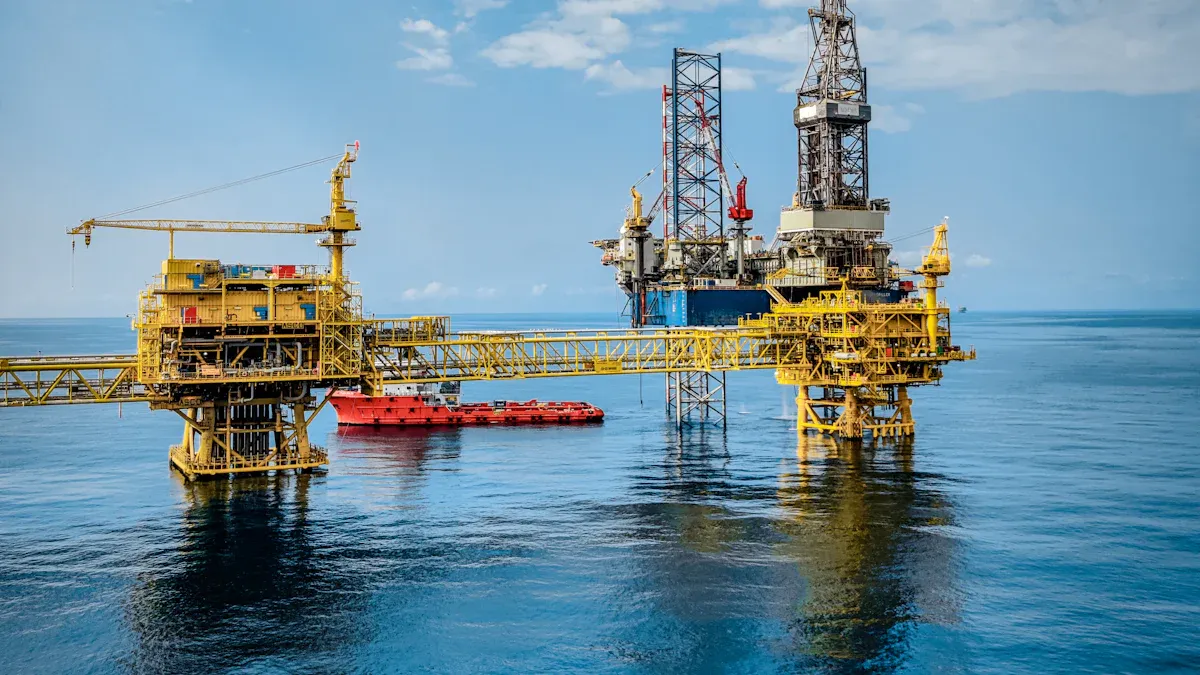
Precision is paramount in today's drilling operations, whether for geological exploration or urban infrastructure projects. Even minor deviations can lead to significant complications. Our advanced Drilling Rigs 0.3° Angle Control Guarantees Hit, ensuring pinpoint accuracy. This precise targeting capability revolutionizes drilling control. CEGC's superior control enhances drilling efficiency and resolves challenges in horizontal directional drilling by achieving exact positioning. This dependable control system improves all drilling applications, providing exceptional guidance for exploration. Accurate feature identification is crucial for effective control and precise targeting.
Key Takeaways
-
A 0.3° angle control makes drilling very exact. It helps the drill bit hit the target every time.
-
This precise control saves money and time. It makes drilling safer and helps get more oil and gas.
-
Advanced tools like MWD, LWD, and smart programs help keep the drill on its exact path.
Why Angle Control in Drilling Matters
Small Mistakes Can Cause Big Problems
Small errors in drilling cause big problems. A tiny angle mistake can break machines. It also puts workers in danger. Projects often take longer to finish. If we don't find ore bodies correctly, we get fewer important minerals. This makes our maps less sure. It shows rock layers in the wrong places. Costs go up a lot. We dig too much or too little. The ground changes in different spots. Digging up waste with good rock makes the good rock less pure. This means more work to clean it. Good control is very important for finding things underground. Knowing where rock layers are helps us drill well. Finding the right spots saves money.
Money and Safety Risks from Bad Drilling
Bad drilling costs a lot and is dangerous. Poor control changes how we plan to blast. This makes holes too close or too far apart. Energy doesn't spread evenly in the rock. Rocks break badly where holes are far apart. Too-close holes can cause rocks to fly out. The broken rocks are not all the same size. Some are too small, some too big. This makes machines work poorly. It costs a lot to fix mistakes and waste materials. Good control stops these problems. Knowing the dangers makes drilling safer. This keeps the whole work area safe. Finding the best drilling paths is key for finding things. Always knowing about the ground helps us drill better.
0.3° Angle Control for Precision Drilling

Quantifying Minimal Deviation Over Distance
A 0.3° angle control is a very small change. This exactness is key in drilling today. This 0.3° drilling angle keeps the drill bit straight. Over 100 meters, a 0.3° change means the drill bit will be off by only 0.52 meters. This is less than two feet. For longer holes, this exactness is even more important. Think about a 500-meter hole. The change would be about 2.62 meters. Even at 1000 meters, it is only about 5.24 meters. This small change keeps the drill path very close to the plan. Such tight control helps find targets well. It makes sure the drill bit goes where it should. This exactness changes how complex drilling works. It helps find and get resources successfully. The precise control lowers the chance of missing the target. This makes drilling work better. Finding geology becomes more trustworthy. Finding specific layers gets better.
0.3° Control vs. Standard Industry Practices
Normal drilling often allows bigger changes. Many old ways of drilling might use a 1° or even 2° change. A 1° change over 100 meters means a 1.75-meter miss. Over 1000 meters, this grows to 17.5 meters. A 2° change makes these numbers twice as big. This means a big difference in where the drill bit ends up. Our 0.3° angle control is very different. It gives much better exactness. This better control lowers the risk of missing targets. It also lowers the chance of hitting things underground by mistake. Knowing the exact path is very important. This level of control is needed for drilling sideways. It helps find utility lines or rock layers well. Better exactness means fewer re-drills. It also means less wasted time. This advanced drilling sets a new rule. It goes beyond old ways. It makes project results better. Always hitting the target area is a main good point. This exact control is vital for hard projects. It allows for finding the right path exactly. The overall finding of project success gets better. This control, with advanced drilling rigs 0.3° angle control guarantees hit, changes how projects are done. Finding obstacles exactly also gets better.
How We Control Angles Very Well
Getting a drill to stay at a 0.3° angle needs good tech. These new tools make hard digging easy. They make it very exact. A special drill from HIT can do this. It keeps the drill at 0.3°. This shows it can stay on track. This exactness uses smart sensors. It uses clever computer programs. It also uses strong machines. Each part helps guide the drill. It makes it super accurate.
MWD and LWD Give Live Info
MWD and LWD systems are key. They are for exact drilling. These tools give live facts. They get them from deep underground. MWD tools send facts. They tell where the drill is. They show its direction. They show its angle. LWD tools get rock facts. They show what rocks are there. This constant flow of facts helps. Workers can make quick changes. It keeps the drill on target. This constant fact check is vital. It helps find rock layers well. Live facts are key for steering. They help spot any errors.
Steerable Drills Can Change Path
Steerable drills change the drill's path. They use special motors. They use steering parts. These let the drill change direction. Workers can change them. They use live facts from MWD/LWD. This helps fix the path. Being able to steer is key. It helps get the 0.3° angle. It keeps the drill on its path. These systems fine-tune drilling. They help avoid things. They hit exact spots. These systems are key for hard jobs. They make sure things are placed right.
Smart Programs Control Things
Smart programs help control angles. They use advanced math. They use automation. These programs use lots of facts. They get them from sensors. They check drill facts. They compare them to the plan. The programs then figure out changes. These changes keep the angle right. Automation lets the drill fix itself. It needs less human help. This makes control steady and exact. It can find rock types itself. This helps it work with changing ground. The system makes drilling better. It keeps the drill on course. This makes drilling work well. It makes it more exact. It helps find the best ways to drill.
Gyros and Accelerometers Measure
Gyros and accelerometers are key sensors. They measure angles well. They give exact facts. They show where the drill is. They show how it moves. Accelerometers measure gravity. This helps find the tilt. It finds the tool's angle. Gyros measure turning. This gives exact direction facts.
Gyro facts help control angles. They give live facts. They show the hole's direction. They show its tilt. They show the tool's angle. These facts help steer the drill. This is key for exact angle control.
|
Gyro Model |
Direction Goodness |
Tilt Match Goodness |
Position Goodness |
|---|---|---|---|
|
ER-Gyro-15 |
0.5° to 1° |
0.1° |
N/A |
|
ER-MNS-09 |
Up to 0.25° |
N/A |
≤0.2° (1σ) |
These sensors are vital. They always find the drill's spot. They make sure any angle error is seen fast. This lets us fix it quickly. These good measurements are key. They are why our drills hit the mark. They give the facts for all choices.
Precision Guidance and Stability Systems
Fixing Drill Problems
CEGC's drilling machine has a special system. It helps guide the drill. It keeps it steady. This system fixes common problems. It stops the drill from going off track. It stops it from being at the wrong angle. These problems cost a lot to fix. They can also cause fines. The system makes sure the drill always works well. This is true for important crossings. These include roads and rivers. It also works for railways and utility lines. The system means workers do not need to be perfect. It helps them drill exactly. It gives steady control. This finds targets correctly.
Smart Control for Pushing and Turning
A main solution is smart control. It links all drilling parts. It handles pushing and pulling. It controls turning and feeding. This linked control makes drilling better. It helps the machine change. It works with different ground. This change keeps drilling good. It also helps find the drill's path. The system uses live facts. It makes changes. This smart control stops parts from breaking. It makes drilling smooth. More facts help make this control better.
Strong Frame and Straight Parts
The drilling machine has a strong frame. It has straight moving parts. This design stops shaking. It stops the drill from moving sideways. A steady setup is key. It makes holes exact. It stops the drill bit from moving off. The moving parts use good rollers. This makes movement smooth. This makes holes more exact. It makes hole edges cleaner. This design makes holes line up well. It helps drilling stay steady. The system uses tracking facts. This allows for recording facts. It helps control the process. This makes drilling even better. It helps find the best drilling settings. The system also finds rock types itself. This helps understand the ground. This helps make better choices. It makes control exact. Collecting facts helps find rock layers. This feature is key for hard drilling jobs. It helps find dangers. All these facts are very important.
Good Aim Helps a Lot
Good drilling helps in many ways. It makes projects better. Knowing where to drill is key.
Less Wasted Time and Fixing
Good drilling means fewer mistakes. This saves time. Fixing things costs money. It makes projects slow. Good control keeps the drill on track. This means less fixing. It lowers the chance of hitting wrong things. Good drilling saves time. Finding problems is easier.
Better Oil and Gas Recovery
Good aim helps get more oil and gas. Placing wells just right helps a lot. This gets more oil out. For example, in 80 wells, finding oil and landing was 54% better. Placing wells in the right spot went from 82% to 98%. This good aim helps drills land smoothly. It stops drills from getting stuck. It helps make bigger frac areas. This means more oil at first. It means more oil in the end. Avoiding bad rocks saves time and money. This helps find and get oil well. Finding oil is better.
Safer Work and Stronger Wells
Good drilling makes work safer. It stops wells from breaking. This stops bad accidents. Good control avoids surprise rocks. This lowers blowout risks. It keeps people and tools safe. Knowing where to drill makes wells last. Finding risks is better.
Saves Money on Well Spots
Good drilling saves a lot of money. Less fixing means less work time. Getting more oil makes more money. Safer work stops costly fixes. Good well spots waste less stuff. It means less extra drilling. All this saves a lot of money. Drilling works better.
Fixing Drilling Risks with Better Ways
CEGC has full answers. They fix common problems. These are in horizontal directional drilling. Our horizontal directional drilling machine meets normal standards. We can also change it for your project.
Engine That Won't Stop and Stops Overloads
Drilling can have problems. Pipes can get stuck. Power can jump. These stop work. Our special engine fixes this. It stops stick/slip events. The system gives strong power. It works at many speeds. It senses oil pressure. It manages pressure. This stops stick/slip problems. It starts and stops smoothly. This protects parts. It saves rods and threads. It stops stick/slip damage. This control keeps work steady. It lowers stick/slip risk. This is true in hard ground. It finds stick/slip fast. This lets us make quick changes. The system makes drilling smooth. It stops stick/slip often. This makes drilling better. It helps find problems.
Tools That Fit and Last Long
Tools wearing out costs money. This is common in drilling. Our tool kit helps. It works with many reamers. These include blade and rock reamers. Smooth power stops shaking. This stops uneven wear. Easy access means faster fixes. This kit makes tools last longer.
-
Special tool coatings make them harder. They slide better. This means less heat. It means less wear. Coatings like AlTiN stop rust. This makes tools last.
-
Coolants and oils stop tools from wearing. They make them slide. They cool the tool. They go where needed. They flow steadily. This makes them work best. This makes tools last longer.
-
Watching systems find wear early. They let us fix things fast. This stops tools from breaking. Fixing tools before they break helps. It uses tools best.
-
Good tool care tracks how tools are used. It makes sure they are used well. Training staff helps tools work well. This makes tools last longer. This control helps manage drilling parameters.
Mud Mix and Fluid Care Solution
Bad fluid work is a worry. So is frac-out risk. Our mud mix helps. It tells you pump size. This looks at flow and pressure. It checks length and ground type. The path of the fluid is key. So is filtering. Good mud rules are vital. This means mixing right. It means changing things often. A full fluid care service makes fluid work better. It uses mud mix. It watches it all the time. This keeps mud weight right. It keeps it thick enough. It keeps chemicals right. This makes it work best. We change things based on live data. Experts work together. They help control solids. They lower how much we dilute. This makes fluid last longer. This way keeps the hole strong. It handles tricky dirt. It keeps the mud system steady. This makes work better.
-
Drill fluid experts write daily mud reports. They talk to solids control experts. They change fluid plans. This is for surprises. This keeps the system working.
-
They check mud weight often. They check how thick it is. They put data in daily reports.
-
Additives change mud traits. This happens if dirt problems show. Changes in flow or dirt show this. This helps find dirt types.
-
Retort tests find solid amounts. Particle size checks dilution needs. This data helps with fluid control.
-
Mud returns are checked all the time. This shows if the fluid system works. Screen sizes are changed. This is for taking out dirt. This helps find problems.
-
Solids control systems take out light solids. These make mud work worse.
-
Mud weight goes up for some dirt. The mud expert keeps fluid traits right. This uses additives. This control is key for drilling parameters.
-
We add water to control solids. This keeps volume steady. This is as new holes are drilled. This keeps the hole strong. It keeps mud systems steady.
-
We watch the mud system 24/7. This includes flow rates. We take samples for solids. We do fixes before problems. This includes screen repair. This helps find issues.
-
Working together is key. This is for the fluid expert. It is for the solids expert. It is for the drilling team. This takes out the most dirt. It helps clean fluid. It saves good parts. This is with little dilution. This helps with automatic lithology identification. This data helps make rate of penetration better. This also helps with automatic lithology identification. This data helps with automatic lithology identification.
Real-World Drilling Applications and Success
Projects Utilizing 0.3° Angle Control
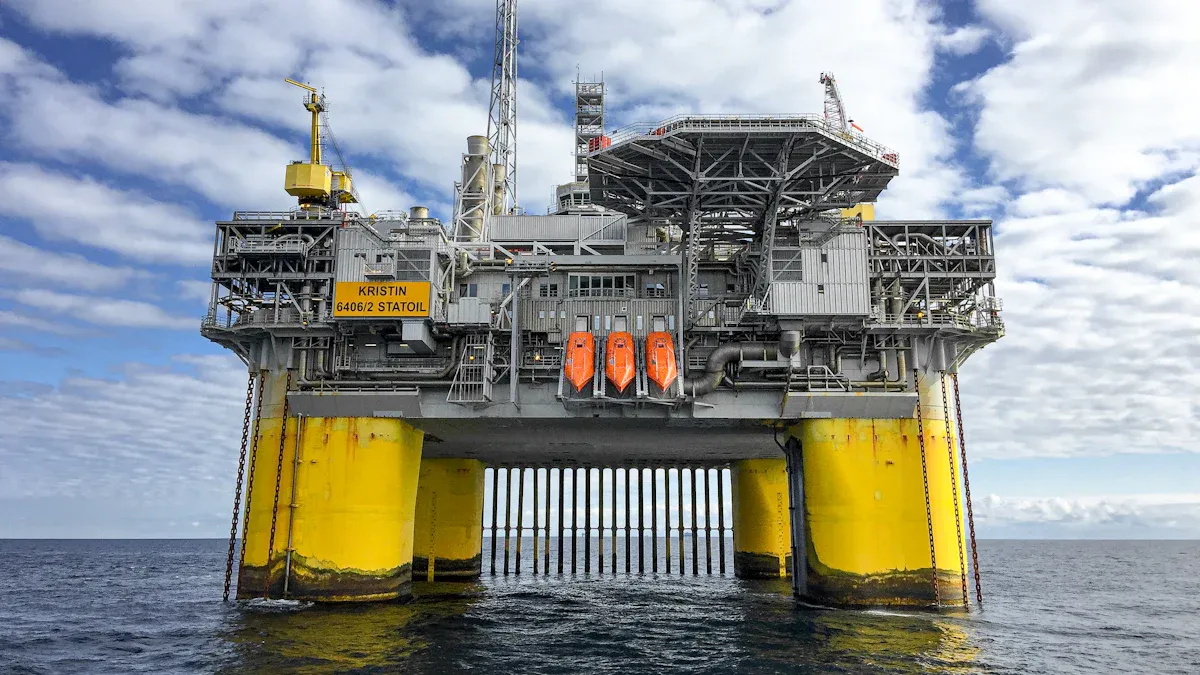
Many projects now use 0.3° angle control. This helps in hard underground drilling. Oil and gas companies use it. They drill long wells sideways. This control keeps the well in the right rock. This gets out the most oil or gas. It also makes drilling work better. Utility companies also use it. They put pipes under cities. Exact drilling avoids other pipes. This stops expensive damage. Ground study projects use this too. They get exact ground facts. These facts help find sites. They make good maps of what is below. This exactness makes every drill job better. It helps find ground features. It also helps find dangers. This makes sure all underground parts are found.
Industry Testimonials on High-Precision Drilling
Leaders praise exact drilling. They see big gains in many areas. One boss said, "Our drilling rigs 0.3° angle control guarantees hit. This changed our project results a lot." Another expert said, "Keeping such small angles means less redoing work. It saves much time and money on every drill job." This exactness is key for deep searches. It helps find mineral spots better. Getting good facts helps make better choices. This new drill tech sets new rules. It makes projects finish well. It helps find the best drill paths. It also helps find good drill methods. This leads to better project finding and doing. Clear project goals are also better. This makes sure target areas are found exactly.
Drilling rigs 0.3° angle control guarantees hit. This makes drilling a very exact science. This system makes sure you hit your target. It makes drilling safer and work better. You save a lot of money. This is true for horizontal directional drilling. CEGC's Horizontal Directional Drilling Machine gives this control. Its smart system helps find things well. It finds targets exactly. It finds dangers. It finds rock types. This exactness is a new high standard.
FAQ
How does 0.3° angle control prevent common drilling issues?
This exact control stops stick/slip events. It makes sure targets are found right. This makes work safer. It makes work better. The system uses live data. This helps find things. It spots stick/slip. Stopping stick/slip helps find things well.
What role does automatic lithology identification play in precision drilling?
Automatic lithology identification uses data. It finds rocks right away. This helps change how we drill. It stops stick/slip. It helps with finding things. The system finds things better. It uses automatic lithology identification. This stops stick/slip. This data is very important.
How does data from MWD/LWD improve drilling parameters?
MWD/LWD data always shows what is downhole. This lets us change how we drill. It lowers stick/slip risks. This system makes finding things more exact. It helps spot changes. It also helps stop stick/slip. This data helps find rocks. It also helps stop stick/slip.


