
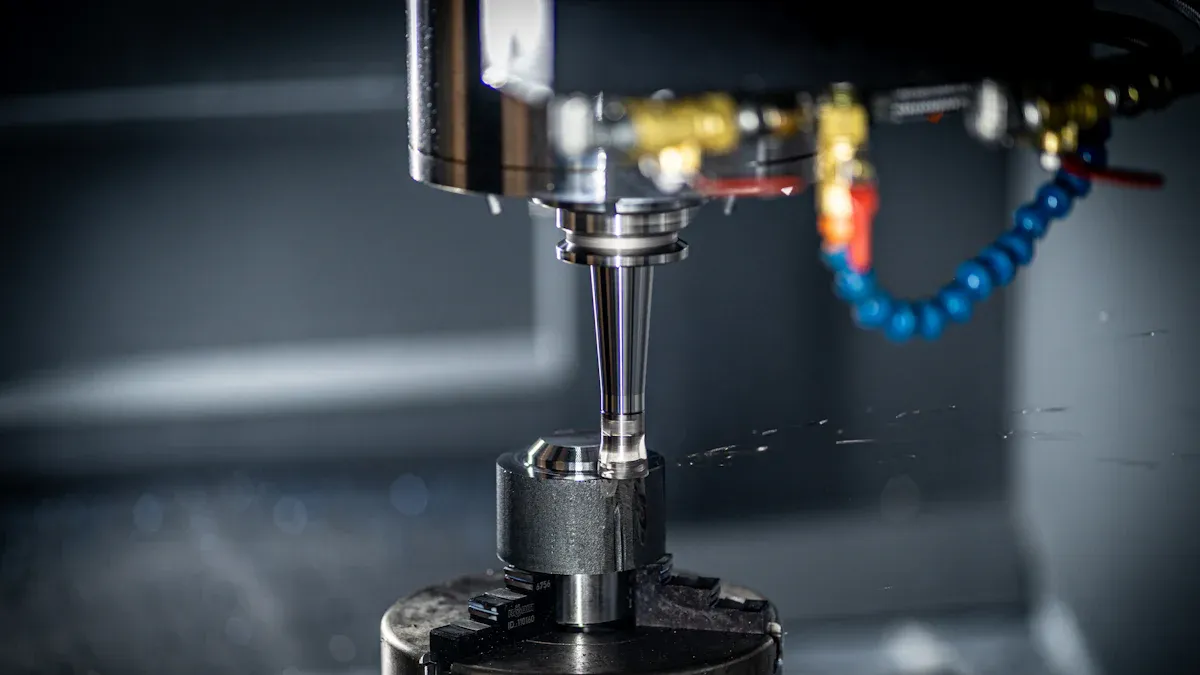
Underground projects are becoming increasingly complex and fraught with risks. Drilling off-course and crossing failures are significant challenges. Maintaining a straight bore is paramount to avoiding costly errors; even a tiny 0.1° mistake can lead to major complications. The growing prevalence of horizontal drilling, projected to be a $23.11 billion industry by 2032, underscores the critical need for precision. This blog explores how a Horizontal Drill 0.1° Precision Prevents Conflicts by mitigating problems, ensuring project success, enhancing safety, and adhering to regulations with CEGC technology.
Key Takeaways
-
Drilling exactly keeps projects safe. It keeps them on track. It uses 0.1° precision. This stops hitting pipes. It stops big problems.
-
New tools help drills. They are Gyroscopic Steering Systems. They keep drills accurate. They work near power lines. They work near other things. These things can cause trouble.
-
Good planning is important. Skilled workers are important. Constant checking is important. They make drilling exact. They stop costly mistakes. They stop delays.
Why Being Exact Matters in Underground Drilling
Big Problems from Going Off Course and Hitting Things
Building things underground has risks. Hidden obstacles and old pipes are big dangers. Hitting pipes for water, power, or gas can stop services. This causes blackouts and costly fixes. Damaging gas lines can cause explosions. Live power lines can hurt or kill workers. These problems also make projects slow and cost more. Bad records of old pipes make these risks worse.
What "Conflicts" Mean in Trenchless Drilling
In horizontal directional drilling, a "conflict" is anything bad. This includes hitting utilities or damaging the ground. Breaking gas pipes or fiber optics is a conflict. Broken machines or wrong alignment also cause conflicts. Bad work, like using a hydro auger, can make holes in the soil. Rocks or moving clay are also conflicts. These happen when soil tests are missed. Breaking environmental rules, like not getting permits, is also a conflict. Knowing these conflicts is key for any trenchless method.
Old Drilling Methods Are Not Very Exact
Old ways of drilling often make big mistakes. This can cause many problems. For example, the Cracow Gold Mine had issues. Old drilling methods caused these problems. New tech later cut mistakes by 62%. Very thin tunnels, only 1.5 meters wide, needed great accuracy. Old methods could not dig these cheaply. The chart below shows how much old drilling can be off.

This chart shows how far off old methods can be. These errors show why exact drilling is so important.
Getting 0.1° Accuracy in Horizontal Directional Drilling
What 0.1° Precision Does
Getting 0.1° precision in horizontal directional drilling changes everything. This means the drill path stays very straight. For example, over a 100-foot bore, a 0.1° mistake means the drill head is only 2 inches off. This small error is very important. It keeps the drill exactly where it should be. Better accuracy greatly lowers mistakes. This helps avoid big jumps in project costs. Exact drilling stops expensive redoing and fines. It also makes sure projects finish on time and on budget.
Smart Tools for Horizontal Directional Drilling
New drilling uses smart guidance systems. These systems make super accuracy possible. Gyroscopic Steering Tools (GSTs) are key. They control the bore path exactly. GSTs use fiber-optic gyroscopes. They also use sensitive accelerometers. These tools find the drill head in 3D space. Unlike magnetic systems, GSTs do not need magnetic fields. This allows good tracking even near power lines. It works near other electric interference. Fiber-optic gyroscopes measure turning changes. They find phase shifts between photons. Accelerometers measure time and distance. They do this along a vector. Combining these shows the drill head's spot and way. Accuracy is usually within 2% or less of the depth.
Gyro Steering Systems have many good points:
-
They fix problems of electric and wired systems. This shows they are better.
-
They are safe from electric interference. This lets them work near underground cables. They work near pipes and power lines.
-
No ground tools are needed. This makes them good for hard places. Like river crossings or city areas.
-
They have almost no depth limit. This allows very long crossings. These can be kilometers long.
-
Modern Fiber Optic Gyroscope (FOG) systems are very exact. They often get better than 0.1% of crossing length. This makes smooth curves. It makes good boreholes. It needs less pullback force.
Gyro Steering Systems make sure the bore path is exact. They do this through a careful process. First, the probe lines up to a known ground spot. As drilling goes on, the gyroscope measures changes in direction. Accelerometers measure changes in slope. A data unit on the surface puts this data together. It uses the first position and odometer info. This figures out the drill bit's real-time 3D spot and position. Workers then use a control unit. They see any changes from the planned path. They make fixes to guide the drill bit exactly. This constant checking and fixing is vital. It is vital with exact drilling length detection. It makes sure the bore stays on target.
CEGC's Precision Guidance and Stability System
CEGC has a top Precision Guidance and Stability System. This system is made for great accuracy. It has load-matched control. This links thrust, pullback, rotation, and feed. This makes drilling smooth and controlled. Strong frames and carriage alignment lower shaking. This stops the drill from moving off course. Our systems are also ready for tracking. They work with smart guidance tools. This allows for optional data logging. It allows for process control. This link is key for exact drilling length detection. It gives workers exact info. This helps them make real-time fixes. Our system ensures steady and exact drilling length detection. This stops costly mistakes. The ability to find the drill head's spot and direction in real-time is a main strength. This constant feedback loop, with exact drilling length detection, guarantees the 0.1° accuracy. This is needed for hard projects.
How Precision Horizontal Drilling Prevents Conflicts
Eliminating Utility Strikes and Enhancing Safety
Exact drilling makes things safer. It stops hitting pipes. A horizontal drill 0.1° precision prevents conflicts. It keeps the drill on track. Operators can avoid pipes. These include gas, water, and power lines. Missing these pipes saves money. It stops power outages. It prevents injuries or deaths. Special machine parts also help. Anti-stall engines stop drills from getting stuck. Overload protection saves the equipment. These parts lower breakdowns. They cut down on idle time. This makes work safer for people. It also keeps the public safe.
Avoiding Property Disputes and Legal Issues
Bad drilling can cause big legal problems. Land fights happen often. This is when drilling goes onto other land. This can be due to bad land records. These records might have mistakes. They can have unclear borders. Old debts on the land also cause issues. Fixing these problems costs a lot. It means getting new papers. It might mean going to court. Landowners have sued for less property value. They also want money for not using their homes. Pollution claims can also cost a lot. This means paying for water checks. It means paying for clean-up. One expert said:
“The only thing more expensive than a drilling mistake is the litigation that follows.”
This shows how costly legal fights are. Careful planning in horizontal directional drilling stops these fights. This way needs less land for building. It keeps work inside allowed areas. This planning stops problems. It saves projects from lawsuits. It protects their good name.
Minimizing Environmental Impact and Frac-Out Risk
Protecting nature is key in building. A horizontal drill 0.1° precision prevents conflicts. It helps follow green rules. It protects nature. A "frac-out" is a big risk. This is when drilling fluid leaks. It can go into water. It can go into other places. Frac-outs can dirty the water. For example, many Line 3 crossings had leaks. Drilling fluid got into the water. This fluid is often not toxic. But, it is still pollution. Exact drilling lowers frac-outs. It keeps the drill path steady. It keeps fluid pressure right. This stops fluid from leaking out. This protects nature. It avoids costly clean-ups. It follows strict green rules.
Ensuring Project Timelines and Budgets
Project delays and extra costs are common. Bad drilling causes many of these. When a drill goes off course, work must be redone. This means drilling parts again. It means making hard changes. These things take time. They use up money. They push back finish dates. They make costs higher. Exact drilling uses smart systems. It keeps projects on time. It needs fewer fixes. This makes work faster. It keeps projects on budget. Reliable, exact drilling also cuts surprise costs. It avoids fines for delays. This certainty is very helpful. It helps builders, utilities, and city projects. It makes sure projects finish well.
Making Drilling Better for Exact Projects
Getting 0.1° precision needs more than just good machines. It needs a full plan. This plan includes skilled people. It needs good planning. It needs the right tools. It needs constant checking. These things work together. They make projects work well. They stop problems.
Good Workers and Training for Drill Rigs
Skilled workers are very important. They need lots of training. This training teaches about drilling liquids. It teaches about safety. It also teaches how to drill. It teaches how to find things. Programs like Vermeer HDD Circuit help. Ditch Witch Certified Training also helps. They give hands-on practice. They teach how to mix mud. They teach about tools. They teach how to care for machines. Workers also learn to check pipes. They dig small holes to see them. Certifications like IADC WellSharp® are good. The Horizontal Directional Drilling Academy also helps. These make sure workers have skills.
Full Planning and Checks Before Drilling
Good planning is key before drilling. Full checks before drilling find problems. These checks map hidden pipes. They use special radar. They also check power lines above ground. Soil tests check the ground. All underground pipes are found. They are checked. This includes sewer pipes. The drill path is walked. This helps plan paths. It causes less harm to nature. Checking for interference is also vital. Work sites often have noise. Power lines cause noise. Buried pipes cause noise. Good locators filter signals. This helps avoid damage. Finding all noise sources is key. It makes the job work.
Picking the Right Horizontal Directional Drilling Machine
Choosing the right horizontal directional drilling machine is key. It helps with precision. Project needs decide the choice. These include how deep to drill. They include how wide to drill. They include the type of ground. Machines like the Goodeng GSE2000-LS HDD are easy to use. They make drilling exact. A transmitter with good pitch sensing is also key. In 1995, Digital Control made one. It had 0.1% grade pitch sensing. This helped use HDD for sewer lines. These features are vital. They help get 0.1° precision.
Watching and Drilling Length Detection in Real-Time
Constant watching is basic. Real-time changes are too. Special tech helps find drilling length detection. It does this without touching. It gets data automatically. This makes it more exact. It makes sensors last longer. Measuring While Drilling (MWD) is also popular. Logging While Drilling (LWD) is too. Real-time data helps make choices. It gathers data from drills. It checks it all the time. This info gives quick ideas. Workers can make smart choices. They use current facts. Watching ahead helps find problems. It finds them before they get big. This quick data check helps manage. It allows fast changes. It makes drilling length detection exact. It stops problems. It makes relief systems work well. It keeps flow steady. Real-time systems find pressure changes. They find flow changes. They tell workers. They can start automatic actions. This lowers risk. Exact drilling length detection is vital. It keeps the drill on target. This constant check helps. It guarantees 0.1° accuracy.
The horizontal drill 0.1° precision prevents conflicts. This is more than just a small detail. It is very important for safety. It helps projects do well. This exactness gives good value for a long time. It saves money. It also makes everyone involved look good. New horizontal directional drilling tech, like CEGC's, is needed. It makes sure underground building is strong. This horizontal drill 0.1° precision prevents conflicts well.
FAQ
What does 0.1° precision mean for a horizontal directional drilling machine?
A 0.1° precision means the drill path stays very straight. For example, over 100 feet, the drill head is only about 2 inches off. This makes it very exact.
Why is precision crucial for underground infrastructure projects?
Precision stops expensive mistakes. It stops hitting pipes. It stops harming nature. It keeps projects on time. It keeps them on budget. It makes things safer. It follows rules.
How do advanced guidance systems achieve such high accuracy?
Advanced systems use gyroscopic steering. They track in real-time. These tools give constant data. They show the drill head's exact spot. They show its direction. This allows small changes.


