
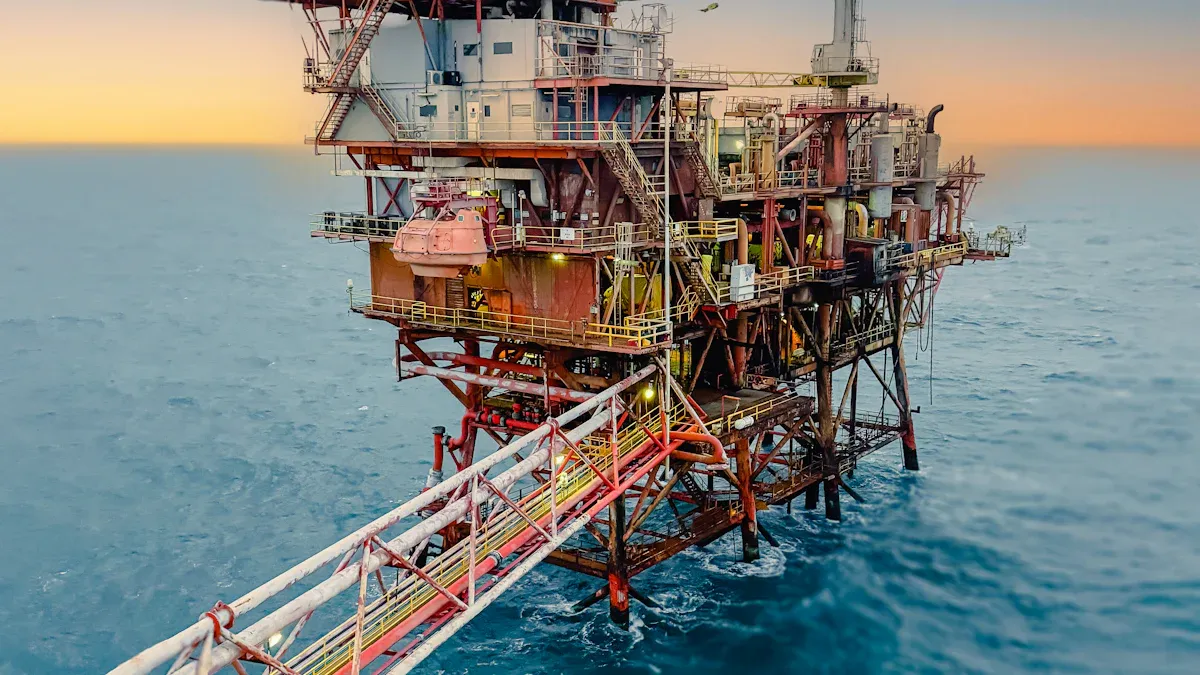
Drilling Rigs High Transfer Rate Guarantees Power in modern drilling rigs. This ensures reliable power for critical drilling operations, preventing interruptions and maintaining consistent performance. This is especially true for horizontal directional drilling, where a steady power supply is crucial. This concept is fundamental to new machines, including the CEGC Horizontal Directional Drilling machine, ensuring consistent power for every task.
Key Takeaways
-
High power transfer rates make drilling rigs work better. They give steady power for all drilling tasks.
-
These rates help guide the drill bit with care. This stops the drill from going off course.
-
High power transfer rates also stop pipes from getting stuck. This saves money and keeps work moving.
Boosting Drilling Efficiency: How High Power Transfer Rates Drive Performance
Ensuring Consistent Power for Optimal Drilling Operations
High power transfer rates make drilling work better. They give good results. They fix common problems. Steady power delivery is very important. It keeps drilling speed even. It also makes fluid pumps strong. This helps keep the hole stable. This is true in hard ground. For example, the EC-Drill® system improves drilling. It keeps mud levels right. This holds steady pressure at the hole's bottom. This steady pressure is key. It builds wells safely and well. This works even in tough spots. This includes narrow areas. It also works in used-up ground. The Victus Intelligent MPD system also helps. It keeps bottomhole pressure exact. This makes drilling faster. It lowers costs for building wells. This shows how steady power helps drilling speed. This is true in hard places. This steady power is a main benefit. It comes from high transfer rates. It makes drilling work better overall. This ensures top performance. This helps drilling work well.
Overcoming Bore Deviation with Precision Guidance Systems
Bore deviation is a big drilling problem. It means the drill goes off course. This creates extra work. It costs money. Unplanned deviation can be very bad. Any deviation takes time and money. This is true in directional drilling. You cannot see the deviation. Both planned and unplanned deviations cost money. Unplanned deviation can ruin a project. High power transfer rates help fix this. They allow for exact control. This control matches thrust and pullback. It also matches rotation and feed. This guides the drill bit well. Strong frames also help. They are made from tough materials. These are like strong cast iron. These frames are treated. This stops them from bending. This helps stop shaking. Wide beds and strong rails also cut shaking. This means the drill bit moves smoothly. Exact guides and ball-screw drives ensure precise movement. This keeps drilling depth correct. It also keeps the shape right. This exactness is key. It helps cross roads. It helps cross railways. It helps cross rivers or utilities. The system can also link to tracking tools. This helps keep the drill on track. This makes drilling more efficient. It makes operations better. High horsepower rigs are often used. They give the power needed. This is for precise control. This high power helps manage forces. This is for accurate drilling. The power in these rigs ensures exactness.
Preventing Stuck Pipe and Downtime with Anti-Stall Powertrains
Stuck pipe is a big drilling issue. It causes high repair costs. It causes delays. One stuck pipe can cost a lot. It can be $250,000 to over $1 million. The drilling world loses billions each year. This is because of stuck pipe. Torque spikes also harm rods. They harm threads and tools. High power transfer rates help stop these. They allow for high torque. This is true across many speeds. Anti-stall powertrains use hydraulic sensing. This system feels heavy loads. It changes the hydraulic fluid flow. This stops torque spikes. For example, Eaton's 420 pump uses torque control. It limits pump torque on the engine. This stops the engine from stalling. This means the engine works best. It stops sudden torque surges. These could cause damage. This reduces stress on parts. It makes them last longer. Controlled start and stop also reduce shocks. This ensures steady daily output. This is true in hard or mixed ground. High horsepower rigs are important here. They handle longer drill strings. This makes tripping faster. It makes operations better. These high horsepower rigs are key. They are for deep and long drilling. They give huge power. They give hydraulic power. This ensures high transfer rates. This prevents downtime. This makes drilling more energy efficient. The high power of these machines gives steady energy. A strong drilling rig is vital. The total power delivered is key. This high power is a sign of modern rigs.
Powering Modern Drilling Rigs: Technologies for High Transfer Rates
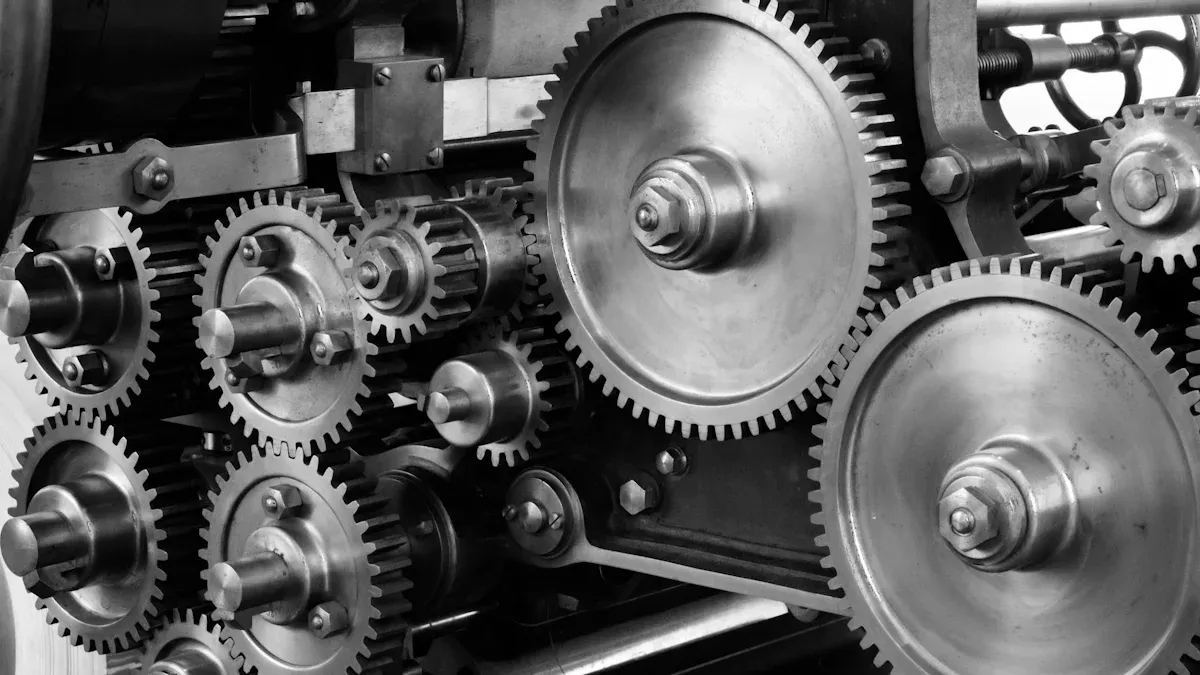
Modern drilling rigs use smart designs. These designs help them move power very well. This section explains how these rigs achieve high power transfer rates. These rates are key for good performance.
Advanced Power Management and AC Drive Systems
Modern drilling rigs often use diesel engines. These engines are the main power source. They connect to electric generators. These generators make electricity. AC drive systems then take this electricity. They send it to different parts of the rig. This includes the drill bit and the drawworks. This ensures good electric power and steady voltage.
AC drive systems are better than older DC systems. They do not put a heavy electric load on the generators. This helps distribute power more smoothly. Electrical systems also work well in very hot or cold places. This is important for many drilling operations. These systems do not need hydraulic fluids. This means no spills. It helps meet "zero emissions" goals. Electrical systems also make the rig lighter. They lower its center of gravity. This is especially true with AHD (Active Heave Drawworks) systems. This technology helps the rig move better. It improves overall efficiency. The horsepower from these engines is used wisely. This technology makes sure the rig has enough horsepower for tough jobs. It helps save energy.
Optimizing Tooling Compatibility and Durability for Reduced Wear
Drill parts can wear out fast. This costs money. Sometimes, the wrong tools are used. This can cause problems. High power transfer rates help here. They deliver power more smoothly. This reduces shaking. It stops uneven wear on tools.
If the drill moves too slowly, the reamer can rub. This causes wear. It can make the tool chatter. Chatter shortens tool life. It also makes the hole bad. Carbide reamers can run faster than other tools. But they need a strong setup. They do not like shaking. Avoiding chatter is very important. It saves tools. It makes better holes. To stop chatter, make the setup very stiff. Keep the tool short. Do not feed too slowly. This can cause rubbing. Changing the tool's helix angle can help. Adding margins to the tool also helps. A tool with a small back taper can be good. The SumiTurn X-Bar is one tool. It helps stop chatter in boring. It works well with long tools.
Proper clamping of the workpiece is also key. Even small shakes can cause problems. Strong clamps help. They keep the tool steady. Making sure the hole is ready before reaming helps. Enough material must be there. Too much material makes the tool work harder. Too little can cause chatter. Setting up the reamer correctly is vital. Using special holders can fix small errors. Checking how straight the tool runs is important. Keeping it very straight helps. A steady feed rate is also important. Too slow causes chatter. Too fast wears out the tool. Optimal feed rates are often faster than drilling speeds.
The CEGC Horizontal Directional Drilling Rig works with many reamers. These include blade, fluted, rock, and barrel reamers. You can choose the rod diameter. You can choose the tool joint specs. You can also get special protection against wear. This matches the ground type. It matches the tools you like to use. This technology ensures the rig's horsepower is used effectively. It extends tool life. This improves drilling efficiency.
Integrated Mud Systems for Superior Fluid Performance
Mud is very important in drilling. Low mud flow or pressure can cause problems. It can make the drill get stuck. It can also cause frac-out. This is when mud leaks into the ground. This creates cleanup costs. It can cause fines. Unstable mud also makes the hole less stable.
High power transfer rates help mud systems. They allow for the right pump size. They ensure good mud flow. They help with filtration. This keeps the mud stable. It reduces risks. This means less cleanup. It means fewer problems with rules. The CEGC Trenchless Drilling Rig offers customizable pump packages. It also has upgrades for filtration and cooling. This ensures reliable power for every horizontal directional drilling project. This technology helps manage energy for optimal mud performance. It supports efficient drilling operations. The rig's horsepower ensures the mud pumps work at their best. This is crucial for drilling rigs high transfer rate guarantees power.
High power transfer rates are very important for drilling. They make sure drilling rigs high transfer rate guarantees power. This helps work go smoothly. It makes projects successful. This makes drilling better and safer. This is true for hard drilling jobs. The CEGC Horizontal Directional Drilling machine gives steady power. This constant power means drilling rigs high transfer rate guarantees power. It also means great work and results.
FAQ
What does "high power transfer rate" mean for a drilling rig?
It means the rig moves power well. The engine's power goes to the drill bit. This gives full power for hard jobs. It uses the rig's power best. This saves energy. The rig's power is always ready.
How does high horsepower help prevent stuck pipes?
Strong rigs use special engines. This power gives strong turning force. It stops sudden jerks. This power helps avoid stuck pipes. It keeps the rig working. This power makes it run smoothly. The rig's power protects tools.
Why is consistent horsepower important for precision drilling?
Steady power allows exact control. This power helps steer the drill. It lessens shaking. This power makes drilling accurate every time. This power makes drilling precise. It uses all the rig's power. This power helps it succeed.


