
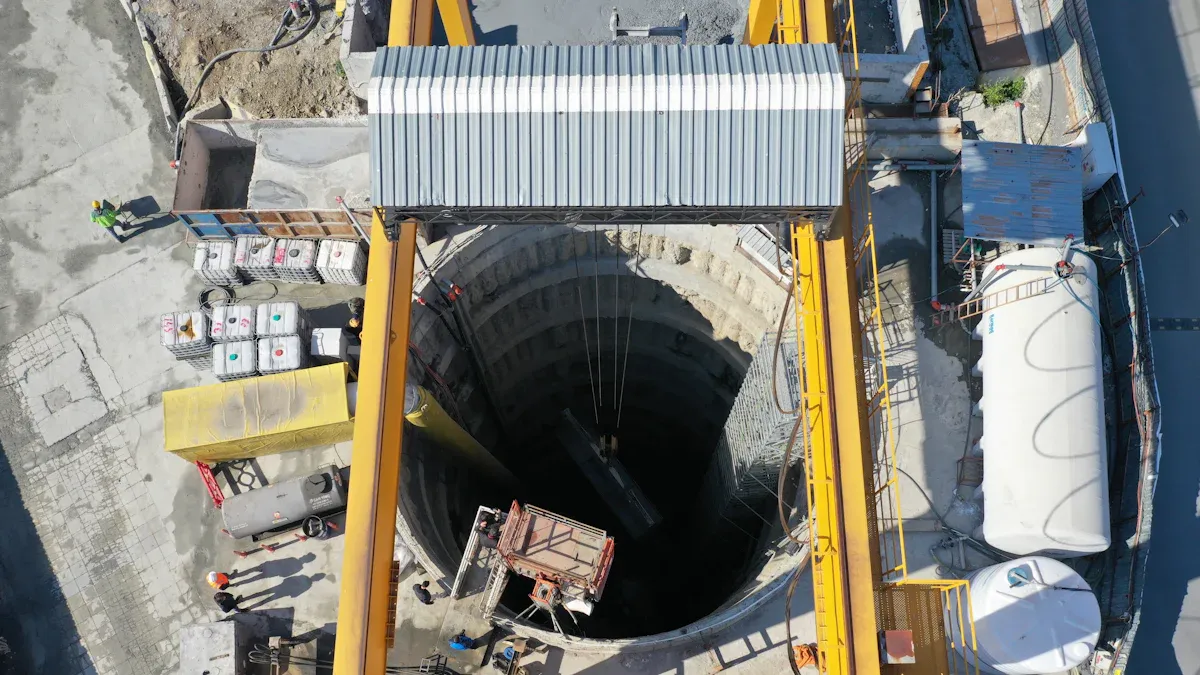
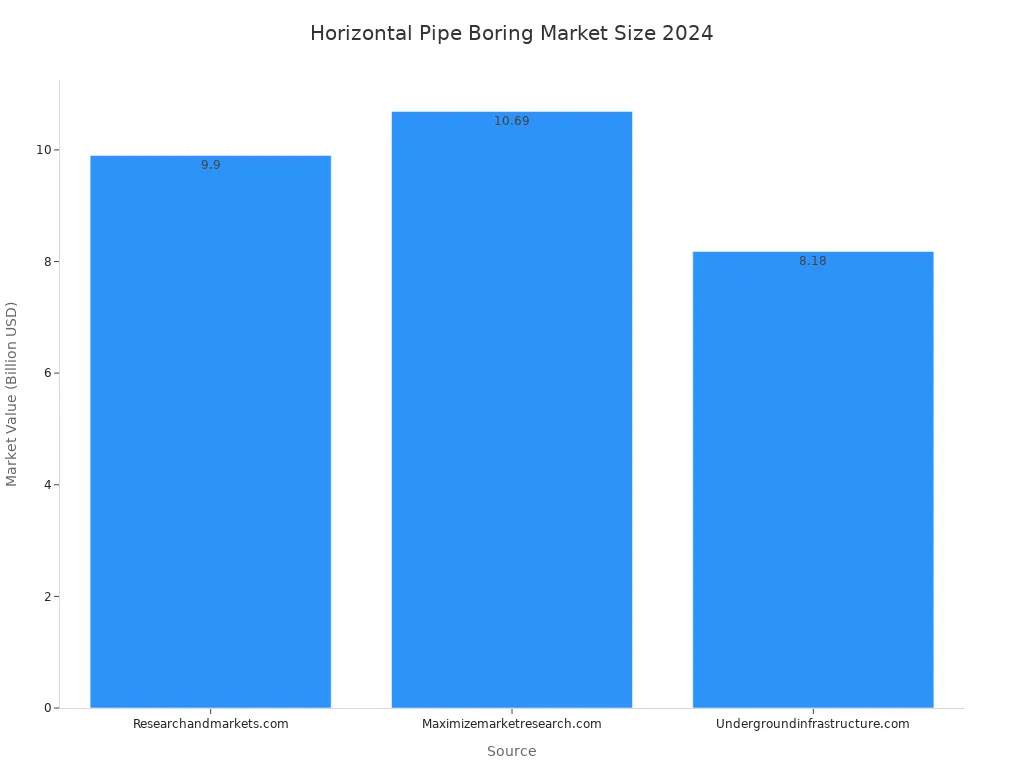
You need robust infrastructure, and Horizontal Pipe Boring Max Efficiency Cuts Downtime is crucial for achieving it. The underground market alone was valued at an impressive $9-10 billion in 2024.
Inefficient trenchless technology leads to significant financial losses and wasted time. So, how can you optimize your horizontal pipe boring operations by 2026? We'll demonstrate how to maximize the effectiveness of horizontal directional drilling, ensuring cost and time savings with CEGC.
Key Takeaways
-
Good planning and site checks help you avoid problems and save money on your projects.
-
Taking care of your tools and using the right drilling fluids keeps your work running smoothly.
-
New technology and well-trained teams make drilling more exact and safer, which helps finish jobs faster.
You must build a strong base. This helps you get the most work done. It is for horizontal pipe boring. This means good planning. It means taking care of tools. It means smart fluid use. These steps stop costly re-work. They help avoid fines. They keep your hdd projects running well.
Comprehensive Site Investigation and Bore Planning
Good planning starts with looking at the site. You need to know the ground. Horizontal borings give constant data. This is for the work area. This gives more facts. It is better than vertical borings. You see rock quality better. You see how water flows. You see fault lines. This helps lower report costs. It lowers claims. It makes tunneling more efficient. Horizontal borings can change the ground first. This saves money and time.
💡 Tip: Horizontal borings show rock quality. They show water flow. They help find fault zones. You get samples for testing. This finds weak spots. It finds hard rock areas.
Horizontal drilling for plans costs the same. It is like vertical borings. This is for tunnel work. But all horizontal drilling is in the work area. It is at tunnel level. Only 25% of vertical borings are near the tunnel. So, horizontal borings save money. They are better per meter.
You need rock data. This is for good bore planning. Knowing the rock is key. This includes its depth. It includes its thickness. It includes its slope. Even small slopes can move the well. Data from nearby wells helps. This includes vertical ones. This data has well logs. It has bit records. It has mud logs. It has daily reports. They help you know the ground. They help with depths. This is for your underground infrastructure. It is for utility networks. If rock data is not clear, drill a pilot hole. Check the rock. This shows the depth. It gives facts on rock changes. This is key for best practices in drilling. It helps with good pipe installation.
Proactive Maintenance for Underground Pipe Drilling Equipment
Broken tools cause delays. They cost money. You must fix tools before they break. This is for your underground pipe drilling tools. This stops drill pipe breaks. Pipes can twist off. This is from too much force. Pipes can break from pulling too hard. They can burst from pressure. They can crack from stress. This is from bending and rust.
Bending stress happens in curved wells. The drill string squeezes and stretches. This makes pipes wear out fast. Rust also harms pipes. Chemicals in drilling mud cause this. These include oxygen and salts.
⚠️ Warning: Stuck pipe is a problem. It means a pipe cannot move. This can be from pressure. It can be from parts. Damaged pipe threads also happen. This is from mistakes. It is from bad tools. It is from bad drilling. You can stop this with care. Check pipes often. Do not twist too hard. Twisting too hard happens. This is when you do not tighten pipes enough first. Then they get too tight. This harms threads.
A hole can become unstable. It does not keep its shape. This is from ground weight. It is from water. It is from ground movement. This causes stuck pipe. Lost mud is another issue. Drilling mud flows away. This happens when pressure is too high. It happens in cracked ground. This costs more mud. It can cause blowouts.
Other tool problems happen. This is in underground pipe drilling. Low hydraulic pressure is one. This is from pump failure. It is from leaky valves. It is from blocked pipes. Slow drilling can be from worn bits. It can be from low power. Shaking drills mean loose parts. It means a bent rod. Hot oil can mean low oil. It can mean a bad cooler. Power failure means the engine won't start. Stuck drilling happens. This is when you hit hard rock. It is from drilling off course. Leaking oil is from old seals. It is from broken pipes.
You must fix these issues. This keeps work going. It keeps drilling performance high. Check tools often. Fix them fast. This is for your underground pipe drilling tools. This keeps quality high. It makes tools last longer. This is key for all hdd projects.
Optimizing Fluid Management for Bore Stability
Drilling fluid, or mud, is key. It keeps the bore stable. Bad mud makes twisting hard. It can cause stuck pipe. Lost mud causes problems. It causes cleanup issues. Bad mud makes the bore unstable. You need the right pump size. This is for flow and pressure. It depends on length and size. It depends on the ground. The path for mud matters. Filtering mud matters. You must follow mud rules. This means mixing it right. It means checking it. It means changing it. This makes drilling performance good. It keeps quality high.
Rules for mud disposal are strict. The EPA calls used mud special waste. Laws like RCRA and CWA apply. You must think about disposal. This is before you bid. Focus on holding mud. Focus on reusing it. Focus on treating it.
🌍 Environmental Note: Mud disposal rules depend on mud type. Water muds have few rules. They are 80% of the market. You must get rid of used mud safely. Keep it from water. This stops pollution. Reusing mud helps the earth. It saves money. It uses less additives. It makes less waste.
Ways to handle mud waste include drying it. It includes filling pits. Solidifying it is another way. Spreading mud on land also works. Cleaning with microbes helps. Heating it helps. Burning it helps. Good mud handling is key. It follows environmental rules. It helps project performance. It helps build infrastructure. It ensures high quality control. This is for every installation. This is a key part of underground pipe drilling.
Advanced Technology for Peak Horizontal Pipe Boring Efficiency
Precision Guidance Systems for Accurate Trenchless Technology
You need exact control. This is for good underground pipe drilling. New trenchless technology uses smart guidance systems. These systems keep your bores on track. They stop expensive re-work. They prevent fines. This makes your work faster.
Good guidance systems make things much more exact. Guided auger boring can be right within ¼ inch. This is over hundreds of feet. This is much better than old ways. Old ways were often off by 1%. New systems use a special optical guide. It has a remote camera. It has an LED light. It gives you live digital info. You get exact pilot tube installation. You do not need to go inside the pipe. This makes work safer. It makes work faster.
For horizontal directional drilling, you get the best exactness. You mix a precise survey system. This can be a gyro or magnetic system. You also use other ways to track. These include ParaTrack2 cable. They include Beacon Tracker. They include Microcoil. This combined method helps you find errors. It helps you fix them. This leads to very good exactness. It leads to better drilling performance.
There are different types of exact guidance systems. Digital Thrust Boring Guidance Systems give you live location data. This is for the boring head. They show a target on a screen. They show a clock face. This tells you where it is moving. You can read data as numbers or percentages. Analog Thrust Boring Guidance Systems also give location data. They are exact within inches. These systems are cheap. They are easy to set up.
Walk-over systems are common. A person walks above ground. They have a receiver. They follow the signal from the drill. These systems work for most normal bores. Wireline systems work for harder jobs. This includes deep bores. It includes places with bad signals. A wire goes through the drill pipe. It connects directly to the signal sender. This gives a stronger signal. This makes setup a bit harder.
These new ways make your steering more exact. They make sure your hdd projects meet exact plans. They also let you add data to BIM (Building Information Modeling). This helps you make smarter choices. This is for your infrastructure projects. BIM models put all project data together. This includes ground data. It includes utility data. It includes design data. This full BIM method makes planning better. It makes doing the work better. It makes sure it is very exact. You use BIM to see the bore path. You use BIM to find problems. You use BIM to make your pipe installation best. This makes BIM very important. It is for modern underground pipe drilling. You learn a lot from BIM. This is for every project.
Anti-Stall Powertrains and Overload Protection
Stuck pipe, sudden power surges, and stops cost you money. CEGC has answers to these issues. Anti-stall powertrains and overload protection are key. They keep your underground pipe drilling smooth. These systems stop damage to your tools. They also keep drilling performance steady.
Overload protection systems help a lot. They guard your tools. This stops damage to the machine. It stops damage to its parts. It makes your tools last longer. This means fewer costly fixes. These systems also keep workers safe. They stop work in unsafe conditions. They act on their own when there is too much load. This makes your work faster. It stops delays from broken tools. This makes your drilling machine efficiency better. It helps you finish hdd projects on time. It helps you stay on budget. Overload protection also makes sure you follow rules. It shows you care about safety. It shows you care about quality. This makes your work better overall.
CEGC's horizontal directional drilling machines have strong power. They have a wide speed range. Hydraulic load sensing is also key. Pressure management is too. These stop sudden power surges. They lessen shocks on rods. They lessen shocks on swivels. They lessen shocks on tools. Controlled start and stop also protect your tools. This makes performance better. You can work in hard ground. You can work in mixed ground. This gives steady daily work. This is for your infrastructure building. These are truly new ways of doing things. You gain from these new ways in every bore.
Durable Tooling and Compatibility for Reduced Wear
High costs for parts and tool wear hurt your money. You need tools that last. Strong tools and being able to use different parts lower these costs. They make your drilling machine efficiency better. This is very important for underground pipe drilling.
Picking the right material for your tools is key. This depends on the ground. For very rough ground, Hardox 450 lasts longer. It lasts 40-50% longer. This is compared to AR400. It costs 25% more. In sandy dirt with lots of silica, you need hard materials. They need to be at least 48 HRC hard. AR500 or Hardox 500 work well here. For clay dirt, materials like AR400 (42-45 HRC) can last longer. They can last 30-40% longer. This saves 25-35% money. This is over the tool's life. You get this by picking the right material for the dirt.
Here is how materials for strong tools compare:
|
Material |
Hardness (HRC/HV) |
Wear Resistance |
Cost Index |
Service Life (Abrasive Conditions) |
|---|---|---|---|---|
|
AR400 Steel |
N/A |
Excellent |
1.8-2.2 |
400-500 acres (moderate soil) |
|
Hardox 450 |
N/A |
Very High |
25% premium |
40-50% longer than AR400 |
|
Hardox 500 |
48-54 HRC |
Highest |
N/A |
Reasonable (sandy soils) |
|
AR500 Steel |
48-54 HRC |
Highest |
N/A |
Reasonable (sandy soils) |
|
D2 Tool Steel |
58-62 HRC |
Highest |
N/A |
N/A |
|
Tungsten Carbide Surface |
1200-1500 HV |
Highest |
N/A |
N/A |
CEGC makes sure tools work with many reamers. This includes blade, fluted, rock, and barrel reamers. Smoother power delivery stops shaking. It stops uneven wear. This makes tools last longer. Easy access for service also means faster fixes. These new ways lower your parts cost. They make your tools used more. This makes your performance better. This is for hdd projects. You get higher quality in every installation. This helps build strong infrastructure. This makes your drilling performance better.
Operational Excellence: Driving Efficiency and Reducing Downtime
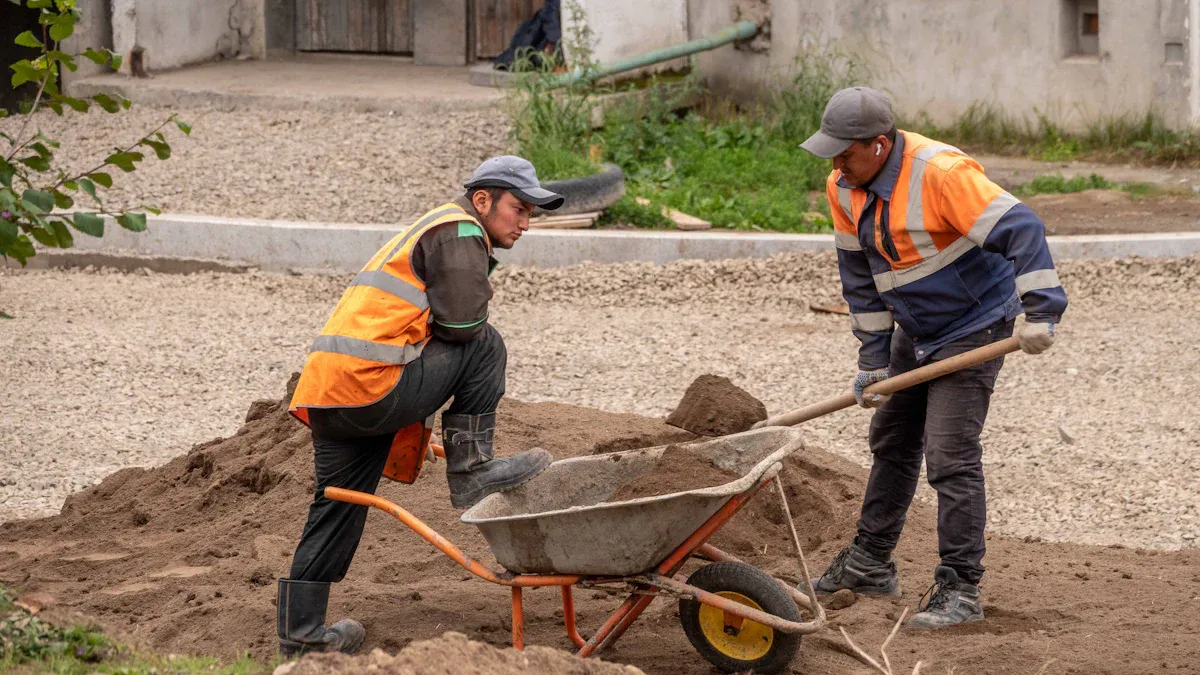
You must focus on your team. You must manage projects well. This makes things work better for a long time. Good workers and strong safety make projects succeed. This part shows you how.
Empowering Teams Through Training and Certification
Your team needs good training. This makes your hdd projects run smoothly. Training makes workers better. It makes work high quality. You can give important training classes. These include:
-
Directional Profiles and Other Applications of Directional Drilling
-
Dogleg, Torque and Drag Calculations
-
Planning Directional and Horizontal Wells including Extended Reach Wells (ERD)
-
Hole Cleaning Practices in Deviated and Horizontal Wells
-
Completion for Horizontal and Multi-lateral Wells
Other training teaches walking the bore plan. It teaches potholing. It teaches making the bore plan. It teaches mixing the mud. It teaches proper drill care. It includes time on the drill. You also get online classes. You get HDD simulator training. You learn best practices in drilling. You get an HDD job overview. You learn about drill fluids. You learn about tracking. You learn about drill pipe characteristics and tooling. This training gives good data. It makes overall performance better. You can put this training data into your BIM models. This helps you see skill growth. This makes your BIM better for future jobs.
Robust Safety Protocols for Uninterrupted Operations
Strong safety protocols are very important. They keep your work going. They stop accidents. Many dangers are in hdd projects. These include:
-
Rotating drill string
-
Making up and breaking out of tool joints
-
Unknown utility strike potential
-
Slips, trips, and falls
-
Excavation cave-ins
-
Pinched fingers and toes
-
Vehicle accidents
-
Back injuries
You must have clear safety protocols. Pick a Competent Person. This person watches the project. They find dangers. They make sure all workers know safety rules. Talk all the time. This is between drill operators, locators, and product side workers. Use two-way radios. Check for risks. Do this before any boring or digging. This finds, checks, and controls dangers. Follow safe ways. Use safety gear. This includes hard hats and safety glasses. Use ear protection. Use bright safety clothes. Use special boots and gloves. Use Electrical Strike Sensing Systems. Make a full safety book. This includes emergency plans for hitting utilities. It includes backup plans. It includes company training. It includes accident records. These safety protocols ensure quality control. They also give data for your BIM system. This helps you improve your BIM for future safety plans. Your BIM can track safety events. Your BIM can show danger areas. Your BIM helps you manage risks.
Quantifying ROI in Horizontal Pipe Boring Max Efficiency
You need to measure your return on investment. This shows how much your work helps. Better operational efficiency means more money. You get horizontal pipe boring max efficiency cuts downtime by spending on training and tools. This saves a lot of cost and time efficiency. Watch key numbers. These include how fast projects finish. They include how much material you use. They include worker hours. Compare these to what others do. Use this data to show your gains. This data also goes into your BIM models. Your BIM can help you see money saved. Your BIM can show better productivity. Your BIM helps you make smarter choices. This makes your overall performance better.
You get max efficiency. It cuts downtime. This is from good planning. It is from good care. It is from new tech. This way works well. It uses CEGC machines. It uses skilled teams. This makes work very good. It cuts downtime. You save money. Projects finish faster. Work is safer. Being very good saves money. It saves time. Keep getting better. This helps you win. It helps by 2026. It makes work very good. It cuts downtime.
FAQ
How do good guidance systems help your projects?
Good guidance systems make bores exact. They work with your BIM models. This means less re-work. It means fewer fines. You use BIM to see the bore path.
How does fixing tools early cut downtime?
Fixing tools early stops them from breaking. Special engines protect your tools. You track this info in your BIM. This helps you plan when to fix things. Your BIM helps you plan tool care.
What is good about team training?
Training makes your team better. It makes them more skilled. It makes them safer. You add training info to your BIM. This helps plan projects. Your BIM shows how skills grow. This full plan with BIM makes projects better. You use BIM to make smart choices.


