
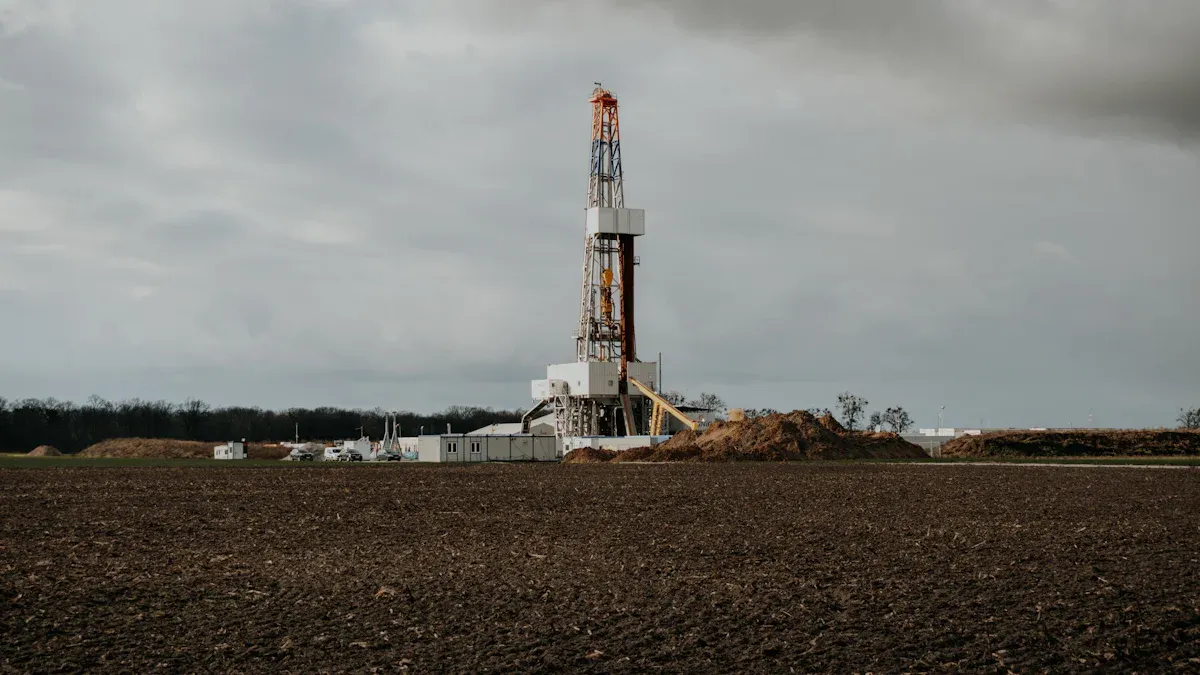
Good fluid movement is key for CEGC drilling machines and trenchless rigs. Drag slows down this movement, but Drilling Rigs Low Drag Design Guarantees Flow. This means better fluid movement and enhanced performance. Less drag makes the drill bit stronger, helping it work more efficiently. CEGC designs prioritize low drag, ensuring steady fluid flow. This commitment to reduced drag optimizes fluid flow, leading to superior performance. Ultimately, Drilling Rigs Low Drag Design Guarantees Flow, resulting in excellent fluid dynamics.
Key Takeaways
-
Low drag design helps drilling fluid move easily. This makes drilling faster. It is also more effective.
-
Smooth parts and special materials are in drilling rigs. They reduce drag. This saves energy. It makes equipment last longer.
-
CEGC drilling rigs use low drag design. This ensures steady fluid flow. It improves overall drilling performance.
Understanding Drag in Drilling Operations
What is Drag in Drilling Systems
Drag is a force. It slows things down. In drilling, drag happens in two ways. Mechanical drag is like rubbing. It comes from the drill pipe. The pipe rubs the borehole. Fluidic drag slows down liquids. This happens when drilling mud moves. Both types of drag make things harder. They make drilling less effective.
Sources of Drag in Fluid Circulation
Fluid moves inside the drill string. It also moves in the space around it. This path is like a pipe. The fluid rubs against the pipe walls. This causes friction. Bends in the pipe also cause drag. Changes in pipe size add to drag. The mud itself can cause more resistance. This resistance affects how fluid flows.
Impact of Excessive Drag on Flow and Pressure
Too much drag harms fluid flow. It makes the drilling mud slower. Pressure also drops a lot. This means less power gets to the drill bit. Pumping becomes hard. The whole system struggles to keep flow steady. This loss of flow wastes energy. It makes drilling slower. This affects the whole operation.
Drag's Role in Common Drilling Pain Points
High drag causes many issues. The drill might go off course. The drill pipe can get stuck. Fluid might not work well. This means rock pieces are not removed. Equipment can get damaged. Good pumping is important for flow. Less drag helps fix these problems. Reducing drag in pipes is important. It is also important for gas lines. Knowing about drag in fast flow helps. Reducing drag in gas lines shows its value. Less drag in gas lines and drilling helps flow. It makes drilling flow better.
Low Drag Design Principles for Flow Improvement
Streamlining Components for Reduced Turbulence
Smooth shapes help fluid move. Engineers make parts smooth. They remove sticky-out parts. This stops fluid from swirling. Wider paths let more fluid flow. This design cuts down drag. It makes fluid flow smoother. This helps flow a lot.
Advanced Materials and Low-Friction Coatings
Special materials make surfaces slick. Coatings reduce rubbing inside pipes. These coatings go on inner parts. This helps fluid flow easily. It lowers drag. Better materials mean better flow.
Optimized Internal Geometries for Unrestricted Flow
Pipe shapes inside matter much. A smooth path helps fluid flow. Pipe size stays the same. This lets fluid move freely. It is key for good flow. This also helps pumps work well.
Innovative Tool Joint Design for Seamless Connections
Tool joints link drill pipes. New designs make them smooth. Connections are flush. No steps are inside the pipe. Sloped edges guide the flow. This stops swirls at joints. It helps keep flow good. This design lowers drag.
Integrating Drag-Reducing Additives for Enhanced Flow
Sometimes, chemicals go into mud. They are drag reducing agents. They are also drag reducing additives. These chemicals help fluid flow. They are often long chains. For example, water-soluble polyethylene oxide helps water. Oil-soluble polyisobutylene helps crude oil.
These agents cut down swirls. They affect small fluid spins. This lowers rubbing on pipe walls. A little bit helps a lot. This is a physical effect. Molecules do not change fluid. They just change how it moves. This makes flow much better.
Drag reducers are key in drilling. They cut flow drag in pipes. This is vital for subsea work. It stops pipe blockages. Common ones are polyethylene. Others are α-Olefins. Latex reducers are also used. Polyether is for oil muds. Tylose and microencapsulated polymers are examples.
These reducers are long chains. They boost flow by cutting swirls. They change swirl sizes. This cuts fluid drag on walls. Polymers work with swirls. They work near pipe walls. This lowers drag. They can also line up. This limits swirls. Some make thin films. These lubricate the fluid. This helps flow improve. These additives are like pipeline helpers. They make pumping better. This ensures good flow.
CEGC's strong frame helps too. It cuts down shaking. This helps fluid flow. Less shake means less fluid drag. The Anti-Stall Powertrain benefits. Less resistance helps it work. This keeps flow steady. It helps cut overall drag. These ideas ensure better flow. They lead to big flow gains. They make pumping easier. This is key for good drag cut. These agents are vital. They are true drag reducers. They are important additives. They are like pipeline helpers. They help keep flow. This is for better flow. This helps cut drag. It makes pumping better. These agents are key. They are strong drag reducers. They are good additives. They are like pipeline helpers. They ensure smooth flow. This is for better flow. This helps cut drag. It makes pumping very good. These agents are key. They are great drag reducers. They are important additives. They ensure steady flow. This is for better drag cut. It makes pumping highly good. These reducers are vital. They are important additives. They ensure best flow. This is for better drag cut. These reducers are key. They ensure steady flow. This is for better drag cut. These reducers are basic. They ensure sure flow. This is for better drag cut. These reducers are needed. They ensure top flow. This is for better drag cut. They are used in a pipeline. They are used in a pipeline. They are used in a pipeline. They are used in a pipeline. They are used in a pipeline. They are used in a pipeline. They are used in a pipeline. They are used in a pipeline.
How Drilling Rigs Low Drag Design Guarantees Flow
Low drag design helps in many ways. It helps directly and indirectly. Less resistance lets fluid move faster. This happens with the same pump pressure. This moves rock pieces better. It also cleans the drill bit well. Pressure losses become much smaller. This frees up power at the drill bit. This power is key for good drilling.
Maximizing Flow Rates and Minimizing Pressure Losses
Less drag means drilling fluid moves faster. It also loses less pressure. This is important for good pumping. When fluid flows easily, the pump works less. This keeps pressure high where needed. More power reaches the drill bit. Studies show big improvements. For example, drag reduction can cut pressure drop a lot.
|
Application Type |
Metric |
Original Value |
Value with DRPs |
Percentage Change |
|---|---|---|---|---|
|
Oil-water two-phase flows |
Pressure drop reduction |
N/A |
N/A |
~65% reduction |
|
Jet pump (suction flow rate capacity) |
Suction flow rate |
2.9 GPM |
3.8 GPM |
31% increase |
|
Jet pump (head ratio efficiency) |
Head ratio efficiency |
22.3% |
50% |
124% increase |
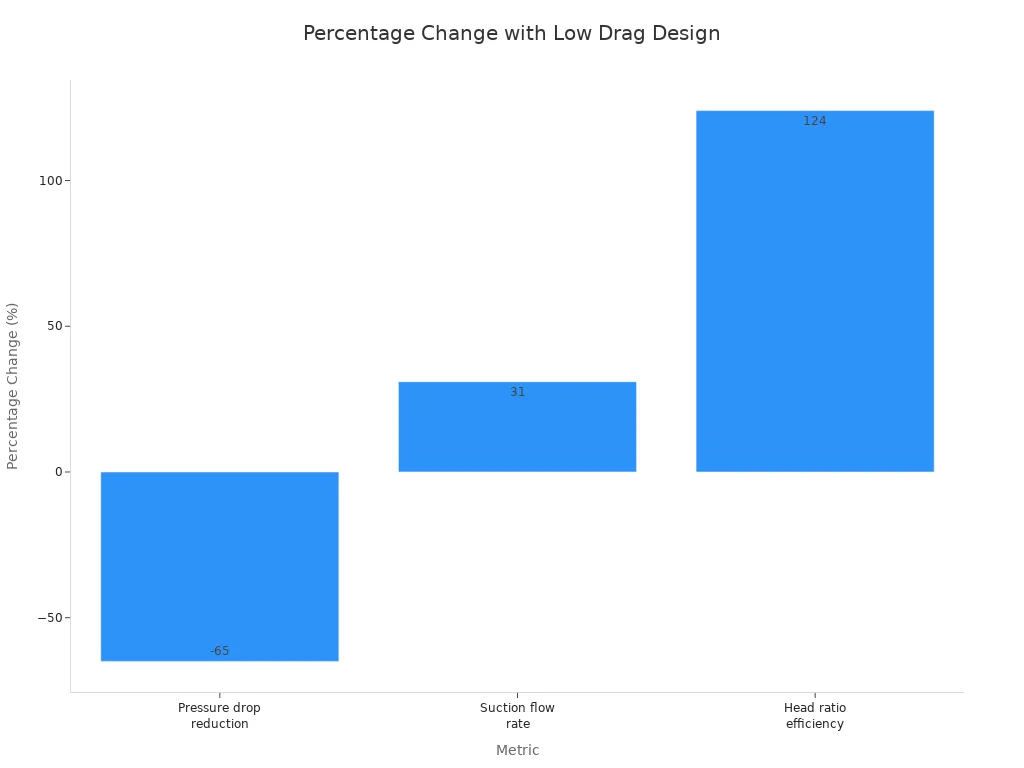
This chart shows how much drag reduction helps. It boosts suction flow and efficiency. This makes the drilling system work better. This is why drilling rigs low drag design guarantees flow.
Enhancing Hydraulic Efficiency for Cuttings Transport
Better hydraulic efficiency moves rock pieces. These are from drilling. Low drag design makes fluid flow smoothly. This helps fluid carry rock pieces away. It stops them from settling. This keeps the wellbore clean.
-
Aerodynamic Wing Design: This design lifts rock pieces. It helps move them out.
-
Four-Nozzle Hydraulic System: This system uses special water sprays. These stop rock pieces from piling up.
-
Strategic Blade Spacing: This leaves room for debris to leave.
-
Precision-Engineered Nozzles: These nozzles create specific fluid speeds. They work with the blade design. This cleans the wellbore well. They keep rock pieces floating. They stop them from settling in slow spots.
-
Advanced Hydraulic Design: This design makes sure pressure is right. It keeps spray speeds steady. This stops rock pieces from piling up.
-
Flow Directors: These guide the drilling fluid. They cover all cutting areas. They also reduce pressure loss.
-
Laminar Flow Characteristics: The tool makes these better. This makes rock pieces float better. It also moves them with less energy.
Low-drag tools, like the Four Blade Wing Oil Drilling Tool, improve fluid power. It uses air-like shapes and smart nozzle spots. This moves rock pieces very well. It lifts and removes them. It stops them from building up. It cleans the wellbore completely. This way of working moves rock pieces better. It works better than old designs. This is true even in tough spots. These include angled drilling and curved wells. It works in different rock types. This includes oil and gas, heat from earth, and coal gas. The tool cleans the hole well. It does this even at fast drilling speeds. It works with different mud weights and flow rates. This shows it is flexible. It cleans well in many drilling jobs. This steady flow is key for drag reduction.
Improving Wellbore Stability and Pressure Control
Steady mud movement is important. Low drag design makes this steady. Constant flow keeps wellbore walls strong. It stops them from falling in. It also helps control pressure in the well. This lowers the risk of frac-out. Frac-out is when drilling fluid leaks into the ground. This can harm the environment. CEGC's Mud Integration & Fluid Management Solution works with low drag design. It helps with pump size. It also makes the fluid path better. This ensures the right fluid amount moves at the right speed. This is key for safe drilling. Good drag reduction helps keep this balance.
Reducing Energy Consumption and Equipment Wear
Less drag means less work for the pumping system. This uses less fuel. It saves energy. When pumps and tools work less, they last longer. This means less damage. Downhole tools also last longer. This saves money on fixes. The drilling rig works better overall. This comes from good drag reduction. It makes the whole pipeline of work better.
Boosting Drilling Performance and Reducing Downtime
Low drag design makes drilling faster. This is called a higher ROP. The drill bit works better. It cleans better. This lets it cut rock faster. Fewer problems happen. This means less wasted time. Wasted time is when drilling stops. It costs money. By reducing drag, drilling rigs low drag design guarantees flow. This makes work smoother. It makes everything work better. It also makes the pipeline of work more reliable. Drag reducers help a lot. They ensure constant flow. This helps avoid costly delays. This makes pumping more effective.
Low drag design is key for Horizontal Directional Drilling (HDD) machines. Drilling rigs low drag design guarantees flow. This makes fluid flow well. It fixes problems like going off course. It also stops pipes from getting stuck. It makes things work better. It saves money. It makes work safer. Drag reduction helps the environment. CEGC Trenchless Drilling Rigs use this idea. They have great drag reduction. This makes fluid flow better. This helps them work best. It makes more money. Drilling rigs low drag design guarantees flow. It does this with great drag reduction. This means steady flow. It makes everything work better. This steady flow is very important.
FAQ
What is low drag design in drilling?
Low drag design makes drilling tools smooth. It takes away rough parts. It removes sharp bends. This helps drilling fluids move well. It lowers resistance inside the system.
Why is this design important for drilling operations?
This design makes drilling work better. It helps fluids move rock pieces. It also saves power. Tools last longer with less resistance.
How do CEGC rigs use low drag principles?
CEGC rigs have smooth parts. They use new materials. This makes fluid move best. It makes drilling work better and more reliable. 🚀


