
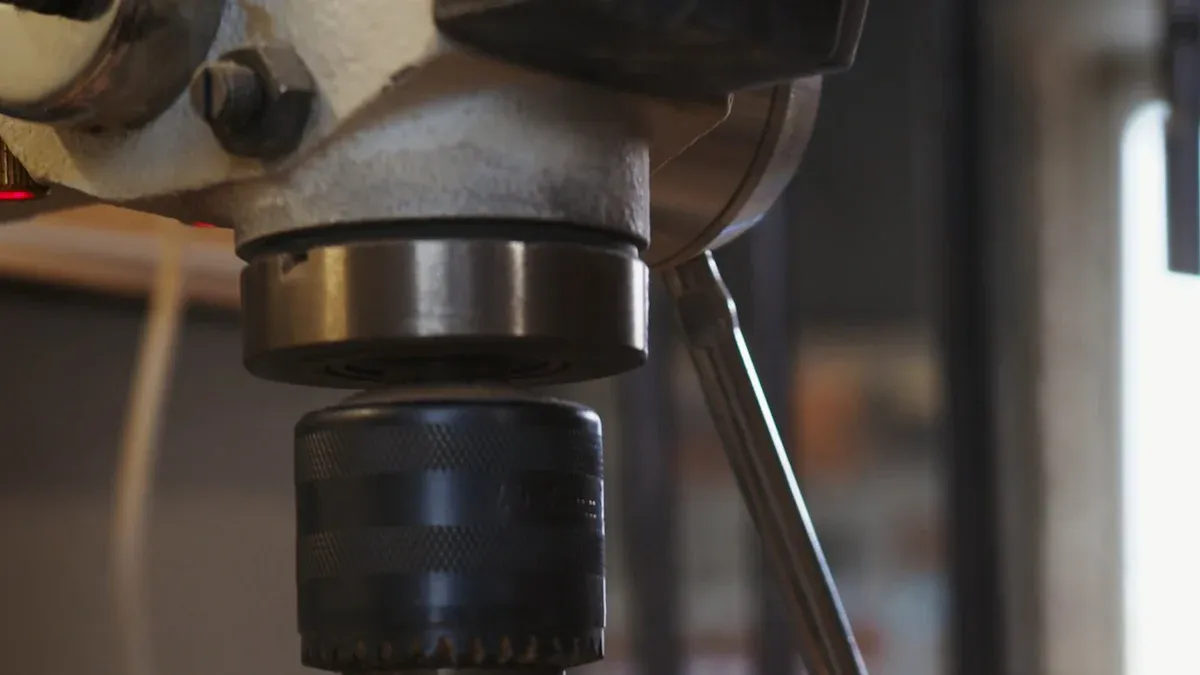
Achieving a smooth flow in horizontal directional drilling is paramount for project success and profitability. The Directional Bore Machine Smooth Flow Solves Issues by enhancing operational efficiency, controlling costs, mitigating risks, and ensuring environmental compliance. A high-performing directional drilling machine is crucial for these benefits. CEGC's advanced technology ensures seamless drilling operations for every project.
Key Takeaways
-
Good plans and strong guides keep the drill straight. This stops expensive errors.
-
Right tools, a strong engine, and smart fluid use make drilling easy. It also means less stopped time.
-
Trained workers and regular machine care are key. They make drilling projects safe and good.
Making Horizontal Directional Drilling Better to Fix Main Problems
Stopping Drills from Going Off Course and Failing Crossings
Bores that are not straight cause a lot of extra work and fines. This is especially true for important crossings. You face problems when you hit unexpected things. These can be like dirt or rocks. Soft ground also makes it hard to steer correctly. Picking the wrong drill parts or using too much weight can make the drill go off course. How you drill and what the ground is made of. Things like how dense or hard the ground is. These directly affect how accurate your drill is.
High risk of drilling failure. This includes going off course. Pipes getting stuck. Or the hole collapsing.
Decisions made when setting up the job cause almost 70% of failed drills. This includes not checking the site enough. Not handling drilling fluid correctly. Using the wrong equipment. Not planning the bore well. And bad communication. Good planning beforehand and a strong guidance system are key to success.
Fixing Stuck Pipes and Reducing Downtime
When pipes get stuck, it costs a lot to fix. It also wastes a lot of time. High twisting forces damage rods, threads, and tools. This makes you lose more time. Several things cause pipes to get stuck. Too many cuttings are a big reason. Cuttings build up and stop the pipe from moving. Shale can swell up. This squeezes the pipe. The drill hole can collapse. This happens in weak ground. Ground that flows like plastic can deform around the pipe. Blockages in drilling, pipes sticking from pressure differences. And pipes getting stuck on physical obstacles also trap the pipe. You must handle these risks. This avoids expensive downtime.
Managing Supplies and Tool Wear in Drilling
Bad drilling and wrong tools cost more money to operate. Reamers and cutters wear out fast. This makes each meter drilled more expensive. Poor hole cleaning or holes that are too small. These happen from using the wrong tools. This increases the risk of problems when pulling back. Changing tools often means less time working. It also means less overall production. Making your drilling process better directly lowers these costs.
Improving Fluid Performance and Lowering Frac-Out Risk
Bad drilling fluid causes problems with rules. It also means more cleanup. You might lose tools down the hole. Tools like sub savers and drive chucks wear out fast. This shows there is too much pressure. You might also have trouble getting a signal. Or the signal might be weak. Your horizontal directional drilling machine might use too much fuel. Or show unusual performance readings. These can mean there are fluid problems. Not letting enough fluid flow through the sonde housing. This makes it overheat and wear out. Not using enough drilling fluid is common. This is often to save on disposal costs. Bad drilling fluid performance can cause problems with slurry. This happens when fluid amounts and pressures are not figured out right. A thick slurry increases pressure down the hole. Thicker fluid needs more pump pressure. The amount of fresh fluid pumped changes the solids in the old fluid. This affects how well it can carry cuttings. Managing the filter cake well helps keep the hole open. It also controls fluid loss. This helps you stop accidental spills. It also keeps the job site stable. This directional bore machine smooth flow fixes problems with fluid management.
Ways to Make Horizontal Drilling Smooth
To make your horizontal drilling work well, you need good technology and smart methods. You can fix common problems. This helps your project succeed. This way, your directional bore machine smooth flow solves issues every time.
Exact Guidance for Steady Drilling
Good drilling is key for successful horizontal jobs. New directional drilling machines use smart guidance systems. These keep your bore straight. These systems give important facts. They use tools to show tilt and roll. This helps you steer the drill bit right.
You can check the pilot bore's spot very well. The system figures this out. It uses tools and magnetic or gyro sensors. It adds this to the depth measured. This makes a constant path. You can check the spot found by tracking. This means measuring from outside points. A signal from a tool makes it more exact.
New tech, like gyro tools, has made HDD surveys much better. This means more exact work. New HDD training tools let you learn easily. They use fake reality and real controls. This helps workers learn without breaking tools. These tools give instant feedback. They track progress and make reports.
Bore planning apps use GPS and pictures from above. They also use smart math tools. These help you make good bore plans. You can map pipes. You can figure out hard shapes. You can make detailed papers. The Vermeer BorePlan app is a good example.
Tru-Tracker tech came out in the 1980s. It made HDD much better. This helped the industry grow. Walkover systems are good for small HDD rigs. They are also good for shallow crossings. They quickly show depth and direction. Magnetic guidance tools work for deeper and bigger crossings. They use tools to find direction. But magnets can mess them up. Gyro tech works well where magnets are strong. It is complex and costly. It needs power. It can also drift and break. The DART tool mixes gyro tech with surface tracking. This makes underground checks more exact and steady.
Tools that measure while drilling are key for modern drilling. They gather facts about the drill bit's spot. They also get other facts. This helps make choices right away. New checking tech, like walkover systems, helps find the drill bit's exact spot. This makes changes easy. Real-time checking systems let drillers make smart choices. This happens while drilling. HDD software is vital for better accuracy. It uses live facts from tools. This helps plan and change the path. Drilling improvement software looks at live facts. This lets workers make quick changes. This keeps the drill bit on track. GPS and tracking make the drill bit more exact. They also help plan the path better. Smart software looks at hard ground facts. It uses math and learning. This helps plan paths. It also helps guess problems. It suggests good drilling ways.
Strong Engine to Lower HDD Downtime
A strong engine is key to reduce hdd downtime. It also makes sure work keeps going. Your directional bore machine smooth flow solves issues by giving steady power. The Fiat Powertrain Technology N67 engine can go 600 hours. This is before an oil change. This means fewer stops for service. It also has tech that needs no care after use. This means even less need for service. Its steady power and tough build mean it works well. This is true even in tough ground. It works well in hard conditions. It stops sudden breakdowns. It makes daily work better.
SGR's N Series gear parts are for strong turning in HDD rigs. This is key for handling uneven loads. It is also key for muddy spots. They greatly lower service downtime. This is because of good gear making. They also have special seals. These parts did not break for 18 months. This was during hard use. This made work better and more reliable.
The part that sends signals is key for finding your way underground. It keeps the signal sender safe. This sender sends radio signals. These are for finding tools. Picking this part well makes a big difference. It helps with how well it works. It helps with what it can work with. It helps with how fast the project goes. Things like ground type and bore depth matter. So do other pipes nearby. The size of the pilot hole also matters. It must work with your other tools. If it does not match the rig's push power. Or if the threads are wrong. This can overload the engine. This causes problems and breaks tools. Different types of these parts exist. Some load from the side. Some load from the end. They are for different jobs. They change how easy it is to fix. They change how they handle turning stress. They change how much drilling fluid they can hold. They also change how they work in different ground.
The engine is your main power source. Problems like getting too hot. Or fuel issues. Or broken parts can stop work. Checking and caring for it often is key. The fluid system moves parts. Leaks from old seals. Or broken hoses. Or loose parts make it work less well. They also cause danger. Checking and caring for it often stops leaks. The drill bit is key for good drilling. It wears out from rubbing. Or from rough stuff. Or from high heat. This makes it drill slower. It also makes bad holes. Picking the right one and checking it often is key. Pumps and winches are vital for moving mud. They also lift things. They wear out from constant use. Or from high-pressure fluids. This can make mud flow less. It can also make lifting harder. Oiling and checking them often makes them last longer. The drill string has pipes and tools. It gets a lot of stress. It gets a lot of twisting and shaking. This makes it tired and worn. It also rusts. Checking it often. Testing it without breaking it. And using good stuff is vital. The mud moving system is key for cooling. It is also key for oiling. It takes out cuttings. It keeps the hole steady. Problems like losing mud. Or dirty mud make drilling worse. They also hurt the hole. Good stuff and checking are needed. The steering and guidance system makes sure the hole goes where it should. Broken sensors. Or bad talking lead to wrong hole spots. Checking it often. Caring for it. And good talking tech are important.
Better Tools for Good Drilling
Better tool design means less wear. It also means better drilling. Special designs make downtime less. They fix problems like wear. Or tools not fitting. This makes work smoother. It means fewer stops. Special tools are made to last. They are made for certain jobs. They make tools last longer. They make less stress. They make fewer breakdowns. This saves time for fixing things. Special tools work best for certain jobs. This means faster drilling. It means steady work. It means doing the job right the first time. This means less redoing work. It helps you finish on time.
Better cutter shapes exist. They are like chisels, cones, or wedges. They are made for certain rocks. This makes cutting better. It makes drilling faster. It makes them last longer. Better cutter stuff exists. It is like fake diamonds. These are very hard. They last long. They handle heat well. Better bit setups mix different cutter types. They also mix different stuff. This makes them steadier. It makes less shaking. It makes more control while drilling. This means better work. It means less downtime. New tech adds sensors. It adds ways to send info. It adds live data checking. This shows what is happening while drilling. It shows how much the cutter is worn. This helps make smart choices. These choices make drilling better. They maximize downhole production.
Smart Fluid Care for Steady Work
Good drilling fluid management is key for steady work. Checking drilling fluid facts live makes sure it works with the ground. This stops bad chemical reactions. These could cause harm. Finding strange pressure. Like losing fluid. Or getting too much fluid. This makes you act fast. This lowers harm risks. Live checking helps make drilling fluid right. This includes how thick it is. How sticky it is. How acidic it is. How salty it is. And how well it filters. You change these based on the ground. You also change them based on pressure. It helps pick the best drilling fluid. This is based on rock type. It is based on heat. It is based on how well it works with other things. It makes sure drilling fluid moves enough. It moves all the time. It controls how fast you drill. It steers the path. This stops fluid from going in. It stops swelling. It stops spreading. Or it stops stuff from settling. These can harm the ground.
New drilling fluid checking systems use smart guesses. They help find and stop dangers. These smart systems track key facts. Like pressure. How fast it flows. How thick it is. And how heavy the drilling fluids are. Smart models look at old facts. They find patterns. They guess problems before they happen. This changes the work from fixing problems to stopping them. This way helps guess and lower risks better. It lowers problems like blowouts. It also lowers broken tools.
A good mud system is vital to maximize downhole production. You need a fluid cleaning system. This takes out cuttings. It keeps your mud good. Taking out cuttings well is key. Checking the fluid coming back live helps you manage your mud well. Bentonite makes things slippery. This is important for less rubbing. Pumps are vital for moving mud well. A good mud recycling system helps you use your drilling fluid again. This means less waste and less cost. A clean drilling fluid helps keep the hole steady. It stops frac-outs. This keeps your jobsite clean. It also keeps it following rules.
Good Workers and Rig Care
Good workers and careful rig care are a must for smooth work. Ray, a worker, said that more than just doing the work, you need to know about tools. You need to know about mixing stuff. You need to know about drilling math. You need to set up clear ways to work. This is for good work and safety. He also said it is important to check the machine daily. You also need to check where pipes are. This is done by digging small holes. All this is taught in a two-week HDD program.
Lisa said worker training made them know more. It made them feel more sure. This made daily work more planned. It made it better. This also made them ready for harder jobs. These include putting in bigger pipes. Or working in tough ground. Andreios added that real directional drilling training helps workers learn each other's jobs. This makes sure everyone knows the same things. This is true no matter who is working. Or what the job is.
Workers need to be sharp. They need to be able to change. Experience is key. But being willing to learn. And change for unexpected ground is just as key. Constant training. And smart, useful ways are vital. This is for better results. It is for keeping projects on time. This is extra true because of dangers from underground pipes. Full site checks. And detailed maps are needed.
|
What it is |
What happens |
How much |
|---|---|---|
|
Not following safety rules |
Accidents at work |
|
|
Not checking the ground right |
Drill breaks |
25% |
Checking tools often stops them from breaking. It stops delays. It stops surprise costs. Staying up to date on ways and tech helps a lot. This is done through training. Knowing about ground types. And doing good ground checks lowers risks. It stops drill breaks. Good talking among workers. This includes regular talks about safety. This makes everyone more aware. It helps them work together. Following safety rules. Like wearing safety gear. This greatly lowers accident risks at the jobsite.
Vermeer directional drills have care plans in their books. These show what to do daily. They show what to do after 50, 100, 150, 250, 500, and 1,000 hours. Daily general care is suggested at the end of each day. This includes oiling. Checking fluids. And walking around. This lets you clean. It lets you fix problems right away. It stops small problems from getting big.
You should walk around. Look at the frame. Look at covers and guards for leaks. Check and fill engine oil. Check coolant. Check fluid levels. Check hoses and belts for rubbing. Or cracks. Or looseness. Make sure clamps and parts are tight. Check battery condition. Check connections. Check if lights, alarms, and the stop button work. Check track tightness. Look for broken or missing rollers. Check if safety locks work. Look at pipes and threads for damage. Then, clean drilling fluid. Put on good thread stuff. Check if the sender and receiver work. Do needed checks. Briefly push and pull. Turn it. Check for strange shaking. Or sudden pressure. Or slow moves. This helps boost hdd uptime.
Change filters, seals, and hoses that wear out often. Do this based on checks. Get prices for parts that are almost worn out. This helps plan spending. For winter and storage, check coolant protection. Check fuel. Keep batteries good. Stop rust on threads and pipes. Follow storage tips. This lowers flat spots. It lowers rust. It lowers power drain. For starting before the season, do a final check of pressures. Check flows. Check alarms. Check functions. Check important parts again. Run a short test. Write down all you find. This makes a clear report.
When making a plan for stopping problems, start with what the maker says. Then, make the plan fit the exact things you see daily. And yearly at your jobsite. While fixing things in the field is sometimes needed. Waiting to do full planned care can cause big problems. Even though most care follows maker plans. Changes for special needs. For how much it can take. For how much it is used. For where it is. For business parts. And for service types. These can mean you need to do care more often. This is for some parts. Or for some rigs. This is more than the maker says. This makes sure your jobsite keeps working well.
Smooth flow is very important. It helps with horizontal drilling. It makes drilling successful. It saves money. It is good for the environment. Your directional bore machine fixes problems. It uses smart ways. These make drilling better. They help projects turn out great. Look at how you drill now. Use these ideas. This will make drilling cheaper.
FAQ
How does a good fluid cleaning system improve your drilling?
A good system takes out solids. It keeps your drilling fluid working best. This system makes sure the fluid is always good. You stop expensive breaks in work. It also keeps your tools safe.
Why is effective drilling fluid management crucial for success?
Good fluid management stops spills. It keeps the hole steady. This system is better for nature. You make your drilling fluid work its best. A strong cleaning system is very important for your work.
What role does a fluid cleaning system play in maintaining drilling fluid?
A fluid cleaning system always cleans drilling fluid. It takes out bad stuff. This system makes sure the drilling fluid is clean. You get a better hole. It also makes your drilling fluid last longer.


