
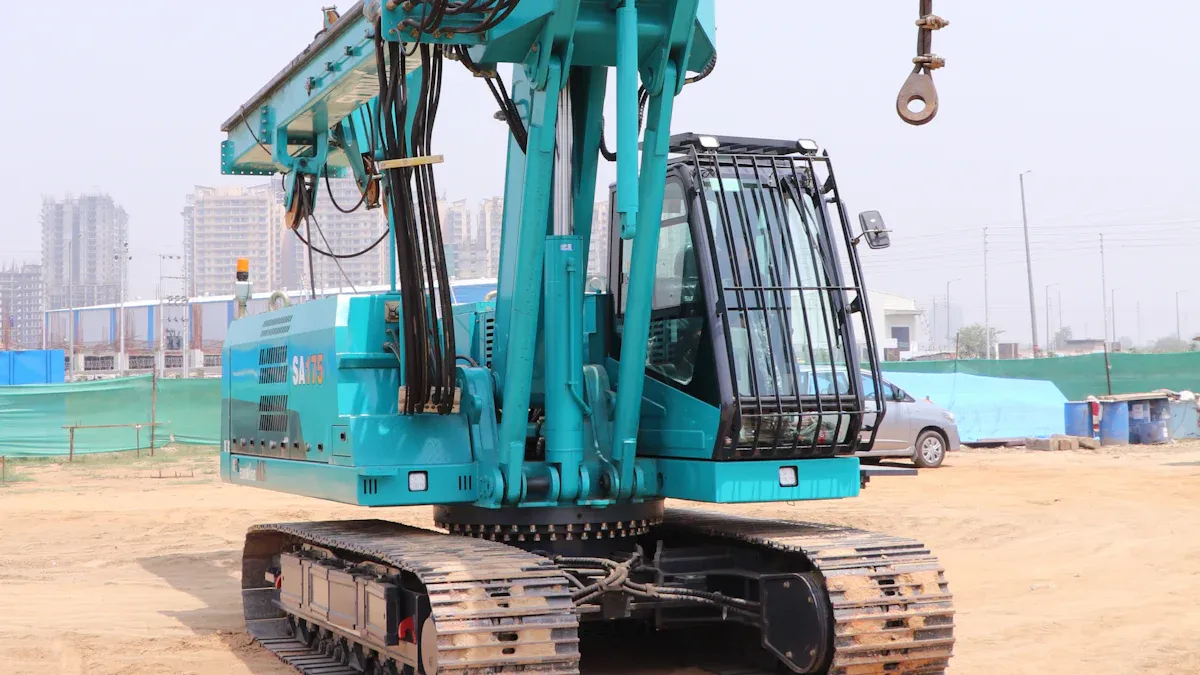
You face significant challenges in horizontal directional drilling, specifically friction and heat. These issues can lead to equipment breakdown and increased costs for your drilling projects. This article explores how a Horizontal Drill Reduced Friction Prevents Heat. You'll discover practical strategies for your horizontal directional drilling machine, including optimizing your drill fluid. This not only enhances drilling efficiency but also helps CEGC users avoid stuck pipe.
Key Takeaways
-
You can make drilling fluids better. This helps reduce friction and heat. It also helps prevent pipes from getting stuck.
-
You can improve drill parts and design. This includes special coatings and tools like the Agitator system. These changes lower friction and make drilling smoother.
-
You must use smart drilling methods. This means controlling drill speed and pressure. It also means checking equipment often. This helps your tools last longer and makes drilling work better.
Better Ways to Reduce Friction in Drills
Making Drilling Fluids Better for Friction and Heat
You must control friction and heat. This happens when you drill. The right fluid is very important. This fluid does more than move dirt. It also greases and cools your drill. You can lower friction a lot. You can stop heat from building up. Just make your drilling fluid better.
Think about different greasing liquids. Some are man-made polymers. Others mix starch and grease. Tiny lubricants also work well. Some come from oil. Others come from plants. Natural things like henna extract help. Wild Jujube Pit Powder also works. Okra powder is another good choice. Eco-friendly greases exist. They use oil from living things. These are good for the Earth.
Mixing mud well is key. Managing the fluid is too. You need to control how the fluid flows. This means its thickness. It also means its gel strength. This stops the fluid from working badly. It also lowers the risk of cracks. Good fluid helps lower twisting. It also stops pipes from getting stuck. Pick the right fluid for each rock type. This makes drilling go smoothly.
Making Drill Parts and Design Better
You can also lower friction. Improve your drill string parts. Coatings on drill pipes help. They have low friction. TIN-coated drills are one type. Rollers and centralizers keep the drill straight. This means less rubbing on the hole wall.
Special protectors also help. They do not spin with the drill. WWT Non-Rotating Protectors™ work well. They cut spinning friction a lot. They can reduce it by 90%. These protectors make a fluid cushion. It is between the drill and protector. The inside part moves drilling fluid. This lowers friction even at slow speeds. It works with many fluid types. Some protectors use slick outside parts. WWT’s Super Slider Protectors do this. This lowers sliding friction even more.
Making your Bottom Hole Assembly better helps. A good BHA makes spinning smoother. It lowers drag when drilling. The Agitator system is a new tool. It makes the drill shake back and forth. This system greatly lowers drag. It helps control the drill's direction. This lets you drill longer wells. It makes hitting targets easier. The Agitator system also makes drills work better. It drills faster. It makes the drill last longer.
The Agitator system makes fast shakes. It does this without losing pressure. This makes the water flow very well. It gets back pressure. This means more power for the motor. It helps steer the drill better. It also helps it slide better. It drills faster too. This system keeps signals clear. These signals tell you where you are. Shaking back and forth lowers friction more. It is better than side-to-side shakes. This back-and-forth motion goes further. It goes along the drill string. Think of a phone shaking on a slope. It slides down. The shake breaks the friction. The same idea works for your drill. Shaking breaks friction in the hole. This lets it move. It helps reduce friction and heat.
Exact Guiding and Steady Systems
You need exact control. This makes drilling work well. New guiding systems help you. They lower friction. They stop problems. One system matches the load. It controls pushing and pulling. It controls spinning and feeding. This makes things work smoothly.
Strong frames are also important. So is lining up the carriage. They lower shaking. They stop the drill from wandering. This prevents the hole from going off. It also stops breaking through. These systems help drilling go smoother. They lead to less friction. This means your drill fluid works better. You control your drill machine better.
Operational Practices to Prevent Heat and Maximize Efficiency
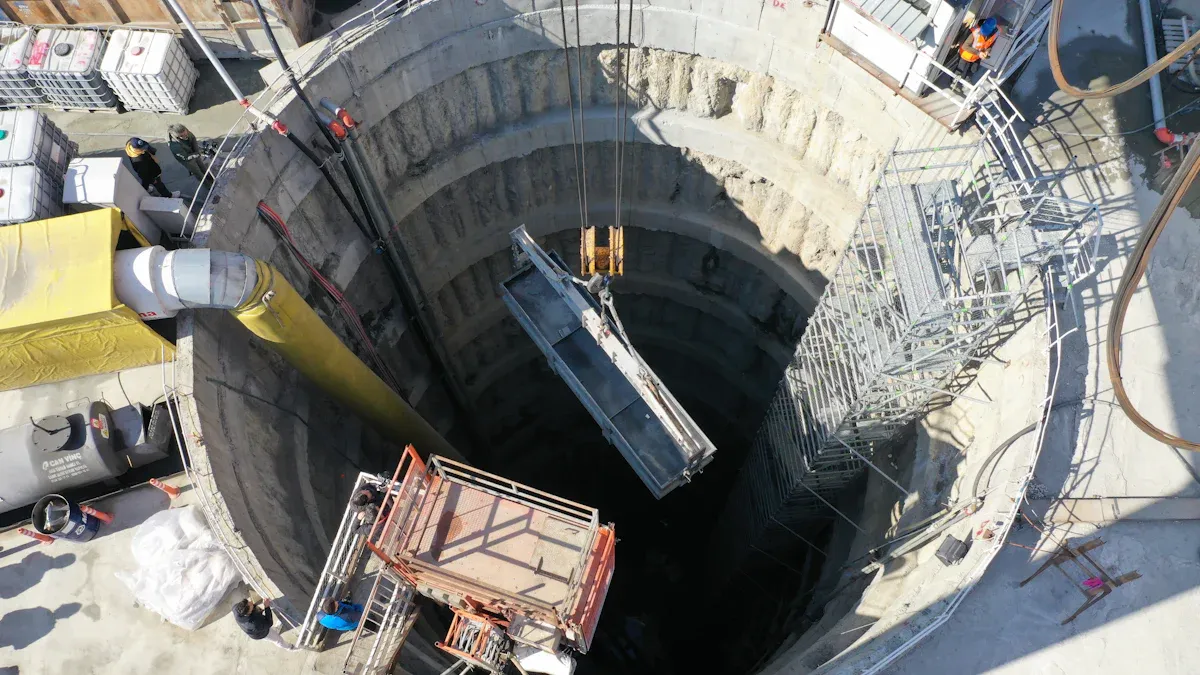
You can make smart choices during drilling operations. These choices help prevent heat. They also make your work more efficient. Your rig's abilities play a big role here.
Controlled Drilling Parameters and Techniques
You must manage how you drill. This includes the weight on your drill bit (WOB). It also includes how fast it spins (RPM). You also control the pump pressure. These settings change based on the drill's size and the ground material.
For hard rock, you use more weight. You spin the drill slower. This table shows you some good starting points:
|
Rock Type |
WOB (lbs) |
RPM |
|---|---|---|
|
Hard Rock Formations |
20,000 - 40,000 |
60 - 120 |
|
Medium Rock Formations |
15,000 - 30,000 |
120 - 180 |
When you drill in hard rock, you apply a higher WOB. This is usually 20,000 to 40,000 pounds. You combine this with a lower RPM, from 60 to 120. This method pushes the drill into the rock well. It also reduces shaking. It prevents damage from impacts. It helps manage heat where the drill meets the rock. This stops the cutters from wearing out too fast. For medium rock, you use a balanced approach. You use moderate WOB, from 15,000 to 30,000 pounds. You use a higher RPM, from 120 to 180. This lets the drill cut more aggressively. It makes drilling faster. It helps remove cuttings better. It does not put too much stress on the drill bit. These settings are key for good performance. They also make your drill bits last longer. They manage wear and heat. This helps reduce friction.
You also need to adjust pump pressure. This prevents overheating. It makes drilling better.
-
Make sure air can move around the pump motor. This stops it from getting too hot. This is true even if the pump is underwater. Check the motor temperature often. Fix any signs of overheating quickly.
-
Run the pump at its best efficiency point (BEP). This gives you the best performance. It stops problems like cavitation. Cavitation happens when the pump runs too slow. Too much strain on parts happens when it runs too fast. Change how the pump runs. Adjust its speed or impeller size. This helps it match the BEP.
You must apply pressure when drilling. If the drill spins freely, it can damage the diamonds. This causes overheating. It also makes the bit glaze over. Start the water flow before you start the drill motor. This stops water jacket seals from overheating. It keeps them from becoming brittle. If you hit rebar, lower the pressure by one-third. Let the drill bit cut naturally. Do not force it. Keep the water flow right. The slurry should look like 'chocolate milk'. Too much water washes away the abrasive slurry. This reduces diamond exposure. Too little water overheats the bit. It makes it glaze. This hurts performance. Change water flow and RPMs as needed. This keeps drilling conditions good. When you drill through rebar, lower the drill's RPMs. Increase water flow to wash away metal bits. Then, return RPMs and water flow to normal.
You can use techniques to clean the wellbore. This prevents sticking.
-
Ream often. Make slow trips. This helps stop mechanical sticking in small holes.
-
Frequent reaming and early reaming of keyseats smooth the hole. This stops things from blocking the drill string.
-
Wiper trips stir up cuttings beds. These beds settle on the low side of angled or horizontal wells. Fluid alone may not clear them. This stirring helps the fluid remove cuttings from the wellbore.
You need the right cooling. You also need the right drill bits. This prevents overheating.
|
Properties |
Best For |
Specific Use Case (Drill Bit/Ground Condition) |
|
|---|---|---|---|
|
Water-based |
Basic cooling |
Softer materials |
General drilling where heat generation is low |
|
Oil-based |
Enhanced lubrication and cooling |
Tougher materials like metals or concrete |
Applications requiring significant friction reduction |
|
Synthetic |
Balanced water- and oil-based properties, excellent cooling and lubrication, minimal environmental impact |
High-speed drilling operations where performance is paramount |
Demolition tasks involving concrete work, especially with asphalt drill bits |
You can apply coolant in different ways. Flood cooling sends a steady flow of coolant. It goes right to the drill site. Mist cooling uses a fine spray of coolant. This works well for high-speed jobs. Through-tool delivery sends coolant through the drill bit. This ensures cooling. It also prevents clogging. This helps your drill fluid work better.
Proactive Maintenance and Monitoring
You need to monitor your operations in real-time. You can use sensors. This helps you find and fix friction and heat problems. Fiber-optic temperature sensors are very good. They accurately detect wellbore temperature in real-time. This lets you quickly check heat increases. You can also check the status of downhole equipment. This ensures reliable drilling operations. You can use data from many sensors. You can use smart computer programs. These help predict problems like stuck pipe. Stuck pipe can relate to friction.
Real-time drilling sensors and smart monitoring use sensors. These sensors detect temperature, pressure, and hydrocarbons. They collect data from deep in the hole. Smart programs use big data analysis. They recognize patterns. This allows smart monitoring of drilling conditions. They do this by modeling and analyzing data from many sources. This technology helps with drill-bit wear. It also helps with stuck-pipe monitoring. These issues can relate to friction. You must monitor downhole temperature and pressure. This is needed throughout the drilling process. Changes in these directly affect how your drill fluid performs. They also affect wellbore pressure balance. They are crucial for understanding the ground.
You must regularly grease high-friction points. You also need to grease drill rod connections. This stops heat check cracking. It ensures proper torque. This keeps your equipment running smoothly.
Anti-Stall Powertrain and Overload Protection
Your horizontal directional drilling machine needs a strong powertrain. It needs overload protection. This prevents stuck pipe. It also stops torque spikes. High torque output with a wide RPM range helps. Hydraulic load sensing and pressure management are also key. Controlled ramp-up and ramp-down reduce shock loads. This protects rods, swivels, and tooling.
Variable Frequency Drives (VFDs) are very good. They prevent torque spikes in drilling operations. They control speed precisely. They have smooth torque. They automatically adjust motor frequency. This keeps the rotation speed optimal. This stops stick-slip oscillations. These can damage drill bits. In directional drilling, VFDs give exact control over drilling parameters. They stop sudden torque spikes. These spikes could push the drill bit off course. Their fast response allows real-time adjustments. You can adjust weight on bit, rotation speed, and torque delivery. They react to load changes very quickly. This rapid response helps keep drilling parameters steady. It prevents equipment damage from sudden torque spikes. VFDs also keep torque constant over a wide speed range. This is important for different ground hardness. They can deliver maximum torque at zero speed. This gives great starting power. You can also program speed ramps and acceleration curves. This protects the drill string and the ground.
CEGC offers a customizable "rock package." This package has better cooling. It has better filtration. It has heavy-duty components. This is for hard ground. This helps your drill fluid and machine perform better.
Benefits of Effective Friction and Heat Prevention in HDD
Extended Equipment Life and Reduced Consumables
You save money when you reduce friction and heat. Your drill bits, pipe, and downhole tools last longer. This means you buy fewer new parts. You also spend less on repairs. Premium rods with good lubricants work better. They keep their shape longer. Properly lubricated threads do not get stuck. This dual protection helps your drilling go smoothly. It also keeps holes cleaner. This reduces wear and tear. You need to match your parts and lubricants. Think about the ground you are drilling in. Choose parts and lubricants made for those conditions. This stops problems and saves you money.
Improved Drilling Efficiency and Project Outcomes
You will drill faster when you prevent friction and heat. This means you finish projects sooner. You also have less downtime. This helps you meet project schedules. Repeatable accuracy helps you hit your targets every time. This is very important for tough crossings. Faster drilling makes long wells possible. It does not cost more money. This helps you finish wells quicker. Accurate well positioning keeps your drill on track. This reduces mistakes. It also makes your results more predictable. This helps you plan your supplies better. It also cuts down on delivery times.
Enhanced Wellbore Stability and Cost Savings
You get more stable bores when you reduce friction and heat. This means less damage to the ground. It also prevents the hole from collapsing. You save money on maintenance. You also save on replacement parts. You use less energy too. Optimized cutting action uses less energy for drilling. It also reduces heat. Good fluid flow cools your cutters. It removes cuttings. This stops heat from building up. Blade angles can reduce contact with the hole walls. This lowers friction and heat. Three-blade bits have less contact. They need less torque. This saves energy. This helps your drill fluid work better. It lowers your overall costs for drilling.
Achieving horizontal drill reduced friction prevents heat is key. It helps your project succeed. You mix special drilling fluids. You use better CEGC rig parts. You also use smart ways to drill. This makes drilling work better. It makes tools last longer. It lowers risks like stuck pipe. This is for your horizontal directional drilling jobs. Remember, horizontal drill reduced friction prevents heat means better results. It also saves money. New ideas will keep things working well.
FAQ
❓ How do you reduce friction in horizontal drilling?
You make drilling fluids better. You use special coatings on drill pipes. They have low friction. You also use good guiding systems. These things help your horizontal directional drilling machine.
🛠️ What extends equipment life in HDD?
Less friction and heat make tools last longer. This means drill bits and pipes wear out slower. Your tools work for more time. You spend less money on new parts.
🛑 How do you prevent stuck pipe during drilling?
You stop pipes from getting stuck. Use anti-stall powertrains. Use overload protection. Hydraulic load sensing also helps. These parts protect your directional drilling machine.


