

Modern drilling projects are challenging, demanding exceptional accuracy. Drilling Rigs Pinpoint Guidance Guarantees Success by moving beyond outdated drilling methods. This advanced approach ensures that horizontal directional drilling (HDD) operations are highly precise, making sure that drilling rigs are exact. This guarantees success for 2026. The HDD market is projected to grow by 7.5% by 2030, underscoring the critical need for precise drilling, a need that CEGC effectively addresses.
Key Takeaways
-
Pinpoint guidance makes drilling very exact. It stops mistakes. It keeps the drill path straight.
-
This guidance system makes drilling safer. It finds underground utilities. It lowers project risks.
-
Pinpoint guidance helps work get done faster. It makes drilling more efficient. It saves money.
Pinpoint Guidance: Guarantees Drilling Success
Eliminating Bore Deviation and Crossing Failures
Old drilling often has problems. Bores can go off track. This costs money. It causes penalties. Pinpoint guidance fixes this. It keeps the drill path straight. Many things cause bores to go off.
-
Geological factors: Different rock layers exist. Soft and hard beds create stress. This affects the drill bit.
-
Technical factors:
-
Initial deviation factors: The drilling rig foundation might be uneven. Drill pipes can be misaligned. This causes early issues.
-
Factors affecting deviation during drilling: The drill pipe's structure matters. Its stiffness also plays a role.
-
-
Technological factors: These also make drills go off.
Pinpoint guidance solves these issues. It gives reliable accuracy. This is key for tough crossings. These include roads and railways. Rivers and utility lines are also tough. Project success is not just about skill. Precise systems make every drilling operation better. This means drilling rigs pinpoint guidance guarantees success.
Enhancing Safety and Mitigating Project Risks
Safety is very important. All drilling projects need it. Old methods have risks. Hitting underground utilities is dangerous. This can cause bad accidents. It can also cause costly damage. Pinpoint guidance lowers these risks. It helps find buried pipes. It also maps cables. These tools find utilities. They pinpoint their exact spot. Water, gas, and power lines are examples. Surveyors then mark these spots. They use paint or flags. Stakes are also used. This helps avoid them. This happens during digging.
-
They use GNSS for good positioning.
-
RTK services make GPS better. They pinpoint locations.
-
Data tools work with this tech. They map utilities dynamically.
This careful approach makes things safer. It also lowers project risks.
Optimizing Operational Efficiency and Project Timelines
Pinpoint guidance does more. It makes things safer. It also boosts how well work gets done. It helps make projects faster. GPS devices guide equipment. They go to exact spots. This wastes less. It makes blasts work better. This helps work get done well. It also cuts costs. This is true for drilling operations.
Efficient drilling means less time. Less time is spent fixing things. It means fewer delays. The HWDL-500 drilling rig is an example. It is made to work very well. It uses less fuel. It also has better drilling cycles. These designs make it more productive. They cut costs. This makes it a good choice. It is good for big jobs. This shows how drilling rigs pinpoint guidance guarantees success.
Drilling Rigs: Advanced Guidance for 2026 Success
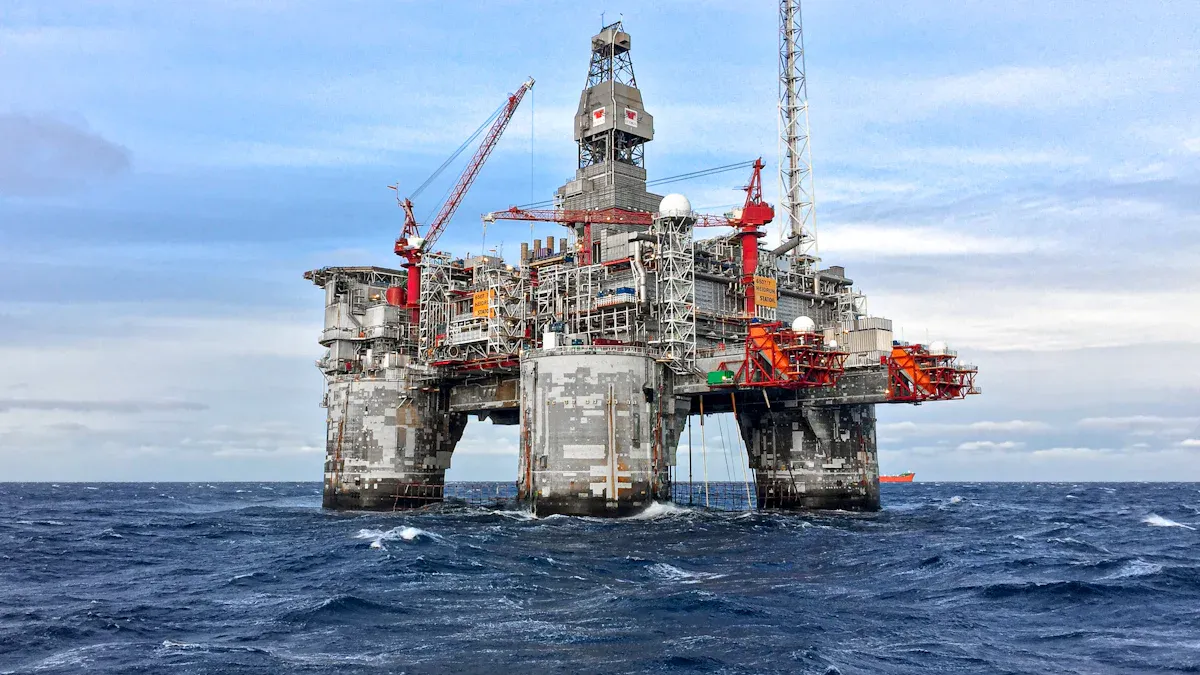
Modern drilling needs more than just power. It needs smart systems. These systems make every bore perfect. Advanced guidance systems help. CEGC offers these systems. They ensure success by 2026. They use new technology. This makes drilling operations better. This includes sensors. It also includes automation. Data analysis is also used. These tools make paths better. They cut down wasted time. GPS systems help underground. They also check soil. This stops problems early.
Precision Guidance and Stability Systems
Accuracy is key for modern drilling. CEGC has a special system. It is called Precision Guidance & Stability System. This system controls many things. It controls thrust and pullback. It also controls rotation and feed. It uses load-matched control. A strong frame helps. Carriage alignment reduces shaking. It also stops the rig from moving. The system is ready for tracking. It can record data. It can also control processes.
Solid-state gyroscopes are important. They help find long laterals. They do this fast. They do not add rig time. These gyros use Coriolis vibratory technology. This places the wellbore better. It also makes drilling more accurate. They are better than old systems. They use advanced sensors. These sensors find inclination. They also find true north. They measure Earth’s spin. This technology works well. It handles shaking and heat.
Solid-state gyros save time. They take surveys quickly. This takes only 32 seconds. It measures Earth's spin and gravity. They collect surveys during pipe connections. This means no extra rig time. They are more accurate than other tools. They do not need regular checks. They also fix errors. This makes the uncertainty smaller. This means less need for checks. It also means less analysis. For example, in the Utica Shale, a gyro system helped. It cut uncertainty by 65%. It fixed the bottom-hole spot by 210 feet. This showed more space to drill. In the Permian Basin, these gyros saved 15 hours. They also saved $28,000. They made uncertainty smaller. This placed the wellbore better. In the Denver-Julesburg Basin, they fixed the bottom-hole spot by 91 feet. They cut uncertainty by 65%. This allowed close drilling. It saved 10-12 hours. It also saved over $60,000.
Precise guidance helps the environment. It uses less land. It uses less water. It also makes less carbon. For example, in the Middle East, it saved 145 truckloads. These were mud shipments. This cut pollution. It also reduced waste. In shallow-water offshore Egypt, it helped. It met drilling goals faster. This meant no need for another well. It cut carbon pollution. In deepwater Brazil, it saved resources. It avoided 10 cement plugs. This saved almost 4,000 barrels of slurry. This saved cement and fuel.
|
Drilling Environment |
Environmental Benefit |
Specific Impact on Footprint |
|---|---|---|
|
Land |
Reduced risk of spillage and blowouts |
Minimizes unintentional hydrocarbon release, reducing land contamination. |
|
Land (Middle East) |
Reduced drilling mud consumption |
Saved 145 truckloads of mud shipments, cutting logistics emissions, manufacturing impact, and disposal burden. |
|
Shallow-Water (Offshore Egypt) |
Achieved drilling objectives with fewer attempts and greater efficiency |
Eliminated the need to drill another well, reducing overall carbon footprint. |
|
Shallow-Water (North Sea) |
Mitigated drilling hazards and avoided prolonged rig time |
Operations resumed in less than 6 hours after a stuck drillstring, significantly minimizing the environmental footprint by avoiding months of rig time. |
|
Deepwater (Brazil) |
Enabled drilling in challenging formations, conserving resources |
Minimized greenhouse gas emissions by avoiding the use of 10 cement plugs (nearly 4,000 bbl of slurry) that would have been needed in conventional drilling, thus conserving cement, fuel, and other resources. |
Choosing Managed Pressure Drilling (MPD) helps. It helps achieve carbon neutrality. MPD lowers environmental harm. It makes drilling operations safer. It also makes them more efficient. This shows how drilling rigs pinpoint guidance guarantees success.
Anti-Stall Powertrain and Overload Protection
Stuck pipe causes big problems. It costs a lot to fix. It also causes delays. Torque spikes can damage parts. Hard ground slows work. CEGC fixes these issues. Their Anti-Stall Powertrain & Overload Protection system helps. It gives high-torque output. It has a wide RPM range. Hydraulic load sensing is key. Pressure management is also key. They make the powertrain work better. They meet flow needs. This keeps the powertrain efficient. It uses less energy. It improves control. It can cut energy use by 19%–70%. It also gives better flow control. This makes it easier to move.
The system also has controlled start and stop. This reduces shocks. It protects rods and tools. An optional “rock package” is offered. This is for hard ground. It has extra cooling. It has better filters. It has more torque. It has strong parts. Strong rock bits are vital. Heavy-duty drill steel is vital. Conical teeth are vital. These are for hard rock. Proper sizes are important. They help handle stress. They break tough rock. Carbide bits resist wear. They stay sharp. Proper connections are needed. They ensure good performance. They reduce shaking. They last longer. Managing heat is critical. Adjust rig RPM for rock. Use cooling methods. Use cutting fluid or air. For mixed ground, use flexible tools. Use combination buckets. Use adaptive teeth. Tooling should be for rock. Drilling fluid depends on tools. It needs proper thickness. It needs gel strength. This helps with cooling. It helps with lubrication. It helps remove cuttings. Reliable equipment is critical. It needs enough pullback. A swivel is good. A hole opener is good. This is for hard rock drilling. A drilling rig with 100,000 lbs of pullback works well. It has 12,000 ft-lbs of torque. It handles many sizes. It handles large utility packages. Patented two-pipe drilling systems improve steering. They also improve drilling in rocky conditions. This is true even at steep angles.
Tooling Compatibility and Durability Packages
High costs are common. Tool wear is common. Fast reamer wear costs more. Tooling mismatch causes problems. It causes poor hole cleaning. It can make bores too small. It risks pullback issues. Frequent tool changes slow work. CEGC offers a special package. It is called Tooling Compatibility & Durability Package. This package works with many reamers. These include blade reamers. They include fluted reamers. They include rock reamers. They include barrel reamers. It gives smoother torque. This reduces shaking. It reduces uneven wear. Easy access makes maintenance faster. The package uses standard parts. It has customizable rod diameter. Tool joint specs are customizable. High-wear protection is customizable. These match geology. They match preferred tooling. This makes work better. It reduces downtime.
Integrated Mud Management Solutions
Bad fluid can cause frac-out. Low flow increases torque. It also risks stuck pipe. Loss of fluid causes problems. It leads to cleanup costs. Unstable mud makes bores unstable. CEGC provides solutions. They are Mud Integration & Fluid Management Solutions. They offer pump sizing help. This considers flow and pressure. It considers length and diameter. It considers formation. They ensure good circulation. They ensure filtration readiness. They promote good mud use. This includes mixing goals. It includes monitoring. It includes adjustments. Customizable mud filters are available. These include small recycling systems. They include large reclaimers. They fit site needs. Their MFS Series reclaimers are efficient. They recycle fluid in HDD. They cut disposal costs. They use less water. They keep drilling operations clean. They keep them productive. Triflo ES Series systems offer good solids control. This cuts haul-off costs. It improves fluid recovery. It ensures environmental rules are met.
The SD-700 inline filter helps. It makes circulation better. It improves filtration. Its linear design helps flow. It increases fluid volume. It reduces wear on equipment. This design makes filter changes faster. It improves surface filtration. It minimizes pump shut-off time. It provides a straight flow path. Halliburton offers drilling fluids. They offer solids control. WellScope offers Intelligent Mud Solutions (IMS). They also offer Filtration. They offer Wellbore Cleanup services. These all help circulation. They help filtration. This advanced drilling technology ensures high efficiency. It also ensures environmental care.
Pinpoint guidance is key. It makes sure drilling success happens in 2026. This technology makes things very exact. It lowers dangers. It saves a lot of money. It also makes all drilling operations work better. This new drilling changes the future of the drilling business. Drilling rigs pinpoint guidance guarantees success. It is needed for great work and trust. This drilling method makes things work better.
FAQ
What is pinpoint guidance in drilling?
Pinpoint guidance uses new tech. It helps drills follow paths. This makes them very exact. It stops mistakes underground.
How does pinpoint guidance improve project safety?
It finds underground pipes well. This stops hitting them by mistake. It makes workers safer. It also keeps old pipes safe.
What benefits do CEGC's guidance systems offer?
CEGC systems control things well. They stop machines from stalling. They make tools last longer. They also handle drilling liquids well.


