
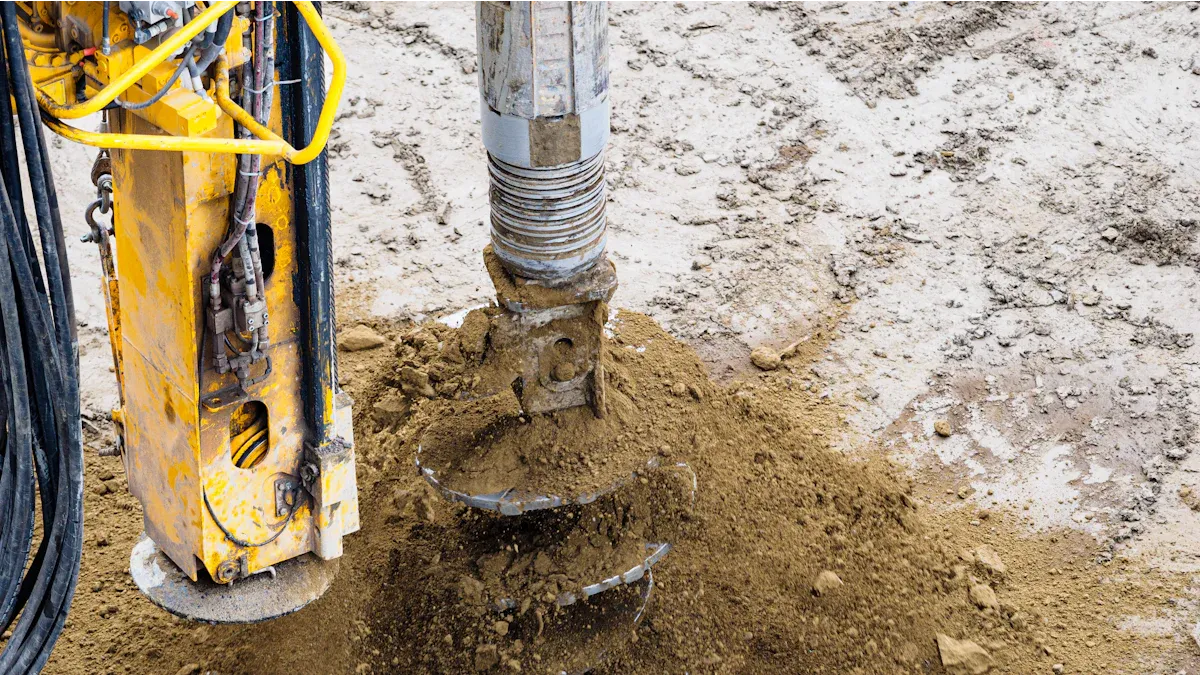
Being exact is very important in today's factories, especially for horizontal pipe boring. Getting the angle exactly 0.03° helps a lot. It greatly cuts down on times when work stops. It also lowers costs. This guide, "Horizontal Pipe Boring 0.03° Guide Cuts Downtime," helps with horizontal pipe boring. It makes sure projects run well. This cuts down on downtime. CEGC has new drilling ways. They make your work more successful.
Key Takeaways
-
Exact drilling, with a 0.03° angle, stops big problems like leaks and equipment breaking down. This saves time and money.
-
Using good tools like laser systems and training workers well helps you drill very precisely. This makes sure your projects are done right.
-
High precision drilling helps many industries, from oil to roads. It makes projects reliable and saves a lot of money by avoiding mistakes.
Why 0.03° Precision Cuts Downtime
The High Cost of Imprecision: Misalignment Impacts
Small errors in drilling cause big problems. Minor deviations increase friction. They wear out equipment fast. You get leaks and stress. These cause downtime. This costs money and time. Bad drilling affects crossings. Roads, railways, rivers, or utility lines are examples. Bore Deviation & Crossing Failure is a big issue. You need exact accuracy. Our horizontal pipe boring 0.03° guide cuts downtime. It fixes these problems.
0.03° Precision Prevents Common Failure Points
0.03° precision stops common failures. This exact tolerance keeps drilling on target. You avoid expensive rework. This accuracy in holemaking makes pipes fit. It lowers structural damage risk. You get good hole quality always. This precise drilling makes holemaking reliable. It gives confidence in every drilling job.
Maximizing Operational Efficiency and Flow
High precision boosts operational efficiency. It ensures good fluid flow. You lose less energy. This helps overall efficiency. Accurate hole placement accuracy and tight tolerance on diameter are key. They make the drilling process smooth. You get better production efficiency. This precise holemaking process means less resistance. It makes a system effective and reliable. Your drilling quality gets much better.
You cannot achieve 0.03° precision without superior measurement tools. Laser alignment systems give exact guidance. They project a straight line. You use this to align your drilling equipment. Digital inclinometers measure angles very well. They keep your bore path on grade. Gyroscopic surveying systems navigate inside. They work even in tough places. These systems track your bore path underground. They do not need surface signals. This mix of tools gives you real-time data. You can make quick changes. This keeps your drilling process on target.
Best Practices for High-Precision Horizontal Directional Drilling
Pre-Boring Site Assessment and Planning
You start any precise drilling job with good planning. This first step helps you succeed. You do full ground surveys. These surveys give important ground information.
-
Site Investigation: You check old land use. You look at site risks. These include being near water. You also check for uneven ground. You set exact boring spots and depths. This is often at key structural points.
-
Soil Sampling Methods: You use tools like hollow-stem augers. You also use rotary wash boring. You get soil samples with Shelby tubes. These are for strength tests. You get other samples with split-spoon samplers. These are for soil type. You write down details of each soil layer.
-
Laboratory Testing: This part includes soil type analysis. You check for shrink-swell potential. Compaction tests find the best moisture. Permeability tests check drainage. Strength tests find how strong the soil is. Chemical tests check pH and other things.
-
In-Situ Testing: On-site tests like SPT give data. This data is for soil density. CPT gives soil resistance profiles. You use Pressuremeter tests. These are for clay strength. Groundwater checks look at water levels.
-
Interpretation and Reporting: The last step is a full ground report. This report shows soil layers. It has geological maps. It also gives key design tips. These include bearing capacity. You also get building tips. These cover ground prep and drainage.
This detailed check helps you plan your drilling. It stops surprises during the drilling process.
Equipment Calibration and Setup Procedures
You must set up your equipment carefully. This makes sure it is accurate. This is before any drilling starts. You do regular checks. This keeps your machines in good shape. You check all sensors. They must give exact data. Setting up your drilling machine right is key. It affects how precise your bore is. You check all parts are lined up. This includes the drill head. This careful prep stops errors. It makes sure your project is very precise.
Real-time Monitoring and Adjustment
You watch your drilling all the time. You use sensor data. This helps you make changes fast. This data use is very important. It lets you adjust right away. This keeps your bore path correct. For example, you might use PPK solutions. These make the heading very accurate. PPK uses corrections. These are applied after data is taken. It uses base station data. It also uses rover data. This constant feedback is key. It helps you avoid problems. You fix "Stuck Pipe" issues. You use an "Anti-Stall Powertrain" system. This system gives high power. It has hydraulic sensing. It also has controlled power changes. This reduces stress on parts. This stops costly delays. It makes your drilling process efficient. This guide helps you control things right away.
Post-Boring Verification and Quality Assurance
After drilling, you do full checks. This proves the bore is accurate. You survey the finished bore. This confirms it meets all rules. This check ensures good work. It guarantees the pipe is sound. You also use a "Mud Integration Solution." This stops "Poor Fluid Performance." You follow pump size advice. This matches flow and pressure. It matches bore length and diameter. You ensure good circulation. You keep mud programs strict. This includes mixing and checking. This careful fluid care is key. It prevents environmental issues. It keeps the bore stable. This attention to detail ensures good project quality.
Operator Training and Expertise
People are still key for high precision. You train operators well. Good operators make fewer mistakes. They make things safer. They keep output steady. They learn to change cutting settings. They spot tool problems early. They manage machine settings well. This helps with precise holemaking. Skilled operators are vital. Their skill affects part quality. They install tools correctly. They pick right speeds. They make needed changes. This ensures good boring work. It leads to precise results. This skill also helps production. It means less setup time. Operators know the controls. They can run complex machines. They can keep tight tolerance. This ensures great hole quality.
Case Studies: Real-World Impact of 0.03° Precision
Applications Across Industries
0.03° precision helps many fields. It stops leaks in oil and gas. This keeps pipelines safe. Water plants use it for pipes. This keeps systems working well. Road and rail projects need this exact tolerance. It stops costly redoing of work. Advanced cnc machines make this happen. These systems guide drilling well. Every cnc step helps projects. Your cnc tools give good results. cnc controls are very important. This cnc precision changes things. You trust cnc tech. The cnc process can be repeated. Your cnc tools work perfectly.
Quantifiable Downtime Reduction and Cost Savings
High precision cuts downtime. Think of a pipeline job. Small drilling errors cost a lot. They waste time and money. 0.03° accuracy stops these errors. You avoid delays. This saves much on labor. It makes structures last longer. This means fewer fixes. One project cut rework by 40%. It used this exact drilling. This saved millions of dollars. The "horizontal pipe boring 0.03° guide cuts downtime" works. You can better predict projects. Your budget benefits. This precision makes things reliable.
Getting 0.03° precision is smart. It means less downtime. Pipes last longer. You save money. Good tech is needed. CEGC's machine helps. Strict rules are key. Skilled workers are too. Use these standards. Your pipes will work well. They will be strong. This helps you work great. Your cnc tools are important.
FAQ
What does 0.03° precision mean for your projects?
This exactness keeps your bores on target. It stops expensive rework. It prevents fines. You get the same accuracy every time. This is for important crossings.
How do CEGC machines achieve this high precision?
CEGC machines use good CNC controls. They have a very stiff frame. This makes less shaking. Tracking systems give live data. This helps with exact guidance.
Can this precision really save you money?
Yes, it cuts down on stopped work. You avoid costly fixes. You avoid delays. This makes things last longer. You save a lot of money over time.


