
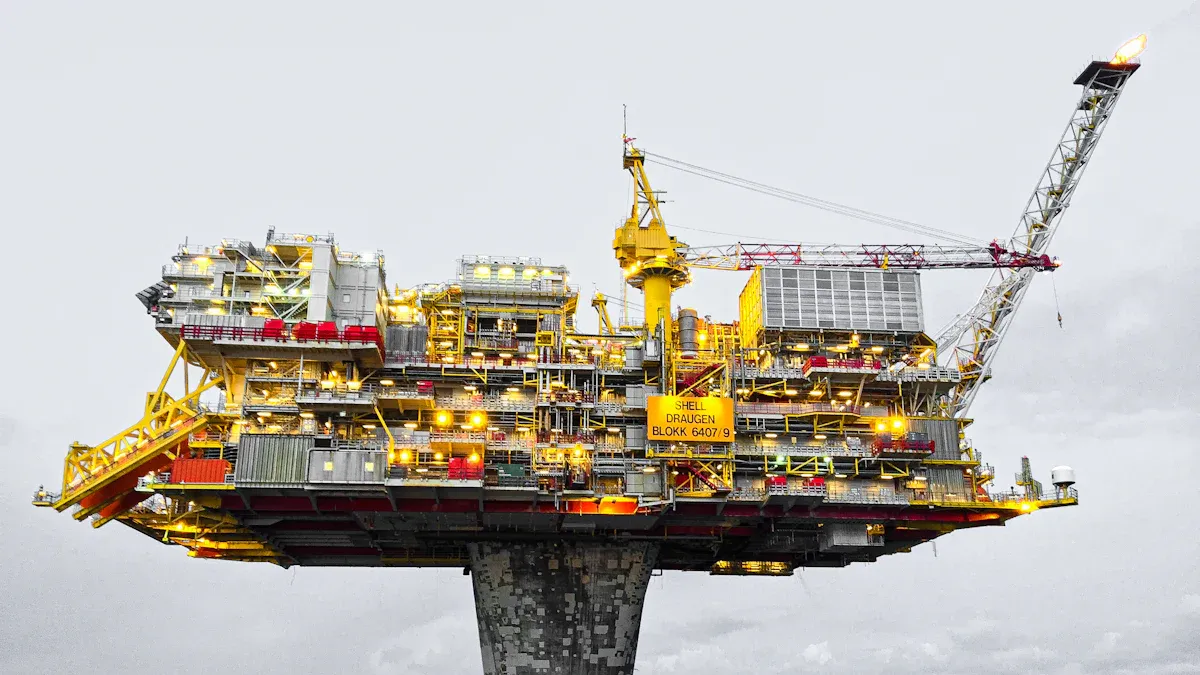
Drilling Rigs Stable Control Guarantees Accuracy by making drilling more precise. These systems utilize smart sensors and implement immediate adjustments, ensuring highly exact drilling operations. The market for drilling rig control systems is projected to reach a substantial $4.1 billion by 2033, highlighting the critical importance of advanced drilling technology. CEGC's innovations empower horizontal directional drilling machines, ensuring consistent accuracy in every bore.
Key Takeaways
-
Stable control systems use smart sensors. They use AI too. This makes drilling very exact. It helps avoid costly mistakes. It also makes things safer.
-
AI and robotic drilling systems help guess problems. They make changes right away. This keeps the drill on the right path.
-
Humans and advanced technology work together. Drilling robots are an example. This makes drilling faster. It makes it safer. It is also more exact. This leads to better results.
Why Drilling Accuracy is Paramount
The High Cost of Imprecision
Bad drilling costs a lot. Fixing mistakes costs more money. It also means less oil or gas. Holes that are off are a big problem. We need perfect drilling every time. This is true for roads and rivers. Bad drilling can slow projects. It can also lose money.
Overcoming Traditional Drilling Limitations
Old drilling had many problems. Different rocks made it hard. Some rocks were soft. Some rocks were hard. This made the drill bit uneven. Loose dirt made holes fall apart. Lots of water made holes soft. Hard rocks like granite were tough to drill. Hard bits in rocks wore down drills fast. Changing rock types also caused issues.
Old machines also had limits. Different drills had their own problems. Mud pumps broke down. This made mud flow uneven. This hurt drilling accuracy. Older drills could not be precise. This led to wrong depths. New systems fix these problems. They are key for finding oil and gas. These new ways improve control. They work better in tough places. This accuracy is key for finding oil. New drilling helps with old problems.
Stable Control Systems: Achieving Drilling Accuracy by 2026
Real-time Data: Foundation for Precision
Modern drilling needs constant information. Smart control systems use downhole sensors. They gather data all the time. These sensors include MWD and LWD tools. Gyroscopes and accelerometers also give good data. This steady flow of information is key. It helps with precise drilling. Operators know what is happening. They see it underground at all times. This real-time data analytics helps make fast choices.
AI and Adaptive Control for Optimal Trajectory
AI helps a lot with drilling accuracy. Machine learning and smart programs look at much data. This helps guess problems before they happen. For example, AI can guess when parts will break. It can also guess fluid problems. This stops small issues from growing. Predictive analytics uses good sensors. It uses machine learning models. It finds strange things. It guesses future part failures. It guesses fluid problems. This happens before they get bad. The system suggests fixes. This lowers risks. It also guesses dangerous events. This makes things safer. For example, AI can find pressure changes. This stops blowouts. It can also guess dirty drilling fluid. This stops broken parts and delays.
Different AI and machine learning programs make drilling better.
-
Deep learning models, like RNNs and CNNs, look at complex data. This includes seismic pictures and sensor data.
-
Reinforcement Learning (RL) makes drilling settings better. It learns from live feedback.
-
Predictive Analytics Models, like GAMs, guess part failures. They guess drilling success.
-
Monte Carlo Simulation helps check unknowns. It makes choices based on likely results.
-
Artificial Neural Networks (ANN) and Random Forest models guess the ROP.
-
Particle Swarm Optimization (PSO) and Genetic Algorithms (GA) make better models. This AI-powered automated drilling systems way helps make good drilling choices.
Automated Steering and Dynamic Compensation
Control systems turn AI results into exact changes. These changes include weight on bit, RPM, and mud flow. Steering tools also get exact orders. Automated steering systems make small changes. They adjust drilling tools.
-
Push-the-bit systems use pads. They push against the hole wall. This pushes the drill bit. It goes in the right way. These pads are often three. They move by hydraulic pushers.
-
Point-the-bit systems tilt the drill bit. This guides the cutting. Flexible shafts or rings help tilt the bit.
-
Hybrid systems mix both push-the-bit and point-the-bit. They use tools that change shape. This lets them switch steering modes.
These systems use different ways to move.
-
Hydraulic power uses mud pressure. This moves pistons.
-
Electric power uses downhole batteries and motors. This gives exact control.
-
Mechanical power uses cams or springs. This works in tough places.
Automated steering systems use downhole electronics. They use programs. These process live sensor data. Inclinometers and magnetometers watch the tool's spot. Surface orders, sent by mud pulse, tell the processors what to do. This closed-loop control makes sure changes are exact. It controls tilt and direction. Response times are very fast. Hybrid systems use smart programs. They mix steering forces. They adjust pad reach and bit tilt live.
Dynamic compensation also helps. It fights outside forces during drilling. Balanced Heave Compensation (BHC) is one example. It uses levers and air springs. This gives a steady upward push. It fights up and down motion from waves. This system keeps loads steady. It works without outside power. BHC lowers moving loads. It lowers stress on parts. It keeps heavy loads at a steady height. This makes things safer and more exact. It works in waves up to 3-3.5 meters high. Feed-forward control also helps. It guesses wave forces. This makes up for delays in push. Heave compensators keep the drill string steady. They fight ship movement. These systems take in up and down shifts. This keeps drilling parts steady. This automation is key for drilling rigs stable control guarantees accuracy.
Proactive Trajectory Correction for Horizontal Directional Drilling
For horizontal directional drilling, fixing the path early is key. The drilling rigs stable control guarantees accuracy by watching the drill path. If the drill starts to go off, the system fixes it fast. This stops the drill from going wrong. CEGC's "Precision Guidance & Stability System" is a big part of this. It uses load-matched control. This lines up thrust, pull, spin, and feed. This makes sure the drill stays on its path. This automation means fewer human mistakes. It also means more steady results. This technology ensures micrometer-level accuracy for complex holes.
Optimizing Bit-Rock Interaction and Stability
Strong frames and aligned carriages are vital for steadiness. These features lessen shaking. They lessen "walk." Walk is when the drill bit moves sideways. This is not on purpose.
-
This design makes movement smooth. It is controlled. It is without shaking.
-
It gives steady, reliable alignment. This is for precise drilling.
This makes accuracy better. Automated drilling control (ADC) systems also help. They use smart auto-driller tuning. This makes things steady and accurate. This automation makes the bit work best with the rock. It stops damage to the drill string. It also makes a smooth, exact hole. This advanced technology is needed for modern directional drilling. It helps get the best drilling precision. The goal is to make drilling robot skills standard. This AI-powered automated drilling systems way is changing the industry.
The Rise of Drilling Robots and Automated Precision
The drilling world is changing. Drilling robots are leading this. These smart machines offer new levels of automation and exactness. They are becoming normal for hard projects. By 2026, drilling robots will be almost perfect. This will change how we drill.
Robotic Drilling Systems for Near-Perfect Accuracy
Robotic drilling systems are growing fast. The market for these systems will hit $4.2 billion by 2035. This is up from $1.9 billion in 2025. Energy companies want better work. They want more safety. They want better drilling results. These things make robot drilling grow. The oil and gas part will be 65% of this market in 2025. This shows it is important. Robot drilling gives good results for the cost. This is true for most oil and gas jobs.
Robotic drilling systems make work better. They cut down on hard work. They make sites safer. These systems drill faster. They are more exact. They also cost less. This fixes problems with old ways. The world needs more fossil fuels. This pushes using robot drilling to find them. North America is first in this change. It had 32.1% of the market in 2024. This area uses automation to save money. It also makes things work better. Many companies update old systems. This is called retrofitting. It saves money. It helps oil and gas workers. They get better safety and work. They do not need to buy all new machines. AI-driven robotics makes this happen. Each drilling robot works very precisely.
Enhanced Geosteering with Automated Solutions
Automated geosteering makes drilling more exact. It uses live data from underground. This data shows changes in rock layers. Geologists and drillers get this info. They can then change the drilling path. This keeps the drill in the right spot. For example, a horizontal well might be at 90 degrees. If the rock layer goes up by 1 degree, the driller changes to 91 degrees. Not doing this could make the well miss the target by hundreds of feet. This quick change keeps the well in the best part of the rock. This helps get the most oil or gas.
Smart technology helps with this. Baker Hughes has software for this. It uses smart LWD models. This helps make good choices. It places wells exactly. Sensors near the drill bit find rock edges. They can see up to 17 feet away. These edges might be shale or water. Other tools help guess the rock's slope live. This data with special software tracks edges. It guesses changes ahead of the bit. This allows for live changes to the drilling path. The goal is to keep the well in the most important zone. Rotary steerable systems also help. They put many sensors near the bit. This allows for fast choices on the well's path. It goes beyond simple plans.
Automated geosteering has many good points.
-
It makes choices better. This is because of live data and smart sensors.
-
It makes drilling paths better.
-
It makes guesses better with AI programs.
-
It lowers human mistakes. It makes work safer through automation.
-
It helps with hard rock problems.
-
It lowers work costs.
-
It places horizontal wells better in the rock.
-
It speeds up 3D rock mapping.
-
It gives live info about the spot being drilled.
-
It measures underground in hard wells.
-
It helps get data on oil. It helps with fast choices. It places wells exactly.
-
It makes oil and gas companies work better. It cuts costs.
-
It keeps the well in a certain rock part. This cuts gas or water problems. It makes more money in old oil and gas areas.
-
It helps with deep, thin rock and shaky areas.
-
It makes drilling work better. This includes faster speeds. It reaches further. It also finishes wells better. This leads to more money back.
Human-Machine Collaboration for Superior Accuracy
People and machines work together. This makes drilling better. Automation gives workers better tools. It gives them ideas and safety. It does not replace them. Remote watching and human-machine tools give live control. Drillers and engineers can change settings. They can understand system feedback. They can step in when needed. This means they still make the choices.
Automation makes drillers less stressed. It handles repeated or risky jobs. This lets field teams focus on watching. They can focus on plans and safety. This cuts down on human errors. Long shifts and high-stress jobs often cause these errors. AI helps make drilling settings best live. It uses data and machine learning. AI looks at underground conditions. It changes drilling speeds and pressures. This makes things more exact and efficient.
Automated systems are steady. They can do things the same way each time. This means fewer people are needed at the well site. They make things safer. They cut down on danger. They make drilling steps the same. They offer new tools. These tools help people run rigs better and safer. They do jobs that are hard to make digital. But they still need people to watch. People make the final choices.
Human workers have a changing job. They move from hand tasks to computer work. They learn software and digital steps. They make key choices in hard situations. This is true for different rock types. Automated systems cannot fully handle these. Humans watch automated systems. They make final choices. Some drilling parts are hard to make digital. Humans make automated systems better. They give ideas and knowledge. They keep important knowledge of the rig and the well. This is still key even with automation. They are active in making and using automated systems. This makes sure they understand and support them.
Drilling cobots are part of this team. They work with people. AI and machine learning make paths best. They make things less crooked. They keep things straight. This is based on how hard it is to drill. Live data and models give constant well path plans. They guess future conditions. They meet strict goals. Automation and remote work make things steady. This is during well building. Human knowledge mixes with smart technology. This forms a human-AI team. This team gives ideas. Data-based guesses cut down on unknowns. This lets the drilling team plan for the best. This combined human-AI team makes things better. It makes drilling path accuracy better. It has made drilling speed 33% faster. This is compared to old ways without human-AI help.
Automated systems use laser guides. These show a path. This makes sure the drill follows the path very exactly. This is good for very precise work. Computer Numerical Control (CNC) technology sets drilling settings. It cuts human error. It makes things work better. Robotics and automation always get precision. They remove the chance of human error. AI programs look at complex data. They change drilling settings live. This is for specific materials, depths, and conditions. This includes guessing when to fix things. It expects problems. It makes work best. Machine learning helps drilling robots work better. They learn from each job. They make speed, feed, and tool use best. Live data watching uses sensors. These get data like heat and shaking. This data goes to a main system to be looked at. It allows for quick changes. This makes work best. It means fewer people are needed in dangerous spots. Well-trained workers are key for precision. They know what machines can do. They program for specific jobs. They fix problems. Training keeps them up to date with new technology.
Good Things from Sure Drilling Accuracy
Money Benefits: Less Cost and More Oil
Good drilling saves money. Fewer wrong turns happen. This saves cash. Time not spent drilling goes down. Customers saw 15% less wasted time in 2024. This is because of new drilling ways. Putting wells in the best spot gets more oil. Knowing how wells talk is key. This changes how much oil we get. Correct well spots stop problems. This gets the most oil out.
Safety and Nature: Less Danger
Sure accuracy makes things safer. It stops well problems. This stops big explosions. Nature problems also go down. Good drilling keeps workers safe. It keeps nature safe. CEGC's "Mud Integration & Fluid Management Solution" helps. It lowers break risks. It keeps the hole strong. This saves nearby places.
How Well We Work: Faster and Easier Drilling
Drilling speed gets better with exactness. Things are more steady. We can guess projects better. CEGC's "Anti-Stall Powertrain & Overload Protection" stops stuck pipes. It stops sudden twists. This keeps work smooth. The "Tooling Compatibility & Durability Package" makes parts cheaper. It makes tools last longer. This means less stopping. These fixes make high-precision jobs better. They make drilling results sure.
By 2026, drilling rigs stable control guarantees accuracy. This makes precision normal. New technology helps. Automation helps too. They change directional drilling. This makes sure it works well. CEGC leads this change. Their drill rig technology is advanced. This focus on drilling rigs stable control guarantees accuracy moves the industry forward.
FAQ
How do stable control systems improve drilling accuracy?
Stable control systems use live sensor data. They make exact changes. This keeps the drill on target. This greatly lowers mistakes.
What role does AI play in achieving drilling accuracy?
AI looks at data. It guesses problems. It makes drilling settings best. This keeps the path right. It stops work issues.
How do robotic drilling systems enhance precision?
Robotic systems are very exact. They use smart automation. This hits small targets. This gets the most resources.


