
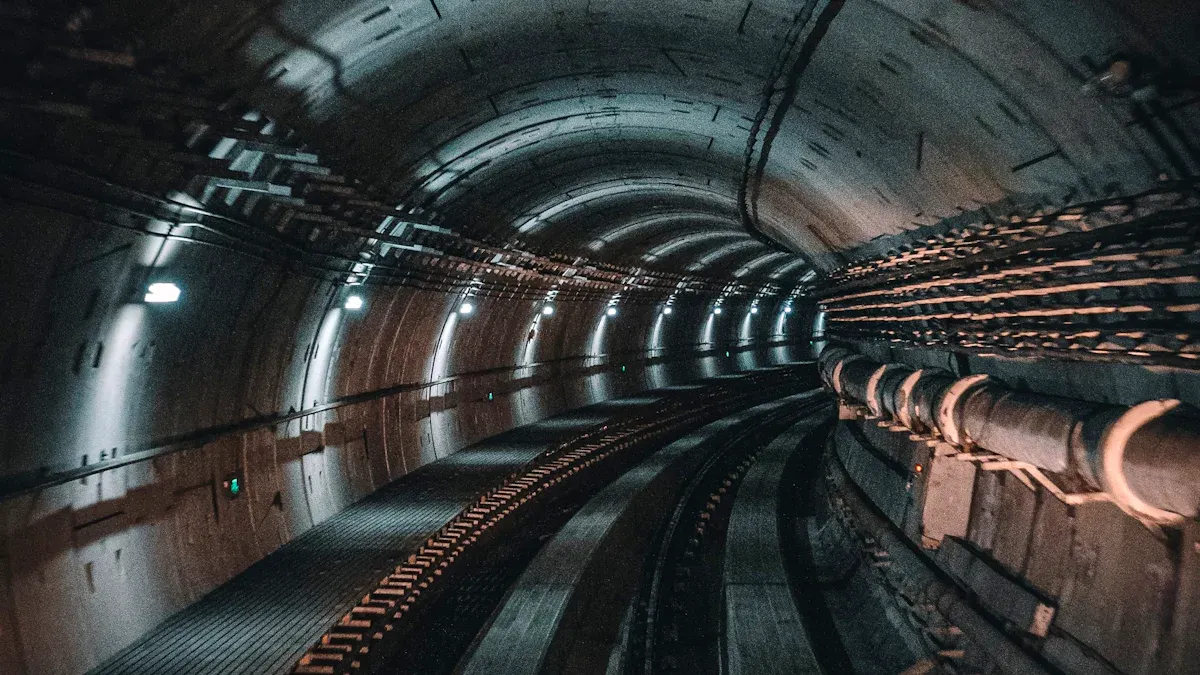
Modern underground projects demand extreme precision. A Directional Bore Machine 1mm Path Solves Problems by offering unparalleled accuracy. This precision not only benefits the environment but also leads to significant cost savings on projects. It is crucial for challenging underground installations, ensuring everything is placed correctly. CEGC's Horizontal Directional Drilling (HDD) machines excel in this regard. The global horizontal directional drilling market is projected to reach USD 16.08 billion by 2030, underscoring the critical need for precise drilling solutions.
Key Takeaways
-
A special drill can dig underground. It is very accurate. It can hit a spot within 1 millimeter. This drill fixes hard problems. It helps to not hit other pipes. It also keeps nature safe.
-
This exactness makes work safer. It also makes work quicker. It saves cash too. It stops errors. It stops hold-ups.
-
CEGC has special drills. They use new tech. This tech helps them drill a 1 millimeter path. This helps them work well. They can drill in tough ground.
Modern Drilling Challenges
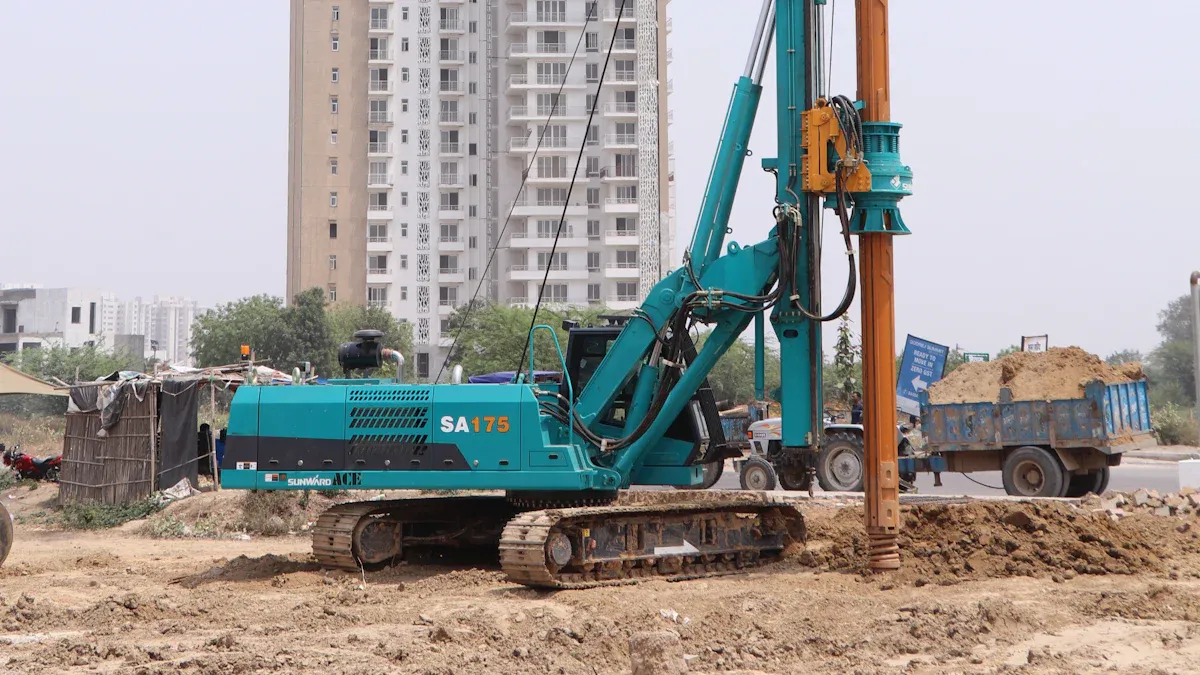
Navigating Dense Urban Infrastructure
Drilling underground in cities is hard. Cities are very crowded. You need to be super careful. There are many things already buried. These include power lines. There are also phone lines. Water pipes are there too. Gas lines are present. Sewer lines are also underground. You must not hit these things. Hitting them causes big problems. It can also be dangerous.
Meeting Environmental and Regulatory Demands
Protecting nature is important. Drilling should not harm the ground. Exact drilling paths help nature. They protect rivers and lakes. Rules guide every drilling job. The Clean Water Act stops pollution. California's CEQA checks environmental effects. These rules make drilling safe.
Overcoming Complex Geologies and Obstacles
What is underground can be a surprise. Different soils make drilling tough. Rocks also cause problems. You might hit hard limestone. Granite or quartzite can be there. Unexpected rocks can move the drill. You must adjust to these conditions. This helps drilling succeed.
The Pressure for Project Efficiency and Speed
Projects need to be fast. They also need to be efficient. Delays cost a lot of money. A year delay adds 4.64% to costs. London's Crossrail project cost $1.2 billion more. This was due to a one-year delay. Mistakes or re-drilling waste time. They also cost money. Staying on time is key. Staying on budget is also key. Speed is very important. Finishing fast is often a goal. This affects how fast a project finishes.
1mm Accuracy: Solving Core Drilling Problems
The directional bore machine 1mm path solves problems. It fixes the hardest parts of underground work. This accuracy changes how projects are done. It makes them safer. It makes them work better. It also helps the environment. CEGC's special Horizontal Directional Drilling (HDD) machines are leaders. They fix common tough spots.
Precision Guidance and Control Accuracy
Getting 1mm accuracy in drilling needs great guidance. CEGC has a system for this. It is called Precision Guidance & Stability System. It uses load-matched control. This system works with thrust. It works with pullback. It works with rotation. It works with feed. A strong frame helps. It stops shaking. This stops the machine from moving off course. The system can connect to tracking tools. It can also record data. It can control processes. This makes control accuracy great. This precision makes fewer mistakes.
Mitigating Bore Deviation and Crossing Failures
One millimeter accuracy stops bores from going off track. This saves money. It avoids fines. Important crossings need exact accuracy. These are roads, railways, and rivers. Existing pipes also need it. CEGC's tech makes this happen. Operators can keep the bore path exact. This helps avoid old structures. It protects nature. The system is steady. It means less need for perfect operator skill.
Enhancing Operational Reliability and Uptime
Stuck pipes cost a lot to fix. They also cause delays. High torque can break rods. It can break threads. It can break tools. These problems stop work. CEGC has a system for this. It is called Anti-Stall Powertrain & Overload Protection. It fixes these issues. It gives strong power. It works at many speeds. It senses hydraulic load. It manages pressure. This stops overloads. It starts and stops smoothly. This reduces stress on parts. This means steady work each day. It works even in hard ground.
Project timelines are very important. Delays cost more money. They make less profit. Tracking things helps find risks early. This lets you change plans. You can change the work. You can change resources. Knowing how much work there is helps. It helps give out tasks well. Bad guesses lead to tired teams. They lead to missed deadlines. Good guesses help with busy times. They keep work flowing. Tools like Gantt charts show a clear picture. They help plan projects. They help watch them. They help change them. They show work steps. They set task order. They check progress. They find problems. They reschedule tasks. This makes projects faster. It makes them work better.
Optimizing Tooling Life and Consumable Costs
High costs for parts are a big worry. Tool wear is also a concern. Fast wear of reamers costs more. Wrong tools clean holes poorly. They can cause bad bores. They can cause pullback risks. Changing tools often stops work. CEGC's Tooling Compatibility & Durability Package fixes this. It gives smoother power. This stops shaking. It stops uneven wear. Easy access helps with quick fixes. This package works with many reamer types.
The life of HDD tools changes a lot. There is no set time. Ground conditions are a big reason. How the operator works matters. How the bore is steered matters. How drilling fluid is used matters. Rocky ground is hard on tools. Sand can also cause damage. Good lubrication from fluid is key. This stops early wear. Operator control helps tools last longer. Do not oversteer. Do not push too fast. Smoother power helps tools last. Less shaking helps tools last. Less shaking means less stress. It means less wear on parts. This means less rubbing. It means less impact. It makes the tool last longer. It means less fixing. Active Vibration Control (AVC) is important. It makes tools last longer. It stops bad effects of shaking. Shaking makes tools wear out fast. This happens during cutting.
Advanced Fluid Management for Bore Stability
Bad fluid work causes problems. Frac-out risks are also a challenge. Low flow or pressure makes torque higher. It also makes pipes get stuck. Losing fluid causes rule breaks. It causes cleanup work. Bad mud makes the bore shaky. CEGC's Mud Integration & Fluid Management Solution fixes these problems. It helps choose the right pump size. It looks at flow and pressure. It looks at length and diameter. It looks at the ground. It makes sure fluid can move. It makes sure filters are ready. This solution helps with mud rules. This includes mixing goals. It includes checking. It includes changing things.
Frac-out happens when drilling fluids are pushed too hard. This is more than the ground can hold. This makes cracks. Fluid escapes. Not enough lube can hurt the drill head. It makes it work poorly. It can make pipes get stuck. Bad mud properties use more energy. General drilling muds often do not work well. They can cause big problems. These include frac-out. They include boreholes falling in. This causes project delays. Wrong mud can break the borehole wall. This causes a frac-out. It can also make the borehole fall in. Water quality matters. pH levels matter. Calcium content matters. Special ground conditions raise frac-out risks. These are porous limestone. These are karst formations.
Good fluid management stops frac-out risks. It means watching pressure deep down. Good fluid handling is key. Planning for spills is also key. Drilling fluid, like bentonite, is very important. It is used in Horizontal Directional Drilling. It helps things slide. It makes things steady. This lowers rubbing. It stops boreholes from falling in. When the ground pressure is more than the hole pressure, fluid stays in. This makes the drilling process steady. It makes projects faster. The directional bore machine 1mm path solves problems. It does this by using these good fluid management tools.
How 1mm Drilling Accuracy Is Possible
This part explains how we drill so precisely. These new ways make the whole drilling process better.
Better Ways to Guide and Track
New drilling uses good guidance. Lasers show the drill where to go. This keeps it on track. Computers control movements. This lets workers set how to drill. It means fewer mistakes. It makes work better. These systems track things live. This makes work faster.
Smart Bore Machine Design and Control
Bore machines have new designs. Computers control them well. This means fewer human errors. It makes parts the same size. Better tools last longer. They also stay cool. This helps them work on many things. Smart sensors watch the machine. They gather facts on how fast it spins. They check heat and shaking. This helps make the machine work best. It helps guess when it needs fixing. Software also makes things steady. It keeps pressure right underground. This stops the hole from breaking. AI changes pump speeds. It makes drilling better right away. This saves tools. It makes work faster.
Maps and Data Working Together
Maps and data help with planning. They also help with doing the work. AI looks at ground data. It looks at drilling data. It looks at output data. This helps make choices. Models guess drilling results. They also guess how much will be made. Live data turns facts into helpful info. This finds problems fast. It finds ways to make things faster. This includes moving pipes. It includes connecting times. This makes the project faster.
What's Next for Super Precise Drilling
We are getting even more precise. New systems can be off by less than 0.1 mm. A digital model for tiny drilling was off by 0.22 mm. These ideas push limits. Ultrahigh-speed laser drilling is another example. It is used for small electronics. It makes tiny holes for phones. It also helps with medical tools. This shows drilling will get even better.
The directional bore machine 1mm path solves problems. It is a basic fix. It helps with modern drilling issues. This exactness makes things safer. It makes them work better. It builds good infrastructure. It stops bores from going off track. It stops pipes from getting stuck. CEGC's drilling machines are key. They have new features. They are very accurate. This makes drilling better. It makes it faster.
FAQ
What does 1mm accuracy mean for directional drilling?
1mm accuracy means the drill path moves only one millimeter. This exactness is key. It helps with hard underground drilling. It puts things in the right spot. This stops expensive mistakes.
How does CEGC achieve such precise drilling?
CEGC uses good guidance. It uses strong machine designs. Our Precision Guidance & Stability System helps. It makes drilling exact. This tech makes drilling better.
What are the primary benefits of precise drilling for infrastructure projects?
Precise drilling means fewer mistakes. It means less redoing work. It harms nature less. This makes projects faster. It costs less money. This method makes projects better.
Does 1mm accuracy improve safety in drilling operations?
Yes, precise drilling makes things much safer. It avoids other pipes. This lowers accident risks. It makes drilling safer. This careful way protects workers.


