
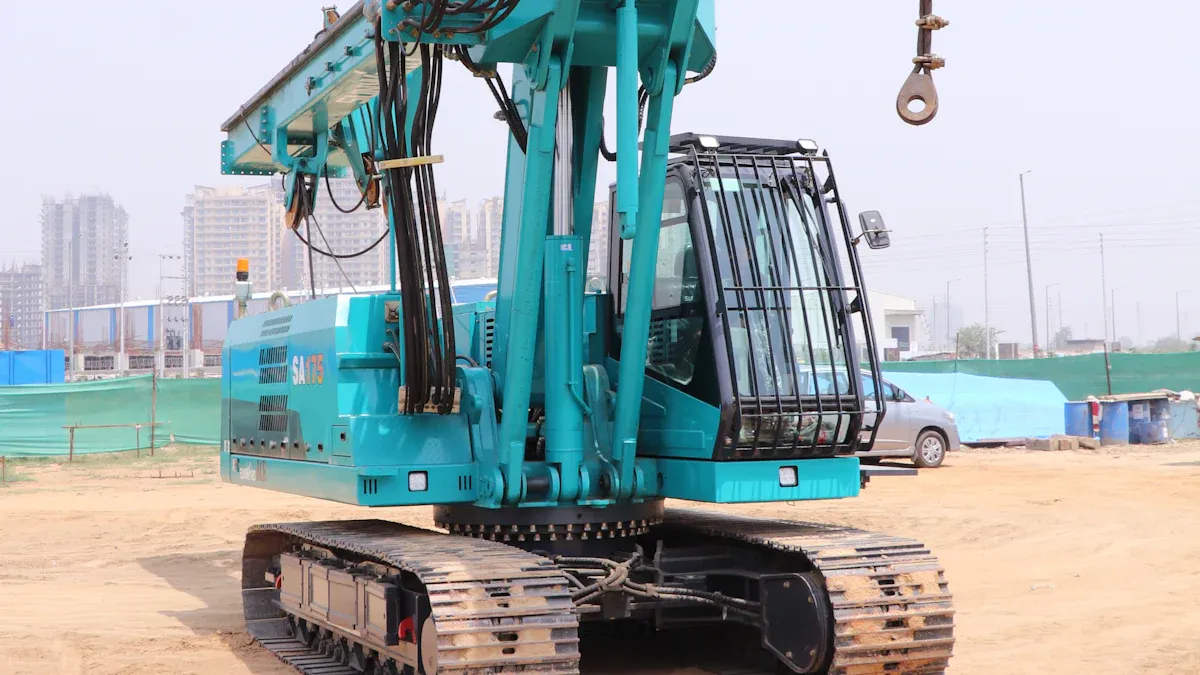
Drill bits can go off course. This is a big problem in horizontal directional drilling. It really affects how well a project does. It also impacts how fast it gets done. And it changes how much it costs. Keeping the drill bit straight is very important. This makes sure the hole goes where it should. It helps finish the job right. This blog looks at ways to stop the drill bit from wandering, including how a Horizontal Drill Steady Track Prevents Wandering. It also covers tools that help. CEGC has ways to make sure your directional drilling machine projects work best.
Key Takeaways
-
Drill bits can go off course. This causes big problems like wrong holes and higher costs. Keeping the drill straight is very important for a successful project.
-
Using the right tools and methods helps keep the drill straight. This includes good drill parts, correct settings, special drilling mud, and new technology like real-time tracking.
-
CEGC machines offer solutions to keep drills steady. Their systems guide the drill precisely, prevent it from getting stuck, use strong tools, and manage drilling mud well. This helps make drilling accurate and efficient.
What Makes Drill Bits Go Off Course: Why It Happens and What Goes Wrong
Main Reasons: Ground, Weight, Speed, and Mud
Drill bits go off course for many reasons. The ground can be uneven. This is a big reason. The drill bit can bend. It hits different kinds of rocks. Bad drilling settings also cause problems. The weight on the bit changes. This makes the drill shaky. The speed of the drill also changes its path. Bad drilling mud causes issues. Poor mud does not clean the hole. This lets rock pieces pile up. These piles can push the drill. The first drill setup is key. A wrong setup causes problems. This happens when starting the hole. Mistakes at the start can make the drill go off.
What Happens: Shakes, Twist, Wear, and Wrong Holes
Drill bits going off course causes big problems. It makes the hole shaky. This makes the hole uneven. More twisting and pulling happen. This is a common problem. The ground, like coal, can fall in. This causes much twisting and pulling. The drilling mud also adds to rubbing. Bad hole cleaning leaves rock beds. These beds make twisting and pulling worse. Wobbly holes, or curves, also add to pulling. This makes the drill string work harder. The drill bit wears out fast. This is because of uneven forces. The bit wears out sooner. Drilling in the wrong spot costs a lot. Wrong holes are a big problem. Wrong holes can add about $0.5 million each year. This is per well in extra costs. This is because pumps wear out faster. For new wells, getting money back is quicker. It is 1.5 to 2 times faster. This is with the best spot. This shows why a steady track is needed. Bad setup and bit wandering cause these costs.
Strategies for a Steady Track in Horizontal Directional Drilling
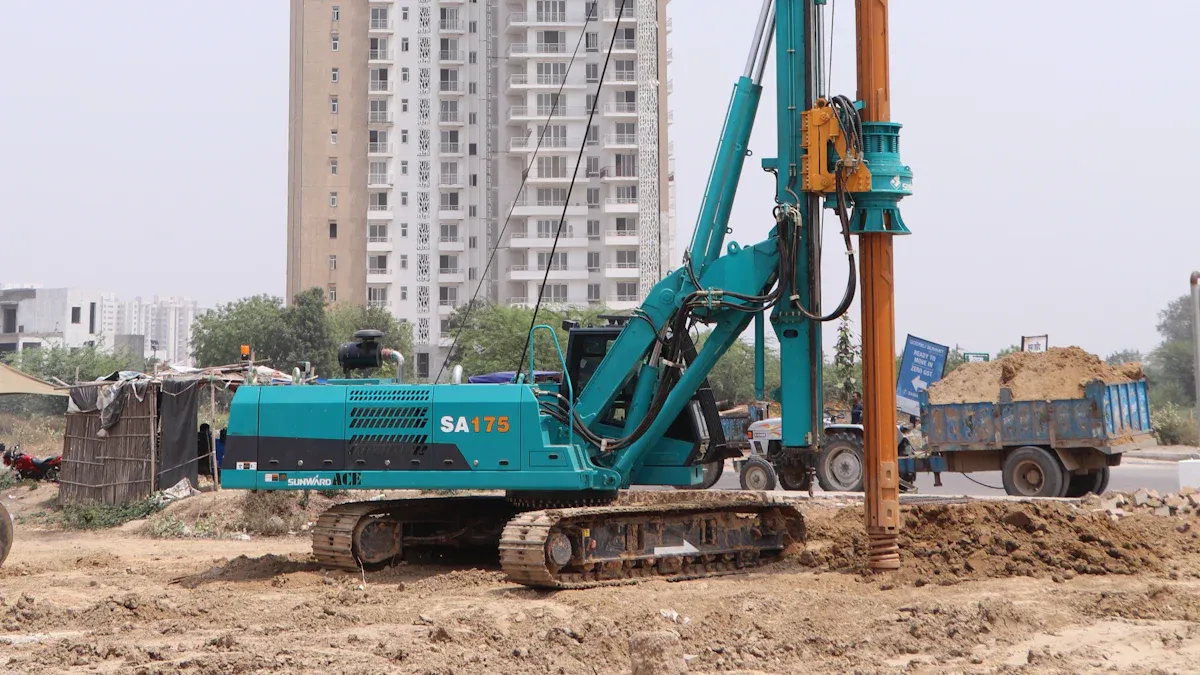
Keeping a drill straight is very important. This part shows how to stop wandering. It covers tools and new tech. These plans help drill correctly.
Optimizing BHA Design for Trenchless Drilling Rigs
The BHA is key for a good horizontal drill. Its design affects how straight the drill goes. A good BHA helps stop the drill from moving off course. It keeps the drill on its path. Stabilizers and reamers are very important. A barrel stabilizer holds the reamer. This happens during turning and pulling. It stops the drill from wandering. It also prevents too much cutting. This is key in soft ground. Soft ground can change shape easily. Drilling big holes in bad ground without support is risky. Risks include hole collapse. It can also cause uneven reaming. And higher pulling loads. Stabilizers should be above and below the reamer. This keeps it centered. It also keeps the hole accurate. Stabilizers are vital for big reaming. They keep things straight. They also lessen shaking. They help spread forces. This stops the tool from moving off course. Stabilizers also make tools last longer. They reduce uneven pressure. This stops early damage to cutters. This is true in mixed or hard rock.
Special drill bits also make things stable. Their cutting part is vital. It helps remove rock well. It also keeps performance steady. This includes the tooth setup. Different setups work for certain rocks. They cut and wear well. Blade design is also key for PDC bits. These control stability and shaking. The material makes it strong. Cutting parts use strong stuff. These include tungsten carbide. And polycrystalline diamond (PCD). These materials are hard. They resist wear. They also handle heat. The bit body uses strong materials. These hold the cutting parts. They also handle drilling forces. Hydraulics make fluid flow best. This cools and cleans the bit. Nozzle setup is for certain flow rates. This helps remove cuttings. It also helps cooling. A good rig setup and BHA are the first steps.
Precision Drilling Parameters for Directional Drilling Machines
Setting the right drill settings is key. It helps keep the drill bit straight. Steady Weight-on-Bit (WOB) is important. It stops the drill from jumping. It also stops it from veering. Rotary speed must stay steady. Speed changes can make the bit wander. Drilling fluid flow needs to be constant. This helps clean the hole. It also cools the bit. Workers must watch these settings. They need to make small changes. This keeps the directional drilling machine on course. These methods help avoid surprises. They keep drilling smooth.
Advanced Drilling Fluids for Horizontal Directional Drilling Machines
Drilling fluids are more than just water. They are key to stopping drill hole deviation. Good fluid flow and slipperiness are vital. Bad cuttings removal causes many issues. These include stuck pipe. And high torque. It also causes pack-off. And rock breaks. Bad fluid flow often causes these. Drilling fluid traits are key for moving cuttings. These traits include plastic viscosity (PV). And yield point (YP). Gel strength (GS) is also important. And apparent viscosity (AV). More thickness at low shear helps hold cuttings. This stops them from settling. A good yield stress range lessens cuttings bed thickness. This cleans the hole better. Lower flow behavior index (n) values mean less thickness. This is at high shear rates. This lowers pumping effort. It still holds enough cuttings. Data shows almost 70% of drilling time lost. This is from stuck pipe. About one-third is from bad hole cleaning. This shows how important fluid flow is.
Special additives make fluid work better. They reduce rubbing. These methods make drilling easier.
|
Additive Type |
Primary Function |
Performance Metric Improvement |
|---|---|---|
|
Lubricity Agents |
Reduce friction coefficients |
-30% torque in deviated wells |
|
Synthetic lubricants |
Enhance drill string performance |
Up to 40% lower torque than mineral oils in S-shaped well profiles |
|
Temperature-stable lubricants |
Reduce torque |
18–22% reduction in directional wells |

Solid additives like polymer beads work like ball bearings. Liquid additives include vegetable oils. And acids. Hydrocarbon additives also help. These additives greatly reduce rubbing. This makes the drill string move smoother. It also lowers the risk of getting stuck.
Technological Solutions for Enhanced Stability
New tech offers strong tools. These tools ensure a horizontal drill steady track prevents wandering. Real-Time Downhole Measurement (MWD/LWD) systems are vital. MWD ensures the drilling path is right. It watches drilling settings in real-time. This real-time ability lets engineers get info fast. They can make quick choices. This avoids possible dangers. These technologies make drilling better. They also make it safer. They help make borehole paths best. MWD helps know the well's true spot. It uses measurements near the bit. This avoids costly extra drilling. It also makes long-term output better. This comes from good wellbore placement. The OnTrak™ suite offers advanced MWD and LWD. It combines resistivity. And gamma-ray imaging. And dynamic drilling optimization. It also has great directional control. This allows sure choices. It lowers drilling risk. It makes reservoir exposure bigger. It gives key measurements. These include azimuthal gamma ray. And resistivity. And directional surveys. It also measures temperature. And annular pressure. It watches pressure. And drilling dynamics. Data sends through reliable mud-pulse telemetry. For more accuracy, combine OnTrak MWD. And formation evaluation. Use near-bit inclination. This gives better downhole view. This allows faster drilling. Farther drilling. And safer drilling. MWD helps find the drill bit's direction. This helps find the wellbore's spot. It also helps steer the well. These measurements happen while drilling. MWD and LWD systems give real-time info. This includes the wellbore's spot. And direction. This makes drilling more accurate. And efficient. These systems make geosteering best. They change drilling settings. This steers the drill bit to targets precisely. It makes reservoir contact biggest. They ensure wellbore stability. They watch wellbore inclination. This stops deviations. It keeps well integrity. This lessens drilling risks. They make drilling better. Directional sensors help control well path. This reduces wasted time. And costs. The ProGuide™ Gyro Inclinometer gives very accurate measurements. This creates precise wellbore path maps. Drillers can go through hard ground with confidence. They avoid costly deviations.
Automated Drilling Control Systems also change. They adapt to new conditions. Closed-loop drilling systems gather real-time data. This includes downhole info. And surface info. This data goes into automated systems. These systems change drilling settings in real time. They do this without human help. This way responds to changing ground. It leads to more consistency. And precision. MWD tools are part of the BHA. They constantly gather data. They send real-time data. This data is about wellbore conditions. And formation conditions. MWD gives key data. This includes direction info. (Inclination, azimuth). It also gives downhole temperature. And pressure. It provides drilling dynamics. (Vibration, shock, torque). These measurements are vital for directional drilling. They help control well path. They allow real-time changes. Rotary Steerable Systems (RSS) use electronics. And hydraulics. They have microprocessors. And sensors. These find direction. They detect stress. They also detect temperature. And other settings. The microprocessor follows the plan. It uses sensor data to steer. This keeps the drill on course. Wired Drill Pipe (WDP) makes data send faster. This is key for real-time changes. And control. It beats limits of slower ways. Like Mud Pulse Telemetry. These technologies help stop bad setup. They reduce starting errors. They ensure accurate starting.
CEGC Solutions: Preventing Wandering for Optimal Performance
CEGC's drill machine helps a lot. It solves common problems. It stops the drill from moving off course. This makes every job work best. Our tech is precise. It is strong. It works well. It fixes big problems for drillers.
Precision Guidance and Stability System for Bore Accuracy
Drills going off course is a big worry. Holes that are wrong cost money. They need more work. Jobs like roads or rivers need exactness. How well they work depends on the worker. CEGC's system helps here. It gives steady, exact results.
The machine has smart controls. It matches push, pull, spin, and feed. This keeps the drill on track. A strong frame makes it steady. It works with the carriage. This stops shaking. It stops moving around. It makes the drill stay straight. The machine can use tracking systems. It can record data. It can control the process. These show what is happening. They let you make changes. This helps stop the drill from going off course. It makes the hole exact. Good setup is key from the start. The system helps avoid problems. It stops mistakes when starting. These mistakes cause early wandering. The machine is strong. Its tech keeps things exact. This stops costly rework.
Anti-Stall Powertrain and Overload Protection
Stuck pipes cause big issues. They cost a lot to fix. They make jobs take longer. Strong twists break rods. They break threads and tools. Drilling in hard ground is tough. It makes daily work uneven. CEGC's drill machine fixes these. It has a special engine. It also has safety limits.
The machine gives strong power. It works at many speeds. This power helps in tough ground. It has smart fluid systems. They watch drilling forces. They stop the machine from pushing too hard. It also has smooth start and stop. These stop sudden jolts. They protect rods and tools. This design stops pipes from getting stuck. It stops sudden twists. This keeps it working. It means less waiting. The system handles forces well. It stops damage from bad lining. It stops damage from sudden hits.
Tooling Compatibility and Durability for Reduced Wear
High costs for parts hurt budgets. Fast wear on tools costs more money. Wrong tools clean holes badly. They can make holes too small. This makes pulling back risky. Changing tools often wastes time. CEGC's drill machine has good tools. They last a long time.
The machine works with many reamers. These include blade, fluted, rock, and barrel types. This lets workers pick the best tool. It works for different ground. Smooth power delivery is a key part. It stops shaking. It stops uneven wear on tools. This makes parts last longer. Easy access points are built-in. They make fixing faster. This means less waiting. It makes work better. This way lowers costs. It makes tools last longer. It keeps holes good.
Integrated Mud Management for Fluid Performance
Bad fluid work is a big worry. It can cause spills. Low flow or pressure makes twisting worse. It makes pipes get stuck. Spills cause problems. They mean cleanup. Bad mud makes holes shaky. CEGC has a mud system.
The system helps pick pump size. It matches flow and pressure. It matches hole length and size. It matches the ground. This makes fluid work best. It has a path for fluid. It has filters. These keep mud clean. They stop clogs. Mud rules are important. This means mixing right. It means watching. It means changing things. These make fluid work well. They stop spills. They clean holes better. This stops drills from going off course. It stops it from bad fluid. This system uses fluid well. It helps the earth. It keeps holes strong.
Stopping the drill bit from moving off course is very important. It helps projects succeed. It makes work run smoothly. We need to do many things. We must use a good BHA design. We need exact drilling settings. We need better fluid control. We also need new technology. This makes sure the drill stays straight. Using these plans helps a lot. Especially with CEGC's advanced machines. It makes drilling more exact. It lowers dangers. It helps finish jobs better. This is the future of exact drilling.
FAQ
What is drill bit wandering?
Drill bit wandering means the drill moves. It goes off its planned path. This makes holes wrong. It slows down work.
How do CEGC machines ensure bore accuracy?
CEGC machines use a special system. It is called Precision Guidance and Stability. This system controls push. It controls spin. It controls feed. It works with trackers. This helps make changes fast.
What are the main benefits of preventing wandering?
Stopping wandering helps a lot. It makes holes exact. It means less redoing work. It saves money. It makes projects faster. It helps finish jobs well.


