
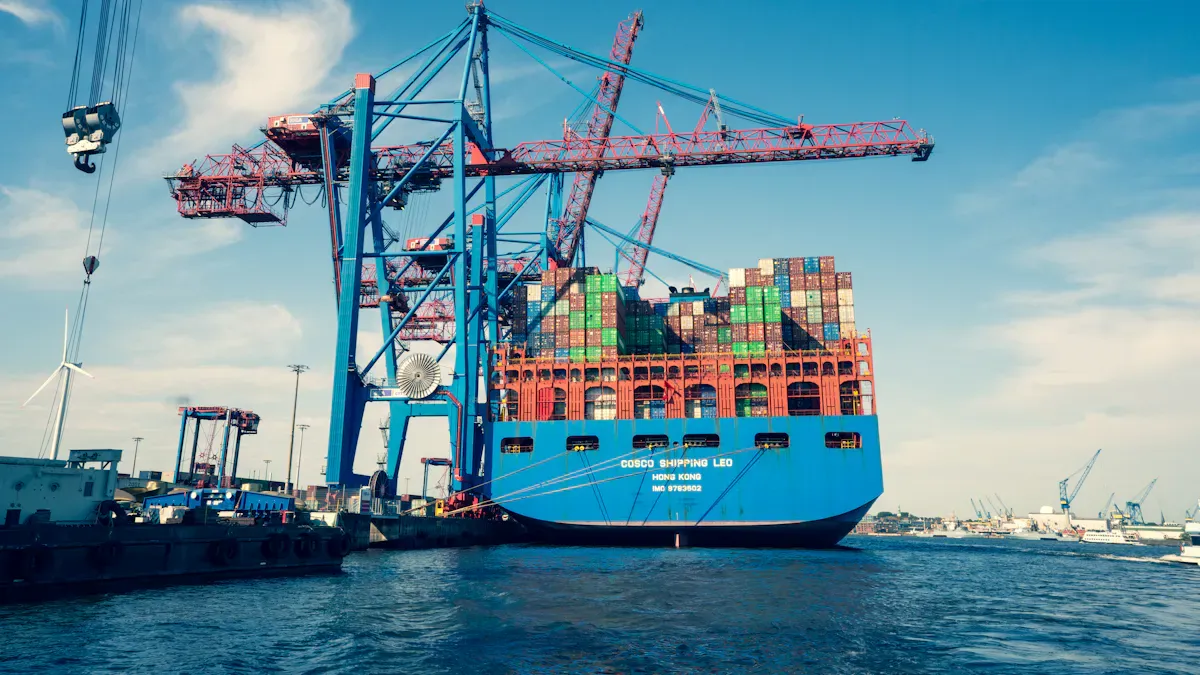
You can achieve fast loading of shipping containers without rehandles by utilizing advanced equipment and strategic planning. Efficient loading shipping container operations not only boost port throughput but also help reduce labor costs. For instance, Savannah’s investment in yard space and improved connections led to a 12.5% growth. CEGC provides container handling solutions designed to ensure fast loading shipping container processes without rehandles, keeping your operations both safe and efficient.
Key Takeaways
Look at your cargo closely before you load it. Check the size, weight, and how it is packed. This helps stop rehandles and makes loading easier.
Use the right machines, like CEGC cranes and reach stackers. These machines make loading faster and keep workers safe. They help move containers fast and in the right way.
Plan to handle cargo only one time. This saves time and cuts down on labor costs. Each item is moved just once when loading and unloading.
Preparation for Fast Loading Shipping Container Without Rehandles
Cargo Assessment and Sequencing
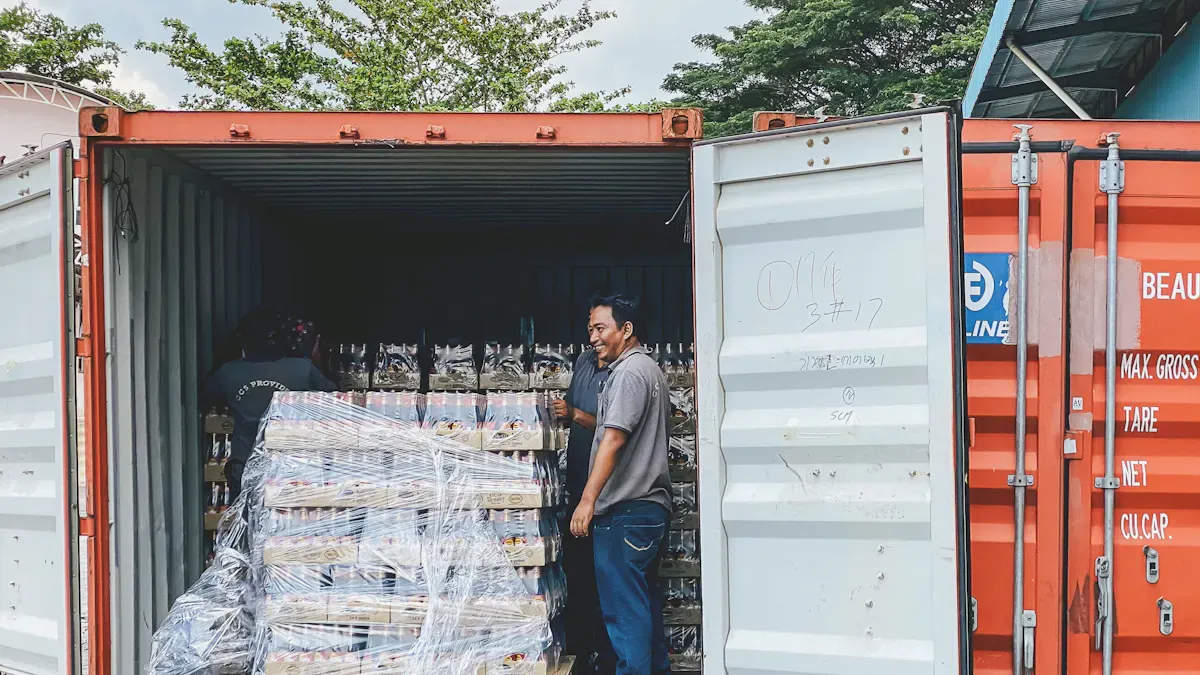
You should check your cargo carefully before loading shipping containers. This helps you stop rehandles and makes the process smooth. First, look at the size, weight, and how each item is packed. Find out if there are any limits, like things you cannot tilt or stack. Pick the right shipping container for your cargo, such as general purpose (GP), high cube (HC), flat rack (FR), or open top (OT). Make sure the weight is balanced and the space is used well inside the container. Always look over your plan before you start loading or unloading.
Here is a simple table to help you with cargo sequencing:
Step |
Description |
|---|---|
1 |
Check cargo size, weight, and packing method |
2 |
Find limits like rotation, tilt, or stacking rules |
3 |
Pick the right container type (GP, HC, FR, or OT) |
4 |
Make sure weight is spread out and space is used well |
5 |
Look at your plan before you start loading |
A good check before loading keeps cargo steady, stops damage, and follows shipping rules. You also use the space better and keep everyone safer at work.
Organizing for One-Time Handling
Getting your cargo ready for one-time handling is important for fast loading shipping container without rehandles. You want to move each item just once when loading and unloading. This saves time and cuts labor costs. Try these ideas to make your work faster:
Weight Distribution Techniques: Put heavy items on the bottom and spread the weight.
Maximizing Space Utilization: Pack items close together and use modular packing to fill gaps.
Load Stability Methods: Hold cargo in place with dunnage, straps, and braces.
Proper Packing Materials: Use strong boxes and padding to keep goods safe.
Compliance with Regulations: Learn the shipping rules to avoid fines and keep cargo safe.
Securing Cargo: Use straps, dunnage bags, and blocking to keep items from moving.
When you use one-time handling, loading and unloading go faster. Teams with good skills can load and unload containers quickly, so you get a fast turnaround. You also spend less on labor and can focus on your main work. Having all port information in one spot saves you lots of paperwork. A transportation management system helps you watch costs and find more ways to save money.
Planning with CEGC Container Handling Equipment
Using the right container handling equipment makes your work safer and faster. CEGC has container cranes, reach stackers, and other tools for shipping containers. These machines have anti-sway and stabilization systems. They help you control the load, so you can put containers in the right place. This lowers the chance of crashes and keeps your team safe.
Modern container gantry cranes from CEGC let you load and unload with fewer changes. The anti-sway systems help you stop mistakes that cause rehandles. You also get better cycle times, so you move more containers in less time. This is important for busy ports that need to work fast.
You should also get ready for common problems. Equipment limits, weight rules, and space issues can slow you down. Use new machines that lift heavy loads and fit different container sizes. Digital planning tools help you see your plan before you start. Make sure your team knows how to use the machines and follows safety rules.
Tip: Check your equipment often and keep it in good shape to keep your team safe.
If you make mistakes in planning or setting up, you might miss delivery times and pay extra fees. Good talking and careful checks help you stop these problems. When you use CEGC container handling equipment and follow these steps, you set up your work for fast loading shipping container without rehandles.
Equipment and Methods for Efficient Shipping Container Loading
Using Container Cranes and Portal Cranes
You can load shipping containers fast with container cranes and portal cranes from CEGC. These machines move containers quickly and safely. They use smart systems to plan the best way to load and unload. This helps stop mistakes and extra moves.
Key Findings |
Description |
|---|---|
Optimization Method |
Quay Crane Dual Cycle - Dockyard Rehandle Genetic Algorithm (QCDC-DR-GA) integrates unloading sequences and dockyard plans to minimize rehandles. |
Performance Improvement |
Reduces total operation time by 15-20% for large ships compared to existing methods. |
Statistical Validation |
Significant improvements confirmed at a 5% significance level through two-tailed paired t-tests. |
These cranes help move containers between ships, trucks, and trains. The advanced slewing and hoisting systems put containers in the right spot. This means there are fewer delays and ships can leave faster.
Good container handling helps move cargo between different types of transport.
Slewing and hoisting systems let you place containers fast and accurately.
This makes loading and unloading quicker for ships and carriers.
Forklifts, Reach Stackers, and Pallet Jacks
Forklifts, reach stackers, and pallet jacks help move containers in small spaces. CEGC’s reach stackers and handlers work well in busy yards. These machines can stack containers high and move them in crowded places. Forklifts are good for small loads, and reach stackers lift bigger containers.
Equipment Type |
Impact on Speed |
Impact on Safety |
|---|---|---|
Manual Loading |
Slow, physically demanding |
High risk of injuries and damage |
Automated Systems |
Load containers up to 70% faster |
Reduces risk of injuries and damage |
Straddle Carriers |
Effective in wide layouts |
Requires weight confirmation to avoid overload |
Reach Stackers |
Flexible stacking in congested areas |
Improves visibility and reduces rehandles |
Automation loads containers much faster, sometimes in less than ten minutes. Machines do the heavy lifting, so people are safer. This makes loading faster and safer.
Jacks, Skates, and Manual Loading Aids
Jacks and skates help move big and heavy cargo that needs care. These tools work for things that weigh 100 to 600 tons. Jacks lift the cargo, and skates roll it into place. This saves time and means you need fewer workers.
ISO container moving skates move containers short distances. They do not cost much and work well for special jobs. You get better control and safety when you use these tools.
Anti-Sway and Safety Control Systems
Anti-sway and safety control systems make cranes and handlers safer and more efficient. These systems keep the load steady, even if it is windy or the crane moves fast.
Benefit Type |
Description |
|---|---|
Reduces the risk of accidents involving containers striking people, vehicles, or structures. |
|
Enhanced Efficiency |
Minimizes time needed to position containers accurately, leading to higher throughput. |
Reduced Cognitive Load |
Allows operators to focus on decision-making rather than constant sway correction. |
Lower Mechanical Stress |
Smoother operations reduce wear on equipment, resulting in less frequent repairs. |
Automation Readiness |
Facilitates semi- or fully automated operations by ensuring consistent load control. |
Time-Sensitive Operations |
Enables quicker and safer container transfers in busy rail and intermodal terminals. |
Operators can focus on decisions instead of fixing sway. This makes loading faster and safer. Equipment lasts longer because smooth moves cause less damage.
Cycle Time Optimization and Predictive Maintenance
Cycle time optimization and predictive maintenance keep equipment working well. Smart sensors find problems before machines break down. This means less time fixing things and more time moving containers.
Predictive maintenance keeps equipment running and helps ports work better.
Fixing machines before they break saves money and makes equipment last longer.
Smart sensors spot problems early and keep work going.
This stops breakdowns and helps you use your equipment better.
Electric and automated systems from CEGC make less noise and cost less to run. You save money and help the environment. Good management keeps your port safe and running well.
Digital tools can cut waste by up to 30%. When you use advanced equipment, you get better results and spend less. This is how you load shipping containers fast without rehandles and keep everything moving.
You can load a shipping container fast if you follow some steps. First, check your permits. Next, make sure the ground is flat. Clear away anything in the area. Use CEGC equipment to stay safe and work better. Look at this checklist before you start loading a shipping container:
Checklist Item |
Description |
|---|---|
Look at the panels and corners for any damage |
|
Seals Appear Intact |
Make sure the door seals are tight and not broken |
If you need help with a project, reach out to CEGC.
FAQ
How do you avoid rehandles when loading shipping containers?
You need to plan where your cargo will go. Use CEGC container handling equipment for the job. This lets you put each item in the right spot the first time. You save time because you do not move things again.
What equipment helps you load containers faster?
You can use container cranes, portal cranes, and reach stackers from CEGC. These machines move containers fast. They also help keep your team safe while working.
Why is anti-sway control important for container loading?
Anti-sway control keeps the load steady. This means better safety for everyone. It also helps you put containers in place faster. You have fewer accidents and finish work on time.


