
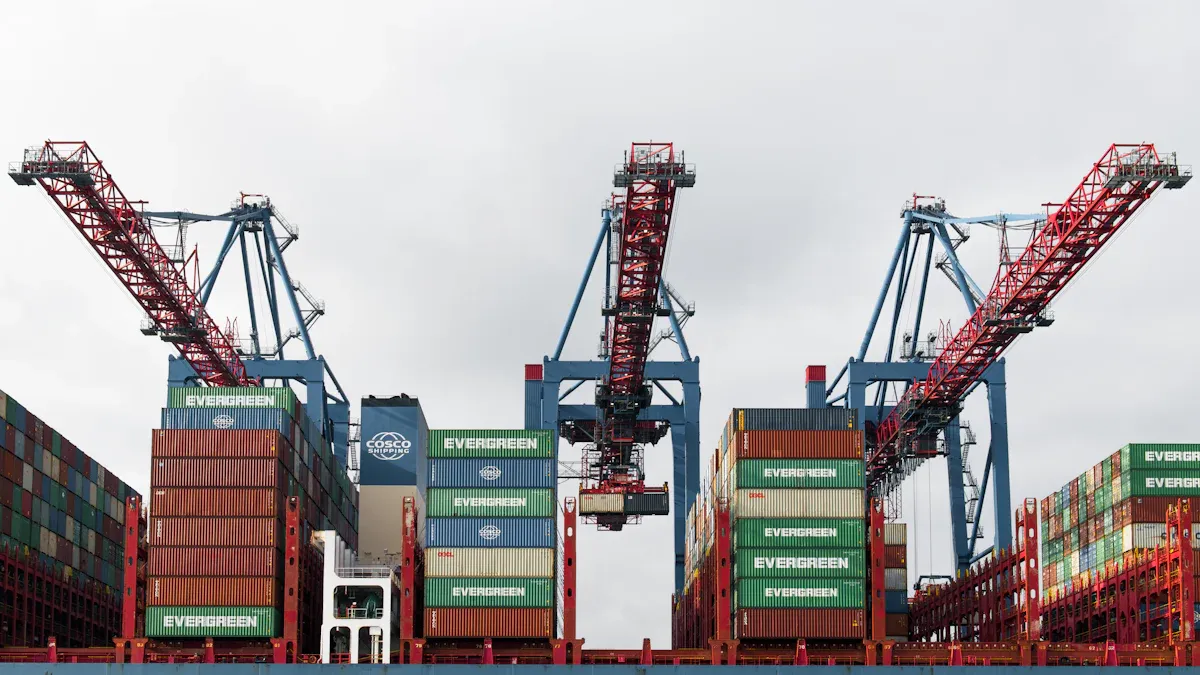
You often wonder why your cargo crane cycle time keeps drifting. This issue impacts your port machines and container handling tools. By addressing why your cargo crane cycle time keeps drifting, you can shorten turnaround times and reduce costs. CEGC provides solutions to help you understand why your cargo crane cycle time keeps drifting. Many workers view why your cargo crane cycle time keeps drifting as a challenge for safety and work speed. By learning why your cargo crane cycle time keeps drifting, you can enhance your operations and minimize downtime.
Key Takeaways
-
Regular maintenance is very important. It helps find problems early. This stops crane load drift. It also cuts down on downtime.
-
Training operators makes things safer and faster. Skilled operators notice drift sooner. They also move loads more carefully.
-
Using anti-sway control systems keeps loads steady. These systems lower drift. They also make the whole operation safer.
Causes of Crane Load Drift and Cycle Time Drift
Crane load drift and cycle time drift happen a lot in ports. You can see these problems with many machines, like portal cranes, container cranes, and ship cranes. If you know the main causes, you can stop accidents and downtime. This also helps your overhead crane work better.
Mechanical Wear and Hydraulic Cylinder Drift
Mechanical wear is a big reason for crane load drift. The moving parts in your overhead crane rub together and get stressed over time. This makes small spaces and loose spots in the system. Hydraulic cylinder drift happens when seals break or valves leak. You might see the load move or drop slowly, even if you do not touch anything. This kind of drift can make loads fall and cause more accidents.
Hydraulic system failures can come from:
-
Leaks inside pumps and control valves
-
Pressure changes from worn spools
-
Heat damage when lifting heavy things
-
Dirty fluid in valves
-
Hoses getting weak from pressure changes
If you ignore these problems, crane load drift gets worse. Doing regular maintenance helps you find these problems early. You can use special monitoring systems to catch drift before it gets bad. If you use different systems for load and winch force, you might have slow communication and harder maintenance. This makes crane load drifting tougher to handle.
Maintenance Gaps and Operator Variability
Missing maintenance is a common reason for crane load drift. If you skip checks, small problems can turn into big ones. You will see more drift, especially with overhead cranes. Operators matter too. Different skills and habits make results change. Some operators might not see drift early or act too late.
You should try to:
-
Keep up with all maintenance
-
Teach operators to spot and report drift
-
Use one system to avoid confusion
If you only trust experience, you might miss early warnings. Monitoring systems help you fix problems before they get worse. This cuts down on crane load drift and keeps your overhead crane safe.
Environmental Factors and Load Sway
Things like wind, temperature, and humidity can change crane load drift. Wind is a big problem for overhead crane operators. Strong wind pushes the load, making it sway and drift. Bigger loads catch more wind and drift more. Lifting loads higher means wind gets stronger, so drift gets worse.
Other things that matter are:
-
Local land shapes, which can make sudden wind gusts
-
Crane type and setup, which change how the crane moves in wind
-
Temperature changes, which can affect fluid and metal parts
You need to watch the weather and site conditions. This helps you change how you use your overhead crane and lower drift. Anti-sway systems can help you control the load, even in bad weather.
Control System and Software Issues
Problems with control systems and software can cause crane load drift. If your overhead crane uses old or badly set up software, you might see drift. Sensors and controllers must work together to keep the load steady. If there are problems or delays, the load can move in ways you do not expect.
Modern anti-sway and safe lifting control systems give you many good things:
|
Feature |
Benefit |
|---|---|
|
Instant recognition of contact |
Finds strange movements fast, stopping small problems from getting worse. |
|
Monitors hook and load behavior |
AI checks angles and speed, seeing things operators might miss. |
|
The system acts in milliseconds, making things safer in busy places. |
|
|
Smart Brake Activation |
Brakes turn on by themselves to stop crashes and steady loads. |
|
Intelligent Movement Control |
The crane moves smoother, making work easier and safer. |
|
Consistent behavior across shifts |
The system adjusts for different loads, keeping things steady every time. |
|
Enhances operator confidence |
Operators feel less tired and can focus on safe lifting. |
|
Higher safety compliance |
The system checks safety rules before lifting and while working. |
|
Reduced accident risk |
Fewer accidents mean less downtime and lower costs. |
|
Longer equipment life |
Smooth movement means less stress, so crane parts last longer. |
|
Increased lifting accuracy |
The hook stays steady and does not sway, so work is more exact. |
You should use new control systems to cut down on crane load drift and cycle time drift. These systems help you stop brake problems and lower the chance of crane skew and alignment mistakes. They also help you avoid crashes and keep your overhead crane safe.
Tip: Always check your control system settings before you start work. This helps you find drift early and saves you from losing time.
Crane load drift, load drift, and crane load drifting are not just hard words. They are real problems that can change your work every day. If you know what causes them, you can keep your overhead crane safe and working well.
Minimizing Load Drift and Optimizing Cycle Time
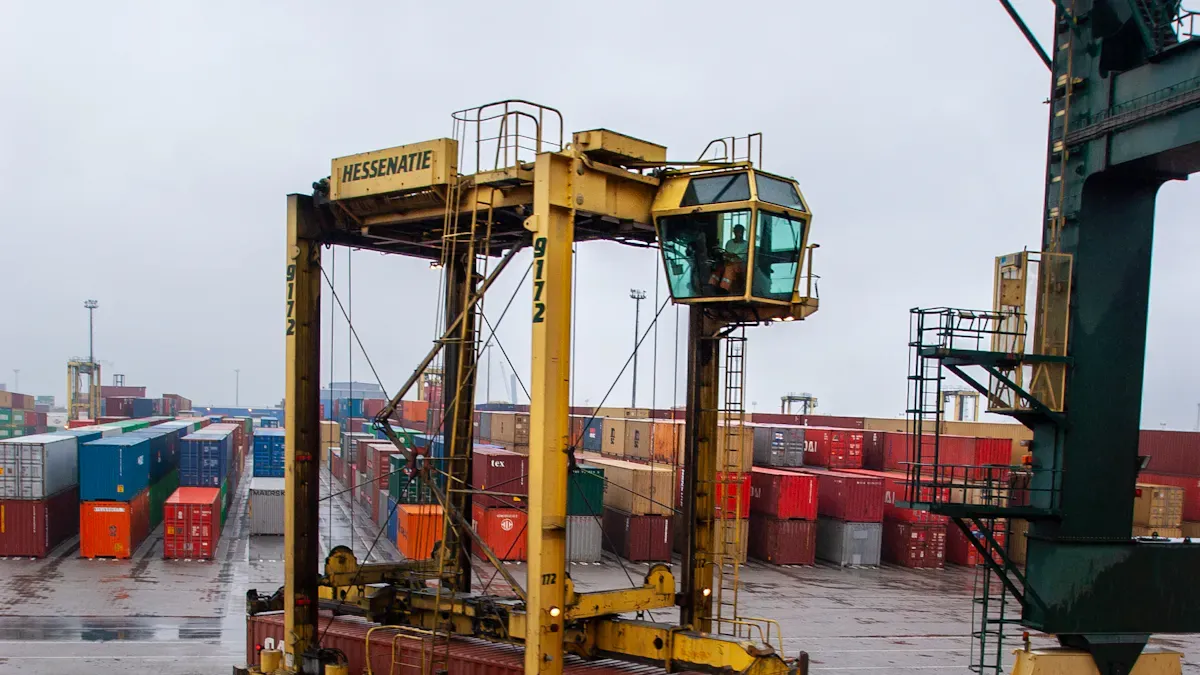
Anti-Sway and Safety Control Solutions
You can make your overhead crane work better with anti-sway control systems. These systems help keep the load steady and stop it from drifting. Using anti-sway technology makes your work safer and reduces crane load drift. Old ways let the load swing more, which can cause accidents and slow down your work. Anti-sway systems help you place loads more exactly and avoid crashes.
Here is a table that compares anti-sway control systems and old methods for ship cranes:
|
Aspect |
Anti-Sway Control Systems |
Traditional Methods |
|---|---|---|
|
Load Oscillation |
Minimized |
High |
|
Risk of Collisions |
Drastically Reduced |
Higher |
|
Cargo Damage |
Reduced |
More Likely |
|
Operational Efficiency |
Improved |
Standard |
|
Precision in Handling |
Increased |
Standard |
You can see anti-sway systems help lower load drift and keep your overhead crane safe. CEGC has anti-sway solutions for portal cranes, container cranes, and ship cranes. You can pick the right sensors, safety locks, and certifications for your site.
Tip: Use anti-sway control to keep your load steady and lower drift. This helps protect your cargo and your workers.
Motion Coordination and Throughput Optimization
You can make your cycle time better by improving how your crane moves. When you match up crane movements, you waste less time and work goes smoother. Good motion coordination lets you move loads faster and lowers drift. You can use live data to plan lifts and handle sudden changes.
Here are some ways to make container handling equipment work better:
-
Good dispatching matches vehicles with crane cycles, so you waste less time and work flows better.
-
Planning that changes with volume helps you use equipment well when things get busy.
-
Wheeled operations make moving containers and trucks faster, so things run smoother.
-
Using real-time data helps you use cranes, trucks, and storage space better, so there are fewer delays and more work gets done.
-
Predictive analytics spot problems early, so operators can fix them fast.
You can use CEGC’s motion coordination systems to cut load drift and make cycle time better. These systems let you set speed levels, work cycles, and automation. You can connect them to your terminal workflow for better results.
Note: Motion coordination keeps your overhead crane moving smoothly. This lowers drift and helps you get more done.
Predictive Maintenance and Energy Efficiency
You can stop crane load drift and downtime by using predictive maintenance. When you watch your overhead crane, you find problems early and avoid sudden breakdowns. Predictive maintenance uses AI to check data and spot signs of drift or worn parts. You can fix things when needed, not just on a set schedule.
Here are some good things about predictive maintenance:
-
You fix problems before they cause breakdowns, so you have less downtime.
-
You make your work smoother and your operations stronger.
-
You get more done and spend less money.
-
AI-powered predictive maintenance saves money on repairs.
-
It finds equipment problems early by looking at data.
-
Fixing things on time stops emergency repairs and makes equipment last longer.
Predictive maintenance also helps save energy. Well-kept overhead cranes use less power and last longer. You spend less on labor and parts, and you help the environment. CEGC gives you ways to set up monitoring, alarms, and power options for your overhead crane.
Callout: Predictive maintenance keeps your overhead crane working well. This lowers drift and saves energy.
Operator Training and Standardization
You can lower cycle time drift and crane load drift by training your operators. Skilled operators move loads more carefully and notice drift sooner. Simulation training lets you measure how well operators do in different situations. You get data on how they handle loads and how fast they work, which helps you certify them and keep standards the same.
|
Key Factor |
Description |
|---|---|
|
Cycle Time |
Depends on planning lifts and order, which affects how fast things get done. |
|
Equipment Reliability |
Makes sure cranes work, so there are fewer delays. |
|
Operator Skill |
Skilled operators avoid delays; training makes them better. |
Standard certification shows operators are ready. Training the same way every time makes operator growth based on data. This cuts down on differences and helps people learn faster. You can use CEGC’s operator HMI and guided support to make training easier and better.
-
Simulation training measures skills in different situations.
-
It gives clear data on load handling and how fast work gets done.
-
Data-based certification keeps standards the same.
-
Standard training means less guessing about skills.
-
Training the same way cuts down on differences and helps people learn faster.
Tip: Train your operators and use the same steps every time. This keeps your overhead crane safe and lowers drift.
You can lower load drift and make cycle time better by using anti-sway control, motion coordination, predictive maintenance, and operator training together. CEGC has solutions and options for automation, anti-corrosion, and maintenance plans. You can pick what works best for your portal crane, container crane, ship crane, or container handler. Checking your crane often and doing the right maintenance keeps it working well and lowers drift. You can place loads more exactly and make your port safer and more efficient.
You notice overhead crane drift when parts wear out, alignment is off, or electrical faults happen. The table below lists the main reasons:
|
Cause |
Description |
|---|---|
|
Mechanical wear |
Old parts make drift worse and slow loads. |
|
Alignment issues |
Bad alignment changes how loads move. |
|
Electrical issues |
System faults make cycle time drift happen. |
Checking your crane often and updating technology helps you find drift early. You make things safer and keep your overhead crane working well. Using CEGC solutions cuts downtime and keeps loads steady. You should inspect your crane a lot and teach your team. This keeps drift small and makes your port safer.
-
Loud scraping noises or more power used mean crane drift.
-
Acting early stops drift and keeps loads safe.
Tip: Do preventive maintenance and use smart systems to control drift and protect your overhead crane.
FAQ
What causes load drift in cargo cranes?
Load drift happens when parts get old or hydraulic cylinders leak. Wind can push the load and make it move. How well the operator works also changes how the load moves.
How can you reduce load sway and improve load placement?
Anti-sway systems help keep the load from swinging. These systems let you put the load where you want, even if it is windy.
Why does cycle time drift happen with heavy load operations?
Heavy loads make the crane work harder. Cycle time drift shows up when the load moves slow or the crane takes longer to steady the load.
Tip: Check the load before you lift it. This stops accidents and keeps the load safe.
-
Train operators to move the load with care.
-
Use predictive maintenance to find load drift early.
-
Watch the load with sensors for better control.
|
Factor |
Impact on Load Drift |
|---|---|
|
Mechanical Wear |
Makes the load move more |
|
Wind |
Causes the load to sway |
|
Operator Skill |
Changes where the load goes |
|
Control System |
Helps keep the load steady |
Note: You make things safer and faster when you keep the load steady.


