
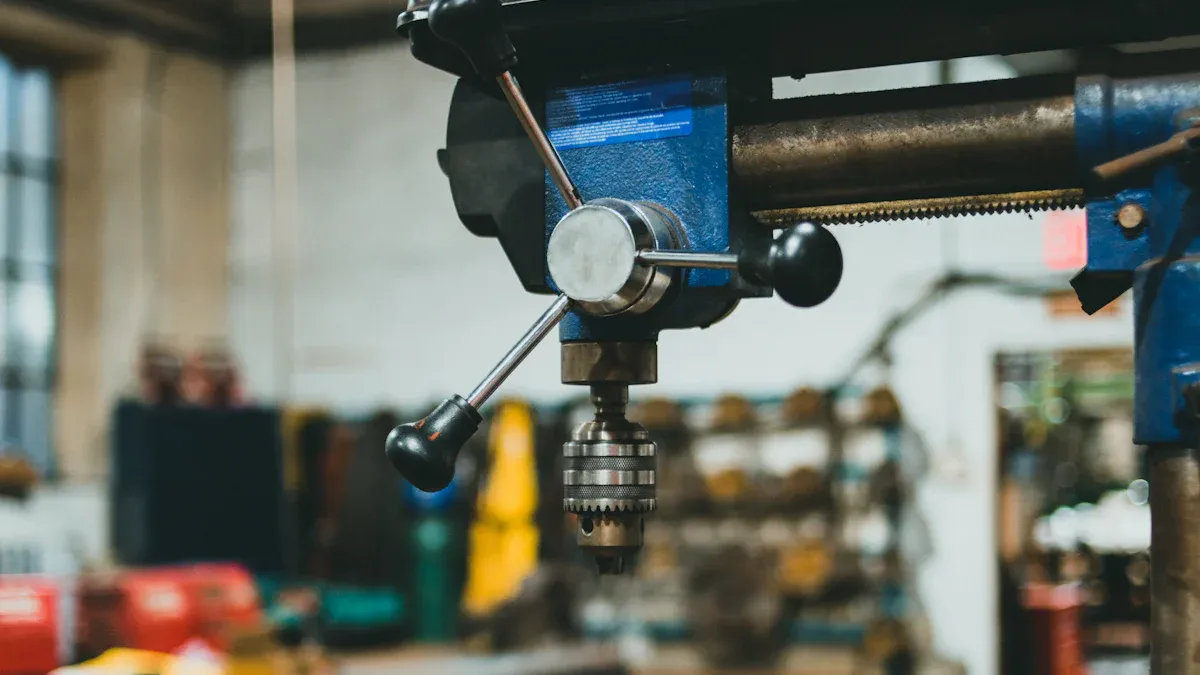
You have a hard time drilling deep, tough formations. Pick a horizontal directional drilling machine or Trenchless Drilling Rig from CEGC for your drilling jobs. Drill Rig 50m Layer Power Beats Formation Resistance gives you the right strength and accuracy for drilling. Your drilling project should get good, steady results.
Key Takeaways
-
Pick the correct drill rig for your job. A 50m hydraulic drilling rig gives strong power and good accuracy for hard formations.
-
Always use a drilling rig that fits the ground conditions. This stops tools from getting stuck and helps you work faster.
-
Use guidance systems to keep your borehole straight. This saves money on fixing mistakes and makes drilling safer.
Drill Rig 50m Layer Power Beats Formation Resistance
Drilling Objectives for Deep Resistant Layers
You face tough challenges when you drill into deep, hard layers. The drill rig 50m layer power beats formation resistance when you match the right machine to your site. You want to reach a drilling depth of 50 meters. You need to keep your bore straight and avoid stuck tools. You want to finish your exploration on time and within budget. You also want to protect your equipment from damage.
When you plan your exploration, you must think about the type of formation. Hard rock, mixed soils, and dense clay all need different approaches. You want a 50m hydraulic drilling rig that gives you enough power and control. You need a rig that can handle the pressure and torque at this depth. You also want to keep your drilling safe and steady.
Your main goals for exploration at this depth include:
-
Reaching the target drilling depth without delays.
-
Keeping the borehole straight and on target.
-
Avoiding stuck pipe and tool failures.
-
Managing tool wear and keeping costs low.
-
Getting reliable data for your exploration project.
Comparing Rig Types for 50m Depth
You have several choices for drilling at 50 meters. Each rig type works best in certain conditions. Let’s look at the main options:
|
Rig Type |
Best For |
Key Features |
Limitations |
|---|---|---|---|
|
Rotary |
Soft to medium soils |
Fast drilling, simple setup |
Struggles in hard rock |
|
Percussion |
Loose or broken ground |
Good for gravel, easy to move |
Slow in deep, hard layers |
|
Hard, mixed, or urban sites |
Precise, less surface impact |
Needs skilled operator |
You want a drill rig 50m layer power beats formation resistance. Rotary rigs work well in soft soils but lose efficiency in hard formations. Percussion rigs help in loose ground but slow down at greater depth. The 50m hydraulic drilling rig with HDD technology gives you the best mix of power, control, and precision. You can use it for exploration under roads, rivers, or buildings. You get a clean job site and less disruption.
When you use a horizontal directional drilling machine, you can steer the bore path. You can avoid obstacles and keep your drilling on track. You also reduce the risk of stuck pipe and tool damage. This makes your exploration safer and more reliable.
CEGC Horizontal Directional Drilling Machine Advantages
You want a drill rig 50m layer power beats formation resistance that meets your project needs. CEGC offers a 50m hydraulic drilling rig with market-standard specs. You get project-based customization for your exploration.
Here are some key advantages you get with CEGC’s horizontal directional drilling machine:
-
Precision Guidance: You keep your bore on line and grade. You avoid costly rework and penalties.
-
Stable Power and Torque: You get a rig that matches the demands of your drilling depth. You handle torque spikes and tough formations with ease.
-
Durable Tooling: You use standard and custom tools. You reduce tool wear and save on consumables.
-
Fluid Management: You get help with mud mixing, pump sizing, and filtration. You keep your bore stable and avoid fluid loss.
-
Custom Options: You choose the right rod size, control system, and tracking features for your exploration.
Tip: Always match your 50m hydraulic drilling rig to your site’s geology and your project’s drilling depth. This helps you get the best results and avoid downtime.
You can trust CEGC to support your exploration. You get a drill rig 50m layer power beats formation resistance that works for your site. You can ask for special features or upgrades. You get a rig that fits your budget and your drilling goals.
Key Selection Criteria for 50m Hydraulic Drilling Rig
Power, Torque, and Penetration Rate
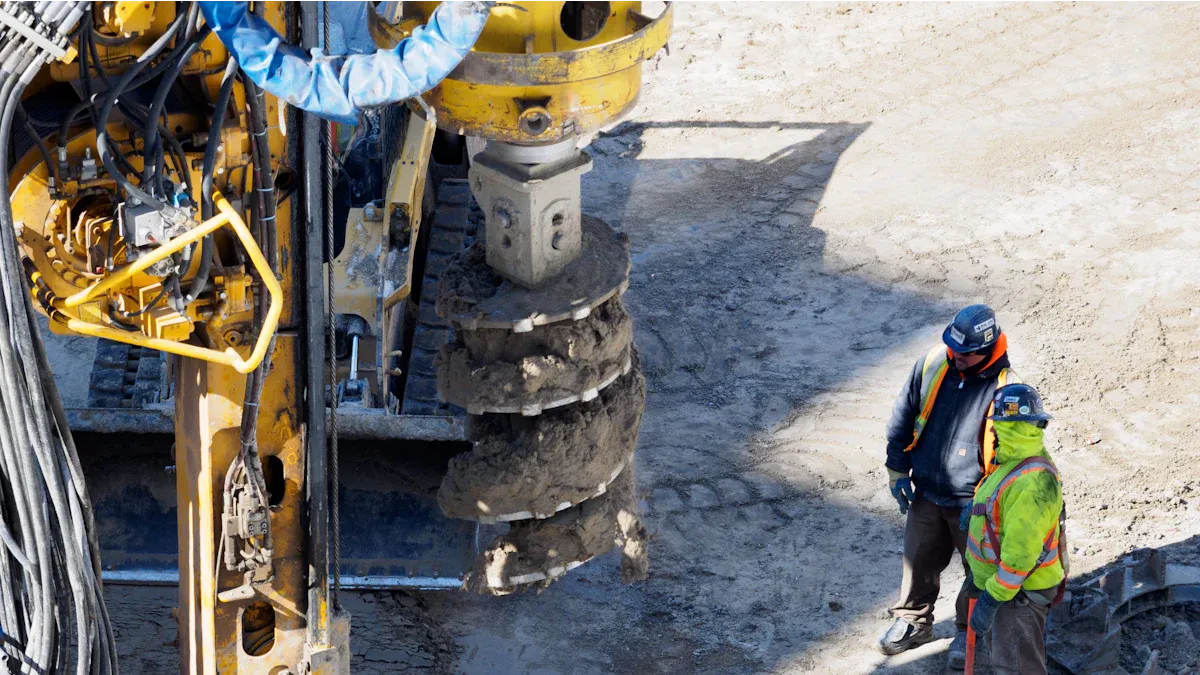
When you pick a 50m hydraulic drilling rig, you should check power and torque first. These features help you drill through tough layers. They let you reach the right depth for your project. High torque helps you drill in hard rock and dense soils. Strong power keeps your drilling steady. It helps you avoid stuck pipe or tool damage. You want a rig that keeps a good penetration rate in resistant formations. This lets you finish your borehole on time and control costs.
For geotechnical projects, match the rig’s power to the ground. If you drill for foundation or geotechnical investigations, you need a 50m hydraulic drilling rig that can push through mixed soils and rock. Always check the rig’s specs for maximum torque, thrust, and pullback force. These numbers show if the rig can handle your borehole at the right depth.
Precision Guidance and Stability
Accuracy is important when you drill a borehole for geotechnical or water well drilling rig projects. You want your 50m hydraulic drilling rig to keep the borehole straight and on target. This helps you avoid rework and keeps your drilling safe. Precision guidance systems use sensors and tracking tools. They help you stay on line and grade.
Here is a table showing the best ways to keep your borehole accurate at 50 meters:
|
Strategy |
Contribution to Accuracy |
|---|---|
|
High-Quality Components |
Reduces measurement drift with precision sensors and stable electronics. |
|
Temperature Compensation |
Adjusts readings for changes in heat or fluid density. |
|
Regular Calibration |
Keeps alignment with known standards over time. |
|
Proper Handling |
Protects measurements by avoiding cable problems. |
|
Data Filtering and Averaging |
Smooths out noise or changes in digital models. |
|
Environmental Corrections |
Improves depth calculations by using local conditions. |
Stability matters for your 50m hydraulic drilling rig. You want features that keep the rig steady during drilling. This helps you avoid borehole deviation and tool wear. The table below lists important stability features:
|
Feature |
Description |
|---|---|
|
Hydraulic System |
Gives precise control over drilling, making the rig stable and reducing deviation risks. |
|
Crawler Movement System |
Provides strong traction and stability, letting the rig stay in place in tough formations. |
|
Telescopic Mast Design |
Keeps the rig strong during drilling, reduces vibration, and helps with accurate drilling. |
When you use these features, you get better results for geotechnical investigations and foundation drilling. Your borehole stays on track, and you avoid costly mistakes.
Tooling and Durability Solutions
The right tools help your 50m hydraulic drilling rig work better. You want tools that last and can handle tough ground. For drilling in resistant layers, you need bits and hammers made from strong materials. DTH hammers use a streamlined piston layout and a hardened wear sleeve made from premium alloy steel. This design helps the hammer last longer, even in hard rock like sandstone or quartzite. You spend less time on maintenance and more time drilling.
Here are some top tooling choices for your borehole:
-
Red Diamond Blade: Has a domed carbide tip for strong, fast cutting in hard ground.
-
Steep Taper Ultrabit: Moves through tough layers without locking up, using carbide cutter blocks for long life.
-
Eagle Claw SD Drilling Rig Bit: Drills quickly and lasts longer with carbide hardfacing for extra toughness.
When you pick the right tools, you lower your costs and keep your 50m hydraulic drilling rig working longer. This is important for geotechnical and water well drilling rig jobs.
Fluid Management and Mud Integration
Good fluid management keeps your borehole clean and stable. Your 50m hydraulic drilling rig needs the right mud system to handle tough formations. Mud cools your tools, carries away cuttings, and keeps the borehole open. If you use the wrong mud or pump, you risk stuck pipe or borehole collapse.
You should choose a rig that works with electric or diesel mud pumps. Look for features like easy mud mixing, strong filtration, and cooling upgrades. For geotechnical investigations, you need to watch mud properties and change them as you drill. This helps you avoid fluid loss and keeps your borehole safe.
Tip: Always follow a mud program. Check your mud mix, flow, and pressure often. This keeps your drilling smooth and protects your tools.
Water Well Drilling Rig Considerations
If you use a water well drilling rig at 50 meters, you need to think about the drilling method and the rig’s limits. Rotary drilling works well for deep holes in hard rock. Percussive drilling is better for shallow or brittle rock. Core drilling helps you get rock samples for geotechnical analysis. Reverse circulation drilling combines rotary and percussive methods for fast sample collection.
Here is a table to help you choose the right method for your water well drilling rig:
|
Drilling Method |
Description |
|---|---|
|
Rotary Drilling |
Good for deep drilling in hard rock, using rotation and high torque. |
|
Percussive (Hammer) Drilling |
Best for shallow to medium depths in brittle or cracked rock, delivering strong blows. |
|
Core Drilling |
Used for getting rock samples, taking cylindrical cores for geological study. |
|
Reverse Circulation (RC) Drilling |
Combines rotary and percussive methods for faster sample collection in mineral exploration. |
|
Depth Capability and Rig Capacity |
Each rig has a maximum depth and load; going past limits can cause failure. |
|
Reliability, Durability, and Maintenance |
Pick rigs built strong to reduce downtime from mechanical failure. |
You must always check the rig’s depth rating and make sure it matches your project. For geotechnical and water well drilling rig jobs, reliability and easy maintenance help you avoid downtime.
Practical Example: Selecting a CEGC HDD Rig for a 50m Project
Let’s look at a real example. A contractor needs to drill a 50-meter borehole for a geotechnical investigation under a busy road. The ground has mixed soils and hard rock. The team picks a CEGC 50m hydraulic drilling rig with a high-torque powertrain and a precision guidance system. They use a Red Diamond Blade for the first layer and switch to a DTH hammer for the rock. The rig’s mud system keeps the borehole clean and stable. The crawler movement system holds the rig steady, even on uneven ground. The project finishes on time, with no stuck pipe or tool failures. The contractor saves money on tool wear and avoids costly rework.
When you pick a 50m hydraulic drilling rig, always:
-
Look at your project and ground conditions.
-
Check the rig’s specs for power, torque, and stability.
-
Make sure the rig meets safety and industry standards.
-
Think about the total cost, including maintenance and support.
-
Work with the manufacturer for training and service.
By following these steps, you get the best results for your borehole, whether you work in geotechnical, water well, or foundation drilling.
You need a drill rig with strong power for foundation jobs at 50 meters. The rig must have precise control to work well. Always check the foundation specs before you start drilling. Make sure the rig matches your foundation needs. Look at the table below to avoid mistakes that can cost more money and put your foundation at risk:
|
Mistake |
Recommendation |
|---|---|
|
Ignoring rod string harmonics |
Match rod length to hole depth for a solid foundation and lower cost. |
|
Assuming all “NQ” is equal |
Use true NQ specs for a stable foundation and less cost. |
|
Skipping pre-run calibration |
Test bits before drilling to protect your foundation and control cost. |
|
Overlooking core handling |
Handle cores right to keep foundation data safe and reduce cost. |
You can ask CEGC for help with your foundation drilling. Check every foundation detail and technical spec before you begin.
FAQ
What makes a truck-mounted drilling rig useful for medium-depth drilling operations?
A truck-mounted drilling rig is easy to move. It sets up quickly at different sites. It works well for drilling at medium depths. You get good drilling speed and efficiency.
How do geological conditions affect borehole stability?
You need to check the ground before drilling. Hard rock or loose soil can change how stable the borehole is. Using the right tools and methods keeps the borehole safe.
Can I use this rig for groundwater extraction?
This rig can help you get groundwater. It keeps the borehole steady. You can reach water at the depth you need.


