
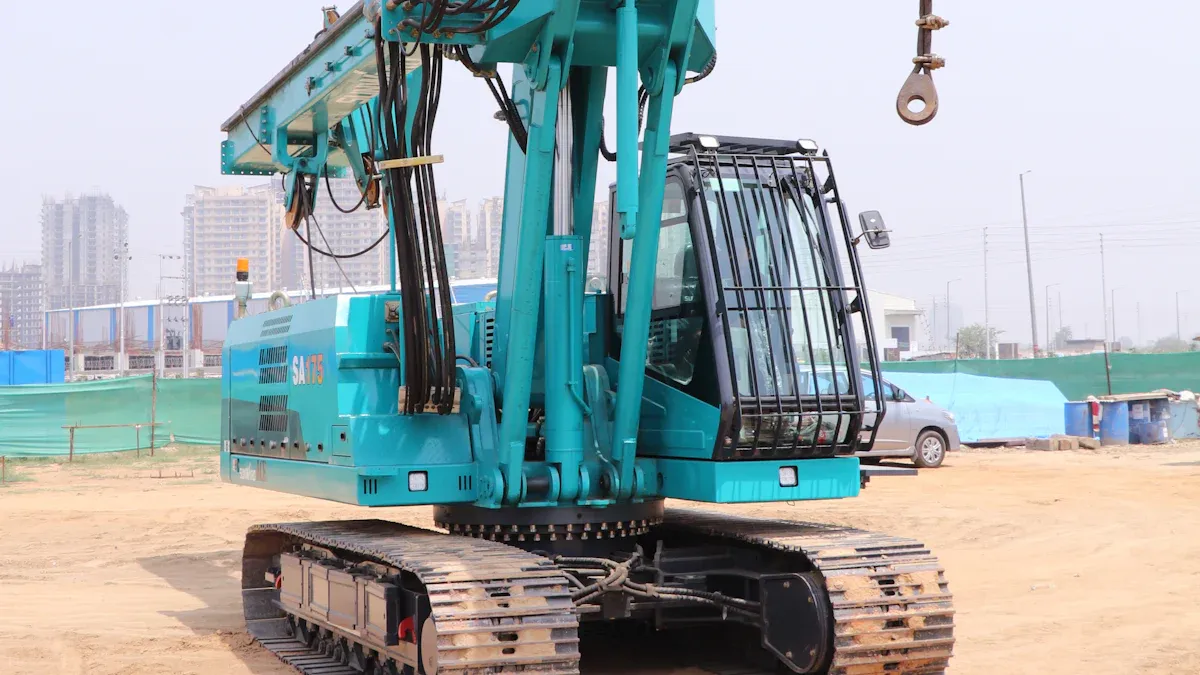
You can expect a horizontal directional drilling rig deep penetration to reach 200 feet in most projects. Some special rigs from CEGC can go as far as 1 to 3 miles. Deep penetration lets you put pipelines and cables under rivers or roads. Some things that affect depth are:
-
operator skills
-
drilling path control
-
equipment specifications
Key Takeaways
-
Most horizontal directional drilling projects go down about 200 feet. This depth works for many jobs like putting in pipes and cables. - Some special rigs can drill as deep as 3 miles. This helps when working under tough places like rivers and highways. - Things like the kind of soil, how skilled the operator is, and the equipment used are very important. These things can change how deep you can drill and if the job will work.
Horizontal Directional Drilling Rig Deep Penetration Limits
Typical and Maximum Depths
Most horizontal directional drilling rig deep penetration projects go down about 200 feet. This is enough for many jobs like putting in pipes or cables. Some big rigs, like the ones from CEGC, can drill much deeper. These special rigs use strong tools and new technology. In some cases, they can reach from 1 mile to 3 miles deep. These deep rigs help you get under rivers, highways, or other hard places. You need to pick the right rig for how deep you want to go and what your project needs.
|
Rig Type |
Typical Depth |
Maximum Depth |
|---|---|---|
|
Standard HDD Rig |
200 feet |
500 feet |
|
Specialized Large Rig |
1 mile |
3 miles |
Factors Affecting Depth
You have to think about a few things when planning horizontal directional drilling rig deep penetration. The type of ground is very important. Hard rock makes drilling slow and tough. Loose dirt, like quicksand, can make the hole walls fall in. Things underground, like old pipes or big rocks, can block your way and make you change your plan.
-
Loose soils can make the hole fall in and stop you from going deep.
-
Underground things may need special ways to drill and can change your goal.
You also need to look at your equipment. Stronger rigs and better drill pipes let you drill deeper. CEGC has rigs with good specs and can make rigs just for your job. You can match the power, push, and rods to your ground and how deep you want to go. What your project needs, like pipe size and how long the hole is, also matters.
Setback and Project Requirements
You have to plan where your horizontal directional drilling rig deep penetration will start and end. The shortest distance you need depends on the shape of the drill path, how much the drill pipe can bend, and the type of soil.
-
Shape of the drill path
-
How much the drill pipe can bend
-
Soil type
There is an easy rule you can use. For every 1 foot deep, plan for 5 feet across. This 5:1 rule helps you not bend the pipe too much. If you bend the pipe too far, it can break or get bent out of shape. You should also think about the angle you start at and how much the pipe can bend.
Tip: Always check how much your drill pipe can bend before you start. This keeps your tools safe and helps you finish your job.
CEGC can help you make your horizontal directional drilling rig fit your project. You can pick the right specs for how deep you want to go, the ground type, and how much you need to drill.
Technical Challenges and Solutions for Deep HDD
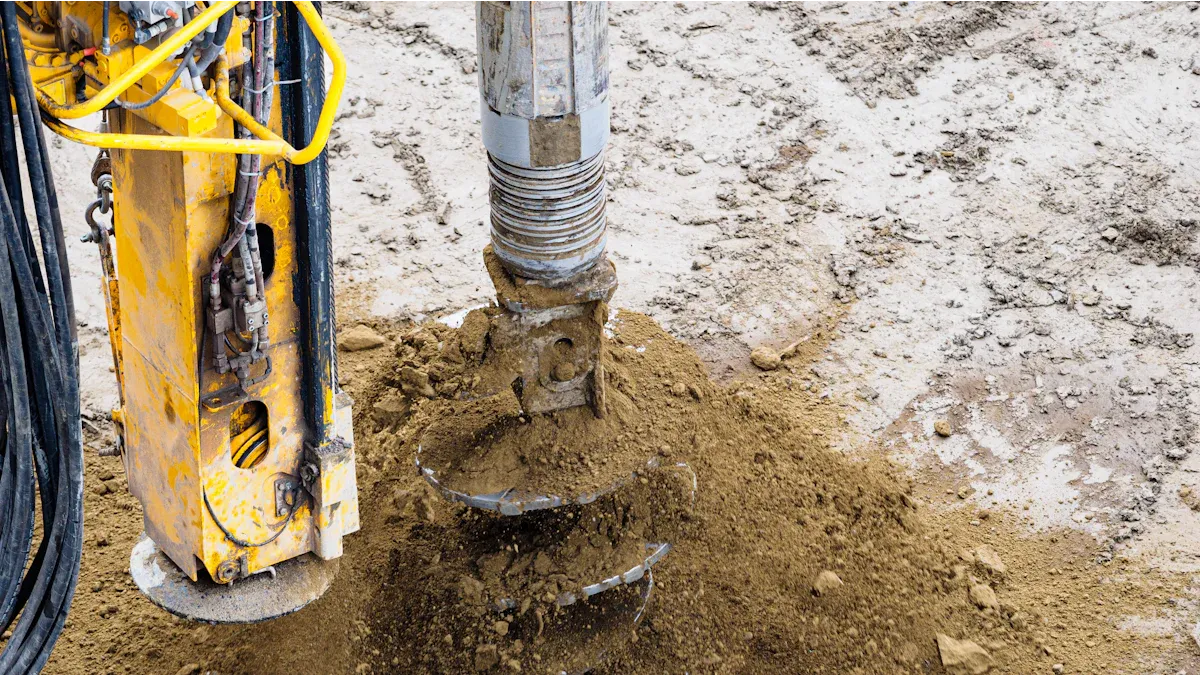
Bore Deviation and Guidance Systems
There are many problems with horizontal directional drilling rig deep penetration. One big problem is bore deviation. This means the drill head does not stay on the right path. It can happen if signals are weak or sensors are not in good spots. Sometimes, the operator gets tired and makes mistakes. The ground can also move and push the drill head away. You need strong guidance systems to keep the drill going straight.
|
Feature |
Importance |
|---|---|
|
Shows where the drill head is right now. This helps you steer better. |
|
|
Handling Signal Interference |
Keeps signals clear even when there is noise. This stops wrong readings. |
|
Depth Range |
Makes sure the locator works at the depth you need. This keeps you on track. |
CEGC rigs use smart steering and tracking systems. These help you reach your goal and avoid doing work again.
Stuck Pipe and Overload Protection
A stuck pipe can stop your work. Bad well design or not cleaning the hole can trap the pipe. Hard ground can also make the pipe get stuck. Shale can get bigger and loose soil can fall in around the pipe. You must watch drilling numbers and keep the hole clean. CEGC’s powertrain and overload protection help you keep working and not lose time.
Tool Wear and Durability
Deep drilling makes tools wear out fast. Hard rocks and rough soils make you change tools more often. This costs more money. CEGC rigs use strong rods made from special metals. One-piece rods last longer. Checking and oiling tools often helps them last and keeps you working.
Fluid Management and Frac-Out
Fluid management is very important for horizontal directional drilling rig deep penetration. You must stop the drill string from getting blocked. You also need to stop losing fluid and keep the hole safe. Drilling deeper makes pressure go up. If you do not control it, frac-out can happen. CEGC rigs have smart fluid systems. They help you follow the rules and keep fluids safe.
Cost and Instrumentation Considerations
Projects cost more when you drill deeper, use bigger pipes, or hit hard ground. New tools, like rotary steerable systems and networked pipes, help you save money and lower risks. These tools give you real-time data and better control. This helps you hit your target and finish on time.
Most horizontal directional drilling rigs can go as deep as 200 feet. Some special rigs can drill even deeper than that. The pipe material, the ground type, and the entry angle are important. These things help decide how deep you can drill. If you want the best results, you should talk to CEGC. They can make a plan just for your project.
|
Depth Limit (feet) |
Technology Required |
|---|---|
|
Up to 100 |
Standard drilling techniques |
|
Over 100 |
Advanced tracking technology |
Good fluid management helps keep your project safe. It also helps you spend less money.
FAQ
What is a horizontal well in directional drilling?
A horizontal well lets you drill sideways underground. This means you can reach places that are not right under the rig. It helps you go around things in the way and saves space.
How deep can you drill a horizontal well with modern rigs?
With advanced rigs, you can drill a horizontal well up to 3 miles deep. Most jobs do not need to go that far, but new technology makes it possible if you need to.
Why do contractors choose a horizontal well for utility projects?
Contractors pick a horizontal well to go under rivers, roads, or buildings. This way, the ground on top stays safe. You can finish the job faster and do not have to dig big trenches.
Tip: Always check the soil before you start a horizontal well. This helps you find the best path and avoid trouble.
|
Project Type |
Why Use a Horizontal Well? |
|---|---|
|
Utility Crossings |
Avoids surface disruption |
|
Pipeline Installation |
Reaches hard-to-access targets |


