
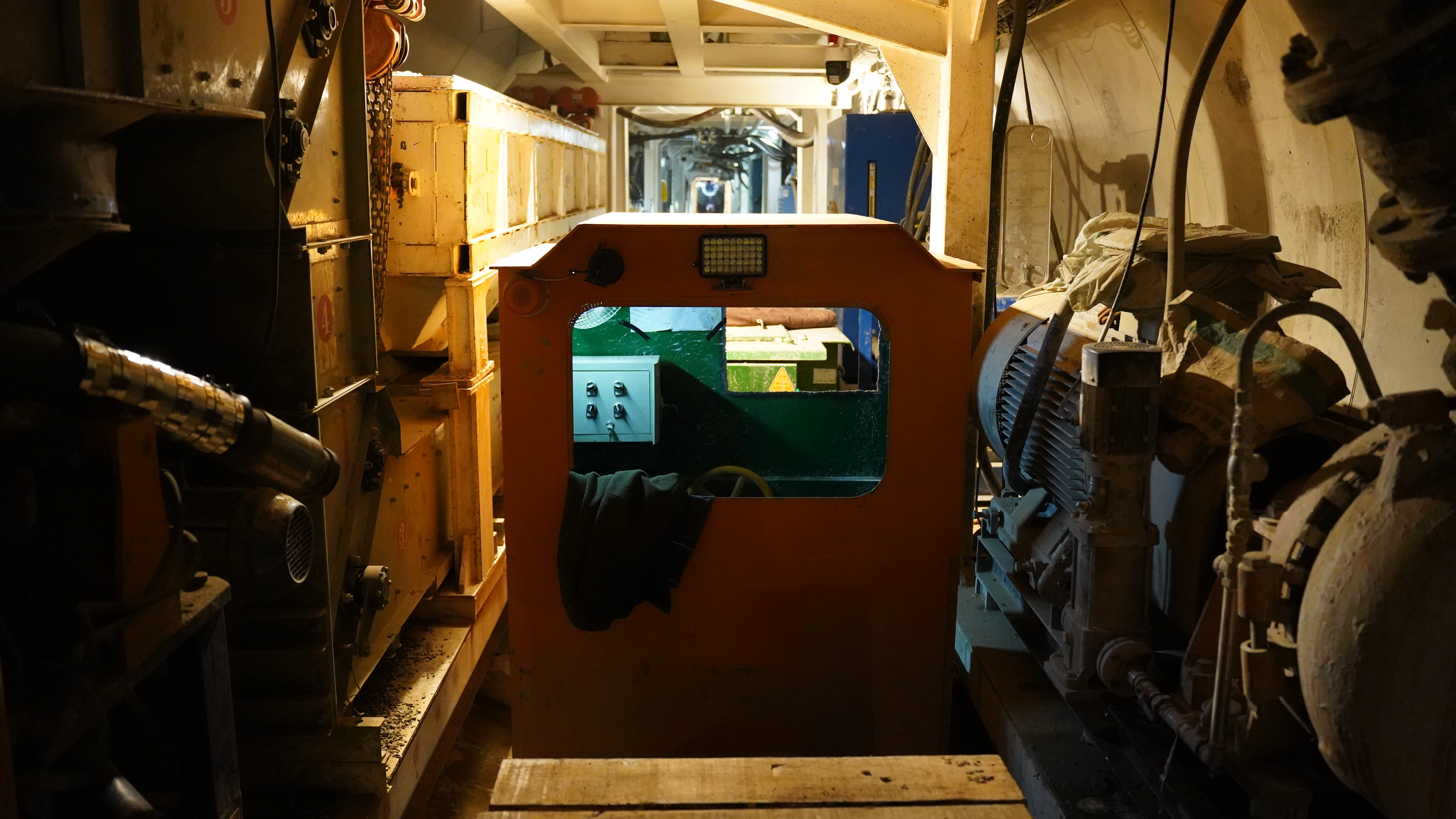
Grout imbalance can crack segments in a TBM tunnel. This happens when grout pressure is uneven or filling is poor. Tunnel segments do not get enough support. You might notice vertical bulging or joints that do not line up. These problems often cause leaks or damage to the structure. Good grouting, like what CEGC uses, keeps tunnels safe and strong for many years.
Key Takeaways
-
Grout imbalance happens when pressure is not the same everywhere. This can make cracks form in tunnel segments. Watch grout flow to make sure it spreads out evenly.
-
Check for early signs of cracks in segments, like wet spots or bumpy surfaces. Finding these problems early can stop big damage from happening.
-
Use good grouting methods and watch in real time to keep tunnel segments strong and straight. This helps keep the tunnel safe and makes it last longer.
Grout imbalance can crack segments in a TBM tunnel
What is grout imbalance
You may wonder what grout imbalance means in a tunnel boring machine project. Grout imbalance in TBM tunneling happens when the grouting pressure around the gap behind the TBM tail does not stay even. This gap sits between the outside of the segment ring and the ground. If the grouting system clogs or the grout does not flow smoothly, one side of the tunnel may get more grout than the other. This uneven pressure can cause the ground to move in ways you do not expect. Sometimes, you will see the surface above the tunnel settle or dip. Grout imbalance can crack segments in a TBM tunnel because the segments lose support and cannot share the load evenly.
How grout imbalance occurs in TBM tunneling
You can see grout imbalance develop during the construction process. When you use a tunnel boring machine, you install each segment ring right after the machine passes. The crew pumps grout into the space behind the segments. If the grout pump does not work well, or if the grout mixture gets too thick, the grout may not fill every part of the gap. Sometimes, the ground shifts or water enters the tunnel, making it hard to keep the pressure steady. Grout imbalance can crack segments in a TBM tunnel when the grout does not reach all sides of the ring. One side of the segment ring may press harder against the ground, while the other side floats or moves. This difference in support creates weak spots.
Why segment cracks form from grout imbalance
Grout imbalance can crack segments in a TBM tunnel for several reasons. When you do not have even grout pressure, some segments take more stress than others. The unsupported segments may bend or shift. You may notice cracks forming along the grout line. Grit can collect in these gaps. Micro-movement between tiles often starts. Water can seep through the cracks, and you may see water pooling along the fracture line. Even if the tunnel surface looks flat, it may stay wet for a long time. A slight depression can form along the crack, and pooling water can make the problem worse over time. One area of the tunnel may feel firmer than another, and you may notice different pressure responses under weight. The load does not spread evenly, so surrounding tiles start to absorb extra stress. Moss or other growth may appear inside the crack, and the area stays damp longer. This moisture can speed up material breakdown. Segment cracks often lead to leaks, misalignment, and even more cracks. You may see alignment issues as the segments shift out of place. Over time, grout imbalance can crack segments in a TBM tunnel and cause serious safety risks.
Tip: Always check for early signs of segment cracks, such as persistent moisture, uneven surfaces, or organic growth. These clues help you catch problems before they get worse.
You can find many examples of grout imbalance causing segment cracks in real projects. In one city tunnel, poor grout flow led to cracks and leaks within months of construction. The crew found that some segments had no grout support at all. They saw water entering through the cracks and noticed that the tunnel rings did not line up. The team had to stop work and inject more grout to fix the alignment issues and seal the leaks. This case shows how grout imbalance can crack segments in a TBM tunnel and why you must control the grouting process carefully.
Detecting and preventing segment cracks

Signs of grout imbalance and segment cracks
You can find segment cracks early if you know what to check. If you see wet spots that do not dry, it is a warning. Uneven tunnel floors or moss growing inside also mean trouble. Sometimes, the segments do not line up right. You might spot cracks along the grout line or water pooling near a break. These signs show the segments do not have enough support. Look for stress marks or bulges on the tunnel wall. If you see these things, you should check the tunnel closely.
|
Inspection Method |
Description |
|---|---|
|
Infrared Thermography (IRT) |
Uses thermal imaging to find temperature changes that show defects. |
|
Machine Learning Algorithms |
Analyzes data to spot patterns linked to segment cracks. |
|
Deep Learning Techniques |
Uses advanced image recognition to improve defect detection. |
|
Visual Examination |
Lets you see cracks and segment problems directly, but takes time. |
|
Drones |
Helps you inspect large tunnel areas quickly. |
|
Image Recognition Models (U-Net) |
Finds segment cracks in images with deep learning. |
|
Computer Vision Systems |
Checks visual data for possible cracks and segment defects. |
|
Sensors and Strain Gauges |
Measures changes in the tunnel to detect cracks and imbalance. |
Prevention and mitigation during TBM tunneling
You can stop segment cracks by using good methods. Always fill gaps with pea-gravel grouting so there are no empty spaces. Keep the grouting pressure even to make segments strong. Watch for pressure changes at the top and bottom of the tunnel. Handle and store each segment with care from start to finish. Use special lifting tools to keep segments steady. Add gaskets or seals to the joints so water cannot get in.
To fix cracks from grout imbalance, control the face pressures during tunneling. Check the weights and how much you dig out to keep things balanced. Use grouting to control ground movement and stop the ground from sinking. Grout injection can fix cracks and give support back to the segments. Barriers can help lower ground sinking and keep the tunnel safe. You must act fast when you see cracks to stop more damage.
You keep each segment safe in a TBM tunnel with good grouting. This helps stop cracks and makes the tunnel safer.
-
Good grouting keeps segments lined up, fills the annulus, and stops water from getting in.
-
You can lower the chance of cracks by checking for grout imbalance and fixing problems quickly.
|
Monitoring Practice |
Benefit |
|---|---|
|
Quality control checks |
Stop segment cracks and keep them lined up |
|
Real-time monitoring |
Find segment problems before cracks get worse |
You should always look for cracks and make sure segments stay strong.
FAQ
What is the main job of a tunnel boring machine?
You use a tunnel boring machine to dig tunnels safely and quickly. It cuts through soil or rock and builds the tunnel as it moves forward.
How do alignment issues affect tunnel safety?
You may see alignment issues when segments shift or crack. These problems can make the tunnel weak and unsafe if you do not fix them early.
Can you fix segment cracks after construction?
You can repair segment cracks with grout injection or special sealants. Quick action helps keep the tunnel strong and stops leaks from getting worse.


