
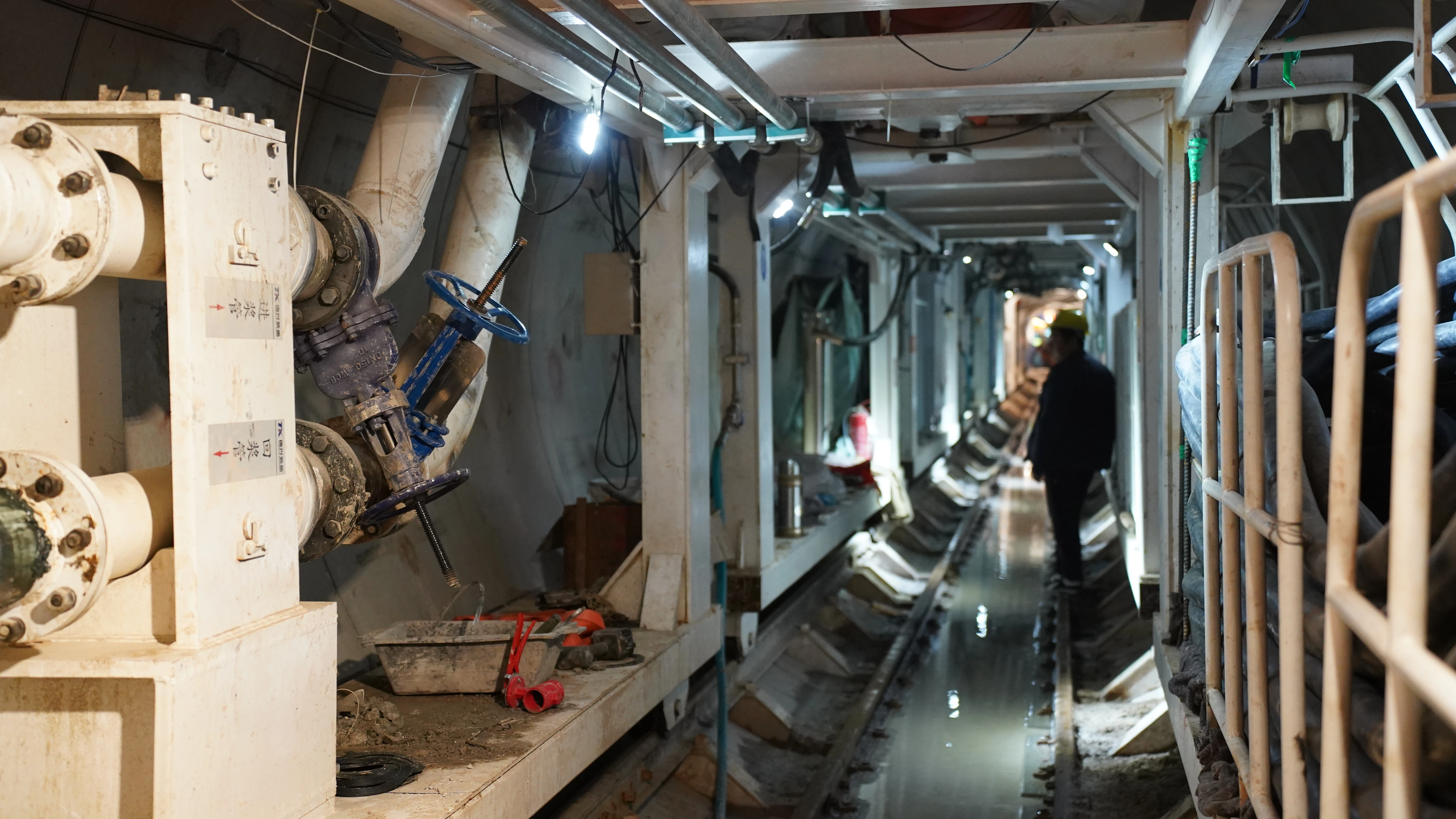
Micro tunneling grout control protects adjacent basements from water and ground movement, ensuring their safety during construction. The table below illustrates that vertical differential settlement decreases by 83% after grouting, while horizontal movement is also significantly reduced. CEGC employs specialized grout mixing and flow control techniques, which not only enhance safety but also help you save money and complete the project on schedule.
|
Measurement |
Before Grouting |
After Grouting |
Reduction |
|---|---|---|---|
|
Vertical Differential Settlement (mm) |
95.6 |
16.3 |
83% |
|
Maximum Tensile Stress (N/mm²) |
>1.19 |
<1.19 |
Safe |
|
Maximum Horizontal Displacement (mm) |
238.7 |
89 |
Significant |
|
Tilt Rate (‰) |
3 |
1 |
Decrease |
|
Cumulative Maximum Lifting (mm) |
N/A |
84.91 |
N/A |
|
Inclination Rate (‰) |
N/A |
0.07 |
N/A |
Key Takeaways
-
Micro tunneling grout control helps stop the ground from moving a lot. This keeps basements close by safe from harm during building work. Using good grouting methods, like permeation and compaction grouting, makes the soil stronger. It also stops water from getting in. This makes tunneling safer. Checking grout injection often and making sure it is done right finds problems early. This saves time and money and keeps things safe.
grout control in micro tunneling
definition and function
It is important to know how grout control works in micro tunneling. Grouting means putting special mixtures into the ground near a tunnel. This makes a barrier that stops water from getting into the tunnel. Grouting helps keep the tunnel dry and safe by blocking groundwater. You can use grouting before tunnel boring machines start digging. This lets you dig deeper with less water removal, even if the soil is soft or there is a lot of water.
Grouting makes strong walls around the tunnel that water and mud cannot get through. These walls help keep construction from hurting rivers and lakes. Using sleeve pipes with controlled pressure puts grout right where it is needed. This way, the ground gets stronger in a safe and smart way.
|
Functionality |
|
|---|---|
|
Compaction Grouting |
Makes the ground denser, stronger, and stiffer, so it can hold more weight and settle less. |
|
Permeation Grouting |
Fills spaces and makes soil steady without going through all the tiny holes, good for sandy ground. |
|
Jet Grouting |
Treats certain spots in soil or rock without much shaking, making the ground safer. |
soil stabilization and void filling
Grouting fills empty spaces and makes the soil around the tunnel stronger. This helps make the ground better for building safely. Grouting stops the ground from moving or sinking, which can hurt buildings nearby. When grout is put in, it fills holes and makes the soil harder. This lets workers stay safe, even when digging in soft ground or where there is a lot of water.
Grouting materials can be cement-based grout, sodium silicate, or microfine cements. Each one works best for different types of ground. You can change the mix and amount of grout to fit the soil and the job. This means you can always get the best results for making the ground stronger and filling gaps.
Grouting keeps water out, holds up the tunnel, and helps protect nature. You can trust these ways to make tunnels safe, strong, and last a long time.
risks without grout control
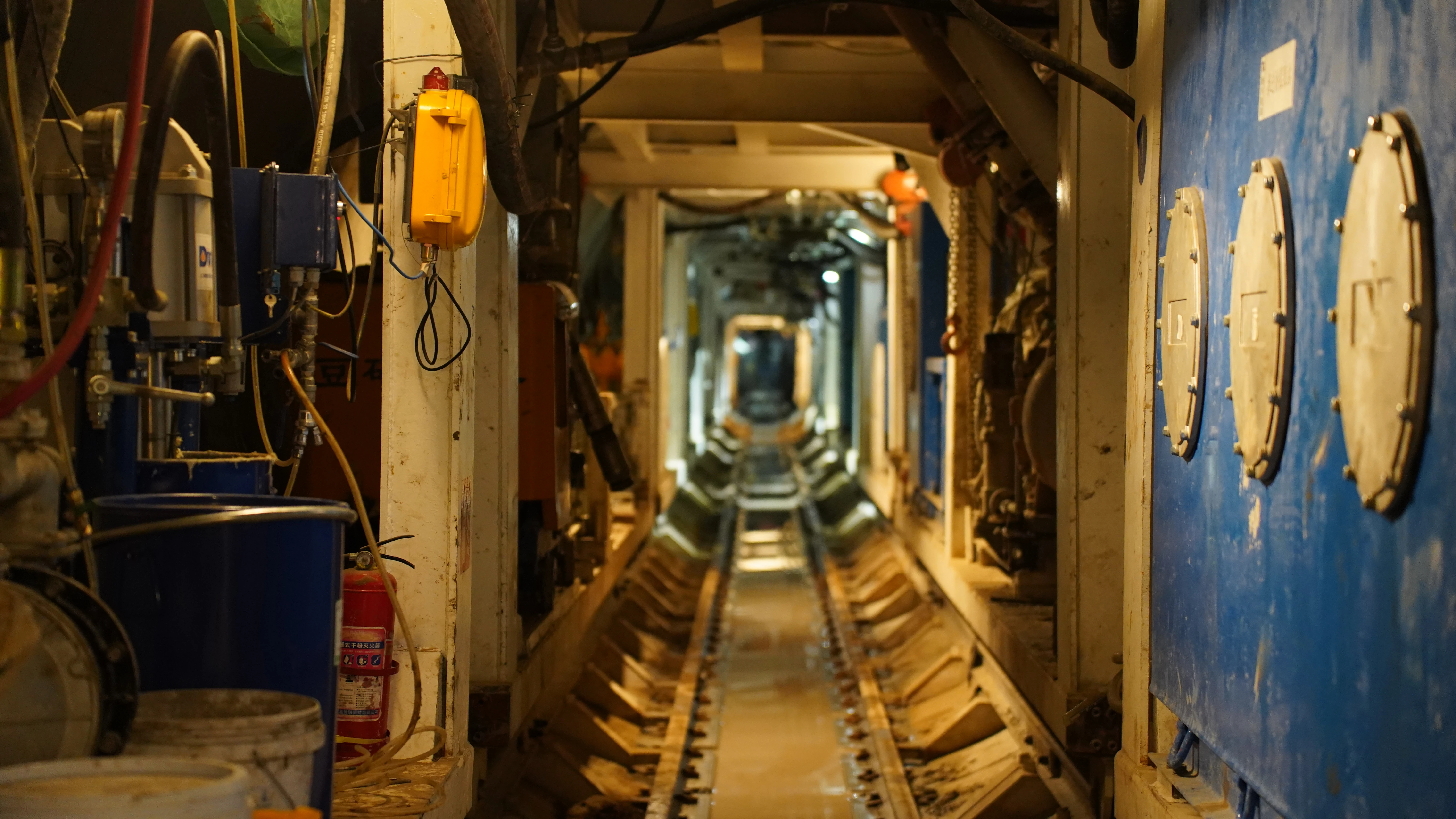
ground movement and settlement
If grout control is not used, there are big risks. The ground can move and settle, which can hurt basements and streets nearby. If grout injection pressure is not balanced, the ground gets weak and starts to change shape. This can make cracks in roads and break pipelines. The table below shows what happens when grout control is not done right:
|
Source |
Consequence |
|---|---|
|
AMIX Systems |
Ground loss can lead to significant damage to surface infrastructure and costly project delays. |
|
Nature.com |
Imbalanced grouting can cause substantial surface settlement affecting buildings and pipelines. |
|
Springer.com |
Grout injection pressure impacts surface settlement, with improper pressure leading to excessive ground deformation. |
Controlled grouting is important because it keeps the ground from sinking too much. It also stops the soil from moving sideways. This helps keep buildings and city services safe.
water ingress and instability
Water can leak into tunnels if grout control is not good. Underground water moves faster and takes soil with it, making the ground weak. You have to pick the right way to handle water pressure. If you let all the water drain out, the ground can fall in and sink. If you block all the water, the tunnel walls get pushed hard by water, which can make leaks. The best way is to balance water pressure to keep old buildings safe and protect nature.
-
Fully Drained Strategy: Lowers water pressure but can dry out the ground and hurt the environment.
-
Fully Waterproofed Strategy: Raises water pressure on tunnel walls, which can cause leaks.
-
Mainly Waterproofed with Limited Drained Strategy: Keeps water pressure and nature in balance.
structural damage to basements
Basements close to tunnels can get damaged if grout is not controlled. When the ground sinks, it can harm buildings, roads, and pipes. You need to keep shaking and sinking low to protect these things. Good grout control keeps nearby buildings and pipes safe and helps the project cost less.
|
Risk Type |
Description |
|---|---|
|
Ground Movement |
Happens when the ground loses its natural support during building work. |
|
Water Seepage |
Water under the ground can make the ground move faster, so you need good drainage and sealing. |
|
Structural Damage |
When the ground sinks, it can break buildings, roads, and pipes, which costs a lot of money. |
micro tunneling grout control protects adjacent basements
preventing ground loss
Micro tunneling grout control helps stop ground loss. Grouting fills empty spaces around the tunnel. This keeps soil from moving into the tunnel area. The ground stays steady and safe for nearby basements. Controlled grouting makes a strong wall that holds the soil in place. This is very helpful in cities with buildings close together.
The table below shows how different ways help lower ground loss near basements:
|
Findings |
Impact on Ground Loss |
Method Used |
|---|---|---|
|
Segmentation of tunnel lining |
Numerical simulations |
|
|
Presence of building foundation |
Reduces tunnel uplift by 29% and ground surface uplift by 21% |
Interaction analysis |
|
Permeation grouting method |
90.7% reduction in seismic soil-surface structure-underground structure interaction |
Grouting technique |
Grouting methods like permeation grouting help a lot. These ways help you avoid expensive repairs and finish your project on time. CEGC’s Microtunnelling Machine uses special grouting systems for better results. This lets you pick the best way to protect buildings next to your project.
maintaining soil integrity
It is important to keep the soil strong during tunneling. Micro tunneling grout control helps basements by making soil denser and less likely to move. Compaction grouting is a way to make soil stronger and stiffer. You can use this without hurting the ground under basements. It works by pushing grout into the soil at high pressure. This fills loose spots and packs the soil together.
Compaction grouting helps keep soil firm near basements. The ground does not shift while you build. You can use this method from many angles to reach under foundations. This keeps your project safe and lowers the chance of sinking.
The table below shows how grouting techniques help keep the ground steady:
|
Technique |
Description |
|---|---|
|
Compensation Grouting |
Used worldwide for controlling deformation of geo-structures by restoring excessively deformed tunnel linings. |
|
Permeation Grouting |
Stabilizes running sands and creates a solidified matrix without causing ground displacement. |
|
Compaction Grouting |
Re-densifies poorly placed or loosened surficial soils during tunneling to prevent structural settlement. |
These methods help keep soil strong and protect your project from problems.
sealing against water intrusion
Water can cause big trouble if it gets into tunnels. Micro tunneling grout control keeps water out of basements. You can use different grouting ways to stop leaks in tunnels and basements.
-
Permeation grouting puts thin grout into sandy soil. This makes the soil stronger and blocks water.
-
Compensation grouting helps balance ground movement and keeps tunnels steady. It also helps control water.
-
Jet grouting uses strong jets to mix soil and grout. This makes a hard wall that water cannot get through.
You can also use shield tail sealing systems made for your project. These have special brushes and seals to keep water out while tunneling. The grout must set fast and meet high quality rules. For example, you should check the accelerator amount and use clean water that meets ASTM rules. Fast-setting grout stops leaks and helps your project move quickly.
Micro tunneling grout control uses all these ways together. This gives you a dry tunnel and strong support for nearby buildings. CEGC’s Microtunnelling Machine gives you the tools to seal out water and finish your project safely.
Tip: Always check grout quality and how fast you inject it. This helps you find problems early and keep your project safe.
By using micro tunneling grout control, you can stop ground loss, keep soil strong, and block water. This gives you the best chance for a safe and successful project that does not cost too much.
best practices for grout control
monitoring and quality assurance
It is important to watch grout control closely during micro tunneling. This helps you find problems early and keep everyone safe. You should follow these best steps:
-
Check grout injection as it happens. This helps you see if grout fills every space.
-
Test grout samples many times. You make sure the mix is strong and flows well.
-
Measure how much grout you use. This tells you if all gaps are filled.
-
Use sensors to watch tunnel movement. You can spot changes before they cause harm.
Watching the tunnel all the time keeps things safe. Checking quality makes sure grout works right. You protect basements and do not have to pay for big repairs.
Tip: Always write down your grout tests and injection numbers. This helps you show your work meets safety rules.
case studies and examples
You can learn a lot from real projects that used good grout control. The table below gives two examples:
|
Case Study |
Location |
Challenge |
Solution |
Result |
|---|---|---|---|---|
|
1 |
London, UK |
Subway extension near tunnels with loose sand layers |
Permeation grouting with microfine cement at 1-meter spacing |
Settlement under 2 mm |
|
2 |
Boston, USA |
Renovation of a 19th-century church needing foundation support |
Sodium silicate-based permeation grouting for silty sand |
No structural movement |
These projects show that careful grout control keeps old buildings and basements safe. You can use these ways to help your own project.
If you want to pick the best way, CEGC has a service to compare costs before you start. This lets you look at micro tunneling and open cut. You get expert help and can show others the safest and cheapest choice.
When you use micro tunneling grout control, basements stay safe from water and ground movement. This also helps stop damage to buildings. Experts say you should use good grout, inject it carefully, and watch the process closely. These steps make your project safer and help save money.
|
Recommendation |
Description |
|---|---|
|
High-quality grout |
Makes tunnel parts strong and keeps water out. |
|
Precise injection control |
Keeps grout the same everywhere during work. |
|
Advanced monitoring |
Lets you see problems fast and fix them quickly. |
You can talk to CEGC if you want help picking the best way or checking costs.
FAQ
Is micro tunneling always more expensive than open cut?
You may pay more upfront for micro tunneling. You often save money on indirect costs like traffic control, road repairs, and business disruption.
What tunnel lengths work best for a Microtunnelling Machine?
You get the most value for crossings longer than 20 meters. Shorter runs may not cover the setup cost.
How long does micro tunneling setup take?
You can expect setup to take several days to a few weeks. The time depends on ground conditions and project size.


