
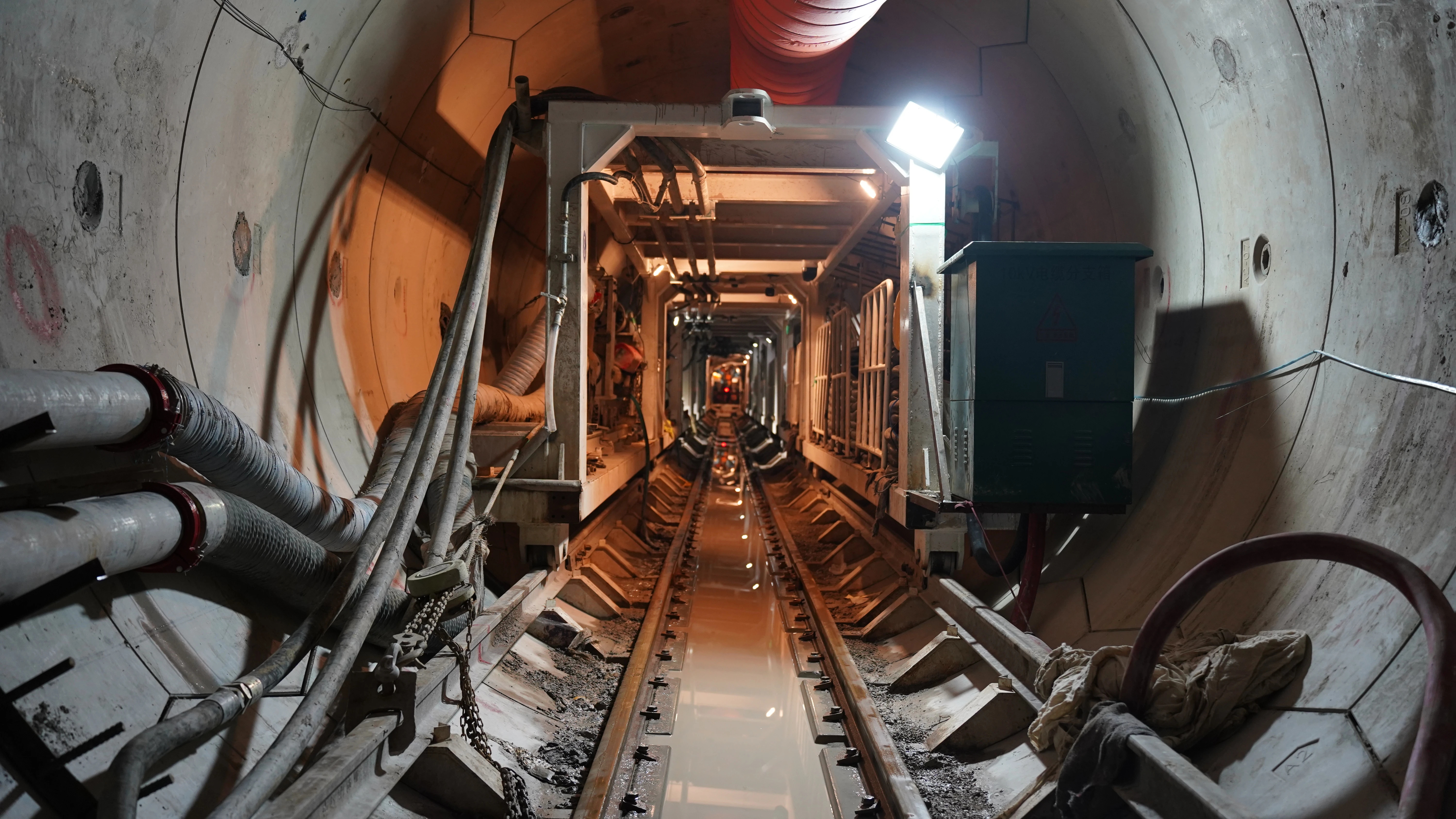
TBM machine grouting faults can cause long stoppages in your project. You might notice water intrusion that can damage electrical and hydraulic circuits. This can lead to unstable ground conditions, putting nearby buildings at risk. Additionally, you may face equipment repairs, which can increase costs. CEGC is here to help you avoid these issues and ensure your project is completed on time.
Key Takeaways
-
Grouting faults can cause big project delays. Fixing these problems early can save time and money.
-
Picking the right grouting method is very important. Good ground checks and geotechnical reports help make tunneling safe.
-
Checking grouting systems often helps find problems early. Fast action can stop long stoppages and keep projects moving.
Grouting Faults in TBM Tunneling
What Are Grouting Faults?
Grouting faults happen when grout does not fill all the spaces or does not harden right. These faults are common in tough ground, like places with lots of water or fault zones. When this happens, the TBM cutterhead and shield can get stuck. The tunnel can become unstable or even collapse while digging. Some grouting faults you might see are:
-
TBM cutterhead and shield getting stuck in fault zones
-
Tunnel becoming unstable or collapsing while digging
-
Water and loose material suddenly flowing in
-
High ground pressure stopping the machine
You can fix these problems with ground treatment and grouting methods. Sometimes, workers dig bypass tunnels by hand to keep the project going.
Role of Grouting in Tunnel Machines
Grouting is very important for tunnel boring machines. Workers pump a liquid concrete into the soil or rock around the tunnel. This fills empty spaces, stops water, and makes the ground stronger. Grouting helps you:
-
Lower how much water moves through the soil
-
Hold up the tunnel while building
You need to pick the best grouting method for your project. The right choice keeps tunneling safe and helps work go faster.
Impact on TBM Operations
Grouting faults in TBM machines can cause long delays. If grouting fails, water can leak into the tunnel or the ground above can sink. These problems slow down work and cost more money. For example, grouting can make soil less able to let water through by up to ten times. This helps control groundwater. If grouting is not managed well, the machine can get stuck or the project might have to stop. You must pick the right TBM for the ground and keep the machine in good shape. Good grouting and careful planning help you avoid delays and finish your project on time.
Tip: Always check the ground before you start. This helps you choose the best grouting method and avoid expensive delays.
TBM Machine Grouting Faults Can Cause Long Stoppages
Blockages and Equipment Damage
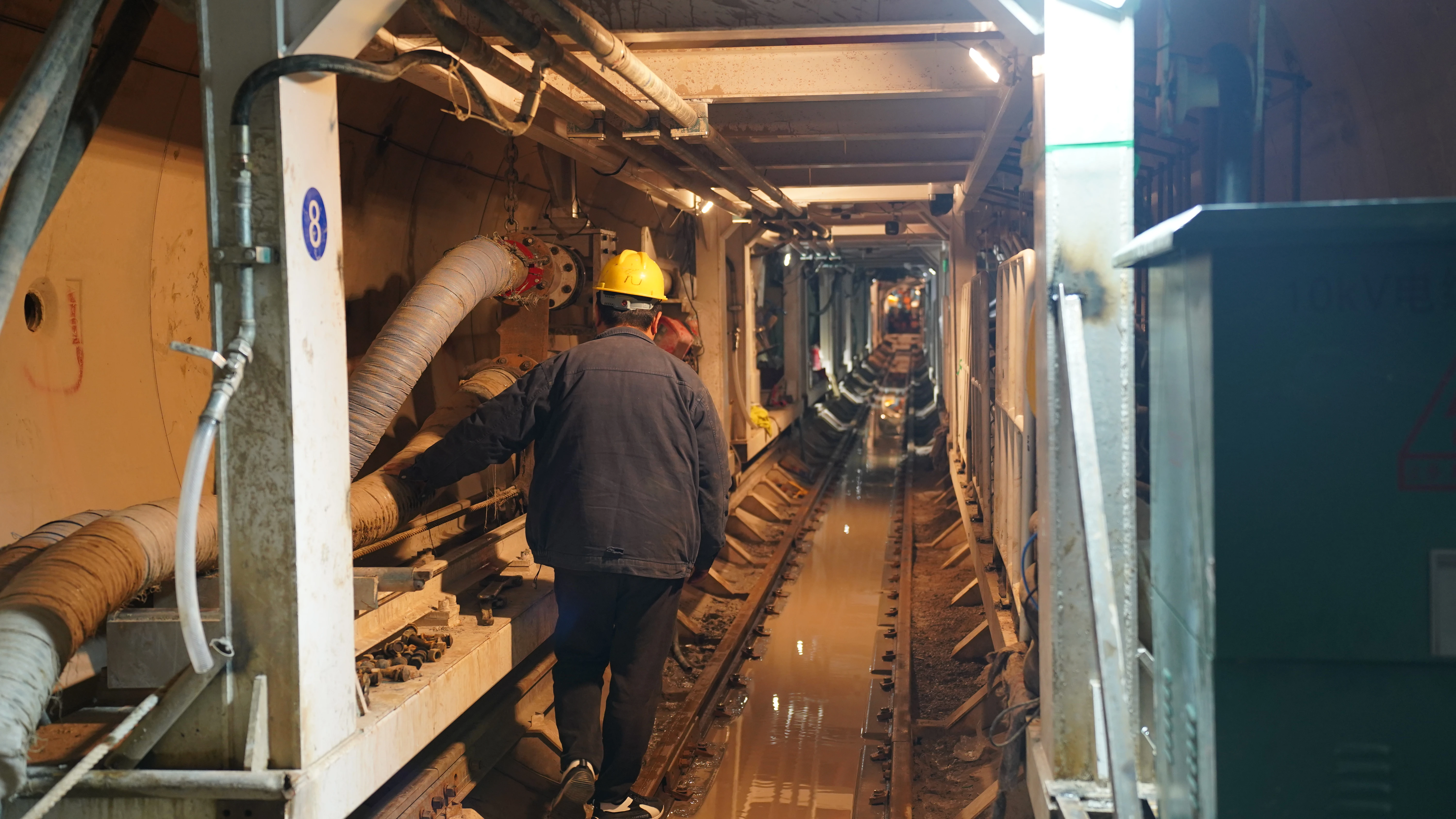
If grout does not fill all the gaps or harden right, you can have big problems. Blockages might form inside grout lines or near the TBM cutterhead. These blockages can stop the TBM from moving forward. When this happens, workers must stop and clear the lines or fix broken parts. This can take a few hours or even many days.
In the Mktvari Hydropower Plant project, the TBM found a hidden cavern. This caused a long delay. The crew had to use pea gravel and cementitious grout to make the tunnel safe. This shows how grouting faults can stop work for a long time.
If you do not fix these problems fast, machines like pumps, hoses, and the TBM shield can get damaged. Repairs cost a lot and slow down your work. TBM machine grouting faults can cause long stoppages, so you spend more on workers and renting equipment. If you compare micro tunneling to open cut, these stoppages can make micro tunneling look worse unless you plan ahead.
Ground Instability and Water Inflows
If grout does not seal the ground, water can rush into the tunnel. Loose dirt or rocks can fall in, making it unsafe for people and machines. TBM machine grouting faults can cause long stoppages because you must stop digging to fix the ground and get rid of water.
|
Description |
|
|---|---|
|
Soil Variability |
Changes in soil type and water can make work harder and less predictable. |
|
Face Instability |
Surprises in the ground can slow or stop TBM projects. |
|
Water Ingress |
More water can make the tunnel face very unstable and unsafe. |
When a TBM digs, it can shake up wet, cracked ground. This can raise water pressure and wash away cementing material. You might see loose rocks and moving dirt, which can stop the TBM. If water comes in faster than 60 cubic meters per hour, it is very dangerous and slows work a lot. TBM machine grouting faults can cause long stoppages, especially where there is a lot of water underground.
Delays in Segment Installation
Grouting faults can also slow down putting in tunnel segments. If the ground is not strong, you cannot safely place the concrete rings. You may need to use extra ground improvement, like adding more grout or special chemicals, to make the ground safe.
|
Findings |
Implications |
|---|---|
|
Workers used ground improvement and grouting to free a stuck TBM. |
These methods are needed to fix ground problems that slow segment installation. |
|
The study looked at how high ground stress affects tunnel safety. |
Knowing about these stresses helps you plan for delays when installing segments. |
|
The TBM got through a tough spot after using special steps. |
Fixing grouting faults helps you avoid delays and finish the tunnel. |
The study says that problems with pea-gravel grouting can hurt TBM tunnel segment linings, especially in different ground types. It shows that small holes or weak grout can make the lining crack or break, which can stop work for a long time.
TBM machine grouting faults can cause long stoppages that mess up your schedule and budget. If you use micro tunneling, these delays can add up fast. Open cut methods might not have these problems, but they cost more in other ways. You need to think about the risks and benefits for your project.
The Importance of Accurate Geotechnical Reports and Grout Consolidation
You can stop many delays by starting with a good geotechnical report. This report tells you about the soil, rocks, and water before you start. With this information, you can pick the best TBM and grouting method. Here are some steps to follow:
-
Systematic probing helps you find rock bursts and water leaks before the TBM gets there, which can stop grouting faults.
-
Good ground checks save money and are a smart idea, making sure the TBM works well.
-
New TBMs made for tough ground can work faster and safer than old ones, so you have fewer stoppages.
If you focus on grout consolidation and checking the ground, you lower the chance of TBM machine grouting faults that can cause long stoppages. This helps you finish your project on time and not spend too much.
Preventing and Minimizing Stoppages
Best Practices for Grouting
You can stop most stoppages by using smart grouting steps. First, drill small holes before the TBM moves into a new area. This helps you find weak ground or water early. Use pre-grouting to fill cracks and make the soil stronger. In hard places, like fault zones, use consolidation grouting. This fills gaps and keeps the cutterhead from getting stuck. Many projects use cement-bentonite and sodium silicate grouts. These make the ground less likely to let water through. These steps help you avoid delays and keep your TBM moving.
Monitoring and Early Detection
You need to watch your grouting system all the time. Good monitoring helps you see problems before they stop your work. One tool you can use is the electromagnetic flowmeter. This device measures grout flow and does not get confused by changes in the grout mix. It gives you good data, so you know if the grout is moving right.
|
Technology |
Advantages |
|---|---|
|
Electromagnetic flowmeters |
Not affected by changes in fluid density, thickness, or electricity. Reliable for measuring grout flow in projects. |
If you find problems early, you can fix them before they cause big stoppages.
Rapid Response Strategies
When you find a grouting fault, act fast. Here are steps you can follow:
-
Stop the TBM and check for blockages or leaks.
-
Use ground improvement and grouting to fix weak spots.
-
Clear any jammed parts and restart the TBM when it is safe.
Many teams have fixed long stoppages by using these steps. For example, one team got their TBM moving again after eight months by making the ground better and fixing grouting faults. You can trust CEGC’s experience to help you plan, watch, and act quickly. This keeps your project on track and lowers the risk that TBM machine grouting faults will cause long stoppages.
You can stop expensive delays if you know how grouting faults and stoppages are connected. If you find problems early and fix them fast, you can:
-
Do something before work slows down
-
Make the ground stronger so your tunnel is safe
-
Look at old projects to do better next time
Experts can help you make smarter choices.
FAQ
Is micro tunneling always more expensive upfront than open cut?
You may pay more at the start for micro tunneling. You often save money later by avoiding road closures, traffic control, and surface repairs.
What crossings are too short for a Microtunnelling Machine?
You should use open cut for pipe runs under 20 meters. Microtunneling setup costs do not make sense for very short crossings.
How long does micro tunneling setup take?
You can expect setup to take one to two weeks. The exact time depends on your site and the machine size.


