
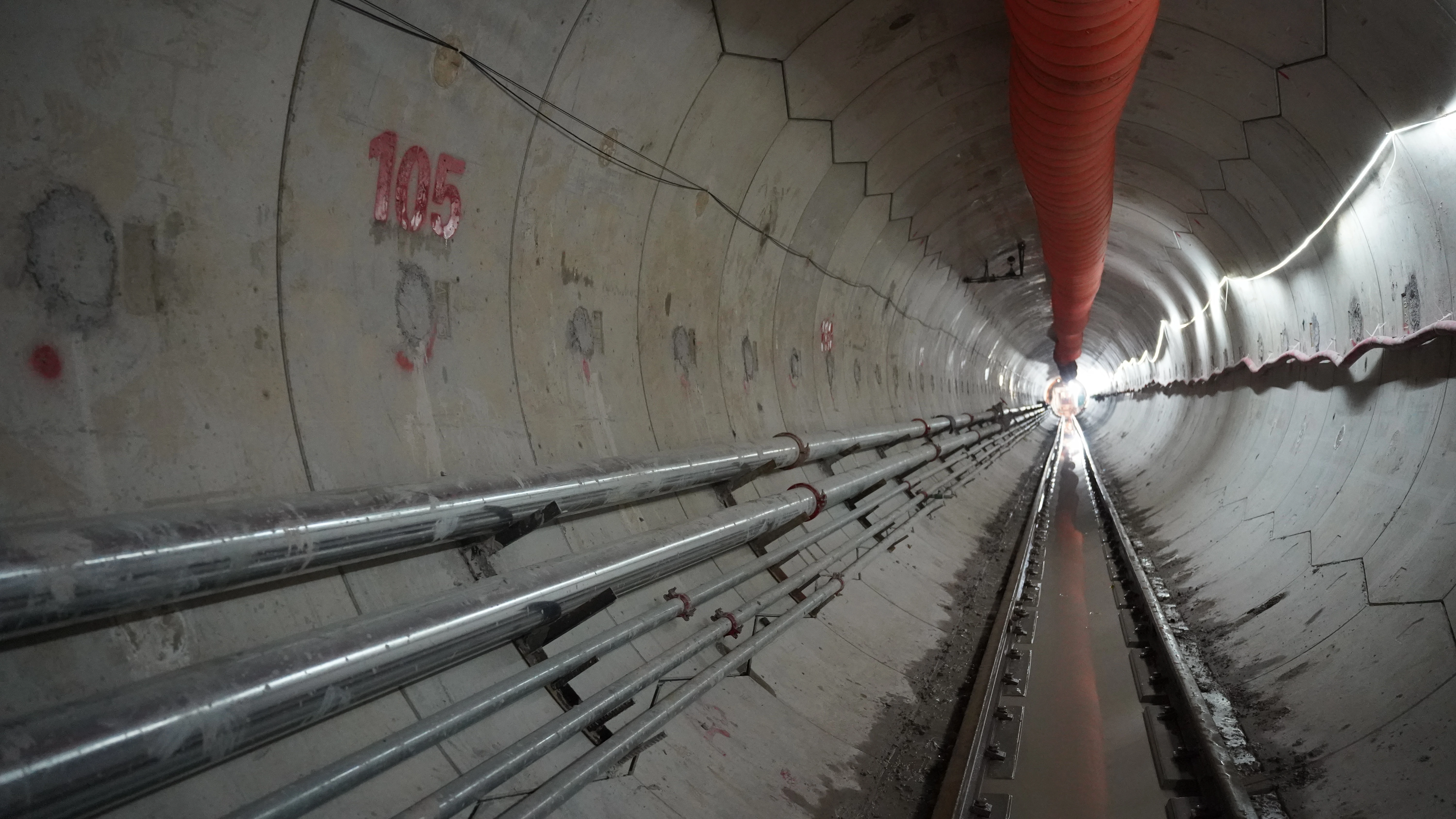
Less re-grouting follows better TBM tunnel grout control, ensuring tunnels are stronger when grout is placed correctly from the start. CEGC helps reduce re-grouting costs by utilizing advanced monitoring tools for superior TBM tunnel grout control. Different methods can impact your project in various ways:
|
Method |
Advantages |
Cost Implications |
|---|---|---|
|
Open-Cut |
Good for shallow tunnels in open areas with no conflicts |
Surface disruption costs are higher, but equipment costs are lower |
|
Horizontal Directional |
Works well for long crossings in soft ground |
Costs may be higher due to specialized equipment and setup requirements |
|
Pipe Jacking |
Provides excellent control for medium to large diameter tunnels |
Equipment costs are higher, but total costs are lower in urban settings because less surface is disturbed |
By choosing CEGC’s solutions, you benefit from less re-grouting and improved TBM tunnel grout control, leading to stronger tunnels and optimized project costs.
Key Takeaways
-
Good grout control means less re-grouting is needed. This makes tunnels stronger and costs less money. - Using better grouting methods and special tools helps stop leaks and empty spaces. This keeps the tunnel safe and strong. - Checking grout pressure and flow often can find problems early. This saves time and money when building tunnels.
TBM grout control and tunnel integrity
Grout control basics
It is important to know how grout control affects tunnel strength. When a tunnel boring machine works, grout fills the gap between the shield and ground. This grout helps support the tunnel lining and blocks water. If you control grout amount and pressure well, you stop leaks and empty spaces. Here is a table with main grout control details for TBM tunnelling:
|
Parameter |
Value (m³) |
Description |
|---|---|---|
|
Grout Volume (First Round) |
9.8 |
Total grout injected into steel segments |
|
Grout Volume (Second Round) |
19.1 |
Total grout injected after initial sealing |
|
Grout Holes Configuration |
20 |
Number of grout holes drilled in each ring |
|
Sealing Effect |
N/A |
No water seepage detected post-grouting |
You can see that good grout placement makes a strong seal. Checks show no water leaks, so the tunnel lining stays safe.
Advanced grouting methods
You can use special grouting methods to get better tunnel results. Two-component grouts turn into gel fast. This gives quick support to the shield and stops the tunnel lining from moving. TAM grouting is good for keeping water out of the tunnel. You can use this method again if needed. These grouting ways help you stop empty spaces and water from getting in. They also help the shield move forward more easily.
Tunnel stability and performance
Good grout control makes tunnels more stable and last longer. You can see this in real projects:
-
Ground improvement and grouting kept tunnels safe during tough ground changes.
-
Consolidation grouting cut down on delays and made projects better.
-
Pre-emptive grouting in fault zones helped the shield work in hard spots.
When you use the best grouting ways, your tunnel boring machine project goes well and your tunnel stays strong for a long time.
Grout control issues and re-grouting
Causes of re-grouting
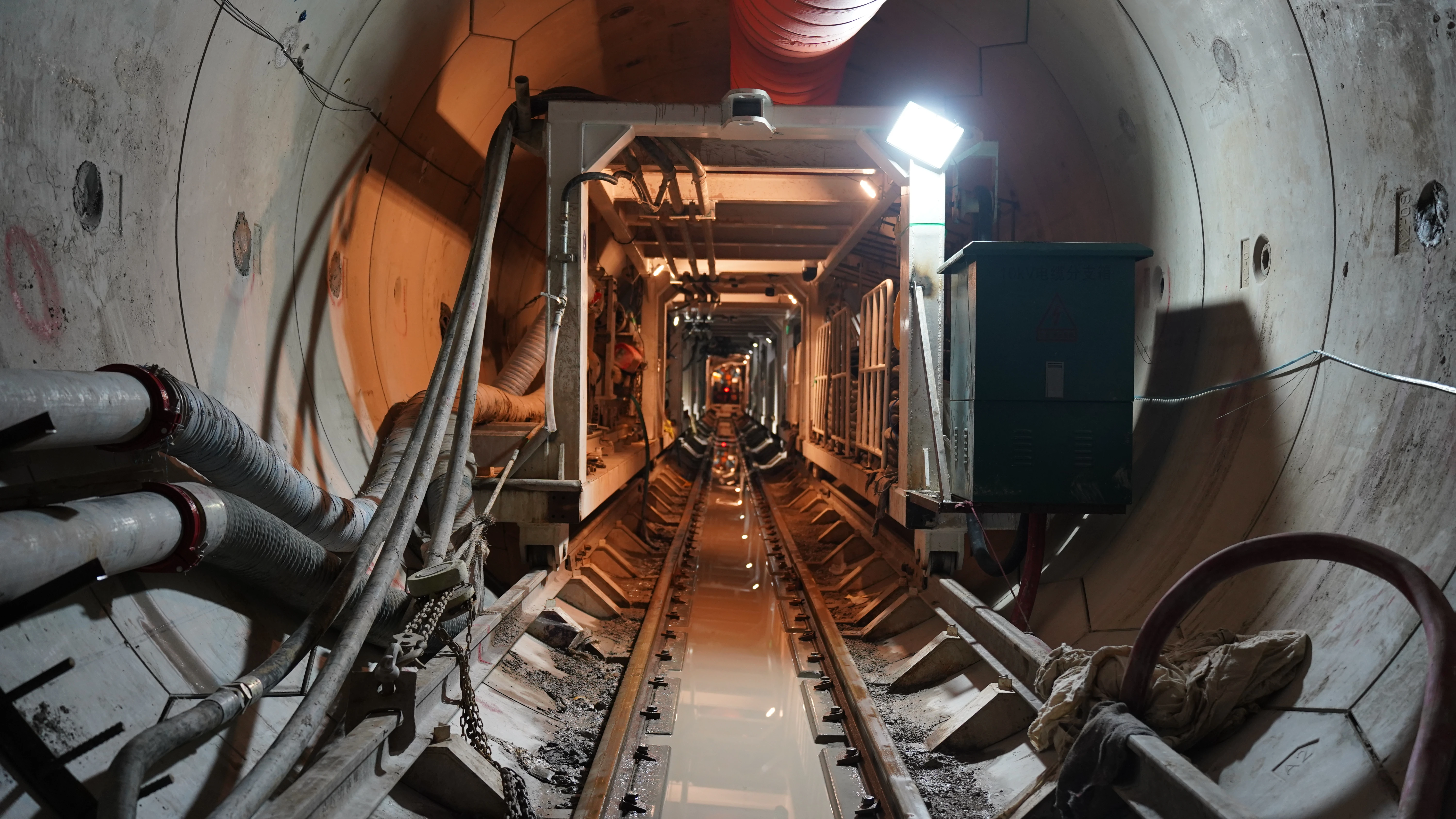
You may face re-grouting in a tunnel boring project when grout control fails. Poor grout control can create voids behind the shield. These voids allow water to enter and weaken the tunnel lining. You often see these problems in tunnelling when grout does not fill all spaces or when grouting pressure drops. Here are some common causes:
-
Grout can become diluted by groundwater, which reduces its strength.
-
Unpredictable soil can make it hard for grout to stay in place.
-
Water inflow can wash away grout before it sets.
-
Shield movement can open gaps that grout does not fill.
When these issues happen, you need to inject more grout to restore tunnel safety.
Impact on tunnel projects
Re-grouting affects your tunnel project in many ways. You may see delays because you must stop boring to fix leaks or fill voids. The shield cannot move forward until you solve these problems. In some cases, you need special grouting methods, like resin injection, to seal water inflows. For example, in the Dongdashan Tunnel, engineers used a water-to-cement ratio of 0.5 and added steel slag to improve grout strength. This helped reduce pore size and made the tunnel lining stronger.
|
Parameter |
Value |
|---|---|
|
Water-to-Cement Ratio (W/C) |
0.5 |
|
Steel Slag Content |
8% |
|
Compressive Strength |
23.43 MPa |
|
Field Application |
Dongdashan Tunnel |
Cost and schedule consequences
Re-grouting increases both cost and time for your tunnel boring project. You must buy extra grout and pay for more labor. The shield stays in one place longer, which slows down tunnelling. You may also need to use advanced grouting techniques, like hybrid grout mixes, to solve complex problems. In the Semmering Base Tunnel, engineers used a combined cement-polyurethane grout to limit grout loss and keep the shield moving. Every time you re-grout, you add to the total cost and risk of your tunnel project.
Less re-grouting follows better TBM tunnel grout control
Best practices for grout control
You get strong tunnels when you follow good grout control steps. Less re-grouting happens when you fill all spaces behind the shield the first time. You should always check how grout pressure spreads out. This helps you stop weak spots and keeps the tunnel lining safe. You must watch pressure closely. Too much pressure can hurt the tunnel. Too little pressure leaves gaps that need more grout later.
You should use advanced grouting methods like jet grouting and permeation grouting. These work well in hard ground. They help the shield move and keep the tunnel boring machine working. You can use peristaltic pumps to send grout at the right pressure. This equipment gives a steady flow and fills every space. You should also plan your equipment and how you handle materials. Good planning helps you work safely and quickly in the tunnel.
Tip: Always check the ground before you start. You can avoid many problems if you know what you will face.
Monitoring and quality assurance
You need strong checks to make sure your grout works well. Less re-grouting happens when you catch problems early. You can use real-time data to watch how tight and strong the grout is. This helps you fix issues before they get big.
Here is a table with the best ways to check and watch grout quality:
|
Method |
Description |
Application Area |
|---|---|---|
|
Pressure Testing |
Sealed grout zones are tested with set pressures to check if they work. |
Water cut-off, structural stabilization |
|
Core Sampling |
Samples are taken to labs to check grout strength and quality. |
Direct evidence of grout placement |
|
Non-destructive Testing |
Tools like ground radar and ultrasound check grout without damage. |
Finding empty spots, checking for defects |
|
Flow Monitoring |
Watches pressure and flow during work in real time. |
Makes sure grout goes where it should |
|
Acceptance Criteria |
Clear rules for checking work before starting. |
Checks if grouting is done right |
You should also watch these key things:
|
Monitoring Metric |
Description |
|---|---|
|
Grouting Pressure |
Watched to make sure the space is filled right. |
|
Flow Rate |
Checked to see if grout is going in at the right speed. |
|
Grout Properties |
Tested to see if grout meets the needed standards. |
|
Quality Control Methods |
Tools like impact-echo and GPR check grout quality. |
You can use advanced tools like probe drilling and pre-grouting. These help you find weak spots and control water. When you use these, you need less re-grouting. You also keep the shield and tunnel boring machine moving without stopping.
Note: Real-time data helps you check faster and better. You can find problems quickly and keep your tunnel project on track.
Commercial benefits for TBM projects
Less re-grouting means you save money and time. You do not have to stop the tunnel boring machine to fix leaks or fill gaps. You use less grout and need fewer workers. The shield moves forward without waiting. You finish your tunnel faster and with fewer risks.
You also get a better tunnel. When you use good grouting and checks, your tunnel lasts longer. You do not need to pay for big repairs later. You can show others that your tunnel boring method works best.
CEGC gives you expert help for tunnel boring machine projects. You get help picking equipment, planning grout, and setting up checks. CEGC’s team knows how to make safe and strong grouting systems. You can trust them to help you avoid re-grouting and stay on budget.
Remember: Good grout control means less re-grouting, lower costs, and a stronger tunnel. You can count on CEGC for the best results in your tunnel boring machine projects.
You can have less re-grouting in TBM tunnels with better grout control. Research shows that using advanced grout methods makes the ground settle less and the tunnel stronger. If you watch grout pressure and how much you use, you will not have expensive delays. CEGC helps you use new technology for safer and faster tunnel jobs.
-
Watching grout all the time stops extra work.
-
Controlling pressure well keeps tunnels safe.
-
New machines help you spend less money.
FAQ
Is micro tunneling always more expensive than open cut?
You may pay more at the start for micro tunneling. You often save money later by avoiding road repairs, traffic control, and business disruption.
What tunnel lengths work best for a Microtunnelling Machine?
You get the best value for crossings longer than 20 meters. Shorter runs may not cover the setup cost.
How long does it take to set up a Microtunnelling Machine?
You can expect setup to take a few days to two weeks. The time depends on your site and ground conditions.


