
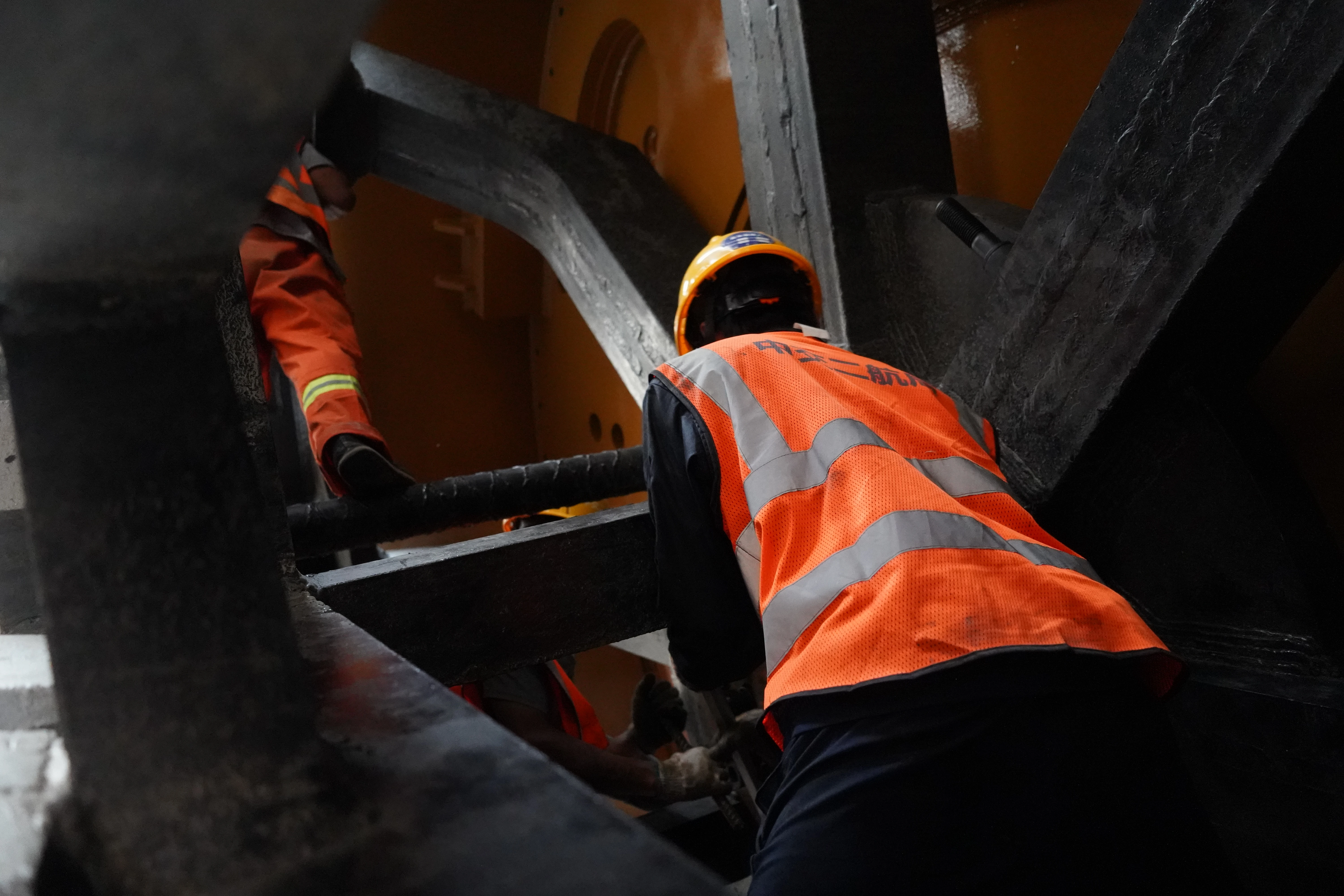
Guidance drift can ruin as-builts on a TBM tunnel. If you encounter alignment errors, your records may not be accurate, jeopardizing safety and compliance. This can lead to extended project timelines and increased costs. CEGC provides solutions to address these challenges, ensuring your tunnel boring machine operates efficiently and remains reliable for future use.
Key Takeaways
-
Guidance drift can make as-built records wrong. This can cause safety problems and slow down the project. Fixing drift early is very important to keep the project safe.
-
Use real-time monitoring and good guidance systems to find and fix drift fast. Doing this helps your tunnel boring machine stay on the right path.
-
Correct as-built records are needed for rules and future repairs. They stop expensive mistakes and help you follow safety rules.
What Is Guidance Drift in TBM Tunneling?
Guidance drift happens when the tunnel machine does not follow its planned path. This can happen with a tunnel boring machine, microtunnelling machine, or auger boring machine. Even small changes can cause big trouble for your project. Guidance drift can ruin as-builts on a TBM tunnel because records may not match the real tunnel location.
Causes of Guidance Drift in Tunnel Machines
Guidance drift can happen for many reasons. The ground can change fast, like broken rock or soft soil making it hard to stay on track. Sometimes, the machine’s sensors or steering systems are not accurate. Long tunnel drives can make small mistakes bigger. Here are some common causes:
-
Directional core drilling often cannot keep the original path because of drill hole drift.
-
Long drilling sections, sometimes over 200 meters, can show big alignment changes.
-
Broken rock and disrupted zones make it hard to follow the planned route.
You need a guidance system that can handle these problems. CEGC gives you standard performance specs and lets you change guidance systems for your project.
How Guidance Drift Affects TBM Alignment
When the tunnel machine drifts, the alignment gets worse. You may need to fix the path, which takes more time and costs more money. Modern TBMs use advanced guidance systems to help you stay on track. These systems give feedback right away and help you fix drift quickly.
|
Evidence Description |
Impact on TBM Alignment |
|---|---|
|
The TBM had the TACS guidance system. It watched the tunnel route and gave feedback to fix mistakes. |
Keeps the tunnel aligned and improves accuracy. |
|
Surveying, positioning, and guidance-steering systems are in TBMs. They use reference points and measuring devices to find the tunnel’s position. |
Makes TBM alignment better by giving important position data. |
With CEGC’s guidance system and project customization, you can lower drift and keep your tunnel boring machine on the right path.
Guidance Drift Can Ruin As-Builts on a TBM Tunnel
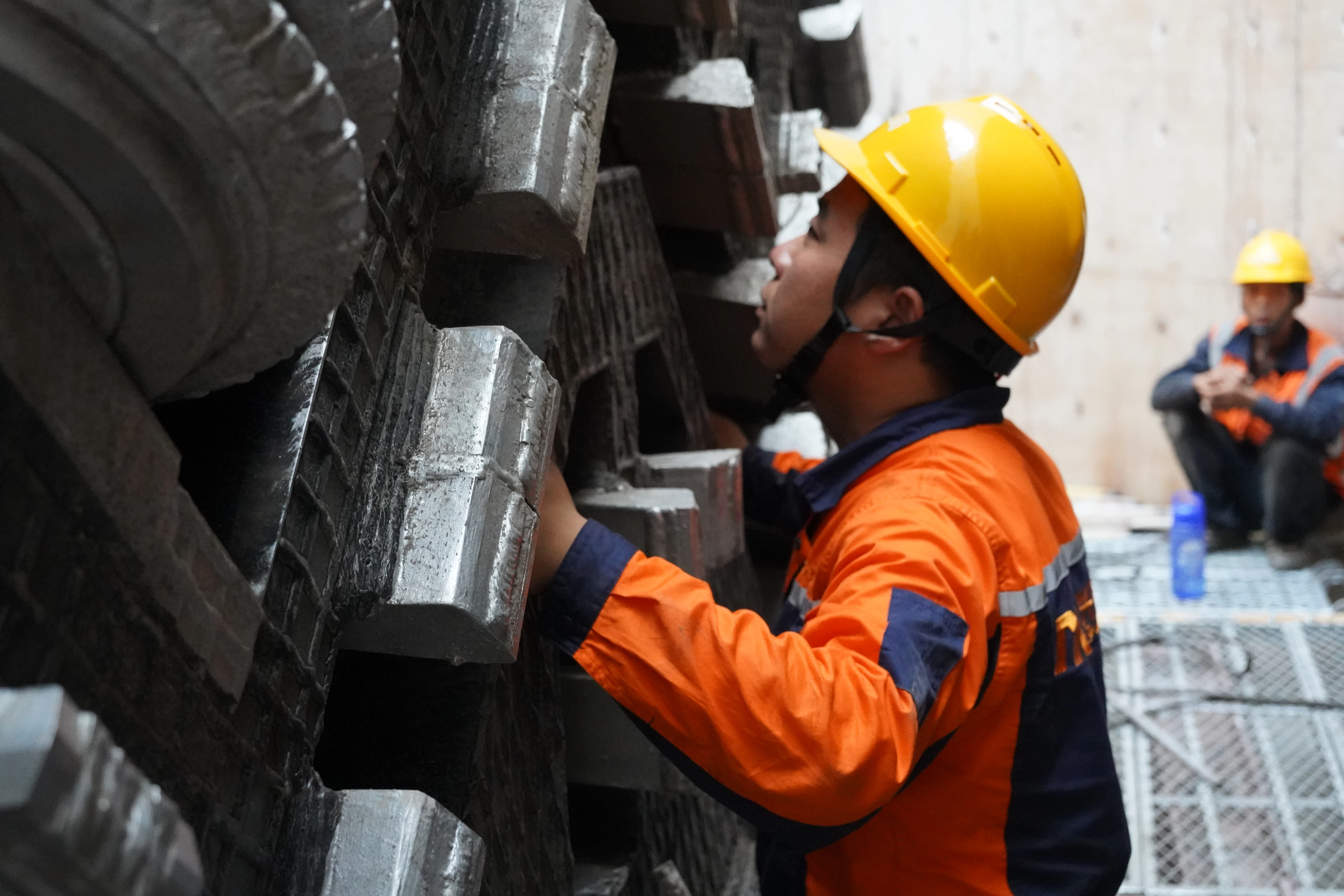
Data Errors and Misalignment in As-Built Records
Guidance drift can make as-built records wrong by showing the tunnel in the wrong place. If the tunnel machine moves off its planned path, the records do not match the real tunnel. This causes problems for everyone working on the project. You might have to do extra work, face delays, or deal with legal trouble. Here are some things that can happen if your records are not correct:
-
You might need to fix parts of the tunnel because they do not match the plan.
-
Differences between the plan and the real tunnel can slow down the project and cause arguments.
-
The tunnel could hit pipes or cables that were not expected, causing utility problems.
-
Delay analysis methods, like Retrospective Longest Path Analysis and Collapsed As-Built Analysis, help you see how these mistakes change your schedule.
You want your as-built records to be right. If you do not stop guidance drift, owners, contractors, and city officials may not trust you. Guidance drift can make as-builts wrong and make your project harder to finish.
Compounding Risks for Construction and Safety
When the tunnel machine moves off the planned route, you get more than just paperwork problems. Safety risks go up for workers and the public. If the tunnel ends up in the wrong spot, it can get too close to other things underground. This can cause dangerous problems, like ground sinking or water leaks. You might also have trouble meeting safety rules set by the city or utility owners.
You need to keep the tunnel boring machine on the right path to keep everyone safe. Guidance drift can make as-builts wrong and make it hard to show you followed safety rules. If you cannot prove your records are right, you might need more checks or repairs. This adds more time and money to your project.
CEGC helps you avoid these problems. The guidance system in CEGC tunnel machines gives you feedback right away. The strong machine keeps the tunnel head steady, even in hard ground. The controlled excavation profile helps you avoid cutting too much and keeps the tunnel shape even. These features help your tunnel boring machine stay on track and keep your records right.
Regulatory and Cost Consequences
Guidance drift can make as-builts wrong and cause trouble with city inspectors and utility owners. If your records do not match the real tunnel, you might not pass inspections. This can stop your project until you fix the mistakes. You might also get fined or have to pay for extra work. Owners or contractors might argue if they think the tunnel does not meet the contract.
It is harder to take care of the tunnel later if the as-builts are wrong. Utility crews might not know where the tunnel really is. This can cause problems many years after the project is done. Good as-builts help you avoid these problems and keep your project moving.
CEGC gives you tools to help you meet the rules. The guidance system, strong structure, and controlled excavation profile all help you make good as-built records. You can trust your tunnel machine to help you follow the rules and succeed for a long time.
Mitigating Guidance Drift in Tunnel Boring Machine Projects
Real-Time Monitoring and Control Systems
You can stop guidance drift early with real-time systems. These systems help you find problems before they get worse. Smart pose correction uses data tools to keep your tunnel machine on track. High-accuracy models, like neural networks, warn you when drift starts. Adaptive control systems make quick changes to fix the path. You also get helpful tips to manage jack thrust and avoid delays.
|
Description |
|
|---|---|
|
Intelligent Pose Correction |
Uses smart data tools to clean and model tunneling data. |
|
High-Accuracy Prediction |
Predicts pose errors with neural networks for better control. |
|
Adaptive Control System |
Makes real-time changes to keep the tunnel machine on the right path. |
|
Managerial Insights |
Gives you tips to improve project speed and reduce mistakes. |
Modern systems use cables and automated setups. Cable-based systems use fiber optic cables for fast data. Automated systems use AI, lasers, and sensors for tough jobs. These tools help you react fast and keep your tunnel boring machine safe.
Adapting to Geological Challenges
You face many ground challenges when building a tunnel. Stress changes, weather, and vibrations can push your tunnel machine off course. Real-time monitoring helps you spot weak zones, water, or mixed ground before trouble starts. You can adjust thrust, torque, and face pressure to match the ground.
|
Description |
|
|---|---|
|
In-situ Stress Redistribution |
Changes in ground stress during excavation. |
|
Weathering & External Disturbances |
Rain, heat, or vibration from machines and blasts. |
Project customization helps you handle these changes. For example, you can use 2D ground mode to keep tracking stable on flat surfaces. This reduces vertical drift and keeps your records right.
Advanced Technology and CEGC Solutions
You need advanced technology to keep your tunnel boring machine on track. CEGC gives you guidance system integration, a strong frame, and controlled excavation profile. These features help you avoid overcut and keep the tunnel shape right. CEGC also offers face pressure control and ground protection systems. These systems adjust to hard rock, mixed ground, or soft soil. Real-time monitoring lets you spot changes early and keep the tunnel safe.
|
Features and Applications |
|
|---|---|
|
Hard Rock TBM |
Uses disc cutters for stable rock; needs less face support. |
|
Mixed Shield TBM |
Switches modes for changing ground; good for variable geology. |
|
Monitoring |
Real-time checks for early warning and safe tunneling. |
Guidance drift can ruin as-builts on a TBM tunnel, but you can stop this with the right tools and help from CEGC. You get project customization to match your ground and project needs.
You can keep your TBM tunnel project safe by using advanced guidance systems. These tools help you find problems early and make sure your as-builts are correct.
-
Real-time monitoring makes the project safer and gives quick warnings if things change.
-
Digital modeling lets you handle risks before they get bigger.
|
Case Study |
Key Benefits |
|---|---|
|
Modern TBM Operations |
AI guidance makes work safer and helps people do more. |
|
Micro TBM in Urban Tunneling |
Real-time monitoring keeps the tunnel in the right place. |
Pick CEGC solutions to help your project last a long time and lower risk.
FAQ
What is guidance drift in a tunnel boring machine?
Guidance drift happens when your tunnel machine does not stay on its planned path. This can make your as-built records show the wrong tunnel location.
How can you prevent guidance drift during tunneling?
You can use real-time monitoring and advanced guidance systems. CEGC’s project customization also helps. These tools keep your tunnel boring machine moving the right way.
Why do accurate as-builts matter for your TBM project?
-
You do not have to redo expensive work.
-
You follow safety rules and city laws.
-
You make it easier to fix the tunnel later.


