
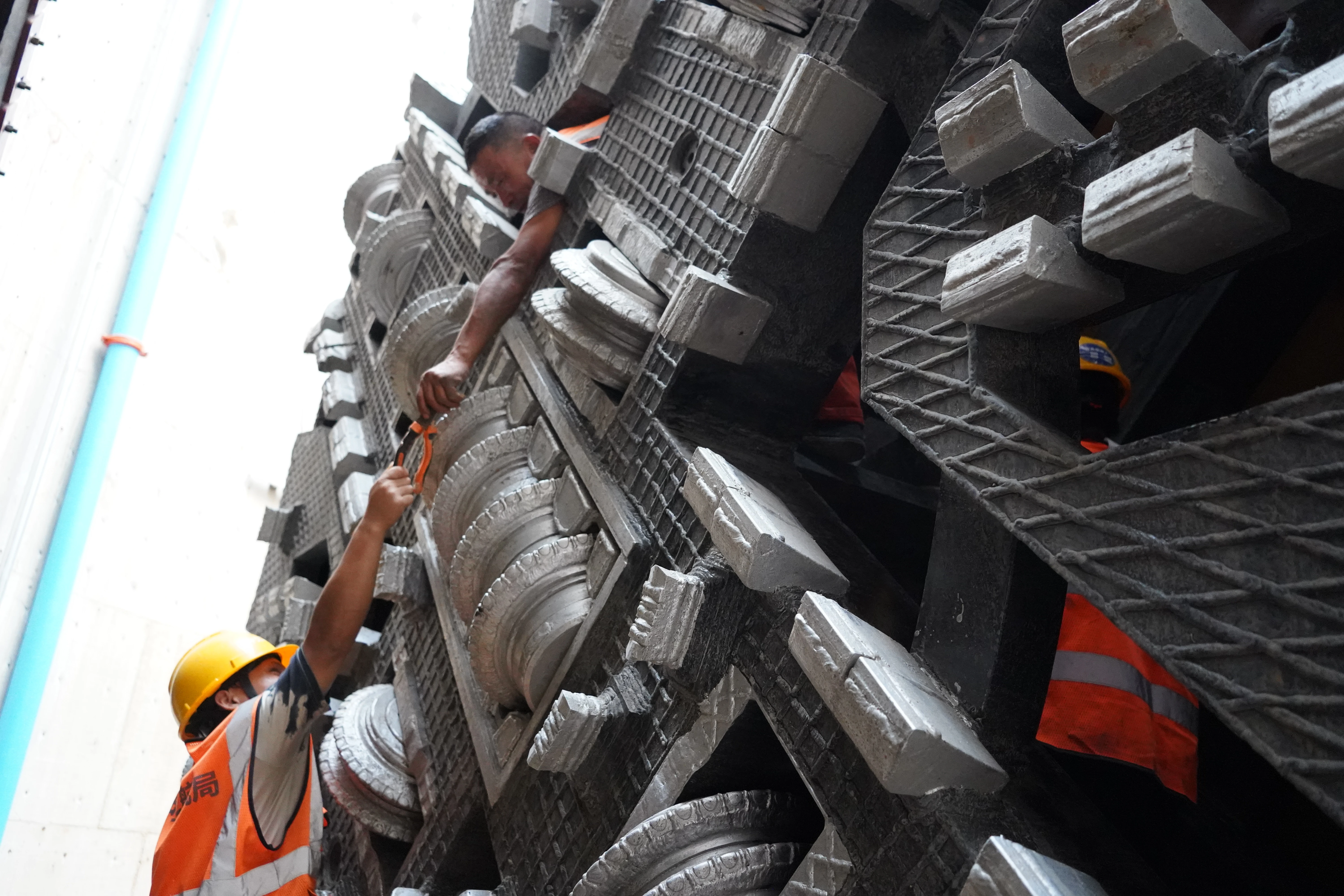
You meet tight specs demand micro tunneling positioning control by using advanced guidance systems. Real-time monitoring lets you see what is happening instantly, while automated steering ensures the tunnel stays precisely on line. Microtunneling with CEGC’s tunnel machine lowers risks in sensitive areas, keeping surface movement under 0.5 inch. CEGC’s tunnel machine is engineered for safety and tight control, performing reliably even when soil conditions change.
|
Risk Type |
Description |
|---|---|
|
Surface Settlement |
If you cut too much, the soil can change shape. This can make the ground sink, especially in sensitive places. Tight specs demand micro tunneling positioning control to minimize settlement risks. |
Key Takeaways
-
Precision is very important in microtunneling. It helps stop expensive mistakes. It also keeps buildings and utilities safe. - Advanced guidance systems are used. These include laser and gyro controls. They help keep the tunnel straight. They also lower the chance of errors. - Real-time monitoring is used. It lets workers make fast changes. This helps the project stay on track. It also meets strict settlement limits.
Positioning control for tight specs
Why precision matters in microtunneling
Precision is very important when you do microtunneling in cities or near utilities. Small mistakes in alignment can cause big trouble. If the tunnel moves off course, it might hit pipes or cables. This can mean expensive repairs and slow down the project. There is also a risk of hurting roads or buildings above the tunnel. Many city jobs have strict settlement limits. These rules keep ground movement small to protect things above and below. If you go over these limits, you might have to stop or change your plan.
You use advanced technology to meet tight specs demand micro tunneling positioning control. Laser-guided systems help keep the tunnel straight. Real-time monitoring shows changes right away. You can fix problems before they get worse. Geotechnical knowledge helps you pick the best pipe jacking methods. These steps help you avoid claims and keep everyone safe.
Here are some reasons why precision is important in microtunneling:
-
You need to keep buildings, roads, and utilities safe.
-
You must follow the settlement limits set by the project.
-
You want to avoid extra work and delays.
-
You need to get the same good results every time, even with new crews.
-
You must meet the standards for microtunneling projects.
When you use CEGC’s micro tunnel boring machine, you get strong performance. You can also change the machine to fit your project. This helps you meet all safety and control needs. You can trust the machine to keep the tunnel straight, even if the ground changes.
Key requirements for tunnel machine accuracy
You need the right tools and features for tight specs demand micro tunneling positioning control. The tunnel machine must stay on the planned path and grade. Most city projects allow only 5mm of error. Automated systems can cut down fixes by 30%. In hard areas, you can keep 97% of paths with the right setup.
Here are the main things needed for tunnel machine accuracy:
|
Requirement Type |
Specification |
|---|---|
|
Alignment Deviation |
No more than 5mm (72% of contracts) |
|
Improvement in Fixes Needed |
30% fewer fixes with automated systems |
|
Accuracy in Complex Areas |
97% of intended paths maintained |
Guidance systems with lasers help keep the tunnel on track. Real-time monitoring with cloud dashboards lets you find and fix problems fast. Ground-penetrating radar helps you spot obstacles before they cause issues. Gyroscopic data helps you make small changes during pipe jacking.
You also need ways to change your tunnel boring machine. CEGC gives you adjustable cutting settings, different tool choices, and advanced tech. You can pick the best setup for your ground. The XSE TBM mixes features from slurry and EPB machines for more options. You can also change the cutterhead for different rocks or mixed ground. This helps stop clogging and keeps the tunnel moving fast.
Settlement limits are very important for your project. These rules say how much the ground can move. If you think there will be more movement than allowed, you must change your plan. You might dig deeper or cut less. Grouting the space around the pipe helps stop the ground from falling in. You must also watch for changes in settlement during pipe jacking. Even small changes can matter, especially in tight spots.
You count on new microtunneling technology to solve these problems. CEGC’s machines use strong frames and careful digging shapes. This helps stop drift and overcut. You get steady results and safer trenchless work. With the right tools, you can finish microtunneling projects the right way every time.
Tip: Always check your guidance systems and monitoring tools before you start pipe jacking. This helps you find problems early and keep your project going well.
Technologies for microtunneling accuracy
Guidance systems: laser, gyro, sensors
Guidance systems help keep your microtunneling project on track. These systems use laser, gyro, and sensors to control the tunnel’s position. The laser sends a beam down the tunnel. The steering head follows this beam to stay straight. Gyro-based systems use a compass and water level to check direction and grade. Sensors collect data about where the tunnel is. They also help you find obstacles before they cause problems.
|
Description |
|
|---|---|
|
Laser-Controlled System |
Gives real-time data for steering, using a laser beam for alignment. |
|
Gyro-Based System |
Uses a compass for alignment and water level for grade control. |
|
VMT SLS-LT System |
Uses EDMs to measure MTBM position and updates prism coordinates. |
Advanced microtunneling systems use sensors and mapping to find obstacles. These tools help keep the tunnel path correct. Ground-penetrating radar adds more safety. It helps lower errors and stops expensive mistakes. Guidance systems are important for microtunneling projects. You can trust them to give the accuracy needed for city pipe jacking and trenchless digging.
Real-time monitoring and feedback
Real-time monitoring keeps your microtunneling project safe and accurate. Sensors watch earth pressure, water pressure, and pipe strain. You get quick updates on ground pressure, twisting force, and tunnel direction. Operators use remote monitoring to change the cutting speed and slurry mix. This helps you react fast to changes and stay in control.
|
Key Factors |
Description |
|---|---|
|
Real-time Measurements |
Sensors give quick data on earth pressure, water pressure, and pipe strain. |
|
Importance of Monitoring |
Helps you understand pipe jacking and lowers guessing about jacking force. |
|
Adoption of Technology |
Not all projects use these tools yet, so there is room to improve. |
Modern tunnel boring machines use sensors that connect to the internet. You can track every part of the pipe jacking process. Feedback loops help make the tunnel more accurate and lower mistakes. Automated total stations give real-time data on tunnel direction. Seismic monitoring finds vibrations and helps you keep the tunnel stable. Sensors inside the tunnel check for stress and shape changes. These new tools make microtunneling safer and more reliable.
Automated steering and correction
Automated steering helps keep your tunnel on the right line and grade. Laser and gyro controls are set up in the jacking shaft. They send a beam to the steering head. You can make quick changes to keep the tunnel straight. These systems can keep the tunnel within ±25 mm. Surveys check the tunnel often to stop mistakes.
-
Automated steering uses laser and gyro controls for pipe jacking.
-
Real-time changes keep the tunnel on the planned path.
-
Surveys check accuracy and stop errors.
-
You keep tight specs demand micro tunneling positioning control.
Soil conditioning helps keep the tunnel face stable. In earth pressure balance tunnel boring machines, you put soil in the chamber and balance the pressure. This makes the soil less likely to let water through and keeps the tunnel face safe. If there is groundwater, you need soil that is plastic, soft, easy to squeeze, and does not let water pass easily.
In tunnel digging with earth pressure balance tunnel boring machines (EPB-TBMs), you keep the tunnel face safe by putting soil in the chamber and balancing the pressure. The soil must have special traits to do this. If there is groundwater, the soil needs to be plastic, soft, easy to squeeze, and not let water pass.
Strong machine frames help keep the tunnel steady during microtunneling. The strength of the pipes and filling materials changes how stress moves. Good load transfer is needed for tunnel accuracy. You must check how the tunnel and support system work together when you design the project.
Microtunneling guidance systems work with tunnel boring machine, microtunnelling machine, and auger boring machine platforms. Guided auger boring uses the Pilot Tube Method and Auger Boring for exact pipe placement. Optical guidance, remote-controlled theodolites, and digital feedback help keep things safe and accurate. Microtunneling machines use laser or gyro tech, which is helpful for long or deep tunnels. Utility boring machines use laser or gyro guidance for straight lines over long distances.
You use trenchless methods and trenchless digging to avoid messing up the ground above. Pipe jacking and guidance systems help you meet tight specs demand micro tunneling positioning control. CEGC’s micro tunnel boring machine has closed-mode face support, soil conditioning, sealing, and a strong frame. These safety steps and new microtunneling technology help you finish projects the right way every time.
Maintaining alignment during microtunneling
Pre-tunneling planning and setup
You need to plan carefully before you start microtunneling. First, you check the site and test the soil. You also make a map of all the utilities nearby. Then, you pick the best tunneling method for your project. You measure the area and mark where the tunnel machine will go. Next, you set up the guide rails very carefully. These rails must be straight and in the right spot. The first setup of the rails is important for keeping the pipe on track. You check the rails often while you do pipe jacking. If you see a problem, you fix the rails right away. This helps you stay in control and get the accuracy you need for microtunneling.
Continuous monitoring and correction
You use technology to watch the tunnel’s path as you dig. Laser guidance helps you keep the tunnel straight and at the right angle. Sensors check where the tunnel is and let you fix problems fast. Here are the main ways you do this:
|
Method |
Description |
|---|---|
|
Laser Guidance |
Watches the tunnel’s line and angle all the time. |
|
Sensors |
Checks the tunnel’s path and lets you fix mistakes. |
Remote control lets you steer the tunnel boring machine from far away. You can make quick changes if something goes wrong. This makes the job safer and means you do not need to check by hand as much. You also keep good records to show what you did.
Overcoming ground and equipment challenges
You will have problems like changing soil, water, and hard rocks. You study the ground and change your plan if you need to. You use pumps and pressure to control water in the tunnel. For hard rocks, you use special cutting heads. If the ground is mixed, you watch the machine and change the settings. Sometimes, the machine can drift off course on long jobs. Automatic systems and laser guidance help you keep the tunnel straight. CEGC’s sealing systems and design help stop water from getting in and keep the machine working. These steps help you finish your pipe jacking safely and on time.
You can meet tight specs in microtunneling by using CEGC’s tunnel machines. These machines use guidance, monitoring, and correction to keep the tunnel on track. You can change the machine to fit your project. Quality checks make sure you follow what the owner wants. Real projects show the tunnel stays within the right limits.
|
Specification |
Description |
|---|---|
|
Keeps tunnel stable while you work |
|
|
Roll Correction |
Helps the tunnel stay lined up with the plan |
|
Visual Display |
Shows where the TBM is so you can steer it right |
FAQ
How do guidance systems help you keep the tunnel straight?
Guidance systems use lasers and gyros. You get real-time feedback. You can steer the tunnel machine to stay on the planned path.
What makes CEGC tunnel machines reliable for tight specs?
|
Feature |
Benefit |
|---|---|
|
Strong frame |
Reduces drift |
|
Custom settings |
Fits your project needs |
|
Real-time sensors |
Improve accuracy |
Can you adjust the tunnel machine for different ground types?
You can change cutterheads and settings. You match the tunnel machine to soft soil, hard rock, or mixed ground for best results.


