
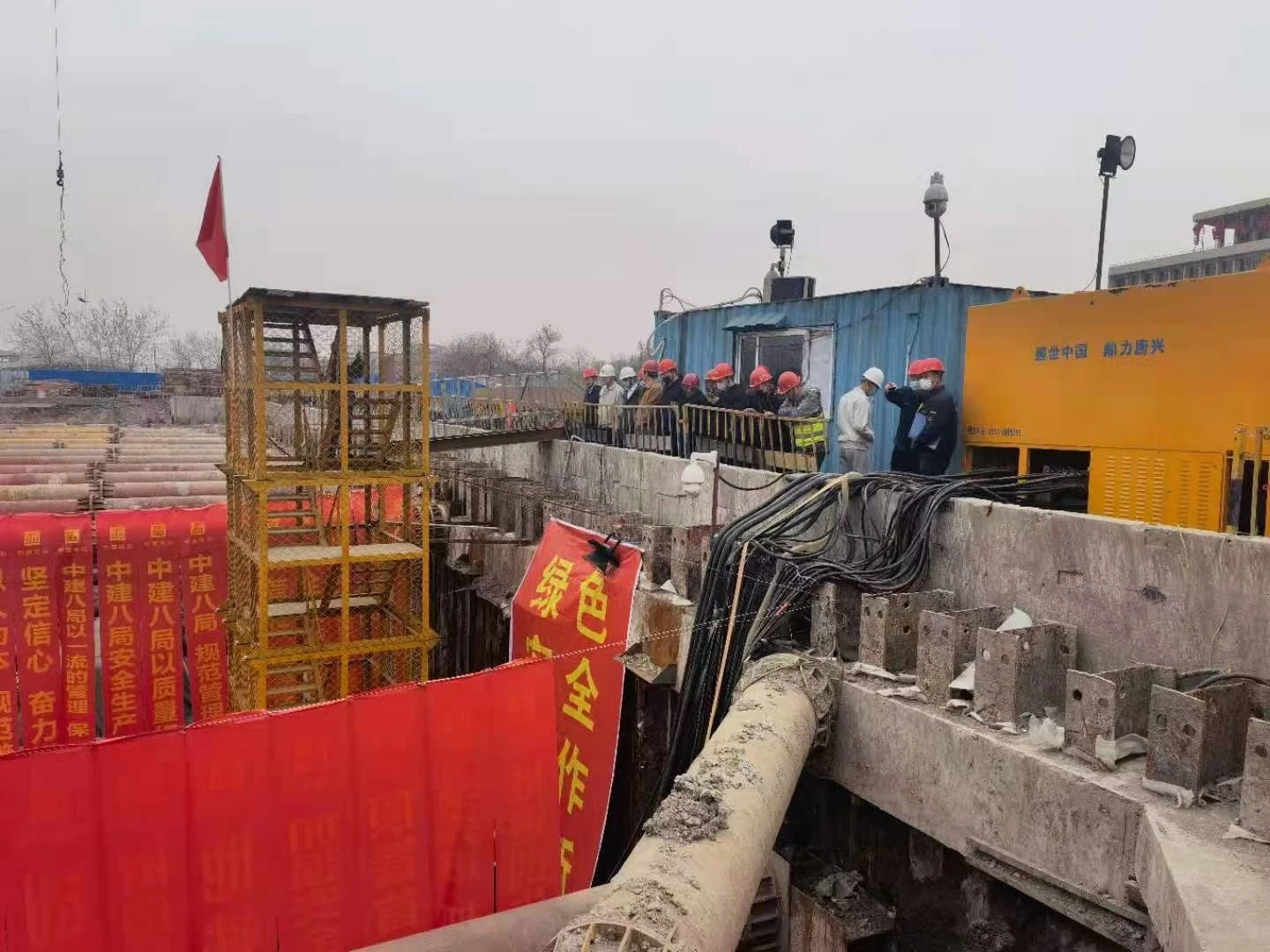
Guidance drift can snowball within 20m on TBM machine, creating significant risks for your tunneling project. When guidance drift occurs on a TBM machine, even small errors can rapidly escalate and compromise safety. Detecting guidance drift early is essential to maintaining project accuracy and safety. CEGC provides advanced navigation solutions, frequent system checks, and comprehensive operator training to address these challenges.
The zero-velocity correction method enhances TBM machine guidance by using controlled stops to correct inertial navigation errors, resulting in improved safety and precision.
With CEGC, TBM guidance helps ensure your project stays safe and on track.
Key Takeaways
-
Watch your TBM guidance system very carefully. If you find guidance drift early, you can stop expensive errors and keep people safe.
-
Try using automated guidance systems for fast fixes. These systems help you stay on track and make tunneling better.
-
Train operators often and take care of the equipment. Good operators and machines that work well lower the chance of guidance drift.
Guidance drift can snowball within 20m on tbm machine: Early Detection
Monitoring TBM Guidance Systems
You need to watch guidance drift closely when using a tbm. Small mistakes can get bigger fast. Guidance drift can snowball within 20m on tbm machine, especially in cities. This can cause the tunnel to go off track. It can also make things unsafe and cost more money to fix. You should check your tbm guidance system all the time. Real-time checks help you find problems before they get worse.
You can use a laser guidance system, inertial navigation with a Kalman filter, and geodetic methods to follow your tbm. These systems work together to keep your tunnel machine moving right. The laser guidance system uses mirrors and sensors to see where your tbm is. The system moves the mirrors to keep the laser beam strong. This helps you notice small changes in direction.
The zero-velocity correction method makes TBM guidance better. It uses controlled stops to fix inertial navigation mistakes. This leads to safer and more accurate tunneling.
You should check important performance numbers to see how well your tbm guidance system works. These numbers help you understand your tunnel and how it is doing. You can see how your tbm acts in different ground types and change your plan if needed.
|
Formula |
What It Measures |
Why It Matters |
|
|---|---|---|---|
|
Percentage of Solutions Measured with FinOps KPIs |
(Number of Solutions with Active FinOps KPIs ÷ Total Number of Solutions) × 100 |
Shows how many technology solutions use FinOps performance numbers. |
Helps you control cloud spending and get value from your money. |
|
Budget Variance (%) |
[(Actual Spend – Budgeted Spend) ÷ Budgeted Spend] × 100 |
Puts IT spending into Run, Grow, or Transform groups. |
Helps match tech spending with business goals and check balance. |
Signs and Real-Time Drift Indicators
You can find guidance drift early by looking for signs. If your tbm moves away from the planned line or grade, you might see changes in thrust, torque, or other tunnel numbers. These changes can mean guidance drift can snowball within 20m on tbm machine. You should also look for sudden changes in tunnel work, like slower progress or uneven segment placement.
-
The average values of key rock-breaking numbers change a lot between projects because tbm features and ground are different.
-
In the SMDM project, torque and thrust were about 2 and 1.36 times higher than in the BBDM project.
-
The average penetration performance (PRnet) stayed the same in both projects, showing similar overall results.
You need to check your tunnel numbers often. Real-time checks let you see changes right away. This helps you act fast and keep your tbm moving right. You can use guidance system data to make choices and stop problems.
Using an intelligent construction system in the PRDWRA project made the advance rate go up by 13.6%. Cycle time went down by 9%. This happened because of real-time data and better plans. It shows tunneling got faster and cost less.
Tools for Immediate Detection
You have many tools to help you spot guidance drift quickly. These tools give alerts so you can act fast. Guidance drift can snowball within 20m on tbm machine, so you need fast tools. Statistical process control tools can find problems after just a few data points. AI-driven alerts tell you in simple words when something is wrong.
|
Tool Type |
Detection Speed |
Alert Mechanism |
|---|---|---|
|
Statistical Process Control |
AI-driven alerts in plain language for operators |
You can also use inertial navigation systems with a Kalman filter. These systems mix data from different sensors to show your tbm’s position clearly. When you add earth-relative velocity estimates, you get even better results.
Some INSs are very good, but those for AUVs are limited. They drift several kilometers per hour without other navigation help. Adding earth-relative velocity makes them much better.
A well-mixed INS–DVL system can give navigation accuracy better than 0.1% of distance traveled.
You should use these tools with your micro tunnel boring machine and tbm to keep your tunnel safe. CEGC’s guidance system meets market standards and supports real-time checks. You can trust these systems to help you manage tunnel numbers and keep tunneling performance high.
Automated guidance systems and Immediate Correction
Step-by-Step Response to Drift
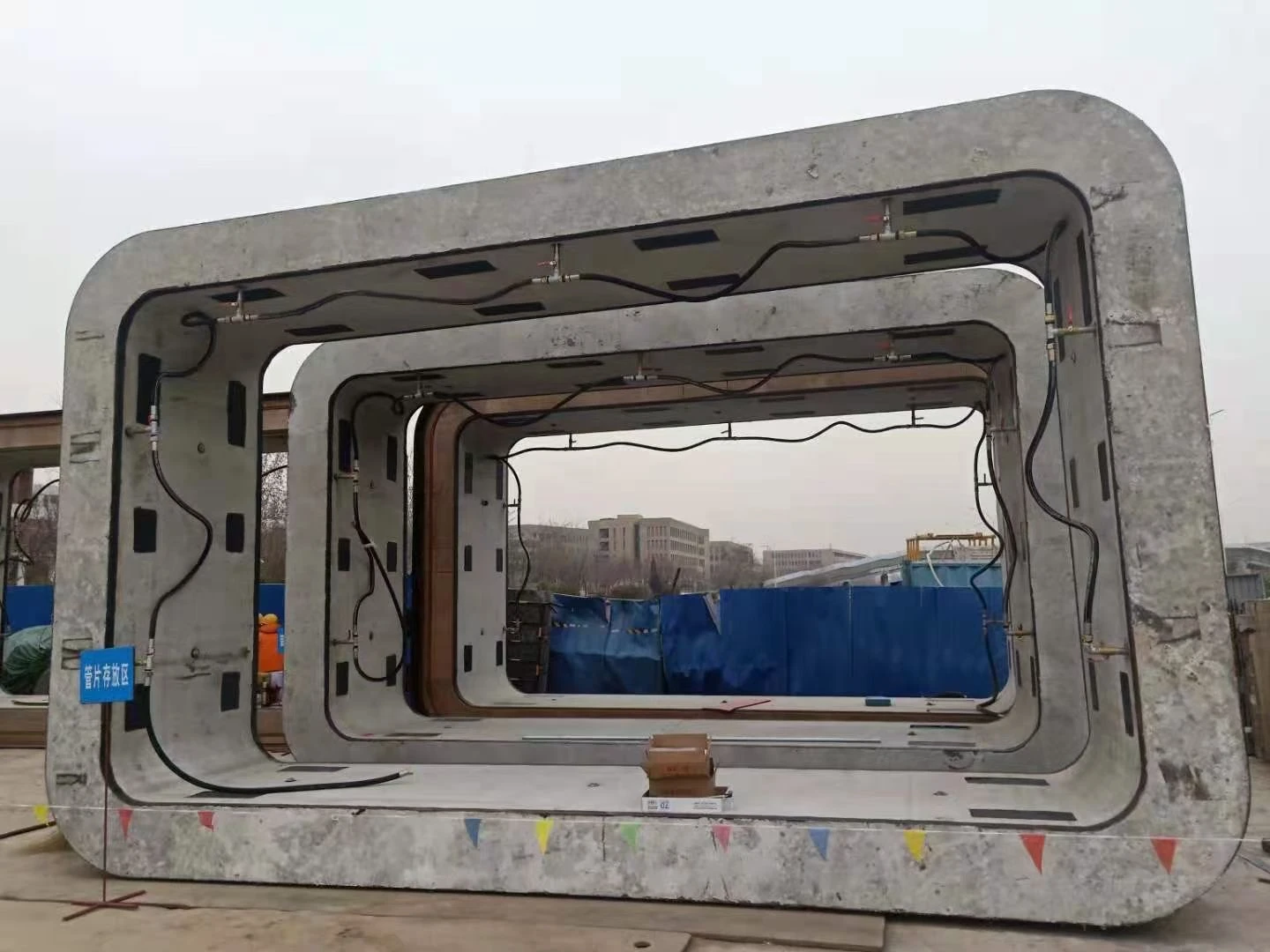
Automated guidance systems help fix guidance drift fast. These systems keep your tbm moving on the right path. When you see drift, you follow steps to fix it. First, check tunneling numbers like thrust, torque, and advance rate. Then, use parameter control guidance to change the machine’s direction. Automated guidance systems guess the best moves and correct mistakes quickly. This keeps tunneling performance strong and lowers errors.
|
Feature |
Description |
|---|---|
|
Methodology |
Uses a smart pose correction framework that mixes pose prediction with adaptive control |
|
Key Technology |
Uses Convolutional Long Short-Term Memory Kolmogorov-Arnold Network (CL-KAN) |
|
Prediction Accuracy |
Root mean squared error is between 0.88 and 1.68 mm for vertical changes |
|
Improvement |
CL-KAN lowers root mean squared error by 12.3-18.6% compared to CNN-LSTM |
|
Robustness |
Keeps pose changes within ±7 mm even in tough conditions |
Automated guidance systems work better than manual fixes. They use smart technology to keep tunneling numbers steady and improve performance.
Calibration and Adjustment Protocols
You need to calibrate your tbm often. Calibration checks sensors and updates tunneling numbers. Adjust the guidance system to match the ground. Automated guidance systems let you do these checks fast. Set up regular calibration times to keep tunneling strong. CEGC gives solutions for different tunnel machines, so you can match calibration to your project.
Tip: Always write down your calibration results. This helps you track tunneling numbers and find trends early.
Team Communication and Escalation
Talk to your team when guidance drift happens. Good communication helps everyone act fast and keeps tunneling safe. Use dashboards, emails, and newsletters to share news. Split your audience so each group gets the right info. Plan when to send updates to match tunneling events. Set up feedback loops so your team can ask questions and suggest changes.
|
Best Practice |
Description |
|---|---|
|
Audience segmentation |
Send messages to each group so everyone gets the right info. |
|
Multi-channel delivery |
Use emails, dashboards, newsletters, and presentations to reach people. |
|
Cadence planning |
Match update timing with business events for timely news. |
|
Feedback loops |
Let people give input, ask questions, and suggest improvements. |
Strong communication keeps tunneling performance high. CEGC’s solutions help you manage tunneling numbers and keep your tbm on track.
Prevention Strategies for TBM Machine Alignment
Routine Maintenance and Upgrades
You must keep your tunnel machine working well to stop guidance drift. Regular checks help you find problems early. You should look at sensors, cables, and all guidance tools. Clean and calibrate your systems often. This keeps your tunneling numbers correct. Upgrading your guidance system lets you use new technology. CEGC gives support packages with maintenance plans and upgrade choices. These tools help you keep your tunneling numbers steady and your tunneling work strong.
-
Check all guidance sensors before each shift.
-
Clean mirrors and lenses so signals stay clear.
-
Calibrate your system after big tunneling events.
-
Upgrade software and hardware when new versions are ready.
Operator Training and Standardization
You need skilled operators to keep your tunnel boring machine moving right. Training helps you learn how to read tunneling numbers and spot drift. Standard steps make sure everyone does the same thing. CEGC has training programs for all tunnel machines. You learn how to use automatic steering algorithms that control jack thrusts. This keeps your tunneling numbers steady and stops drift. Good training makes tunneling work better and lowers mistakes.
-
Practice reading and changing tunneling numbers.
-
Follow a checklist for every tunneling shift.
-
Use simulation tools to practice tunneling number optimization.
-
Review lessons after each tunneling project.
Continuous Monitoring and Data Logging
You must watch your tunneling numbers all the time. Real-time checks let you see changes as they happen. Data logging helps you track tunneling work over time. You can spot trends and fix problems before they get big. CEGC’s systems let you log data and check it with your team. This helps you make smart choices and keep your tunneling safe.
-
Set up alerts for sudden changes in tunneling numbers.
-
Review data logs at the end of each tunneling shift.
-
Share tunneling work reports with your team.
-
Change your plan based on data trends.
Tip: Use automatic steering and real-time data to keep your tunneling numbers on target and make tunneling work better.
You need to pay close attention during the first 20 meters of tunneling. Watch your tunnel machine all the time and use automated guidance systems. Operator training and regular maintenance help keep tunneling safe.
The study found that automated guidance systems with good landmarks stop drift mistakes and make city tunneling more dependable.
Here are steps for taking care of your machine while tunneling:
-
Follow a clear maintenance plan.
-
Do what the manufacturer says.
-
Write down all maintenance work.
-
Make sure workers are trained well.
-
Use automatic reminders for service times.
-
Keep extra parts ready.
-
Check the machine before and after maintenance.
-
Look at old data to find the best service times.
-
Change your maintenance plan when needed.
You can get better tunneling results by asking CEGC for help with project guidance.
|
Service Type |
Description |
|---|---|
|
Project Planning |
Makes sure the project is done in a careful way. |
|
Equipment Selection |
Helps you pick the right tools, so work goes faster. |
|
Geological Assessment |
Gives you facts about the ground, which helps your project. |
|
Operational Optimization |
Works on making jobs better for good results. |
Pick CEGC to keep your tunneling project safe, correct, and working well.
FAQ
What causes guidance drift in a TBM machine during tunneling?
Guidance drift can happen if sensors are not correct. If the ground changes, it can also cause drift. Mistakes in machine calibration can make the tunnel go off track.
How can you prevent tunneling errors in the first 20 meters?
Check your guidance system before you start tunneling. Calibrate your machine often and watch the system in real time. This helps keep the tunnel straight from the start.
Why is early detection important for tunneling projects?
Finding drift early saves money and time. It keeps the tunnel safe and helps you finish on schedule.
Tip: Look at tunneling data after every shift. This helps you find small problems before they get bigger.
-
Automated systems help make tunneling more accurate.
-
Training operators makes tunneling safer and better.
-
Logging data helps you make smart choices.
|
Tunneling Step |
Benefit |
|---|---|
|
Early detection |
Fewer tunneling errors |
|
Routine calibration |
Better tunneling results |
|
Team communication |
Safer tunneling process |


