
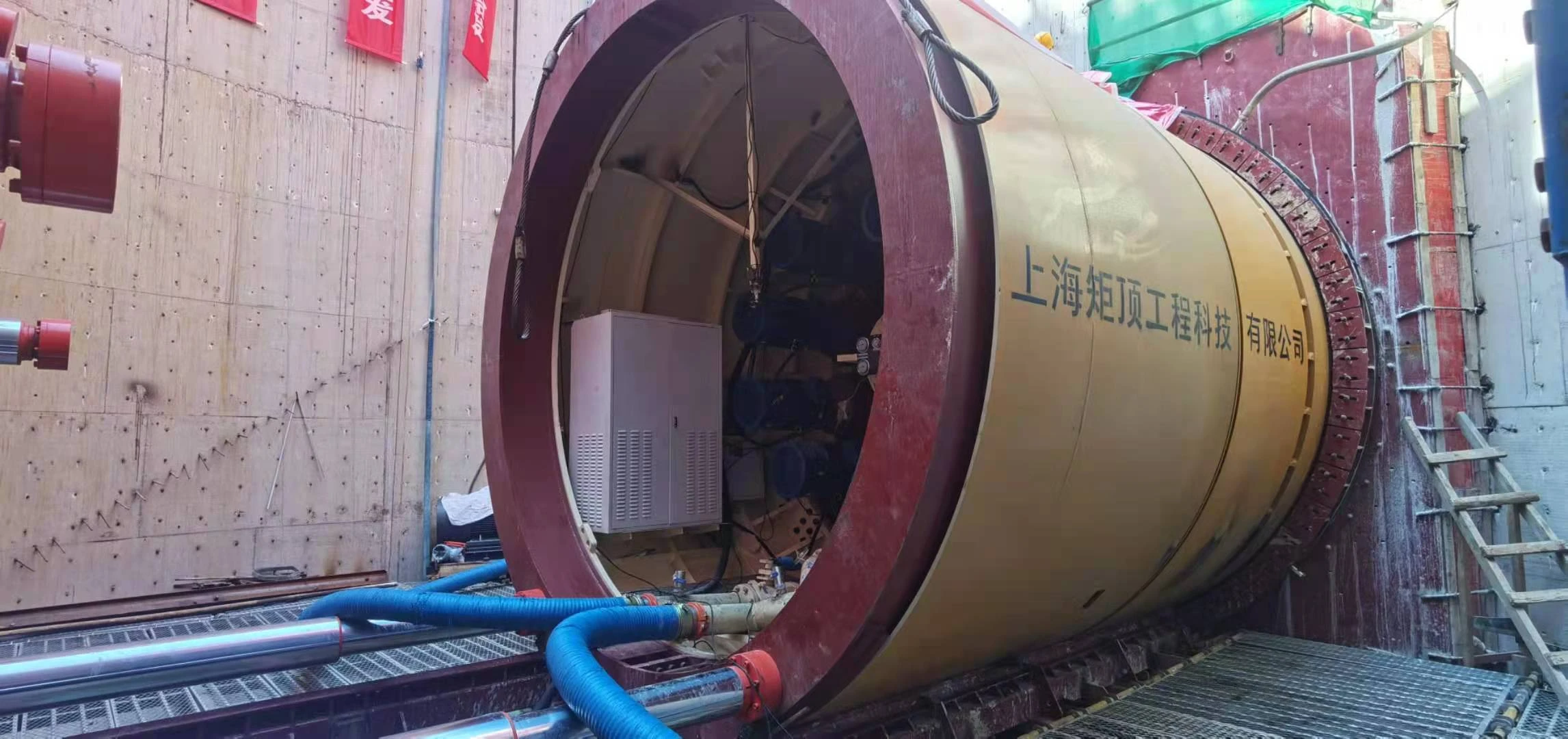
You face many risks on a tunnel boring machine (TBM) job site. These risks include ground settlement, face instability, and utility damage.
-
Urban tunneling projects often have:
-
Ground settlement
-
Face instability
-
Utility damage
-
Safety concerns
-
Cost overruns
-
Guidance logs can defend claims on TBM machine jobs. They provide strong proof by allowing you to maintain daily logs with photos and written notes, creating real records. This documentation helps you meet the owner's requirements. CEGC offers solutions that support your claims effectively.
Key Takeaways
-
Write down what happens each day in guidance logs. Record the work, site conditions, and what the crew does. This helps protect your project from arguments and claims.
-
Add photos and checklists to your logs for proof of your work. Pictures make your claims stronger and help explain problems.
-
Make sure your logs match what the project needs. Doing this builds trust with owners. Meeting their needs shows you are professional and can stop expensive mistakes.
Guidance logs can defend claims on TBM machine jobs
Role in Dispute and Claims Resolution
You need good records to protect yourself on a tunnel machine jobsite. Guidance logs help defend claims on TBM machine jobs by giving clear proof of what happened each day. These logs show who was there, what work crews did, and how the site changed. You can use this information to answer questions from owners or settle problems with other contractors.
Here is a table that explains how daily logs help your claims:
|
Aspect of Daily Logs |
Importance in Defending Claims |
|---|---|
|
Who was on the job that day |
Shows who did the work that day. |
|
What work was performed |
Proves what tasks were finished. |
|
What the site conditions were |
Records things that affected the work. |
|
If there were delays |
Explains why the project was slow. |
|
Whether subcontractors were present |
Shows if other groups helped. |
|
If safety protocols were followed |
Proves rules were followed. |
|
Any client instructions or changes |
Records changes that could affect claims. |
You can use guidance logs to make timelines and keep facts straight. This helps you meet owner needs and stops confusion. When you keep good daily logs, you have strong proof for checking facts and solving problems. CEGC’s guidance and steering systems help you collect and organize these records.
Evidence for Utility Damage Claims
Utility damage claims can happen on any TBM tunnel boring machine or microtunnelling machine job. You must show clear proof to explain what happened and who is at fault. Guidance logs help defend claims on TBM machine jobs by recording where the machine was, its path, and any changes in the ground or utilities.
You can use guidance logs to check where the TBM machine was during an accident. This helps you show your crew followed the plan. If a utility is damaged, your records can show if the utility was marked, if the path matched the design, and if anything unexpected happened.
Here is a table of common problems that guidance logs help solve:
|
Dispute Type |
Context |
|---|---|
|
Adequacy of TBM design |
Arguments with the TBM supplier about the TBM design. |
|
Liability for delay |
Questions about who caused delays from TBM problems. |
|
Repair costs due to TBM failures |
Fights over who pays for fixing TBM problems. |
|
Deviating ground conditions |
Problems from ground changes that affect TBM work. |
You can use these records as proof to help your case and protect your company from unfair claims.
Importance of Daily Logs in Risk Management
You face many risks on a TBM tunnel boring machine jobsite. These risks include ground settlement, face instability, and water getting in. Daily logs help you handle these risks by giving you up-to-date information about the project. You can track changes in the ground, how the machine works, and what the crew does.
-
You can use tools like piezometers, inclinometers, extensometers, and strain gauges.
-
A web-based data system can send alerts right away so you can act fast.
-
You can gather data from ground tests, TBM work, and GIS.
-
You need to put all these data streams together to manage risks well.
-
Seeing data in real time helps you spot and stop problems.
Guidance logs help defend claims on TBM machine jobs by giving you the records you need for checking facts and managing risks. You can use these logs to show you followed safety rules and reacted to changes. CEGC’s guidance and steering systems help you keep good records and meet owner needs.
When you keep detailed daily logs, you protect your project from fights and utility damage claims. You also build trust with owners and others by showing clear proof of your work.
Best Practices for Daily Logs and Claims Defense
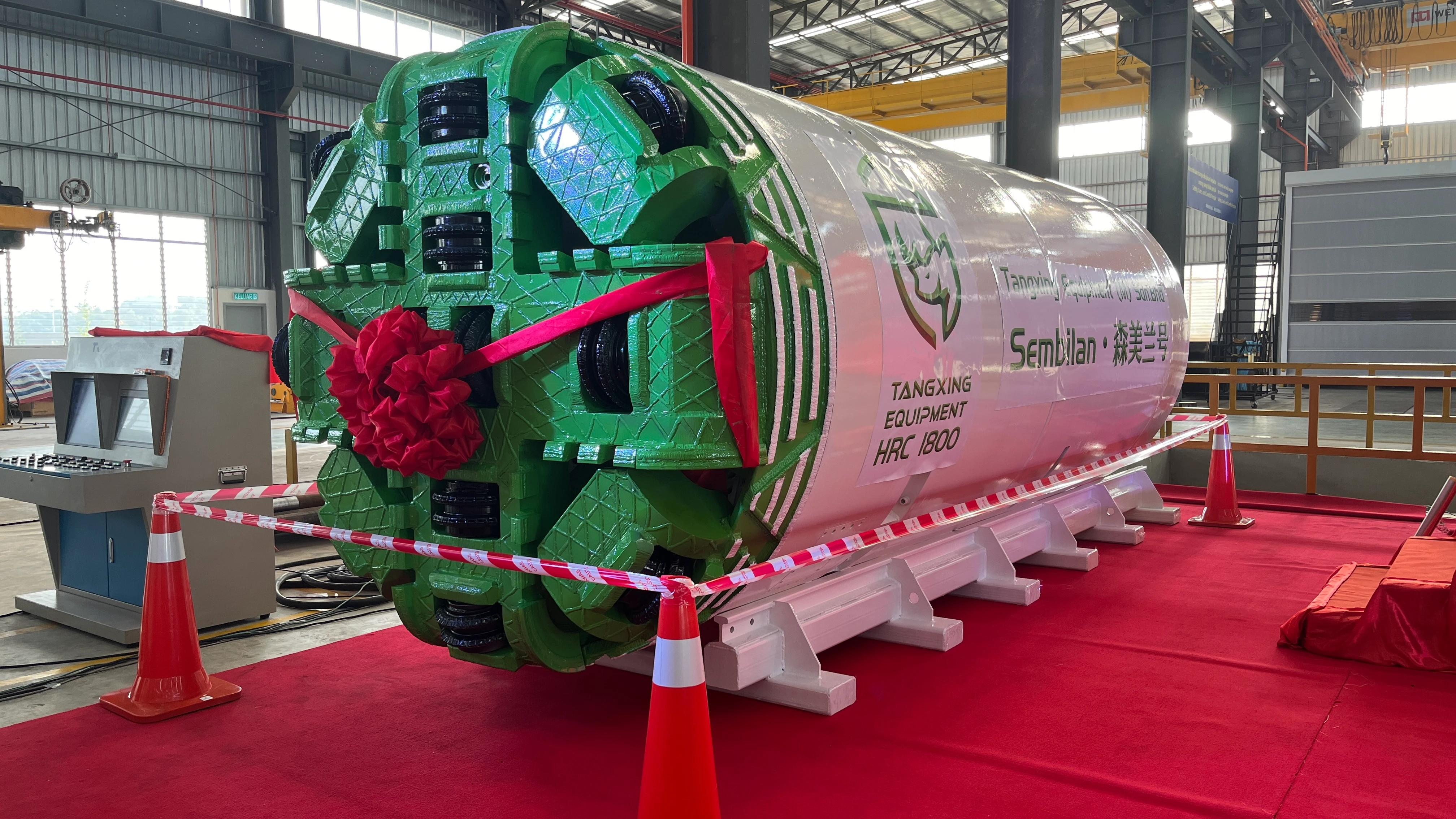
What to Record in Guidance Logs
You need to keep clear guidance logs on every tunnel boring machine job. These logs help you show you did the right steps if there is a problem. Here are things you should always write down:
-
Where the machine was and how it lined up each shift.
-
What the crew did, who worked, and what jobs they finished.
-
What the site was like, such as weather, ground type, and any changes.
-
Any incidents, like safety problems or things you did not expect.
-
Photos of the work area, potholing results, and any damage.
Tip: Use checklists and templates so you do not forget anything important. Add photos and diagrams to your logs. These pictures can help you if there is a problem or you need to show what happened during potholing.
Consistency and Timeliness in Documentation
You must fill out your logs every day. Do not skip days, even if nothing special happens. Keeping records every day helps you avoid confusion and makes it easier to fix problems. Always write down facts, not opinions. Use a set time for logging, and teach your team to do the same.
-
Write down all maintenance and any changes from the plan.
-
Use alerts to remind you about service dates.
-
Let different trained crew members take turns with logging to keep it correct.
Writing logs on time can stop costly delays. For example, if you miss a day of logging during potholing, people might argue about who caused utility damage.
Aligning Logs with Project and Owner Requirements
You should always make your logs match the project’s needs and what the owner wants. Owners may want proof of potholing, machine alignment, or how you fixed a problem. Using checklists helps you meet these needs. Check your logs often to make sure they are complete.
CEGC gives you tools that help you collect, organize, and store all your guidance logs. These tools make it easier to show your work if there is a problem. You can show clear records of potholing, site conditions, and what the crew did. This helps owners trust you and keeps your company safe.
You can protect your TBM tunnel boring machine projects by keeping good guidance logs and daily logs. These records help you stop delays, avoid fights, and lower blame.
-
You prevent delays by stopping careless mistakes.
-
You find locator errors before they slow the project.
-
You make records that help during claims about delays.
-
You make the site safer and cut down on lost time.
You can rely on CEGC’s technical solutions and best ways to help your tunnel machine projects.
FAQ
What is a guidance log on a TBM machine job?
You use a guidance log to record the tunnel machine’s position, alignment, and actions. This log helps you prove your work and defend claims.
Why do owners ask for daily logs?
Owners want daily logs to see proof of your work. You show them what happened each day. This builds trust and helps solve problems fast.
How does CEGC help with documentation?
CEGC gives you tools for easy logging. You can organize photos, notes, and machine data. This makes your records strong for claims and audits.


