
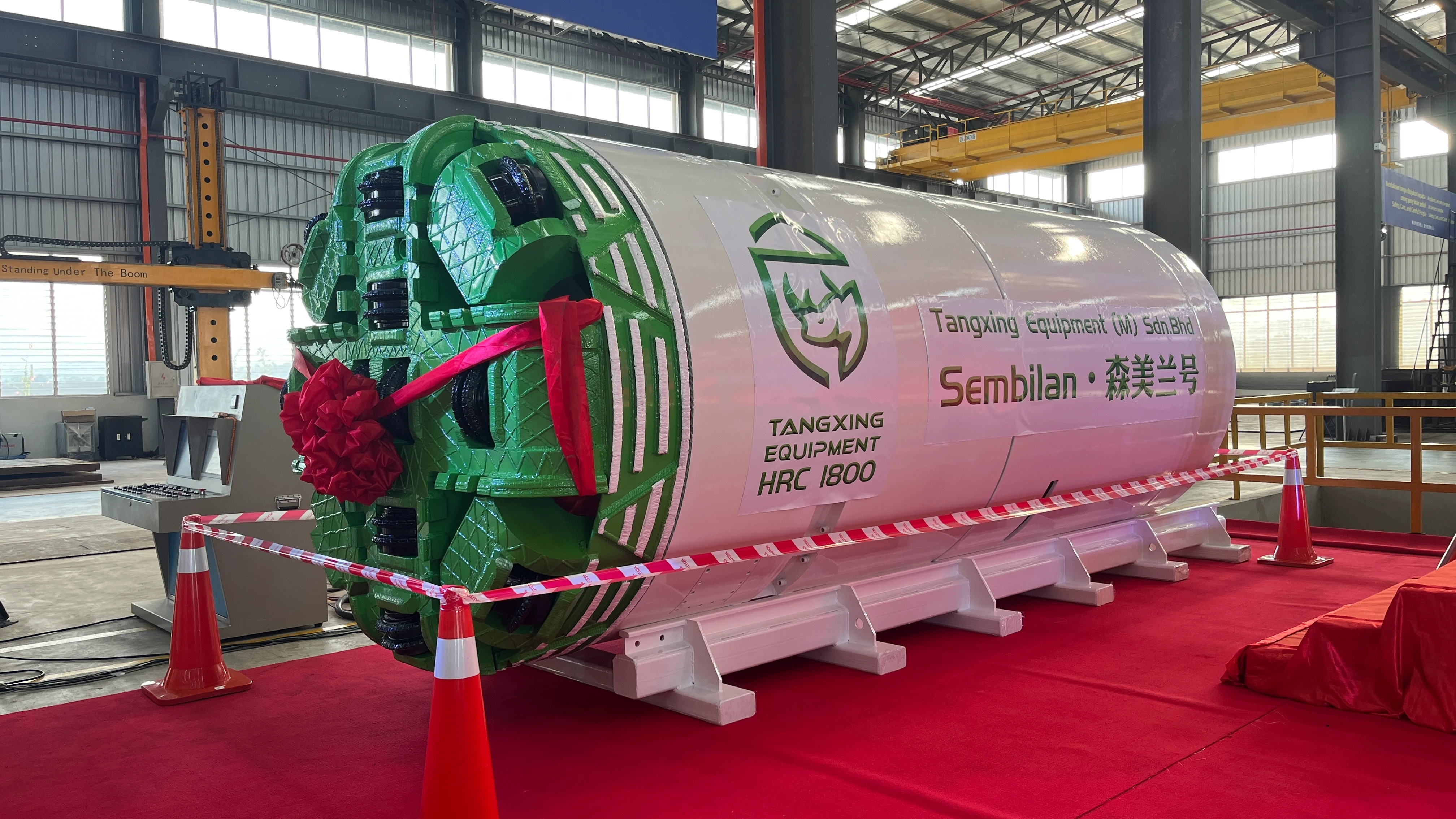
Accuracy plays a crucial role in making tunneling safer in urban environments. CEGC tunnel machines leverage precision to ensure your project remains secure. This accuracy helps mitigate issues such as ground sinking and face instability. Additionally, utility strike risk drops with micro tunneling accuracy, providing peace of mind during operations. With CEGC, you receive market-standard specifications along with customizable options tailored for challenging sites, further enhancing the reliability of your tunneling projects.
Key Takeaways
-
Microtunneling lowers the chance of hitting utilities. It keeps important underground services safe, like gas and water lines.
-
CEGC tunnel machines use smart guidance systems. These systems help the machines dig tunnels very accurately. This reduces accidents and saves money by avoiding delays.
-
Trenchless construction methods, such as microtunneling, disturb cities less. They make building projects safer and help them finish faster.
Utility strike risk drops with micro tunneling accuracy
What are utility strikes?
A utility strike happens when a tunneling machine hits something underground. This usually means pipes or cables. Cities have lots of these under the streets. Microtunneling uses special guidance systems to avoid hitting them. That is why utility strike risk drops with micro tunneling accuracy. More than 40% of tunneling problems in cities come from hitting utilities. The most common things hit are gas pipelines, high-voltage cables, water mains, sewer systems, and fiber-optic networks. Microtunneling helps you move through tricky underground places. It lowers the risk and keeps your project safe.
Consequences for urban projects
If you hit a utility, bad things can happen. Utility strike risk drops with micro tunneling accuracy, but accidents can still occur. There could be explosions or electric shocks. These are dangerous for workers and people nearby. Breaking water or gas lines can stop services, cause flooding, or outages. Cutting cables can stop phone and internet for many people. Utility strikes happen about every nine minutes. They cause delays and cost a lot of money. Each strike can cost more than $50,000. Every year, the waste adds up to $61 billion. Many people get hurt or die, with over 2,000 injuries and 400 deaths each year. Fixing broken utilities takes time and money. It can stop construction for days or weeks. Finding problems early helps you change plans and avoid trouble.
Why microtunneling matters
Microtunneling is important because it makes utility strike risk drops with micro tunneling accuracy possible. You can control the machines from far away. This means fewer people need to be on-site, so it is safer. Safety rules and careful slurry management protect workers and the area. Microtunneling is good for the environment and does not bother the community much. It lowers the chance of hitting utilities. CEGC’s microtunneling technology meets strict rules for safety and risk. You get very straight tunnels using laser guiding. This is great for gravity pipelines and crossing other utilities. The system works in many types of ground, like soft soil, mixed ground, and places with lots of water. It uses pressurized slurry and careful digging. Earth Pressure Balance machines use the dirt they dig up to support the tunnel. This stops the ground above from sinking or cracking.
Microtunneling gives you strong machines and lets you pick what you need for your project. You can use tunnel boring machines or microtunnelling machines. They have tough cutting heads, smart guidance systems, remote controls, and real-time data checks. The tunnels can be from 300mm to 1800mm wide. This works for sewerage, water mains, gas lines, and telecommunication networks in cities. These machines work in different ground types and follow rules like ISO 19287 and EN 16191.
|
Specification |
Details |
|---|---|
|
Cutting Head Capabilities |
Strong cutting head works in many types of soil |
|
Guidance Systems |
Smart guidance system keeps the tunnel straight |
|
Operational Features |
Remote controls, real-time data checks, automatic steering |
|
Bore Diameter Range |
Usually from 300mm to 1800mm |
|
Applications |
Good for sewerage, water mains, gas lines, and telecommunication networks in cities |
Microtunneling lets you change things to fit your project. Utility strike risk drops with micro tunneling accuracy because the technology keeps people safe and protects utilities. You can keep working, avoid big delays, and cross utilities safely. CEGC’s tunnel machine and microtunnelling machine are very accurate. They help you manage risk and follow strict rules for city tunneling.
Microtunneling technology and risk reduction
Micro-tunnel boring process
Micro-tunnel boring helps build tunnels under busy streets. First, workers get the site ready and check for obstacles. They plan the tunnel path to keep things safe. The mtbm is set up and all systems are connected. The machine starts digging from a shaft. Workers watch each step to make sure it is safe. The mtbm cuts through soil and rock as it moves forward. Pipes are put in place and the tunnel is filled in to stay strong. Every step lowers risk and keeps things safe underground.
|
Step |
Description |
Contribution to Risk Reduction |
|---|---|---|
|
Site Preparation and Planning |
Workers look for obstacles and plan the tunnel path. |
Good planning stops surprises and keeps things safe. |
|
Machine Setup and Launch |
The mtbm is set up and systems are connected. |
This helps stop problems during trenchless construction. |
|
Tunneling and Excavation |
The mtbm digs while workers check for accuracy. |
Watching closely helps avoid mistakes and accidents. |
|
Pipe Installation and Backfilling |
Pipes are put in and the tunnel is filled in. |
This keeps the tunnel strong and safe for a long time. |
Trenchless construction means you do not have to dig up roads. Micro-tunnel boring makes small tunnels for water, gas, and phone lines. This keeps the city working and protects what is already there.
Guidance and control systems
Guidance and control systems help keep tunnels straight and safe. The mtbm uses lasers, sensors, and computers to know where it is. Workers can change the path right away if needed. Laser guidance is very accurate and trusted. Gyroscopic guidance works well in hard places, even when you cannot see the end. Cameras help check for problems and see inside the tunnel. New tools like electromagnetic and acoustic systems help in special cases.
|
Guidance Method |
Description |
Advantages |
|---|---|---|
|
Laser Guidance |
Uses a fixed point and sends a laser beam down the tunnel. |
Very accurate and keeps the tunnel straight and level. |
|
Gyroscopic Guidance |
Uses special sensors to track movement and direction. |
Works well in tough places and stays accurate far away. |
|
Camera-based Guidance |
Uses cameras and computers to help guide the machine. |
Good for checking for problems and making quick choices. |
|
Emerging Technologies |
Uses electromagnetic and sound systems for tricky jobs. |
Helps in noisy or mixed ground where other tools may not work. |
Workers control the mtbm from far away using real-time data. Automated steering helps keep the tunnel on track. Advanced monitoring means fewer people need to go underground. This keeps everyone safer and helps avoid hitting utilities. The guidance system uses lasers to make quick changes. This keeps the tunnel in the right place and protects what is underground.
Pipe jacking and ground support
Pipe jacking pushes pipes through the ground with hydraulic jacks. This keeps the ground above steady and stops big messes. Workers balance water and soil pressure to stop the ground from sinking. Special machines use pressurized slurry to hold up the tunnel face. Slurry pressure is kept in a closed space to stop the ground from moving. The mtbm has different cutting heads for different soils. Closed-mode face support and soil conditioning stop the ground from falling in. EPB TBMs mix dirt with foam and water to keep pressure steady. The dug-up dirt helps hold up the tunnel as the machine moves. This keeps the tunnel safe and strong during trenchless work.
-
Pipe jacking keeps the ground steady and protects what is above.
-
Hydraulic jacks help keep the ground from moving.
-
Balancing water and soil pressure stops the ground from sinking.
-
The slurry balance machine keeps the tunnel face safe and works in many soils.
-
Closed-mode face support keeps the ground from falling in and stops dangerous stuff from coming up.
Minimal surface disruption
Micro-tunnel boring does not mess up the ground above much. Old ways of digging make big messes and bother people. Trenchless construction is less annoying and costs stay about the same. Laser-guided systems make sure tunnels are in the right place. Fast spinning blades dig quickly, so the mess does not last long. Modular design lets you use small, easy-to-move machines in cities. Equipment is easy to move and set up, saving time and money. Advanced guidance makes digging more exact and lowers the chance of problems above ground. Micro-tunnel boring makes tunnels with little impact, which is great for cities.
|
Method |
Surface Disruption |
User Inconvenience |
Cost Variability |
|---|---|---|---|
|
Traditional Open-Cut |
High |
Big problems |
Changes a lot |
|
Trenchless Technology |
Low |
Less trouble |
Stays about the same |
Micro-tunnel boring, mtbm, and trenchless construction help protect what is already built. Modular design and smart controls help dig tunnels safely and exactly.
Comparing microtunneling to traditional methods
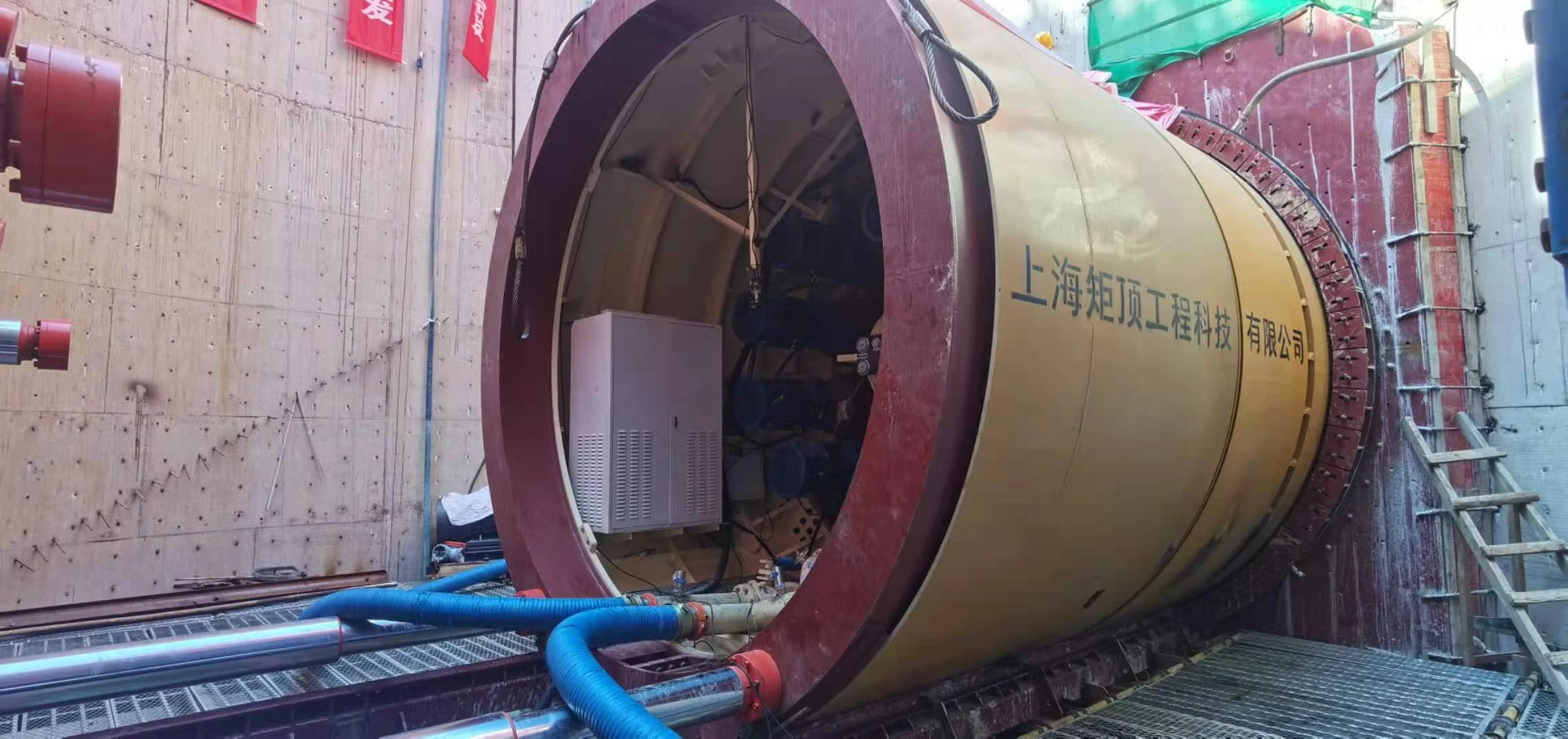
Open-cut and HDD risks
There are many risks with open-cut and HDD in cities. Open-cut trenching can break pipes or other things underground. Digging deep trenches can hurt workers if the walls fall in. Workers can also get hurt by machines. HDD can mess up the dirt and make water dirty. This can hurt animals and plants nearby. New tools for HDD can cost a lot at the start. It is hard to keep the hole steady and control the fluid in rough ground or rock.
-
Workers should check for utilities often along the drill path to make sure they are in the right place.
-
Paint marks and flags only show about where the utilities are under the ground.
-
Pipes that go to homes and businesses are not always marked, so accidents can happen.
"The biggest problem for all directional drillers is hitting things underground. So, the first thing to do is call Dig Safe or the local one-call center. They will mark and find the utilities before you start."
Overbreak and ground movement
Old ways of tunneling can make the ground move and hurt pipes. You might see the ground stretch sideways and pull on pipes and cables. It is hard to know how much pipes will stretch, especially if they are not deep. Some pipes have joints that help with stretching, but not all do. Even with joints, moving ground can still cause problems.
-
Tunneling can make the ground move sideways.
-
It is hard to tell how much shallow pipes will stretch.
-
Some pipes have joints to help, but not all pipes do.
Real-world results and CEGC case studies
You can see the change when you use CEGC microtunneling machines. CEGC projects have fewer accidents with pipes than open-cut and HDD. The tunnel machine and microtunnelling machine use smart guidance and closed-mode face support. These tools help you avoid mistakes and keep pipes safe. Watching the work in real time and using modular machines helps you work safely in busy places. CEGC case studies show that microtunneling lowers risk and keeps your project moving forward.
-
Microtunneling makes projects safer and lines up tunnels very well. This lowers the chance of hitting pipes or cables in cities.
-
CEGC’s tunnel boring machines work well and can be changed to fit your needs.
-
You get smart guidance, strong ground support, and better safety for workers.
-
Pick microtunneling if you want underground building that is fast, safe, and good for the environment.
FAQ
What is microtunneling and how does it work?
Microtunneling lets you guide a tunnel machine underground. You use remote control to move the machine. Real-time data helps keep the tunnel in the right place.
Why choose trenchless installs for city projects?
Trenchless installs mean you do not dig up streets. This keeps cars and buses moving. It also protects pipes and cables under the ground.
How accurate are CEGC tunnel machines?
CEGC tunnel machines are very accurate. Smart guidance systems help you avoid mistakes. Real-time checks keep your project safe.


