
Projects underground are hard. They need to be very exact. The CEGC hdd drilling machine 0.1° accuracy beats obstacles. This great accuracy comes from new tech. It helps hdd get past tough underground problems. This makes hdd drilling work well.
Key Takeaways
-
A very precise HDD drilling machine helps.
-
It helps drillers miss things underground.
-
These things can be rocks and pipes.
-
This great accuracy comes from new tech.
-
This tech includes smart steering tools.
-
It also has real-time checking systems.
-
Drilling exactly protects nature.
-
It makes fewer project errors.
-
It also saves both time and money.
H2: 0.1° Accuracy: The Core of Horizontal Directional Drilling
H3: Defining Sub-Degree Precision in HDD
The term 0.1° accuracy means something. It is about horizontal directional drilling (HDD). The machine can keep a very straight path. It has tiny angle changes. This accuracy is very important. It helps control the path well. It stops the drill from going off track. This exactness avoids big mistakes. It also stops project delays. This is true for any HDD job. For example, rules often set limits. These limits are for how much the path can change.
-
Setback ratios can be 3:1 to 7:1. (This is horizontal length to vertical depth).
-
The entry angle for normal HDD is 6-20 degrees. Some special machines can go steeper.
-
The drill can go off to the side by 30 degrees. This is the most it can go.
Meeting these rules needs great hdd accuracy. This makes sure drilling stays on target.
H3: Technologies for Unparalleled Accuracy
Getting 0.1° accuracy needs new tech. This is for modern hdd jobs. Smart steering tools help. Real-time monitoring systems are key. These systems tell workers where the drill head is. They also show its direction. This happens all the time. Workers can then make changes right away. A big step forward happened in the 1990s.
-
Digital Control made a DigiTrak transmitter. It could sense a 0.1% grade pitch. This helped HDD do more jobs. It helped with sewer lines. These need very exact slope control.
This new idea changed drilling. Other tools also helped. Gyro steering tools are one example. Measurement while drilling (MWD) systems are another. These tools let workers guide the drill string. They do it with great accuracy. They make sure the hdd drilling machine 0.1° accuracy beats obstacles. Data comes in right away. This helps make steering changes. It stops the drill from going off course. This constant checking is vital for good drilling.
H2: How HDD Precision Beats Obstacles
H3: Navigating Complex Geologies and Infrastructure
Modern HDD machines are very exact. They have 0.1° accuracy. This helps them steer around things underground. These include rocks and utility lines. Building foundations are also avoided. Underground conditions can be tricky. They can be soft sand. They can be hard rock. Projects in Hanford, Washington, show this. Drilling through hard rock is tough. Granite in Palomar, California, is one example. Hard quartzite in Altoona, Pennsylvania, is another. The CEGC machine is very precise. It helps go through different ground types. It keeps existing pipes safe. This includes water and sewer lines. Gas pipes and power lines are also safe. Accuracy stops "cross bores." This happens near buried pipes. It also helps drill under roads. Rivers and train tracks are also crossed safely. This careful drilling protects old structures. It keeps the project sound.
H3: Minimizing Environmental Impact and Surface Disruption
Exact HDD drilling means less digging. This helps the environment. It protects places like forests. Rivers, wetlands, and animal homes are safe. This method is less harmful. It does not mess up nature. It also stops bad chemicals from spreading. Accurate drilling works better. It uses less gear and power. This means less pollution. It is a greener way to build. Rules like FERC guidance exist. They want environmental problems fixed. The 0.1° accuracy helps meet these rules.
H3: Ensuring Project Integrity and Reducing Rework
Very accurate HDD drilling is key. It makes projects succeed. The drill path stays correct. This stops expensive mistakes. It also prevents delays. Steering around obstacles is precise. This keeps the drilling strong. It means less work needs redoing. Rework costs money. It takes a lot of time. The HDD machine is very accurate. It beats problems. Projects finish right the first time. This saves money and time.
H2: Better Ways for Hard HDD Jobs
CEGC's horizontal directional drilling machine is very exact. It has 0.1° accuracy. This helps it beat problems. This exactness comes from new tech. These ideas fix common hdd issues. They make sure projects work well.
H3: Guiding the Drill Path Exactly
Drills can go off track. They can also cross wrong. CEGC fixes this. It uses a special system. It is called Precision Guidance & Stability. This system matches power. It controls push, pull, spin, and feed. A strong frame helps. It stops shaking. This system can track things. It makes sure drilling is exact. This is for important crossings. The system uses key parts. A transmitter is in the drill head. It sends data. A receiver on the ground gets it. An Aurora display shows where the drill is. This lets the worker make changes. DCI systems use special tech. It is called Ball-in-the-Box™. This finds the drill head. It guesses its path. This real-time check helps guide the hdd drilling machine. It keeps the drill on track. This exactness is key for hard jobs.
H3: Strong Engines for Tough Ground
Pipes can get stuck. Power can jump. Machines can stop working. CEGC's Anti-Stall Powertrain stops this. It has Overload Protection. It gives lots of power. It works at many speeds. It senses oil pressure. It manages pressure too. It starts and stops smoothly. This saves rods and tools. It stops damage in hard ground. Special "rock package" parts help. These engines are very strong. For example, a machine can push 250,000 lbs. It can pull 250,000 lbs. It can twist with 39,679 ft-lbs. This is in 1st gear.
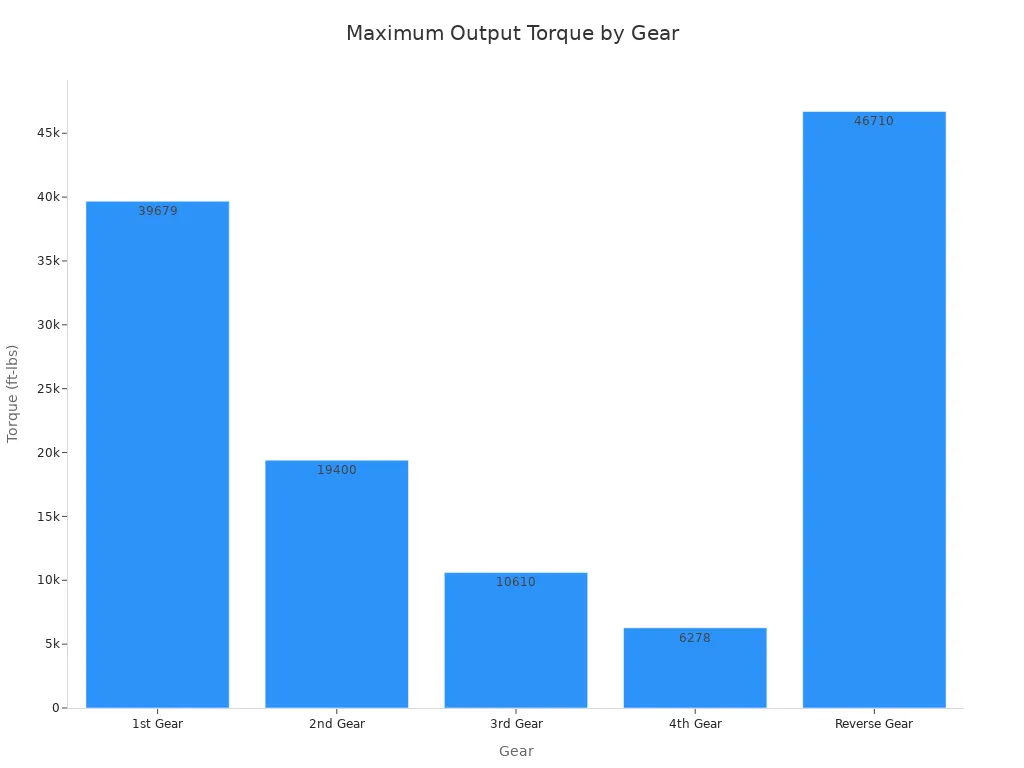
High twist power keeps it working. This is true even with changing loads. These systems are small. You can change them. They need less repair time. This makes drilling work better.
H3: Strong Tools Save Money
Tools cost a lot. They wear out fast. This hurts project money. CEGC's Tooling Compatibility Package helps. It has a Durability Package. It works with many reamers. These include blade, fluted, rock, and barrel types. Smooth power delivery stops shaking. This prevents uneven wear. Easy access means faster fixes. Ace bits have special teeth. They have lots of hard material. This makes them last longer. Gladiator bits use big hard buttons. Fluted reamers use strong metal. They have hard grit. T-REX reamers are made of strong steel. They have hard grit too. Strong steel and new materials make them last. This means less wear on hdd tools. This saves money. It also means less time stopped.
H3: Managing Liquids to Avoid Problems
Bad liquid work causes issues. It can harm the environment. It can stop work. CEGC's Mud Integration Solution helps. It has a Fluid Management Solution. It makes liquids work best. It tells you how big pumps should be. It looks at flow and pressure. It checks length and width. It also checks ground type. A good flow path is key. Filtering is also important. Mud rules mean mixing well. It means checking often. You also make changes. Good liquid work needs many things. The right amount of liquid is needed. Mixing needs care. Check pH levels. Water pH should be 8 to 9. Ground type changes mud mix. For water-based muds, pH should be 8.5 to 9.5. This full plan for liquids lowers risks in hdd drilling.
H2: Real-World Success with CEGC Horizontal Directional Drilling
H3: Urban Infrastructure Projects
Cities are very full. Putting in pipes is hard. Many problems are in these busy places. It is hard to get machines in. Finding old pipes is tricky. This makes avoiding them a big job. City dirt can also change a lot. This makes drilling harder. Things like traffic and noise are always worries. CEGC's 0.1° accuracy in its horizontal directional drilling machine is very important here. This exactness lets workers steer around old underground lines. It stops damage to water, gas, and power pipes. This careful drilling causes less trouble for daily life. It makes sure new pipes are put in right the first time. This makes horizontal drilling projects work well in busy cities.
H3: Sensitive Environmental Crossings
Drilling under rivers, wet lands, or special areas needs much care. These are delicate nature crossings. High accuracy helps drilling work well in these spots. The 'no-dig' benefit of horizontal directional drilling is key. It causes less harm to nature. It also helps meet strict nature rules. For example, the James River crossing was a big win. It went over 5,000 feet under the old James River. This job needed very exact work. Another example is the Hudson River crossing. This 30-inch pipe went 5,378 feet. It needed careful plans to find a path above rock. HDD jobs in these areas need state and federal nature permits. Not following these rules can mean fines. It can also stop jobs. Stopping frac-outs is very important. This is when drilling liquids get out. Exact checking and liquid control are needed for all hdd work. CEGC's drilling tech makes sure this exactness happens. It helps horizontal drilling jobs succeed while keeping nature safe.
The horizontal directional drilling machine is very exact. It has 0.1° accuracy. This is very important. It makes hard jobs work. This exactness helps with problems. It lowers dangers. It keeps projects strong. It helps nature too. CEGC's new hdd tech is key. It makes things work better. It is safe. It helps the Earth. Future digging will use smart tech. This will make hdd even more exact.
FAQ
How does 0.1° accuracy help avoid obstacles?
This exactness helps workers steer. They go around pipes. They go around rocks. It stops damage. The drill stays on track.
What technologies enable this precision?
Smart steering tools help. Monitoring systems are key. They give constant data. Workers can make changes fast.
Why is real-time data important for HDD?
Real-time data shows where the drill is. It gives instant updates. This stops mistakes. It helps projects succeed.


