
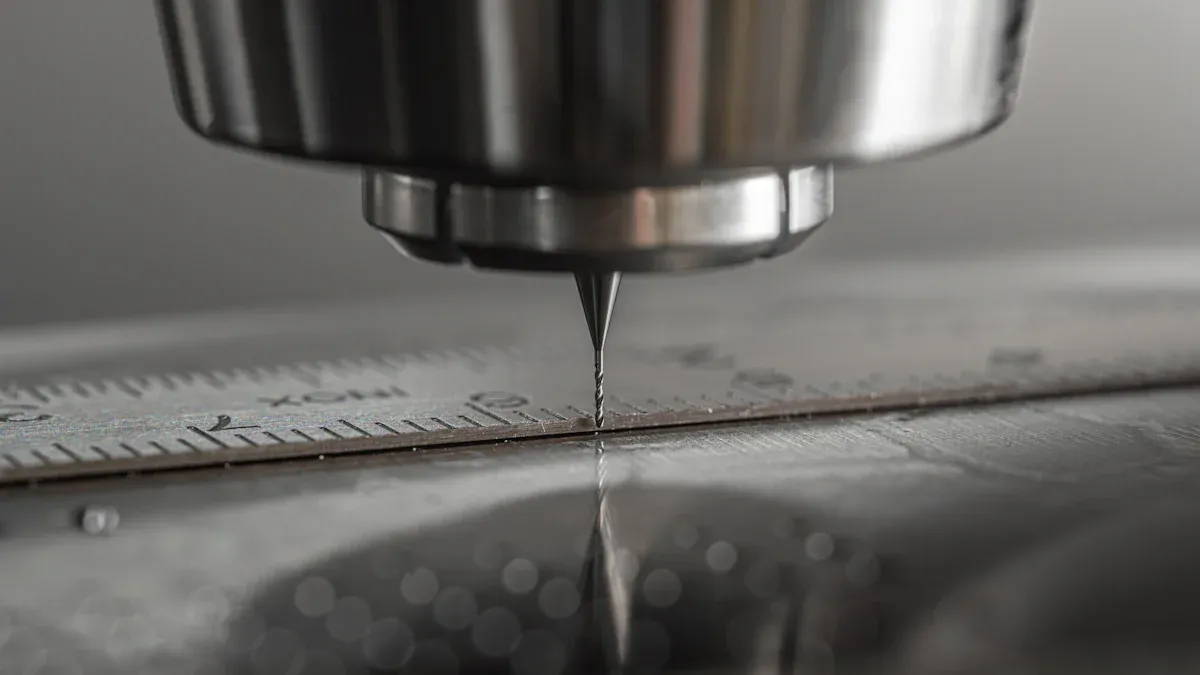
By 2026, Horizontal Directional Boring 0.2° Ultra Precision will revolutionize underground infrastructure. This new exactness changes how we put things underground. It helps the environment. It also makes hard projects possible. This is because of new technology. The market for this drilling is growing a lot. It is expected to be worth $36.39 billion by 2035. Being precise is very important in drilling today. CEGC is making these important improvements. They show new progress in this area.
Key Takeaways
-
New drilling methods can put things underground very exactly. It is accurate to 0.2 degrees.
-
This very exact drilling helps nature. It also makes hard building jobs possible.
-
This method will make underground work safer and quicker. It will also be kinder to nature.
Technological Advancements for 0.2° Ultra Precision
Horizontal directional boring 0.2° ultra precision needs big advancements. These are in many areas of technology. These new ideas change how we drill. They make it very exact and efficient.
Precision Guidance Systems for Accurate Drilling
Better guidance systems are key. They help with very precise drilling. New ideas like gyroscopic steering help. Magnetic ranging and GPS also help. They make things accurate to less than one degree. For example, the DWL-1000XY Digital Post Level is very accurate. It is accurate to ± 0.2°. This is for angles from 1° to 89°. Also, 2-Axis Ultra Precision Inclinometers help. These include the DWL-8500XY and DWL-9000XY. And 2-Axis Inclination Sensor Modules help. These are DWL-4200XY, DWL-4500XY, DWL-5000XY, DWL-5500XY, DWL-5800XY. They all sense tilt very precisely.
Gyroscopic steering systems have gotten much better. The ER-Gyro-15 is a good example. It works very well.
|
Feature |
Description |
|---|---|
|
ER-Gyro-15 |
|
|
Performance |
|
|
Bias Stability |
0.01°/hr (typical) |
|
Angle Random Walk |
0.002°/√hr (typical) |
|
Scale Factor Stability |
10 ppm (typical) |
|
Bandwidth |
200 Hz |
|
Output Rate |
1000 Hz |
|
Physical |
|
|
Size |
15 mm diameter, 15 mm length |
|
Weight |
10 grams |
|
Power Consumption |
0.5 W |
|
Operating Temperature |
-40°C to +85°C |
|
Vibration |
20 g RMS |
|
Shock |
1000 g, 0.5 ms |
|
Key Features |
|
|
High Accuracy |
Provides precise angular rate measurements for demanding applications. |
|
Compact Size |
Small form factor enables integration into space-constrained systems. |
|
Low Power |
Efficient power consumption for extended operation in battery-powered devices. |
|
Robust Design |
Withstands harsh environmental conditions, including extreme temperatures, vibration, and shock. |
|
Fast Response |
High bandwidth and output rate ensure real-time data acquisition. |
|
Digital Output |
SPI interface for seamless integration with digital systems. |
|
ITAR-Free |
No export restrictions, simplifying global deployment. |
|
Applications |
|
|
Navigation |
Inertial navigation systems, GPS-aided navigation, attitude heading reference systems (AHRS). |
|
Stabilization |
Platform stabilization, camera stabilization, antenna stabilization. |
|
Control |
Robotics, unmanned aerial vehicles (UAVs), industrial control systems. |
|
Measurement |
Borehole surveying, precision agriculture, structural health monitoring. |
|
Benefits |
|
|
Enhanced Performance |
Improves accuracy and reliability of systems requiring precise angular rate data. |
|
Reduced Size, Weight, and Power (SWaP) |
Enables smaller, lighter, and more power-efficient designs. |
|
Cost-Effective |
Offers high performance at a competitive price point. |
|
Versatile |
Suitable for a wide range of applications across various industries. |
|
Easy Integration |
Digital interface and ITAR-free status simplify design and deployment. |
Computers process data right away. AI helps predict things. This helps keep the 0.2° accuracy. Wireless systems give drill head location data. They are as accurate as old wired systems. This saves money. These systems use the drill pipe and ground. They send data smoothly. A careful site check helps. It works with special software. This makes sure it is precise. Good sensors work with wired systems. Advanced monitoring systems give constant updates. They show drilling details. This allows quick changes. It helps steer precisely. This is true throughout the drilling process.
Real-time data processing makes HDD easier. Modern locating systems record pitch and depth. They find rod length. They create full pilot bore maps. This data can be drawn. It can be compared to plans. This helps make good changes. SIM cards, Wi-Fi, and GPS help. They make data logging easy. They also make data transfer easy. Some processes are automatic. Operators might not know data is collected. This automation is like 'Datalog Sync'. It records data as drilling happens. This makes things more precise. It gives useful information right away.
-
Receiver: This is a handheld device. It gets location data all the time. It gets it from a transmitter. The transmitter is near the drill head.
-
Display: The receiver's screen shows the data. The operator sees where the drill is. They see how it is angled. This helps them make changes. They can adjust the drill head's pitch. They can change its direction and depth. This corrects any mistakes.
-
Transmitter: This is behind the drill head. It gathers location info. This includes clock position and depth. Different transmitters handle interference. They have different signal strengths. They have different frequencies. This helps with accuracy at different depths.
The Marksman HDD guidance system is very precise. It uses advanced locating methods. Its improved Drill-To Mode has a long range. It is not limited. Drill operators can make changes far away. This makes drilling faster. It allows quick adjustments. These are based on real-time data. This makes it more accurate and efficient. CEGC's system is an example. It has load-matched control. It has a strong frame. It is ready for tracking systems. These are important advancements.
Advanced Drilling Tools and Materials
Better drill bits are important. So are downhole motors. Strong, flexible drill pipes are too. They help with precise control. They keep the drill from going off course. Steerable drill bits have gotten much better.
-
Extreme Duty Slant pilot bit: This bit steers very well. It is for jobs needing a lot of steering. It works when going into and out of rock.
-
Multi-Point Symmetrical Slant (MSS) pilot bit: This bit steers well. It also has strong protection. It is for jobs needing less steering. It works for long runs in solid rock.
The Triple Threat HDD bit is another new tool. Engineers made it for steering. It works in tough ground. This ground can be up to 5,000 psi. Steering accuracy is very important here. It has three carbide teeth. They are laser-clad. They have a groove system. This helps them cut well. It has a long steering face. It has a carved-out area. This helps with steering control. Big carbide buttons resist wear. It is good for clay, caliche, and hardpan. It is also good for applications where tools can be rebuilt. It comes in sizes 5.5 in, 4.25 in, and 3.5 in.
AI is a big new step. It is like a smart brain for HDD. It looks at data right away. AI uses what it learns. It learns from old data. It learns from what the ground is like now. This system changes drill size. It changes drilling pressure. It changes torque. It also guesses when equipment might break. This makes control more precise. It makes things more efficient. Better tricone drill bits have helped HDD a lot. They are more efficient. They are more accurate. They last longer. New ideas include sealed bearings. They use good materials. They have better ways of making them. All this makes drilling more precise and efficient.
Tools with sensors give instant feedback. This helps with precise drilling control.
-
Control systems use info from sensors. These are from pumps, flow meters, and pressure sensors.
-
This info is processed. Algorithms and machine learning are used. They control choke valves. This controls pressures.
-
The system constantly checks conditions downhole. It uses sensors and tools.
-
Drilling settings are changed right away. This is based on the info. This keeps the well stable. It keeps pressures safe.
Smart diggers have sensors. They have very precise GPS. They have GIS systems. They use data analysis. They use machine learning. High-precision GPS technology helps digger operators. They can guide machines very accurately. Satellites send signals. They show the digger's exact spot. This happens right away. This data goes to the machine and operator. This helps with precise digging. In making circuit boards, depth sensors give instant feedback. They show drill depth. This allows changes right away. It is accurate to ±0.001 inches. Automated drilling sensors give instant feedback. This feedback helps operators. They can find and fix problems fast. These systems change drilling settings often. This is based on real-time data. This makes them work best. It also makes tools last longer. CEGC's Anti-Stall Powertrain helps. It has high torque. It senses hydraulic load. It controls ramp-up and ramp-down. Its Tooling Compatibility & Durability Package helps too. It gives smoother torque. It is easy to service. These are important advancements. They help tools last. They make operations efficient.
Software and AI for Optimal Bore Paths
Software and simulations are very important. They help get ultra-precision. Fancy 3D models are used. Virtual reality (VR) simulations are too. They are used to plan the path before drilling.
-
This technology uses a special simulator. It creates paths. It uses medical images.
-
It uses a VR system. This system shows medical images. It shows planned paths.
-
It uses a path-planning method. It uses random walkers. This helps it move through complex medical images. It does not need full models of surgical tools.
-
It has a special display program. This program mixes raw and segmented medical images. It shows possible surgical paths. This is all in VR.
-
It allows changes right away. These are based on the surgeon's skill. They are based on the situation. This goes beyond planned paths.
These systems have big benefits.
-
They can handle complex body parts. These parts are not simple shapes.
-
They can be changed easily. This helps make things better.
-
Noise helps make them stronger. It helps avoid getting stuck.
-
They are flexible. You can change goals. You can adjust weights.
-
The best speed can be used later. It can be used for more training. This is if the surgeon asks for it.
VR helps surgeons. They can move and use raw data. They can use segmented data. They can use possible surgical paths. They see things better. They interact easily. They analyze data better. They are better than old 2D screens. They put you inside the data. You see 3D data. This helps you understand body parts better. It helps you understand diseases better. A virtual twin system worked better. It helped with direction. Users liked it more. It was easier to understand. Another system was distracting. It made it hard to find things. AI also helps change paths. This happens during operations. This makes things even more precise.
Automation in Horizontal Directional Drilling
Robots help with drilling. More things are automatic. This makes things very precise. It also means fewer human mistakes.
-
Robots pick up and place parts. This is for making many gun barrels. They have auto doors. They connect electronically.
-
Robots move parts. This is for machines that shave and roll metal. This is for car parts. It is for hydraulic cylinders.
-
Conveyors or walking beams help with gun drilling. This is for many car parts. It is for gears and shafts.
-
Gantry-style automation is used. It uses fuzzy logic and AI. It drills deep holes in steel. This is for making stainless-steel tubes. These are for oil and gas.
Robots and automatic systems are very precise. This is very important in gun drilling. Small mistakes cost a lot. Robots make sure things are very accurate. They follow rules strictly. Automatic systems remove human errors. This means consistent quality. This is especially important when making many things. Robots do tasks very precisely. They do not get tired. They do not lose focus. This means fewer human errors. These errors can make things unsafe. They can make things less efficient. This includes complex drilling tasks. These advancements are key. They help reach the 0.2° ultra-precision standard.
Key Applications of 0.2° Ultra Precision HDD
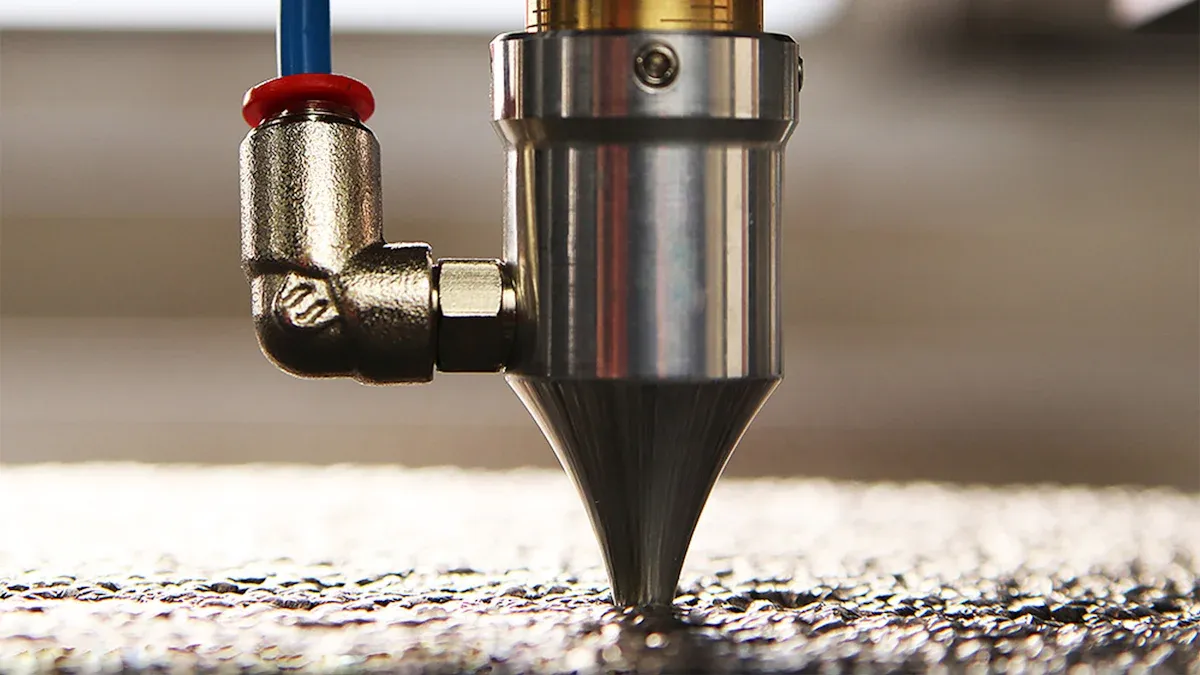
Horizontal directional boring 0.2° ultra precision changes many industries. This drilling method is very exact. It makes hard projects possible. These applications help build things. They also protect nature.
Telecom and Data Infrastructure Deployment
Exact HDD is key for phones and internet. It puts fiber optic cables in place. It also sets up 5G networks. This is true in busy cities. This method avoids other pipes. It causes little trouble. HDD machines put fiber optic cables underground. This helps high-speed internet. It helps 5G networks. It does not dig up much ground. City planners like this. For phones, HDD puts in fiber optic cables. It causes little mess. This makes projects faster. It costs less to put in. It goes under roads and rivers. Utility Directional Drilling (UDD) causes little mess. This is compared to digging big trenches. It works for electric lines. It works for fiber optics. It works for water and sewer pipes. UDD is very exact. It puts things in safely. This is true in crowded underground areas. It works for electric and fiber optic lines. It avoids other pipes. It helps get fast internet. It causes little trouble.
Energy Sector and Oil and Gas Well Drilling
The energy world gets much help from exact HDD. It is key for important pipelines. It also helps geothermal drilling. Underwater cables need exact spots. This is for safety and good work. Horizontal Directional Drilling (HDD) entry points are key. They help pull in underwater cables. These jobs are done very carefully. They make sure cables are put in right. They meet company rules. This stops damage when putting them in. HDD connects offshore wind turbines. It connects them to the main power grid. It connects other important offshore things. This method can cross up to 1000 meters. It uses pipes up to 12 inches wide. It uses a method that does not dig trenches. This protects nature. It drills under sensitive places. It helps cross from land to water. It helps cross from water to water. It protects against shore damage. It protects against ice. It protects against digging. It protects against anchors and boats. In oil and gas well drilling, being exact is most important. It makes sure the well path hits oil. This gets out the most oil. It also harms nature less. This method is key for hard oil and gas well drilling jobs. It makes sure the well goes where planned. This is important for wells with many branches. Each branch needs an exact spot. This gets the most oil from the ground.
Urban Utility and Smart City Development
Exactness helps put in city pipes. This includes water, sewer, and power lines. It works under old buildings. It works in sensitive nature spots. It works in busy cities. It does not need digging. HDD was used to bury big power lines. This was under old areas in the UK. This shows it works in sensitive spots. HDD helps put in water and sewer pipes. This is in hard and busy city areas. It is a way that does not disturb things. This causes little trouble for city life. HDD helps put in underground power lines. This is key for new energy projects. It meets the need for more power. It does this without harming nature. It avoids digging big trenches. In building, HDD is a must. It puts in underground pipes. It does this without messing up roads. This is true in busy city areas. This makes it a key tool for hard projects. Pipe companies use HDD. They update their pipes. They add more service. They do this with little mess on the ground. This fits their goals. Cities use HDD for growth. They use it for public work. This lets them update pipes. They add more pipes. They do this without stopping traffic. They also avoid stopping businesses. They avoid stopping homes. In one HDD job, special teeth lock together. This makes them hard to pull apart. This is on both parts of the joint. It needs little force to connect. This uses special 30-foot parts. A 'stovepipe' method helps it move fast. This is in tight city spots. It puts in pipe sections. It does this right from the machine. This means no need to lay out long pipes.
Environmental Remediation and Monitoring
Exact HDD is very important for nature projects. It stops bad stuff from spreading. It puts in pipes to check groundwater. It helps clean up precisely. This method puts cleaning stuff in exact spots. It makes sure it reaches the bad area. This cleans up best. For checking, it puts in pipes very exactly. This gives good info on groundwater. This exactness is key for nature jobs. It helps manage dangerous places well. Each check pipe gives important info. This info helps with more nature actions. The exact drilling puts the pipe right where it needs to be. This stops bad stuff from spreading more.
Transportation Corridor Installations
Exact HDD has big applications for roads and trains. It puts pipes under highways. It puts them under railways. It puts them under airport runways. It causes little traffic trouble. It keeps things strong. In city road crossings, HDD puts in pipes. It works under busy roads. It does this without closing many lanes. It also avoids traffic jams. This helps city projects go smoothly. For busy highway crossings, HDD lowers risks. It keeps traffic moving. This shows it works well and exactly. This is true in tough situations. A main good thing about HDD for big pipes is little mess on the ground. This means less digging. It saves roads and nature. It saves city spots. This saves money. It costs less to fix things. It also causes less money loss from traffic. This method keeps the ground above stable. It protects important road and train parts. Each pipe put in well helps important services.
Benefits and Impact of 0.2° Ultra Precision
Enhanced Project Efficiency and Savings
Very exact Horizontal Directional Boring saves money. Projects finish faster. This saves money. It saves time. Large pipes are put in faster. This is compared to digging trenches. This lowers costs. HDD can cut drilling time by 30%. This saves a lot of money. Projects finish sooner. HDD drill pipes lower repair costs. They lower risks. They make work better. This lowers project costs. Less digging helps. Better work helps. Projects finish faster. Less time is wasted. Faster projects mean less digging. Less road closing happens.
Increased Safety and Reduced Risk
Exact boring makes things safer. It lowers the risk of hitting pipes. This keeps workers safe. It keeps people safe. Workers are less exposed to danger. Overall safety gets better. Accurate drilling stops accidents. It stops damage to buildings.
Environmental Protection and Sustainability
Very exact HDD harms nature less. It disturbs less dirt. This saves nature. It makes cities look better. HDD puts pipes under rivers. It puts them under roads. It does this without digging. This helps nature. It saves landscapes. Good steering helps. It makes exact installations. It causes less disturbance. It lowers the risk of hitting pipes. HDD does not need big trenches. This helps nature. It helps buildings. This method follows nature rules. It moves less dirt. It lowers pollution risk. It helps build green things. It makes less mess. It meets nature rules.
Enabling Complex Infrastructure Projects
This exactness helps build things. It works in hard places. It works in sensitive places. It fixes problems like going off course. It fixes crossing failures. Projects once too hard are now possible. This includes old sites. It includes busy roads. This helps modern building.
By 2026, horizontal directional boring 0.2° ultra precision will be very important. This technology changes how we build things underground. It is very exact. New technology makes it even better. This makes underground building safer. It makes it faster. It is also better for the environment. This sets new rules for drilling. It makes hard projects possible now. Better drilling machines are very important. CEGC offers standard and custom solutions. These meet new needs and uses.
FAQ
What is 0.2° ultra-precision HDD?
This is very exact horizontal drilling. It hits the target path closely. It is within 0.2 degrees. This helps nature. It makes hard projects possible.
How does CEGC achieve this precision?
CEGC uses good guidance systems. These include load-matched control. They use strong frames. They also use anti-stall powertrains. Special tools help keep it accurate.
What are the main benefits of ultra-precision HDD?
It works better. It saves a lot of money. It is safer. It protects nature. It makes hard building projects possible.


