
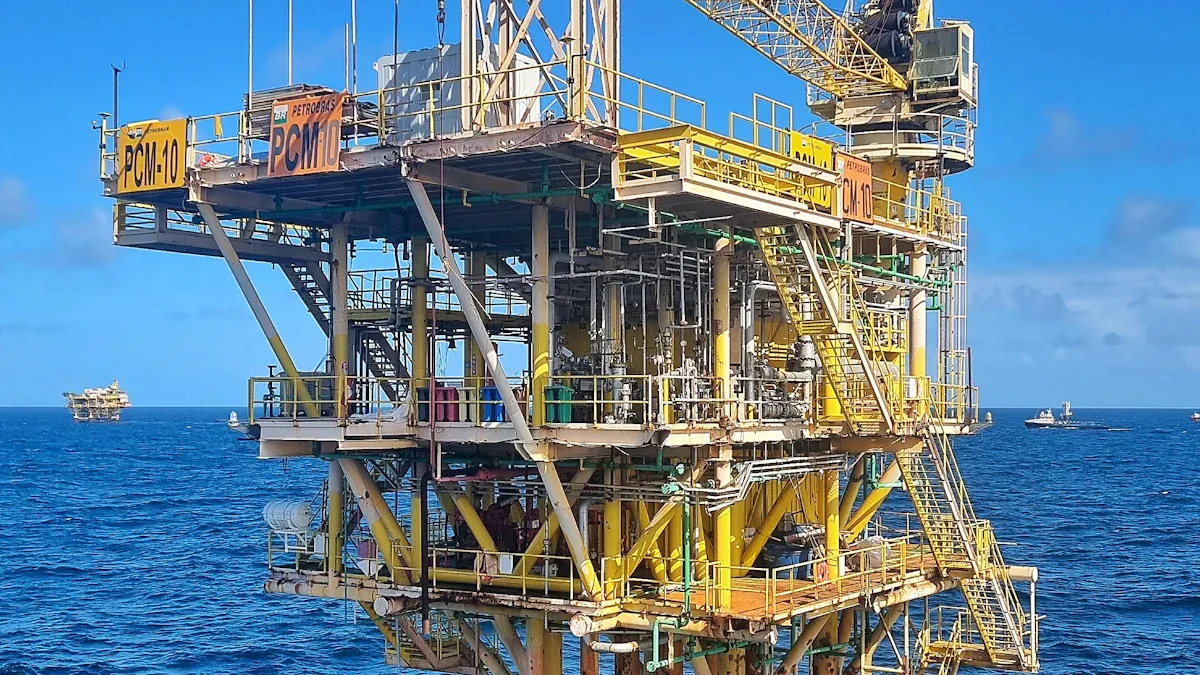
You have problems with things sticking in HDD Horizontal Directional Drilling Anti Adhesion projects. Protection is very important to keep your work going well. You must plan carefully and use fluids the right way. CEGC gives you ways to lower danger. Protection stops delays and helps your drilling machine work well.
Key Takeaways
-
Adhesion can make drilling slower and hurt tools. Use the correct fluids and tools to lower friction.
-
Check the site carefully before drilling. This helps find risks and makes planning easier.
-
Clean and take care of tools and pipes after drilling. This keeps equipment working well and saves money later.
Understanding Adhesion and Protection in HDD
What Causes Adhesion in HDD
Adhesion happens when sticky dirt or fluids stick to pipes and tools. Clay, silt, or mud can pile up while drilling. These sticky things form a layer that makes moving harder. You need to look out for this, especially in wet or clay-heavy places. Adhesion can start fast if you do not use fluids right or pick the right tools.
Impact of Adhesion on Drilling Operations
Adhesion causes many problems for your project.
-
More friction makes drilling slower and harder.
-
Tools wear out faster, so you must change them more.
-
Pipes can leak or break if connections fail.
-
Work gets less efficient and costs go up.
You need to fix these issues early to keep your work going well.
The Role of Protection Systems
Protection systems help stop adhesion and keep tools safe. ScarGuard protects coatings from damage during drilling. Bore-Wrap and coatings also keep pipes safe and stop sticky stuff from building up. Thread compounds protect pipe joints even more. You can pick the best system for your job. CEGC has drilling machines with good specs and custom options. You get the right protection and performance for your site.
HDD Horizontal Directional Drilling Anti Adhesion Strategies
Pre-Drilling Assessment and Planning
You begin each project by checking the site. Careful planning helps stop things from sticking. You look at the soil and rocks before starting. You pick the best place for drilling. You plan the path to avoid sticky clay and silt. You search for spots with less friction and fewer problems. You use surveys to find things that might get in the way. You plan how to protect coatings during drilling. You choose the right protection for your site. You remember to fix any pipeline damage. You get ready for trenchless pipeline work. You focus on coating and stopping wear.
-
Site checks help you find risks from soil and rocks.
-
Softer soils make drilling easier and lower friction.
-
Good planning helps you avoid sticking problems.
-
You pick the best protection and coating for your job.
Drilling Fluid Management
You control fluids to stop sticking in drilling. Fluids help the drill bit and hole move smoothly. You pick fluids that lower friction and keep clay off. You watch fluid properties to keep the hole steady. You change fluid mix for different soils. You use mud and fluid solutions from CEGC. You keep the hole clean and stop wear. You stop the bit from getting stuck and keep drilling fast. You check flow and pressure to avoid stuck pipes and coating problems.
-
Fluids help remove dirt and keep surfaces clean.
-
The right fluid lowers torque and drag.
-
You stop blockages and keep the hole stable.
-
You keep the hole clean and protect the coating.
Equipment and Tooling Selection
You pick tools and machines that resist sticking. You choose machines with strong power and overload safety. You pick cutters and reamers that fit the ground. You use new reamer tech for tough jobs. You pick tools that resist wear and have extra wrap. You use wrap for more protection. You pick rods and joints with strong coating. You keep coating strong and lower friction. You pick equipment that is easy to install and needs less fixing.
-
You use tools that fit blade, fluted, rock, and barrel reamers.
-
You pick machines with specs that fit your site.
-
You pick tools that lower wear and protect coating.
-
You make sure equipment helps fix pipeline damage.
Real-Time Monitoring and Adjustments
You watch drilling as it happens. You use locating systems with many frequencies. You change channels if there is interference. You track the path and keep it steady. You change thrust, pull, and spin to lower friction. You use GPS for good records. You check fluid and make changes often. You look for signs of wear and coating problems. You use systems to manage fluids and lower costs. You keep protection working during installation.
Tip: Watching in real time helps you find sticking risks early and keep coating safe.
|
Technical Solution |
Description |
|---|---|
|
Multiple Frequency Walkover Systems |
Locating tools handle interference and use GPS for records. |
|
Solidification Systems |
Manage fluids and lower disposal costs. |
|
Advanced Reamer Technology |
Bigger reamers handle tough ground. |
|
Improved Drilling Fluid Chemistry |
Control loss and keep holes stable in hard places. |
|
Find interference before drilling starts. |
|
|
Advanced Locating Systems |
Use many frequencies to lower interference during work. |
Post-Drilling Cleaning and Maintenance
You clean and check after drilling is done. You take sticky stuff off pipes and tools. You check coating for wear and rust. You look for coating problems and fix them. You use epoxy FRP to make things lighter and stop rust. You clean surfaces and check for damage. You keep extra protection systems working. You keep pipeline coating strong. You plan regular checks to keep coating safe. You lower costs and keep the job safe.
|
Benefit |
Description |
|---|---|
|
Weight Reduction |
FRP is lighter than steel, so moving is cheaper and faster. |
|
Corrosion Resistance |
FRP does not rust and lasts longer in tough places. |
|
Electrical Insulation |
FRP does not conduct electricity, making it safer. |
|
Design Flexibility |
FRP can be shaped easily, so there are fewer joints and weak spots. |
|
Low Maintenance |
FRP only needs cleaning and checks. |
You use CEGC’s special drilling rigs. You add new protection and monitoring tools. You keep coating, wear, and rust under control. You protect pipelines and make sure drilling goes well.
You keep your HDD project safe by using smart steps.
-
Check the site and find all utilities before you drill.
-
Pick good equipment and take care of it often.
-
Teach workers and follow the rules for drilling.
-
Ask CEGC for help with the best drilling machines.
-
Keep learning and checking to stop things from sticking.
FAQ
What is adhesion in horizontal directional drilling?
Adhesion happens when sticky dirt or mud sticks to pipes and tools. This makes more friction and can hurt your tools while drilling.
How do you prevent adhesion in HDD projects?
-
You look at the site before you drill.
-
You use fluids that work best for the job.
-
You choose strong tools and good coatings.
Why should you choose CEGC’s horizontal directional drilling machine?
|
Benefit |
Description |
|---|---|
|
Custom Options |
You get features that fit your job. |
|
Protection |
You keep pipes and tools safe easily. |
|
Reliability |
You finish work with fewer delays. |


