
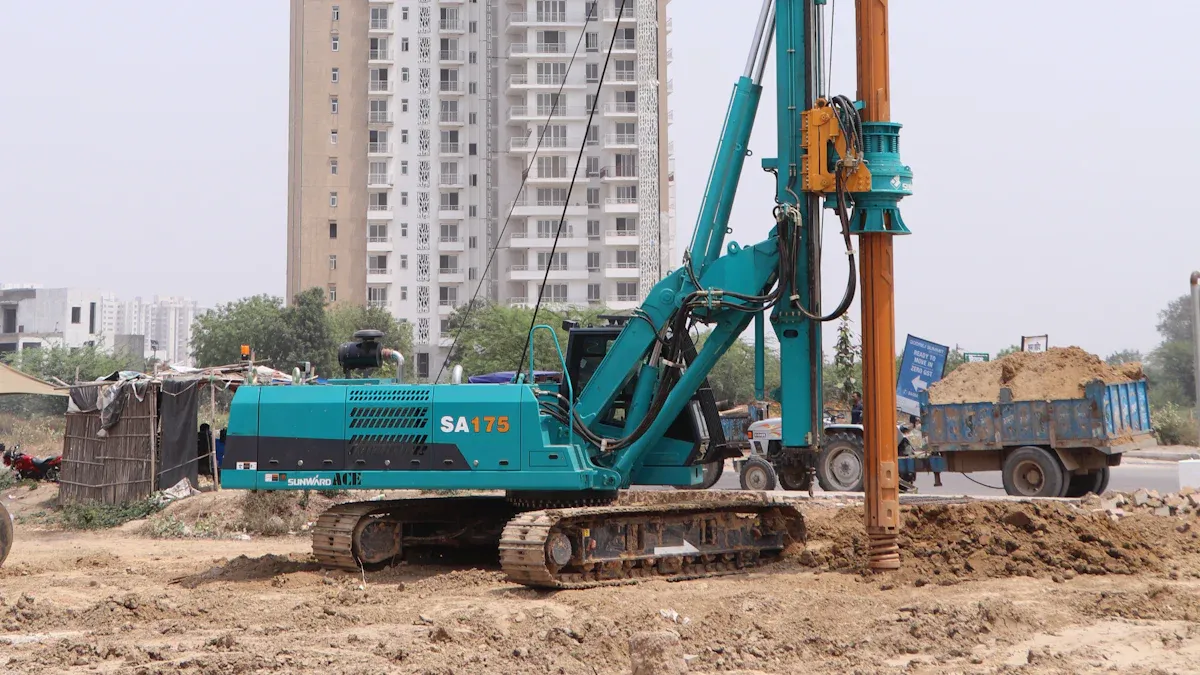
Managing friction is very important for successful HDD Horizontal Directional Drilling. More friction means higher costs, increased equipment wear, and potential delays. This guide provides useful tips for HDD professionals to understand and reduce friction. CEGC helps make HDD Horizontal Directional Drilling Low Friction.
Key Takeaways
-
Good planning helps lower friction in drilling. This includes checking the ground and designing the path well.
-
Special liquids and additives make drilling smoother. They reduce rubbing and help clean the hole.
-
Using the right tools and watching how you drill helps control friction. This keeps projects on track and saves money.
Understanding Friction in Horizontal Drilling: Impact and Sources
Defining Primary Sources of Friction in HDD
Friction is a big problem. It slows down work. It makes costs go up. Skin friction is one type. The drill pipe rubs the soil. Engineers plan mud for this. They use special liquids. These liquids reduce rubbing. Drilling fluid helps too. It lowers all friction. This is very important. The bore path also adds friction. A study found this. Changes in the path cause more drag. This happens during horizontal drilling.
Consequences of High Friction on Operations and Costs
High friction causes many problems. Equipment breaks down early. Metal parts rub too much. Old coatings can make it worse. They can damage soft parts. This means buying new parts often. This costs more money. Too much friction causes repairs. It stops work unexpectedly. This means less work gets done. Repairs cost more. More workers are needed. More materials are used.
Pre-Drill Planning: Foundation for Reducing Friction
Good planning is key. It lowers friction. This is for horizontal drilling. This step makes work smooth. It helps avoid problems later.
Site Investigation and Soil Characterization
First, check the site well. Know the ground conditions. This is very important. Special tests give data. GrowNet is a model. It predicts friction. This is for clay soils. It shows complex links. Ring shear tests also help. They give strength data. These tests are better. They show the friction angle. This soil study helps predict friction.
Optimizing Bore Path Design and Trajectory
Design the path carefully. This helps lower friction. A good path means less rubbing. The drill string touches less. Catenary design is best. It lowers friction. This is for long drills. This shape keeps the drill off the wall. It lowers drag and twist. A math model helps. It makes calculations easy. Studies show this design works. It lowers total hook load. This is better than old designs.
Selecting Pipe Material and Low-Friction Coatings
Pick the right pipe. Choose good coatings. This is key for hdd horizontal directional drilling low friction. Some materials resist less. Special coatings lower drag. Superhydrophobic coatings reduce touch. They make things slippery. SLIPS also lower friction. They change how things rub. DRPs can cut drag a lot. These coatings go on pipes. This means less liquid is needed.
Drilling Fluid Management: Key to Low Friction
Good drilling fluid care is vital. It helps achieve HDD Horizontal Directional Drilling Low Friction. Bad fluid work can cause problems. It can lead to frac-out risks. It makes work harder. CEGC has a solution. It is called "Mud Integration & Fluid Management Solution." It helps with these issues. It tells you how big pumps should be. It makes sure paths are clear. It checks that filters are ready. It pushes for strict mud rules. This means setting mixing goals. It means watching fluids all the time. It means making changes when needed.
Tailoring Fluid Properties for Different Ground Conditions
Different ground needs different fluids. Clay ground needs special fluids. These fluids greatly cut down friction.
-
Tiny nano-emulsion particles make a thick film. This film coats well walls. They also make clay stronger. This cuts friction from sliding layers. These particles make fluids flow better. They change how particles link in the fluid.
-
Sulfur-rich plant esters, like SMJH-1, make a film. This film coats metal parts. This happens with C-S bonds. They can cut friction a lot. For example, by 91.4%. Hot temperatures help C-S bonds form. They form on clay surfaces. This makes clay-metal contact stronger. Clay bits fill rough sliding spots. This makes surfaces smoother. It lowers friction.
-
Polyethylene glycol (PEG) acts as a grease. It sticks oily paraffin to bentonite. This makes a water-repelling film. PEG also stops bentonite from soaking water. It stops it from spreading. This makes particles bigger. It lowers the surface area. It reduces friction. A mix of 5% PEG (weight 6000) and 10% polyaspartic acid (PA) can cut friction to 0.094. This makes a two-layer film. It also acts like tiny ball bearings. This is on the filter cake surface. It greatly lowers friction. It makes it resist wear better.
Utilizing Advanced Additives and Lubricants
Special additives and lubricants are key. They cut down twisting and dragging. This is in horizontal drilling. These new tools make drilling better.
-
New Gels: These gels cut twisting by 40%. This is in clay-heavy areas.
-
Solid Calcium Control: This lowers dragging. It makes drill pipe move smoother.
-
Better Cement Links: These cut friction. They help finish projects faster.
Siam Minerals offers special muds. These are for HDD drilling. They have clay helpers. They have thinning agents. These are important for cutting twist and drag.
Strong drilling fluids are also key. New synthetic muds (SBMs) are important. High-performance water muds (HWBMs) are too. They greatly lower friction. They have special greases. They have friction reducers. These make a thin film. It is on metal parts. This lowers twist and drag.
Grease additives give more friction help. These include:
-
Beads or tiny balls. They act like rollers.
-
Nanoparticles. They make grease work better.
-
Graphene additives. They make super slick coatings.
Specific items like AMC 117™ and AMC SHALEHIB ULTRA™ stop clay/shale. They cut bit sticking. They cut twist and drag.
Special greases in drilling fluids help a lot. They make drilling better. They grease and cool drill bits. This makes tools last longer. It keeps drilling working well. This cuts heat damage risk. It lowers downtime and repair costs. This is true for city pipe jobs. Using good greases makes drilling faster. It makes it more reliable.
Other good greases include:
-
Mincon Envirosafe RDO: This is a plant oil grease. It is for rock drills. It makes them work better. It cuts friction on inside parts. It works well with water. It resists washing off.
-
Mincon Envirosafe Hole Control: This is a polymer mix. It is for air drilling. It stops cuttings from being re-drilled. It makes the hole stable. It carries more stuff out. It helps seal broken ground. It acts as a grease. It cuts twist.
-
POLY PLUS: This liquid polymer wraps cuttings. It makes shale stable. It makes mud thicker. It makes mud more slippery. It cuts friction.
-
KEM-VIS: This is a liquid polymer. It makes mud thicker. It cuts friction. It makes water flow better. This is by cutting fluid swirl. It sweeps cuttings from the hole. This is when drilling with water. It makes fresh water muds thicker. It helps separate solids. It makes the hole more slippery. This leads to faster drilling. It uses less bentonite.
-
I-GEL: This is top Wyoming Bentonite. It has added stuff. It makes mud thick. It makes it strong. It cleans holes. It makes a wall cake. It makes it slippery. It stays easy to pump. It is great for HDD.
-
X-GEL: This is a mixed bentonite. It is high-yielding. It has added stuff. It holds things up. It makes the hole stable. It controls filtering. It helps cut twist and drag. This is for water-based jobs.
-
Maxbore HDD: This is a one-bag system. It has top Wyoming bentonite. It has added stuff. It is made to lose less fluid. It has better grease qualities. It makes gravel and cobble stable. It holds things up well.
New biodegradable drilling fluids are good for nature. These fluids work well. They are also earth-friendly.
Maintaining Optimal Fluid Circulation and Pressure
Keeping fluid moving and at the right pressure is key. It stops friction from building up. Drilling fluids cool the bit. They take heat away. This stops early failure. Greasing depends on how much friction there is. Oil and synthetic muds usually grease better. Water-based muds can be better with additives. How much grease there is depends on the solids. It depends on heavy stuff. It depends on the chemicals in the system. Bad greasing causes high twist and drag. It makes the drill string get hot. These are signs of friction.
Key things for good flow are:
-
Mud Weight Change: Changing mud weight balances pressure. It balances with ground pressure. This stops sticking. It keeps fluid flowing.
-
Anti-Sticking Agents: Using anti-sticking stuff coats the drill string. This cuts sticking to the ground. It makes a thin, slick layer.
-
Best Drilling Settings: Changing things like spin speed. Changing weight on the bit. This cuts friction. This is between the drill pipe and the hole. It stops sticking. These ways cut sticking and blocking. They make drilling smoother. They cause fewer delays.
Watching drilling settings in real-time is vital. Checking pump pressure. Checking flow rate. Checking mud weight. Checking twist. This helps find problems. These problems show a plug forming. Advanced mud logging checks cuttings. This tells about hole problems. Early action means changing flow rate fast. Or changing mud properties. This is when pressure or twist goes up a little. It stops full blocks. Real-time watching lets you fix things fast. This stops problems from getting worse.
Drilling fluid pressure care helps clean the hole well. It uses real-time pressure checks. This helps remove dirt. It changes mud weight. The Equivalent Circulating Density (ECD) combines mud weight. It combines pressure loss in the ring. It links directly to hole cleaning. Bad hole cleaning can raise ECD. Managing ECD by controlling flow can cut pressure loss. This must be balanced with carrying cuttings. Pumping thick mud at top speeds helps carry cuttings. This accounts for extra pressure.
Other ways to manage pressure include:
-
Pumping thick mud at top pump speeds. This, with drill string turning, helps carry cuttings. Extra pressure must be thought about.
-
If turning is limited, use two muds. First thin, then thick and heavy. This can move and lift cuttings.
-
Drill carefully. Use sweeps and short trips. This cuts cuttings build-up. This is for when too much ECD is a problem.
-
Make drilling fluid better. Change thickness and yield point. This helps carry cuttings. It stops them from piling up.
-
Make flow rate faster. Increase pump speeds. This helps drilling fluid lift more. It stops cuttings from settling.
-
Change fluid flow. Use thick polymer fluids. This makes drilling fluid hold more.
Pick the Right Tools to Lower Rubbing
Choosing the right drill string and reamers is very important. It helps make less rubbing. This is for horizontal drilling. This choice affects the project.
How Drill Pipe Design and Shape Matter
Drill pipe design and shape matter a lot. Wear and rubbing are different. But they affect each other. Roughness changes with wear. This roughness affects rubbing. A special coating on pipes lowers rubbing. It also makes them last longer. This shows how the pipe's shape affects rubbing. CEGC helps lower wear. It makes sure parts work well together.
Picking Reamers for Clean Holes and Low Drag
Picking the right reamers is key. It helps clean holes well. It also lowers drag. Some reamers make straighter holes. This means less rubbing. They have special parts. These parts cut full size in rock. Smart reamers can turn off. This helps clean the hole after cutting. They give live information. This means fewer problems. A special part helps. It lets fluid flow around. This helps clean the hole better.
Using Shaker Systems and Smooth BHA Parts
Shaker systems help a lot. They make less drag. They stop the string from bending. They also help control the tool. They let you drill longer wells. Shakers make the drill bit work better. This means faster drilling. They make drag steady. They help push weight to the bit. CEGC stops sudden twists. These twists often come from rubbing. This keeps rods and tools safe.
Good Ways to Use Swivels and Backreaming
Good swivel and backreaming ways are key. They keep rubbing low. This is during horizontal drilling. Always use good swivels. This stops twisting and sticking. Backreaming should be careful. This cleans the hole well. It stops too much drag.
Real-Time Friction Control
It is important to control friction. This stops expensive problems. It makes projects work well. CEGC has ways to help. Its "Precision Guidance & Stability System" helps. Its "Anti-Stall Powertrain & Overload Protection" also helps. These systems manage friction. They stop problems.
Watching and Changing How You Drill
Always watch drilling settings. Workers must change them fast. This stops friction from building up. It makes drilling work better. CEGC's "Precision Guidance & Stability System" helps. It matches power to the job. It controls push, pull, spin, and feed. This careful control stops the drill from going off track. It helps manage friction. Strong frames and straight parts also cut shaking. This stops the drill from moving sideways. Tracking systems give live data. This allows quick changes.
Changing spin speed helps a lot. It stops friction from growing. Faster spin speed lowers push and twist. This happens for many reasons. More spin speed makes more heat. In materials like PTFE, heat makes them softer. This lowers push. More heat also makes a thicker film. This film is on the drill surface. It lowers the average friction. This directly cuts friction. It also lowers push. At faster spin speeds, polymers bounce back less. This reduces touch. It also lowers rubbing. This is between the drill and the hole. This lowers push and twist. This careful control makes drilling faster. It makes drilling better.
Using Careful Pullback Speeds and Weight
Careful pullback speeds are vital. Good weight transfer is also vital. They stop too much friction. This is during pipe work. Smooth movement lowers stress. It is on the drill string. It also lessens rubbing. This is with the hole wall. CEGC's "Anti-Stall Powertrain & Overload Protection" is key. It gives strong twist power. It has a wide speed range. This allows smooth pullback. Hydraulic sensors prevent sudden jerks. They manage pressure. Controlled start and stop reduce shocks. This protects rods, swivels, and tools. These features fix friction problems. They help keep drilling steady. This makes drilling work well.
What to Do When Friction Is Too High
Even with good plans, high friction can happen. This can make the pipe get stuck. Having clear emergency steps is key.
When a pipe gets stuck, check it first.
-
First Check: Guess how deep the pipe is stuck. Measure how much it stretches. Use a special stretch math rule.
-
Figure Out Why It's Stuck: Ask two main questions. This helps find out why it's stuck.
-
Was the pipe moving when it got stuck? (YES/NO)
-
Is the well's fluid the same? Or is it different? (YES/NO) Use these answers. Find the exact reason it's stuck. For example, it could be stuck because of pressure. Or a falling hole. Or a tight spot. Or a small hole.
-
-
Jumping Actions: Hit the pipe based on how it was moving.
-
If stuck going up, hit down.
-
If stuck going down, hit up.
-
If not moving when stuck, twist it. Then hit down. (Unless the drill bit is at the bottom. Then hit up.)
-
-
Changing to a 'Fish' (if hitting fails): If you cannot free the pipe, change it. Turn the lower part into a 'fish'. This means unscrewing it. Or cutting it. Do this just above the stuck part. This allows special tools. They can hit closer to the stuck spot. This makes the hits stronger.
In horizontal drilling, dirt can settle. It forms a bed. This is on the bottom of the hole. This stops the pipe from moving. It can jam the pipe. This happens if you try to spin it. Or move it. Do this without cleaning it first. Ways to fix this include: using clean wipers. Pumping more fluid. Using trimming tools.
Other tools and ways help free a stuck pipe:
-
Twisting and pulling hard.
-
Hitting with tools down the hole.
-
Getting the pipe back. And fishing for it.
Specific ways include:
-
Using greases. Or special fluids. This is for pressure sticking.
-
Using back-reaming. Or moving the pipe back and forth. This is for small sticking.
To stop pipes from getting stuck, manage fluids. Manage the filter cake. Oil-based fluids are very slippery. Synthetic fluids are too. Water-based fluids can be better. Add 1-5% grease. This makes a thin, strong filter cake. High-performance polymer water fluids are another choice. They are naturally slippery. They might not need extra grease. CEGC's "Anti-Stall Powertrain & Overload Protection" stops sudden twists. These often cause stuck pipes. Its sensors and controlled start/stop reduce shocks. This is key for less friction. These new tools are vital. They make horizontal drilling work well.
Less rubbing in drilling is hard. It needs good plans. It needs special liquids. It needs the right tools. This includes the drill machine. Careful work is also key. Doing these things helps drilling. It saves money. It makes projects work. This means better results. Tools last longer. This makes drilling have low friction.
FAQ
Why manage friction in HDD?
Managing friction saves money. It stops tools from wearing out. It prevents project delays. It makes drilling work well. Too much friction can stop drilling.
How do drilling fluids cut friction?
Drilling fluids make the drill string slick. They make the hole slick. They move dirt away. This means less rubbing. Good fluid care is key. Water droplet emoji
What tools help lower friction?
Choose the right drill pipe. Pick good reamers. Use low-friction coatings. This cuts down drag. CEGC's special tools also help.


