

Imagine you are working on a horizontal directional drilling project. A small problem with your hdd equipment, like a tiny oil leak, can turn into a big delay. You notice costs go up quickly when things break or fluid issues happen. CEGC helps you find HDD Horizontal Directional Drilling Micro Error early. The table below shows how delays make costs higher:
|
Factor Contributing to Delays |
Impact on Project Costs |
|---|---|
|
Unforeseen geological conditions |
Costs go up because more work and time are needed |
|
Equipment breakdowns |
Repairs cost more and you might need to rent gear |
|
Issues with drilling fluid management |
Accidents and protecting the environment cost money |
|
Extreme weather |
|
|
Site access challenges |
You spend extra on moving things and fixing mistakes |
Key Takeaways
-
Find micro errors early to stop expensive delays. Watch for things like oil leaks, changes in pressure, and strange sounds while drilling.
-
Use new tracking systems to watch in real time. These tools help you spot errors fast and keep your drilling path correct.
-
Make a good plan before drilling. Do site surveys and handle drilling fluid well to lower the chance of micro errors and make the project better.
Understanding HDD Horizontal Directional Drilling Micro Error
What Are Micro Errors?
Sometimes, you see small problems during a horizontal directional drilling project. These small problems are called hdd horizontal directional drilling micro error. Micro errors can be tiny changes in the drill path, little leaks, or small pressure changes. You might think these problems are not important, but they can add up quickly. Even one small hdd horizontal directional drilling micro error can make your bore go the wrong way. If you do not fix these errors, bigger problems can happen later. CEGC makes horizontal directional drilling machines that help you find and fix micro errors early. You can also ask for special changes to fit your project needs.
Effects on Drilling Accuracy
Micro errors can change how well you drill in many ways. If you do not fix a hdd horizontal directional drilling micro error, your bore path can move off track. This can make you redo work, miss your target, or get project penalties. You should know the types of errors that can happen:
|
Description |
Impact on Bore Path Accuracy |
|
|---|---|---|
|
Random Errors |
These errors happen by chance and can be less with more samples. |
They make your work less exact but can be managed. |
|
Systematic Errors |
These errors happen the same way and get worse over long distances. |
They are the main reason for mistakes over long bores. |
|
Gross Errors |
These errors come from people making mistakes and are hard to find. |
They can make your bore very wrong if you do not catch them. |
You want to stop these errors because they can make your horizontal directional drilling project less good. CEGC’s top specs and guidance systems help you keep your bore path right. When you use the best equipment and plan well, you lower the chance of hdd horizontal directional drilling micro error and get better results.
Identifying and Fixing Micro Errors in Horizontal Directional Drilling
Signs and Symptoms
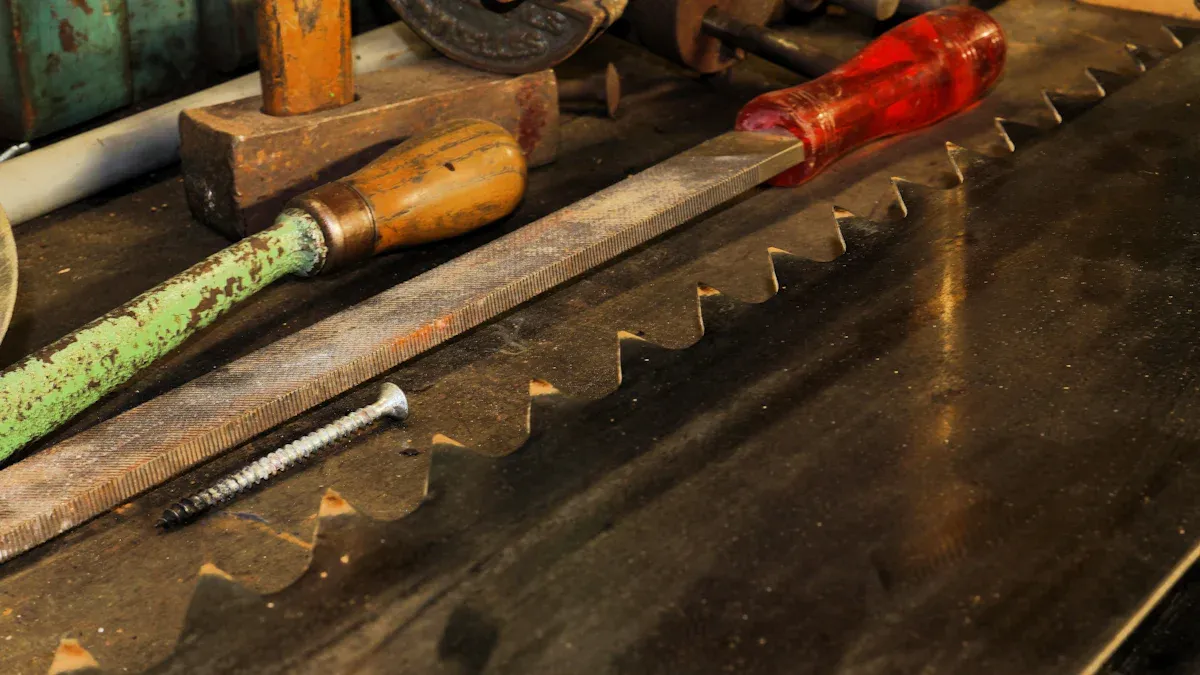
You can find micro errors early if you know what to watch for. Look for these signs when you do a horizontal directional drilling project:
-
Small oil leaks near the drill rig or hoses
-
Fast pressure changes in the system
-
Circuit faults or warning lights on the control panel
-
Worn or frayed pipes and cables
-
Strange sounds or shaking from the equipment
-
Odd changes in drilling length detection readings
These signs might look small, but they can cause bigger problems if you ignore them. You should check for these symptoms before and during drilling.
Detection Tools and Techniques
You need good tools to find micro errors fast. Modern tracking systems show you the exact depth and direction of your drill head. For example, the Ditch Witch Subsite system uses a digital signal processing tracking system and a gravitational roll sensor. This setup gives you correct depth and direction data and helps you avoid steering mistakes. The system also shows you the slant distance to the tool head, which makes drilling length detection better.
Here are some important tools and techniques:
-
Tracking systems that show depth all the time
-
Digital sensors for depth and direction
-
Drilling length management system for real-time updates
-
Data logging devices to record drilling length detection and other key numbers
These tools help you follow the drill’s path and catch errors before they get worse.
Real-Time Monitoring
Real-time monitoring keeps your horizontal directional drilling project going well. You can use a drilling length management system to watch drilling length detection, depth, and direction as you work. This helps you see problems quickly and fix them right away.
|
Best Practice |
Description |
|---|---|
|
Data Integration |
Combine surface data, LWD/MWD, mudlogging, and drilling dynamics for full monitoring. |
|
Trend Analysis |
Watch for changes in drilling length detection and act quickly on issues. |
|
Closed-loop Workflow |
Use a closed-loop system to catch and fix problems early. |
|
Continuous Monitoring |
Track drilling mechanics and indicators live to manage risk and improve performance. |
You should also keep your crew talking to each other all the time. Real-time monitoring and teamwork help you solve problems fast and lower the risk of crossing failures.
Immediate Correction Steps
When you find a micro error, act fast. Stop the drill if you see a quick change in depth or direction. Check the tracking system and drilling length detection readings. Fix leaks or change worn parts right away. If you see a circuit fault, reset the system and check all the connections.
Regular maintenance of equipment is very important to stop failures and problems during drilling. This way, you make sure all drilling equipment works well, so you have fewer errors and better results.
You should also write down every fix in your drilling length management system. This record helps you see patterns and stop future errors.
Equipment Adjustment and Maintenance
You need to keep your horizontal directional drilling machine working its best. Adjust the equipment if you see changes in depth or direction. Clean and check all parts after each job. Change frayed pipes and check the tracking sensors to make sure they are right.
CEGC machines have precision guidance and anti-stall powertrain features. These systems help you keep the drill on the right path and stop torque spikes. You can also use matching tools to lower wear and make maintenance easier.
Preventive Planning
Good planning helps you stop micro errors before you start drilling. Always do a site survey and geotechnical analysis. This gives you important facts about the jobsite and helps you find dangers early.
|
Evidence |
Explanation |
|---|---|
|
Preventive planning gives you important facts about the jobsite |
This information helps you find dangers and get ready for problems, so you have fewer micro errors during drilling. |
|
Walking the bore path before drilling |
This step helps you check for hidden utilities and other things, which can stop strikes and delays. |
|
Use of technology in planning |
Modern tools lower mistakes and make it easier to record important facts, so jobsites are safer and work better. |
You should also plan how you use drilling fluid. Clean drilling fluid keeps your equipment working well and stops cuttings from building up. Good fluid management saves money and helps the environment.
CEGC has advanced horizontal directional drilling machines with precision guidance, tracking, and drilling length management system options. These features help you control depth and direction, manage drilling length detection, and keep your project on time. By using these solutions, you can lower micro errors and get better results every time.
You make horizontal directional drilling more reliable by watching equipment closely and keeping it in good shape. Look at your tools often and fix leaks fast. Think about your bore path before you start. Use new technology and teach your team well. Follow smart steps to stop mistakes and finish your project successfully.
FAQ
What is a micro error in horizontal directional drilling?
A micro error is a small problem you might see. It could be a tiny leak or a small change in the drill path. These little problems can make your drilling less exact and hurt your project results.
How do you prevent micro errors during drilling?
You should check your equipment many times. Use real-time monitoring to watch for problems as you drill. Plan your bore path before you start. These steps help you stop micro errors in horizontal directional drilling.
Why should you fix micro errors right away?
Fixing micro errors fast stops bigger problems from happening. You also save money and time by acting early. This keeps your project moving and means you do not have to redo work.


