
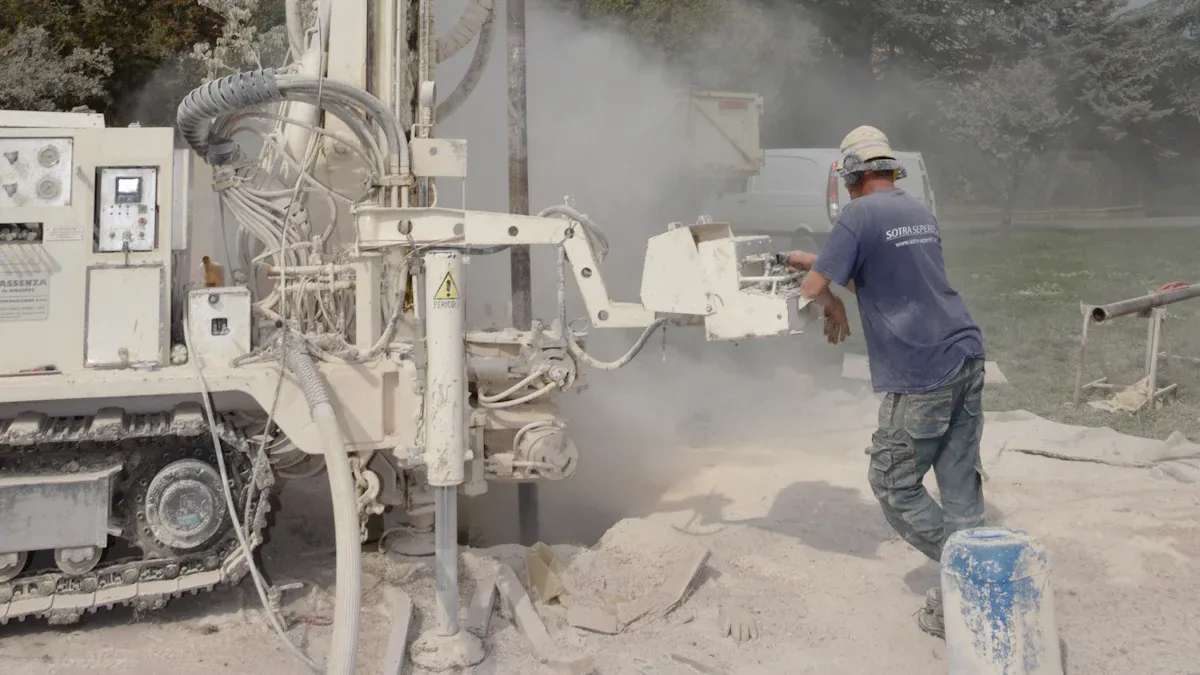
You use strong joint technologies to make your HDD Horizontal Directional Drilling Strong Joint projects safe and work well. These solutions help you stop bore deviation, stuck pipe, tool wear, and fluid problems. CEGC gives market-standard specs and custom choices to fix your main problems in directional drilling jobs.
Key Takeaways
-
Strong joints make HDD projects safer and more reliable because they stop leaks and hold pipes in place.
-
Picking the best joint for the soil and project helps save money on repairs and makes work faster.
-
Checking and oiling joints often helps your HDD equipment last longer and keeps it working with less stopping time.
Strong Joints In HDD Applications
Joint Integrity And Performance
Strong joints are important for safety and reliability in HDD projects. These joints use special designs like ductile iron pipe systems, HDSS®, HP LOK®, and flexible restrained joints. The systems have strong materials and locking parts. They stop leaks and keep pipes together when the ground moves or the drill rig pulls hard. Using strong joints protects your equipment from harm. It also keeps the bore straight and steady.
Field joint integrity is very important in horizontal directional drilling. Good joint protection lowers the chance of leaks and mechanical problems. This helps you avoid expensive repairs and delays. Strong joints also fight rust and wear. They help your drilling tools last longer and make your project more dependable.
Importance For Directional Drilling Machine
You want your directional drilling machine to work well every day. Strong joints help you do this. They keep pipes straight and stop bore deviation. This matters for Trenchless Drilling Rig users who need accuracy again and again. Using HDD Horizontal Directional Drilling Strong Joint technology gives you better results. You finish jobs faster and safer. You also lower the risk of stuck pipe and tool damage. Strong joints help you feel sure in tough ground and long crossings.
HDD Horizontal Directional Drilling Strong Joint Technologies
Threaded And Restrained Joint Systems
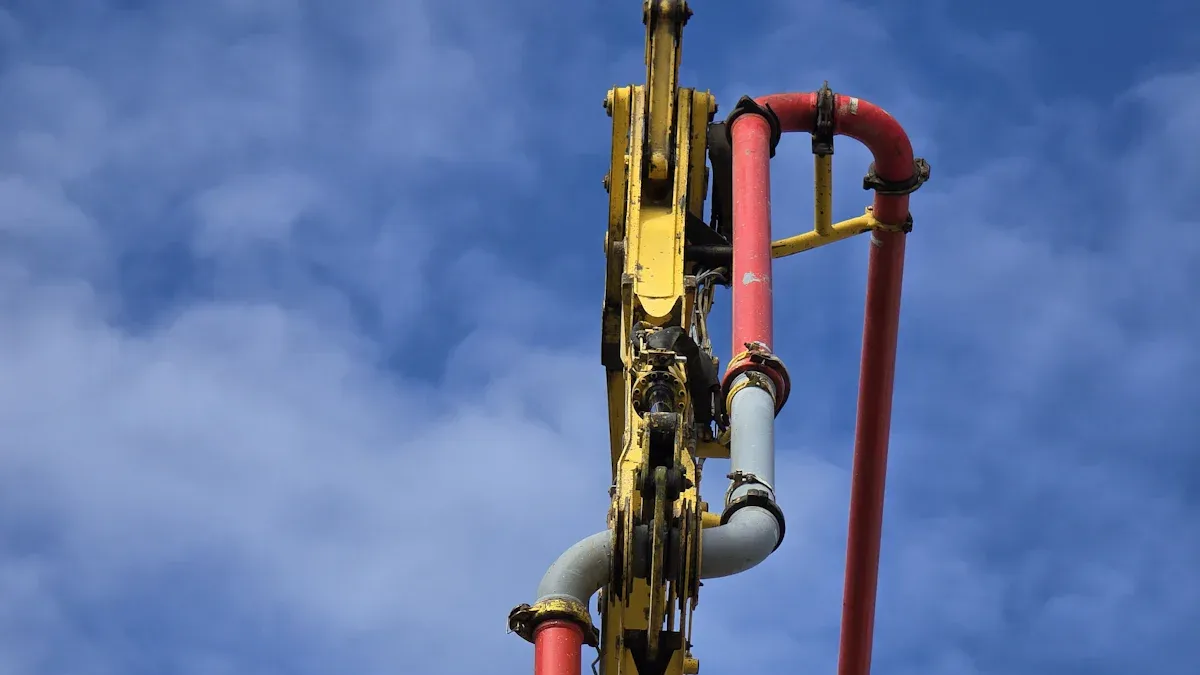
There are many strong joint technologies in horizontal directional drilling. HDSS®, HP LOK®, flexible restrained joints, and ductile iron pipe systems are important. Threaded joints use special threads to connect pipes tightly. Restrained joints have extra locks to keep pipes together. These joints stay secure even when you pull or push hard. These systems help keep pipes straight and stop leaks.
Flexible restrained joints work well in hard soil. You can trust them when the ground moves. They handle pulling and pushing forces and let pipes move a little. This helps keep pipes from coming apart or leaking. Regular joints may not handle moving ground as well. Flexible restrained joints give you better control and keep pipes safe.
-
Flexible restrained joints handle pulling and pushing forces.
-
They work best in soil that moves or gets hot and cold.
-
Regular joints may not stop leaks if the ground moves.
-
Flexible restrained joints keep pipes safe and let them move.
Friction-Welded And High-Strength Couplings
You need strong couplings for HDD Horizontal Directional Drilling Strong Joint jobs. Friction-welded joints use heat and pressure to join metal parts. This makes a bond that is stronger than the metal itself. High-strength couplings use special materials and designs to fight twisting and stress.
Here is a table that shows common materials and their properties in friction-welded and high-strength couplings:
|
Material |
Properties |
|---|---|
|
Good mix of strength and flexibility in many temperatures. |
|
|
Yield Strength |
Higher in weld joints than in the base metal. |
|
Hardening Capacity |
Lower in weld joints than in the base metal. |
|
Ultimate Tensile Strength |
Higher in weld joints than in the base metal. |
|
Hardness Distribution |
Higher in the weld area than in other zones. |
These materials help joints last longer and work better. Friction-welded joints give you higher yield and tensile strength. You can trust these couplings in tough drilling jobs. They keep your pipes connected and safe.
Engineering For Reliability
You want your HDD Horizontal Directional Drilling Strong Joint to last and work well. Engineers use smart designs and strong metals to keep joints tight and leak-free. They pick metals that are strong and flexible. They use locks that stop shaking and movement. These features help your pipes stay safe and your job go well.
CEGC lets you choose rod size, joint specs, and wear protection. You can match your joint system to your ground and project needs. You pick the right size and locks for your drilling machine. You also get wear protection, so your tools last longer and cost less to replace.
New strong joint technologies help protect the environment. You cause less harm to nature when you put in pipelines. You cut down on cutting trees, soil washing away, and hurting animal homes. You lower the chance of dirty water and help keep nature safe. You keep the land looking the same, which is important in special places.
Tip: Pick HDD Horizontal Directional Drilling Strong Joint technologies that fit your soil and project. You get better safety, reliability, and help the environment.
You can see that HDD Horizontal Directional Drilling Strong Joint technologies give you strength, flexibility, and reliability. You finish jobs faster, safer, and with less risk.
Comparing And Selecting Strong Joints
Performance And Durability
You need strong joints for hard jobs. Threaded joints make pipes fit tightly. They help stop leaks. Friction-welded couplings can handle strong pulls and twists. Flexible restrained joints work well in soil that moves. Each joint type is good for different ground and jobs. Using the right joint lowers the chance of stuck pipe. It also helps tools last longer. Your drilling machine will need fewer repairs.
Application Scenarios
You deal with many challenges in horizontal directional drilling. Some jobs need joints for sharp turns or long paths. Other jobs need joints for rocky or moving ground. Before picking, check these important things:
|
Factor |
Description |
|---|---|
|
Look at the ground and find nearby pipes and buildings. |
|
|
Legal Acquisitions |
Make sure you have permits and can get to the site. |
|
Public Relations |
Tell owners and plan safe places for materials. |
You must choose the best pullback method for your job. You can use regular, direct, or non-threaded ways. Match the joint to your soil, bore length, and goals.
Selection And Maintenance Tips
You can help joints last longer with good care. Follow these tips to keep your HDD Horizontal Directional Drilling Strong Joint working well:
|
Description |
|
|---|---|
|
Use thread gauges |
Use thread gauges along with looking at joints to find problems early. |
|
Inspect each upset |
Check each upset often so it wears out before the thread. |
|
Maintain sub saver |
Change the sub saver often to stop thread damage between rods. |
|
Clean bore holes |
Remove cuttings from the bore to lower wear on drill rods. |
|
Rotate lead rod |
Turn the lead rod every week to lower wear from different underground materials. |
|
Lubricate threads |
Watch and oil the threads on each rod often to help them last longer. |
You can ask CEGC for custom specs for your project. This helps you avoid torque spikes and tool damage. Good care and picking the right joint keep your drilling safe and efficient.
You get lots of good things when you use strong joint technologies in horizontal directional drilling. You have fewer problems. Your worksite is safer. You spend less money. New designs help you finish jobs on time. They also help you save money.
|
Description |
|
|---|---|
|
Fewer Equipment Needs |
You use less machines, so you save money. |
|
Labor Efficiency |
You need fewer workers, so you pay less. |
|
Cost Benefits |
Your projects cost less as time goes on. |
|
Minimized Inconveniences |
You bother people and businesses less. |
You can pick CEGC’s custom solutions for your project. If you care about joint integrity, your drilling projects will do better.
FAQ
What makes a joint "strong" in HDD?
You get strength from high-quality materials, smart engineering, and secure locking systems. These features help your pipes stay connected during tough drilling jobs.
How do you choose the right joint for your project?
-
Check your soil type.
-
Look at bore length.
-
Match joint specs to your directional drilling machine.
-
Ask CEGC for custom solutions.
How can you extend the life of your HDD joints?
|
Tip |
Benefit |
|---|---|
|
Inspect regularly |
Spot wear early |
|
Lubricate threads |
Reduce friction |
|
Rotate rods |
Even out wear |


