
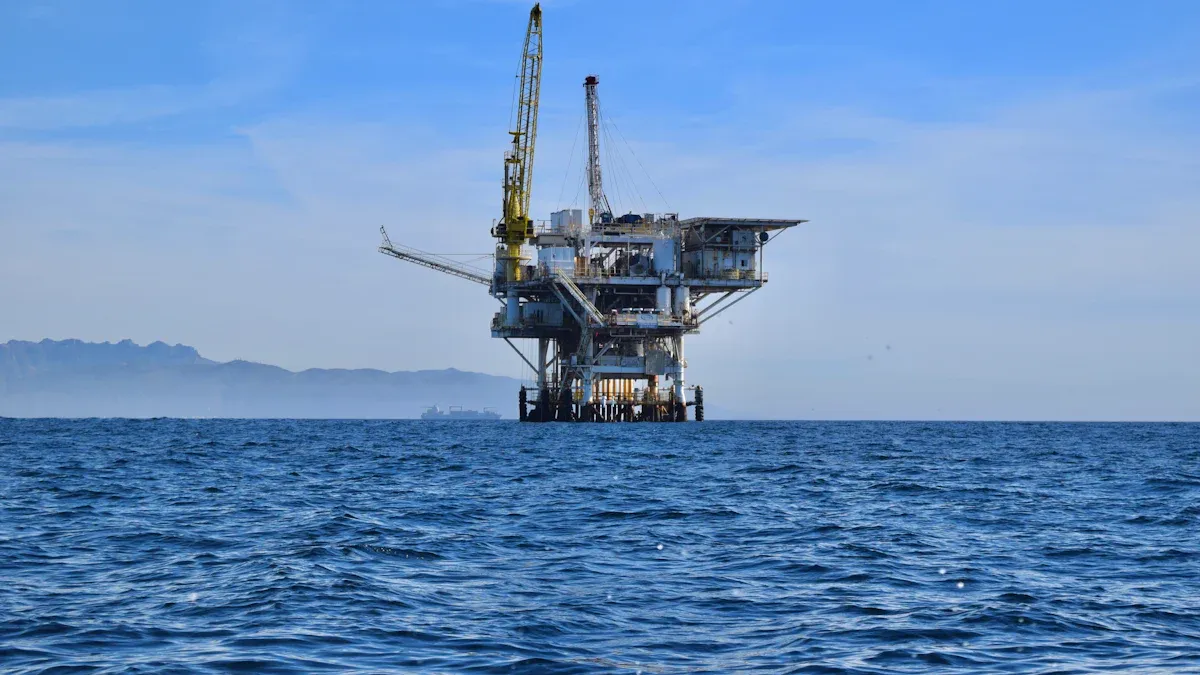
You rely on the Oil Drilling Rig Reinforced Joint Prevents Break to ensure your oil drilling rig remains safe, especially when facing tough ground stress. Joints are vulnerable to issues like tooth wear, tiny cracks, pipe fatigue, and intense vibration. CEGC’s horizontal directional drilling machine is engineered with an anti-stall powertrain, overload protection, and precision guidance. These advanced features work together to help prevent joint failures and keep your operation running smoothly.
Key Takeaways
-
Use high-strength alloy steel for joints. This helps them handle very high pressure and heat. This choice makes drilling safer and keeps joints strong in hard jobs.
-
Apply the right torque to drill pipe joints. This stops them from getting loose or cracking. Doing this makes drilling safer and helps your tools last longer.
-
Check safety joints and overload protection systems often. This easy step can stop sudden problems. It helps your drilling work go well.
Oil Drilling Rig Reinforced Joint Prevents Break
Structural Integrity and Material Selection
Strong joints keep your drilling safe. The oil drilling rig reinforced joint prevents break by using good materials and smart designs. When you drill deep, you deal with high pressure and heat. Joints made from high-strength alloy steel can handle over 10,000 psi and more than 300°F. These joints use special threading and heat-treated alloys to stay strong in hard places like deep or offshore wells.
Here is a table showing the main features that help the oil drilling rig reinforced joint prevents break:
|
Feature |
Specification |
|---|---|
|
Material |
High-strength alloy steel |
|
Pressure Resistance |
Greater than 10,000 psi |
|
Temperature Resistance |
Beyond 300°F |
|
Threading Technology |
High-end threading technology |
|
Integrity Improvement |
Solution heat-treated alloy steels |
|
Application |
Severe conditions in deep/offshore wells |
You also see new materials like fiber-reinforced polymer composites. These materials are strong and can handle heat. They resist water and fatigue, which helps stop drill pipe breakage. Some joints use resin or general polymers. These materials stick well and can lubricate themselves. They also absorb vibration, which helps the oil drilling rig reinforced joint prevents break.
Welding is important for joint strength. The right welding makes the joint last longer. For thick plates, electroslag welding works best. Explosion welding joins different metals and stops rust. Hyperbaric welding helps fix joints underwater. You must pick the right welding for the material and job. This helps the oil drilling rig reinforced joint prevents break and lowers drill pipe breakage.
Safety Joints and Overload Protection
You want to stop sudden failures in your rig. Safety joints and overload protection help with this. These features let the oil drilling rig reinforced joint prevents break even when you face surprise stress or torque spikes. Safety joints act like a fuse. They disconnect before the main joint fails, so you avoid drill pipe breakage and downtime.
CEGC’s horizontal directional drilling machine uses anti-stall powertrains and overload protection. These systems sense when the load gets too high. They change power and pressure to protect the joint. You get a rig that can handle hard ground without breaking. You also get custom options. This means you can pick the right specs for your job, making sure the oil drilling rig reinforced joint prevents break in every condition.
Tip: Always check your safety joints and overload systems before you start a project. This easy step can stop drill pipe breakage and keep your operation running well.
Lubrication and Wear Reduction
Friction causes wear and leads to drill pipe breakage. You need good lubrication to keep your joints working well. The oil drilling rig reinforced joint prevents break by using special lubricants that cut friction and heat. Good lubrication also helps the joint move smoothly, even under heavy loads.
Here is a table showing types of lubricants and their uses:
|
Type of Lubricant |
Characteristics |
Applications |
|---|---|---|
|
Solid Lubricants |
Plastic balls, graphite, glass beads; reduce torque and friction |
Used in drilling fluids; can separate or get damaged |
|
Liquid Lubricants |
Alcohol ether, ester, amide, vegetable oils; eco-friendly |
Used in extended and horizontal wells; work in many temperatures |
High-performance lubricants can cut surface wear by more than half. These lubricants work well at high temperatures and pressures. Many use anti-wear additives and biodegradable oils. This helps the oil drilling rig reinforced joint prevents break and protects the environment.
CEGC’s rigs make maintenance easy and let you pick the best lubrication system for your needs. You can match the lubricant to the geology and depth of your project. This lowers drill pipe breakage and keeps your rig working longer.
Note: Always use the right lubricant for your drilling conditions. This simple choice helps the oil drilling rig reinforced joint prevents break and saves money on repairs.
Drill Pipe Joints: Torque, Design, and Performance
Proper Torque Application
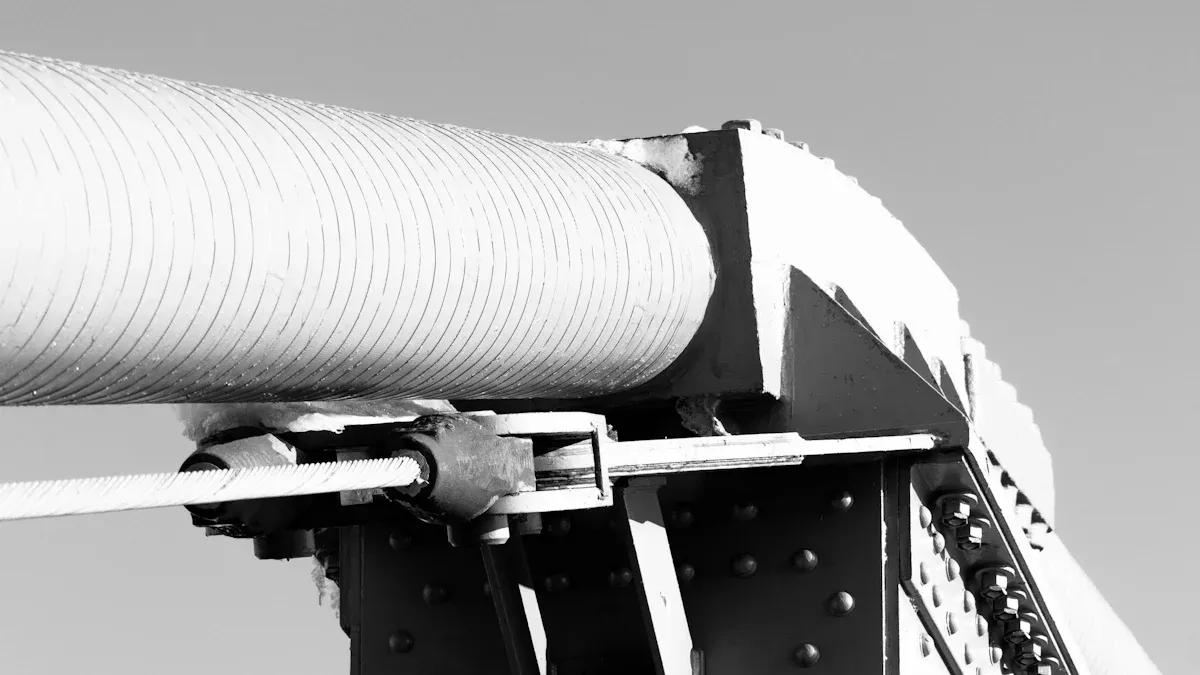
You must use the right torque on drill pipe joints. This keeps your drilling safe and helps your drill string last longer. If you use too little torque, joints can loosen while drilling. Loose joints cause thread damage and may break. Too much torque can stretch the joint too far. This makes cracks and can cause the joint to fail.
Here is a table showing how wrong torque affects drill pipe joints:
|
Cause of Joint Failure |
Explanation |
|---|---|
|
Insufficient Makeup Torque |
Connections may tighten during drilling, causing thread failure from vibration and shock. |
|
Using too much torque causes 'box swell', stressing the connection and leading to cracks and failure. |
Always turn on the torque limiter when making up drill pipe joints. This keeps tension even across all joints in the drill string. Using proper torque helps you drill a straight hole and makes drilling safer. For SUT drill pipe joints, the recommended torque is about 21.5 kN·m. For DUT drill pipe joints, the torque is about 45 kN·m. These numbers follow industry rules and help you avoid joint failure.
Joint Design for Fatigue Resistance
The way drill pipe joints are made helps stop fatigue and failure. You want joints with smooth surfaces. Scratches or dents make stress points. These points wear out the joint faster. Heat-treatment makes the material stronger and stops fatigue.
New drill pipe joints use better materials and thread shapes. These changes give more strength and help joints last longer. Third-generation designs can handle more torque and lower the risk of failure. You get safer drilling and fewer problems with your drill string.
Drill pipe joints now have better structure. A bigger radius in the step transition zone lowers stress. Good surface quality and less leftover stress mean longer life. Choosing joints with these features gives you more strength and durability.
Here are some design features that help drill pipe joints fight fatigue:
-
Smooth surfaces lower stress points.
-
Heat-treated materials make joints stronger.
-
Advanced thread shapes give more torque strength.
-
Better structure means longer fatigue life.
-
High-quality surface work improves performance.
Strong drill pipe joints use materials like X95, G105, S135, and U170. These materials give more strength and safety. The joints are made to have torque strength 13%-20% higher than the pipe body. This lets your drill string handle tough jobs without breaking.
Integration with Horizontal Directional Drilling Machine
You need drill pipe joints that fit your horizontal directional drilling machine. CEGC rigs have standard specs and custom options for your project. These rigs help you deal with stuck pipe, torque spikes, and hard ground. Anti-stall powertrain and overload protection keep joints safe from sudden stress.
Advanced drill pipe joints cut downtime and maintenance costs. New features like DTH hammers, shock absorbers, and high-precision parts make your drill string last longer. Anti-corrosion and external coatings protect joints from rust and wear. You spend less time fixing and replacing, which saves money.
Here is a table showing how new drill pipe joints help you:
|
Innovation Type |
Benefit Description |
|---|---|
|
DTH Hammers |
Better performance, less fuel, fewer stops, and lower costs. |
|
Shock Absorbers |
Less vibration and wear, fewer repairs needed. |
|
High-Precision Internals |
Parts resist wear, last longer, and need fewer replacements. |
|
Longer pipe life, lower maintenance, and better reliability. |
|
|
Longer lifespan, fewer replacements, and less maintenance. |
You can match drill pipe joint specs to your project’s loads and geology. Good design and proper use help lower stress and wear on your drill string. This makes your drilling operation last longer and work better. CEGC’s horizontal directional drilling machine lets you pick the best drill pipe joints for your needs.
Tip: Keep drill pipes maintained and choose the right design. This helps you avoid failures and keeps your operation running smoothly.
You keep your oil drilling rig safe with reinforced joints. Optimized drill pipe joints also help protect your rig. These safety steps stop breakage and make your rig last longer. You spend less time fixing things and save money. You can pick CEGC’s horizontal directional drilling machine for tough jobs. It gives you strong safety features and works well.
-
Rig lasts longer
-
Less fixing needed
-
Projects turn out better
FAQ
What causes joints to experience fatigue failure in oil drilling rigs?
You see fatigue failure when joints face repeated stress. High stress cycles weaken joints. Fracture mechanics help you understand how cracks grow and cause failure.
How does stress affect joints and prevent failure?
You control stress to stop fatigue. Too much stress leads to cracks. You use fracture mechanics to check joints for signs of fatigue failure and prevent sudden failure.
Why do joints need regular checks for fatigue and stress?
You check joints often. Fatigue builds up from stress. Early checks help you spot fatigue failure. You avoid costly failure and keep your rig safe.


