
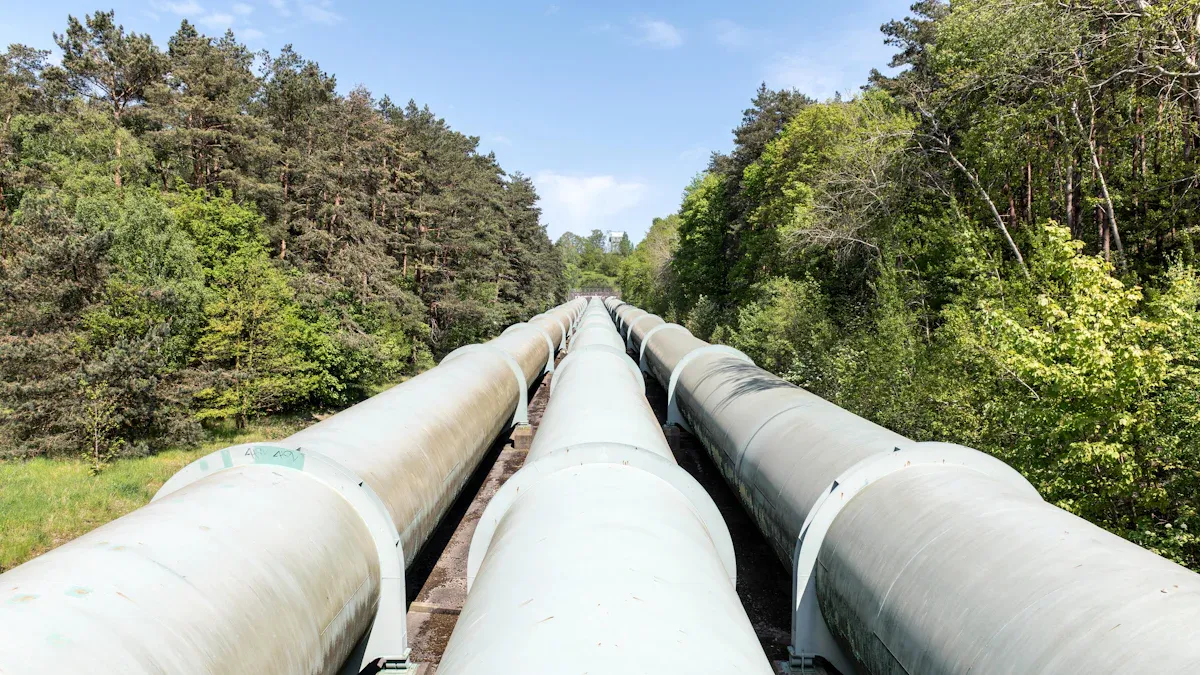
You can reduce tough connection cut risks in horizontal bore drilling by planning ahead and monitoring operations in real time. Horizontal Bore Drilling Tough Connection Cuts Risk is a major concern for contractors and utilities, impacting project outcomes and efficiency. CEGC offers horizontal directional drilling machines that meet market-standard specifications and can be customized for each project. With precision guidance, anti-stall powertrain, tooling compatibility, and advanced fluid management, CEGC ensures drilling is accurate and reliable, minimizing tough connection risks.
Key Takeaways
-
Think ahead by checking the site and marking utilities. This helps stop expensive delays and keeps everyone safe. Use real-time monitoring systems to find problems early. This lets you fix things fast and lowers the chance of stuck pipes. Pick good equipment that fits your project needs. This makes the work better and lowers tough connection risks.
Horizontal Bore Drilling Tough Connection Cuts Risk Areas
Identifying Common Risk Factors
There are many problems you can face during horizontal bore drilling tough connection cuts risk. Bore deviation can make your project go off the planned path or slope. If a crossing fails, you might have to do expensive work again. Stuck pipe and torque spikes can break your equipment and slow down your work. Tool wear means you have to buy more parts. Fluid performance problems can make the bore less stable. You can fix these issues with technical solutions like precision guidance, stability systems, anti-stall powertrain, tooling compatibility, and fluid management. Special drill bits, mud motors, rotary steerable systems, and networked pipe systems help you do better and lower the chance of failure.
Impact of Utilities and Crossings
Utility crossings have their own risks. You need to be careful not to hit other lines and keep the ground safe. Horizontal directional drilling technology helps you steer and track better. This makes your work more accurate and helps the environment. Bigger drill rigs let you put in longer pipelines, which can make your job faster. The table below shows how these new ideas help you handle risk:
|
Evidence |
Description |
|---|---|
|
Precision Improvements |
Better steering and tracking enhance accuracy for utility crossings. |
|
Minimal Surface Disruption |
HDD methods reduce environmental impact and construction risks. |
|
Larger Drilling Rigs |
Longer pipeline installations improve efficiency and reduce crossing needs. |
New ideas in horizontal directional drilling help stop soil erosion and sediment from moving.
Pilot Bore and Product Installation Challenges
You have to find utilities exactly to stop delays and extra costs. Taking care of drilling fluid is important for safety and the environment. Hard soil can make your work slower. If your equipment breaks, you lose time, so you need to check it often. You must follow rules to keep the environment safe. CEGC’s horizontal directional drilling machines meet market standards and can be changed for each project. These things help you deal with tough connection risks and make your project better.
Minimizing Tough Connection Risks In HDD Operations
Planning and Real-Time Monitoring
You can lower horizontal bore drilling tough connection cuts risk by starting with a solid plan. Begin with a site assessment. Walk the area and look for any signs of hidden utilities. Use maps and utility locators to find every line. Mark these clearly. This step helps you avoid dangerous strikes and costly delays. Always expose utilities before you drill. This keeps your team safe and protects the project.
Real-time monitoring gives you a big advantage in hdd. Modern systems send live data from the drill site. You see changes in soil, pressure, and drill path right away. If you spot a problem, you can act fast. This helps you avoid stuck pipe or bore deviation. Some hdd rigs use advanced sensors and tracking systems. These tools help you steer the drill and keep the bore on target. You can also use data logging to review your work and improve next time.
Tip: Use real-time monitoring to spot risks early. Quick action can save you time and money.
Equipment Quality and Pilot Hole Strategy
High-quality equipment makes a big difference in hdd. Choose a horizontal directional drilling machine that matches your project needs. CEGC offers market-standard specs and can customize rigs for your job. Look for features like precision guidance, anti-stall powertrain, and strong frames. These help you handle tough ground and keep the bore on track.
A good pilot hole strategy is key to success. Start with a small-diameter pilot bore. This lets you check the path and make sure it is clear. You can adjust the route if you hit hard soil or rocks. A stable pilot hole lowers the risk of bore collapse or stuck pipe. It also helps you install the product smoothly. Always match your drill rods and tools to the ground type. This reduces tool wear and keeps your hdd project moving.
Fluid Management and Mud Testing
Drilling fluid, or mud, keeps your bore stable and cool. It also carries cuttings out of the hole. Good fluid management is vital in hdd. You need the right mix for each job. Test your mud often to check its properties. This helps you avoid problems like stuck pipe or loss of returns.
Here are some best practices for fluid management and mud testing:
|
Best Practice |
Description |
|---|---|
|
Shale Inhibition |
Keep KCL levels right to stop shale from swelling and breaking apart. |
|
Testing Methods |
Use tests to check mud quality and save on costs. |
|
Rheological Checks |
Use a viscometer to see how mud flows and reacts with soil. |
You should always monitor mud flow and pressure. If you see changes, adjust your mix or pump speed. This keeps the bore stable and reduces horizontal bore drilling tough connection cuts risk. CEGC rigs work with many pump types and offer fluid management upgrades for special sites.
Adhering to Company Guidelines
Follow your company’s guidelines for every hdd job. These rules keep your team safe and help you meet project goals. Checklists help you remember each step. Always inspect your drill rig and tools before you start. Keep records of your work and any changes you make.
Stick to the plan for pilot hole drilling, fluid management, and utility location. Train your team on the latest hdd methods and safety tips. CEGC supports you with training and technical help. You can ask for custom features to match your company’s needs.
Note: Following guidelines and using the right equipment lowers risk and boosts your success rate in hdd.
By using these strategies, you can manage hdd risks and finish your project on time. CEGC’s horizontal directional drilling machines give you the tools and support you need for every job.
You can make tough connection risks smaller by planning ahead. Using advanced equipment helps you work better. Technical solutions can fix problems before they get big.
-
Damages to underground utilities cost a lot of money every year.
-
Careful planning helps you finish faster and avoid hitting lines.
Walking along the bore path before drilling stops delays from happening.
Ask CEGC for solutions made just for your project:
|
Benefit Description |
|---|
|
CEGC gives expert advice, custom machines, help at your site, and training. |
FAQ
What makes horizontal bore drilling a good choice for utility installation?
Horizontal bore drilling is a good way to put in utilities because you do not have to dig big trenches. This keeps roads and yards safe. You can use this method for lots of different jobs.
How do trenchless technologies help in difficult soil conditions?
Trenchless technologies let you drill under things like roads or rivers, even when the soil is hard to work with. You get better results because there is less damage on top and you do not have as many delays.
Can I use horizontal bore drilling for all types of soil?
You can use horizontal bore drilling in many kinds of soil. Some soils need special tools or fluids to work well. Always check the ground before you start working on your project.


