
Many people think "perfect" means no mistakes. But in Horizontal Directional Drilling (HDD), it is different. A 2mm mistake is okay. It means a good drill. This is normal for the industry. The HDD Machine 2mm Deviation Keeps Perfect Path blog will tell you why. This small difference is a "perfect path." It will also show how CEGC helps.
Key Takeaways
-
A 2mm difference in Horizontal Directional Drilling (HDD) is normal. It means the drill stays within safe limits.
-
HDD pipes can bend a little. They handle small shifts without breaking or stopping work.
-
New machines and smart systems help guide the drill. They make small changes to keep the drill on its path.
What "Perfect Path" Means in HDD
Not Exactly Zero Mistakes
Many people think "perfect path" means no mistakes. But in HDD, this idea is different. A perfect path does not mean zero mistakes. It means the drill stays in a set area. This area allows for small changes. These changes are normal when drilling. The goal is to finish the hole safely.
Rules for the Industry
The HDD industry has clear rules. These rules say how much a drill can move. They are called industry tolerances. Project plans also set these limits. For example, the drill can move 30 degrees. This is from its first line. The setback ratio is also important. This is how long it goes versus how deep. It is usually 3:1 to 7:1. These numbers show some movement is planned. They help the project finish. It does not need perfect exactness.
Why Perfect Accuracy Is Hard
It is not easy to drill with no mistakes. Many things make it hard. For example, controlling the drill is tough. Shaking or hard rock can move the tool. Survey tools also have limits. Metal or natural things can mess up readings. Sensors can also drift. Heat can also make them less exact. Outside things like ground type cause mistakes. Power lines can mess up readings. The drill rig's first angle can be off. All these things mean small mistakes, like 2mm, are normal.
Why 2mm Deviation Matters in HDD
2mm on a Big Drill
A 2mm mistake seems tiny. Think about big HDD jobs. Drills go hundreds of meters. Some go thousands of meters. They can be wide. A 2mm difference is very small. It is like a tiny dot. This dot is on a long road. This small change is okay. It stays within limits.
How We Measure and Its Limits
HDD tools are very exact. Some tools are accurate. They are accurate to 0.01 degrees for up/down. They are accurate to 0.04 degrees for side-to-side. But some things make it harder. Ground can mess up readings. Magnets cause problems. Traffic signals can interfere. Metal objects also cause issues. Different tools have problems. Magnetic tools have magnet issues. Gyro tools can drift. They can also break. Rules for accuracy change. They change by place and use. Check tools often. Follow survey times. Use backup systems. This helps with exactness.
How It Affects the Pipe
A 2mm mistake does not hurt the pipe. HDD pipes can bend. They can handle small shifts. Engineers make pipes strong. They can handle drilling stress. They can handle small path changes. This small mistake does not hurt the pipe. It does not stop it from working. The pipe still works well.
How the HDD Machine 2mm Deviation Keeps Perfect Path
The HDD Machine 2mm Deviation Keeps Perfect Path. This is due to smart engineering. It is also due to careful work. Many technical solutions help. Driller's manage small changes. This keeps the bore on track.
Ground Conditions and Soil Mechanics
Ground conditions are very important. They affect how stable the bore path is. Different soils change drilling. Hard soils, like rock, need higher entry angles. They also need bigger turns. Soft soils, like sand, allow lower entry angles. They allow smaller turns. But very low angles in soft soils can cause "frac-out." This is when drilling fluid pressure is too high. The fluid escapes. This causes changes and delays.
Some ground conditions are hard. Porous limestone is one. Karst formations are another. Limestone is hard. It wears out equipment. Holes in limestone can cause problems. Karst formations have caves. They are not easy to predict. They can be dangerous. They make keeping a steady path hard.
Drillers use soil rules. This helps manage changes. The steering part uses a bent bit. This allows small changes. Steel drill pipe can bend. This limits how much it can bend. Tight bends can hurt the pipe. Gravity helps less with side steering. It helps more with up/down drilling. The pushing force gets weaker. This happens as the bore curves. This slows down the drill. The total side change should not be over 30 degrees.
Controlling the toolface is key. It helps with steering. Keeping it straight is hard. Shaking underground can move it. Changes in rock hardness also affect it. Drillers use real-time data. This is from MWD. They change the weight on the bit. They also change the speed. This makes the drill steady. Before drilling, they check the soil. This helps choose the right methods. It helps choose the right tools. This makes a steady bore path.
Drill Bit and Reamer Design
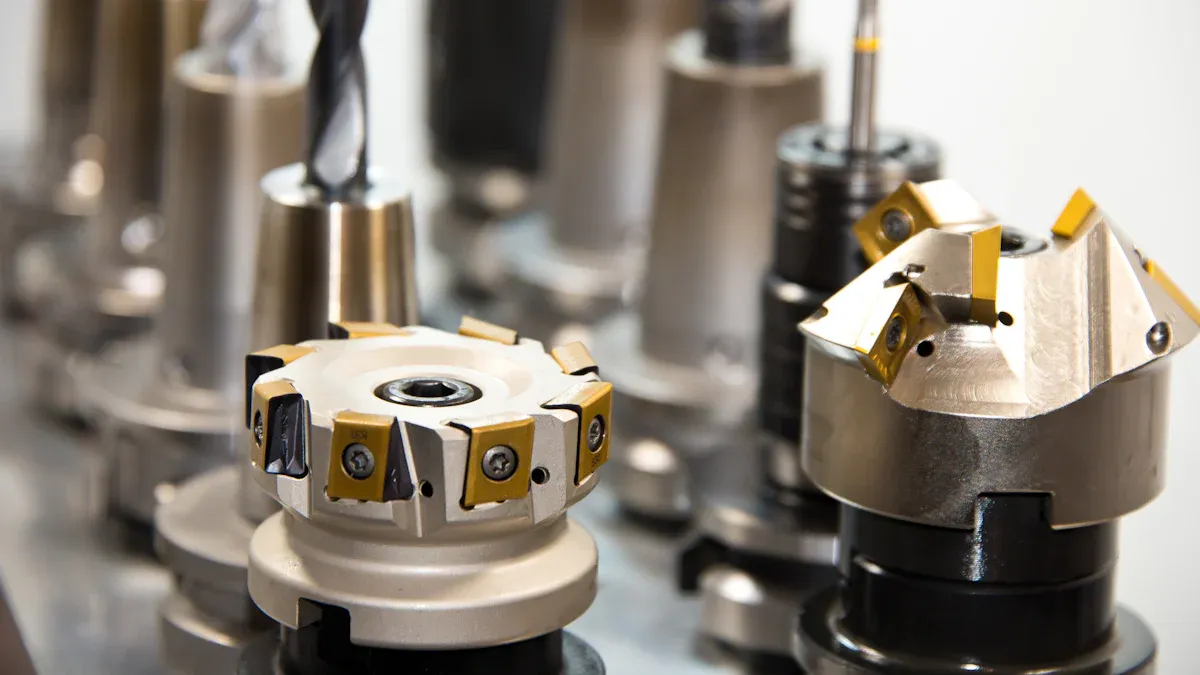
Drill bit and reamer designs are key. They help keep the path exact. The Triple Threat bit is an example. It steers well in tough ground. This bit has a long steering face. It also has a special middle part. These parts help with steering. Three carbide teeth cut well. Big carbide buttons resist wear. This makes it work well always.
Mill tooth bits also help. They keep a precise path. They have special tooth-shaped blades. These blades are set for good cutting. This design cuts well. It breaks down soil and rock. This makes it exact. It reduces changes. Its good cutting makes drilling smoother. It makes it more controlled. This is key for exact drilling. These bits work in different soils. They work from loose soil to hard rock. This means fewer bit changes. It keeps drilling working well.
Advanced Guidance and Real-time Adjustments
Advanced guidance systems make changes. They do this in real-time. This fixes bore path changes. Deviation control systems use stabilizers. These manage well changes. Dogleg control systems are also used. These include push-the-bit systems. They also include point-the-bit systems.
The Rotating Magnetic Range System (RMRS) helps. It handles magnetic problems. It also fixes path changes. A strong magnet is in the target hole. It sends a signal. Probes in the drill hole get these signals. They figure out the distance. This is between the drill bit and target. This allows exact connection. It allows closed-loop control.
A combined approach helps. It uses INS. It also uses acoustic ranging. This makes it more exact. The INS gives very good data. Acoustic ranging helps with position. This makes a multi-technology fix. A smart path control system uses real-time data. It uses old data. It uses gas content info. A machine learning model predicts changes. It also fixes them. It makes drilling better. This ensures the HDD Machine 2mm Deviation Keeps Perfect Path.
CEGC's HDD Rig uses a "Precision Guidance & Stability System." This system has load-matched control. It controls thrust. It controls pullback. It controls rotation and feed. This makes movement exact. A strong frame helps. Carriage alignment reduces shaking. This stops the drill from going off course. The system is ready for tracking. It can log data. It can control processes. These features let operators make changes. They do this in real-time. They keep the bore on track.
Pipe Flexibility and Installation Stress
Pipes in HDD can bend. They can handle small changes. Installation stress affects pipes. This happens during drilling. This includes pulling force. It also includes bending stress. These forces can be big. They can be bigger than long-term forces. They often decide design needs.
Strain checks measure these stresses. They ensure safety. They also find ways to improve design. Measured strains are usually low. They are below the elastic limit. This means the pipe stays flexible. This is during installation. Big changes in strains happen. This is due to underground conditions. The pipe can bend. This allows the HDD Machine 2mm Deviation Keeps Perfect Path. It takes small shifts without breaking.
When 2mm Deviation Becomes Critical
A 2mm mistake is usually fine. But some jobs need more exactness. Then, even a small mistake is a big deal.
Close to Other Pipes
Drilling near old pipes needs much care. Many cities have strict rules. They say how close you can drill. Workers keep 3 feet away from old pipes. This stops damage. It keeps everyone safe. A plan shows where old pipes are. It figures out safe distances.
Strict Slope Needs
Some jobs need a very exact slope. Sewer pipes need a perfect slant. This lets water flow by itself. Even a 2mm mistake can stop flow. It can make water sit. It can cause clogs. Engineers make these systems for exact angles. They make sure water drains right. Any mistake in this angle hurts the system.
Small Mistakes Add Up
Long drills can have small mistakes. Over many feet, 2mm adds up. This can push the drill way off. It can miss the end spot. Drillers use a fake magnetic field. This helps with bad signals. It gives good position data. They also lessen outside magnetic problems. A survey finds bad signal spots. If the drill goes through a bad spot, the computer fixes data. If the mistake is big, drillers pull out the drill. They drill again in the right area.
How to Fix Problems
Drillers use plans for drilling. They also have backup plans. A full drill plan finds old pipes. It finds start and end spots. It thinks about the drill's power. It plans the whole pull-back. This includes space for widening. It goes around old buildings. Having a backup plan is key. It helps with surprises. It helps with ground problems. When a drill goes off course, drillers send commands. They guide the drill bit back. They use auto systems for small changes. They change steering and tool direction. This changes where the drill goes. Smart math and computer programs fix the path. These include movement models and learning systems.
The HDD Machine 2mm Deviation Keeps Perfect Path. This small 2mm difference is normal. It is not a mistake. This small wiggle room helps. It makes a "perfect path." This path stays within project rules. New drilling machines help. They make this possible. Strong HDD machines do this. CEGC's rig is one example. Knowing these small details is important. It helps put in pipes well. It makes sure projects are good. The HDD Machine 2mm Deviation Keeps Perfect Path.
FAQ
What does "2mm deviation" mean in HDD?
A 2mm deviation means the drill path moves slightly. This small shift is normal. It stays within acceptable limits for the project.
Why is a 2mm deviation acceptable?
Pipes can bend. Engineers design them for small shifts. This deviation does not hurt the pipe. It ensures the pipe works well.
How do HDD machines manage this deviation?
Advanced guidance systems help. They make real-time adjustments. CEGC's system uses load-matched control. This keeps the drill on track.


