
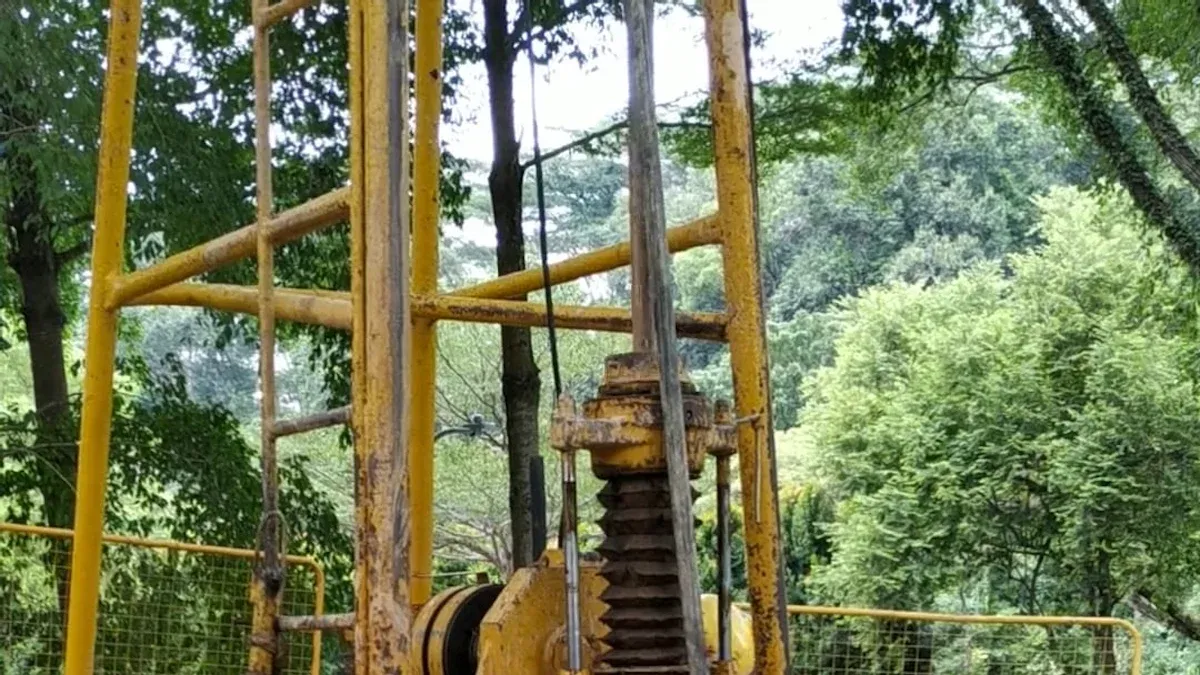
You want your HDD machine high strength drill rod never breaks. You must choose quality rods, keep up with maintenance, and use proper operation. CEGC helps you reach this goal with advanced technology and strong support. You can trust your hdd project will run smoothly and safely.
Key Takeaways
-
Pick drill rods that are good quality and follow API rules. This helps them work better and lowers the chance they will break.
-
Check and take care of your drill rods every day. Regular checks help you find problems early and make your equipment last longer.
-
Put protective coatings on your drill rods to stop rust and damage. Coatings like NOV Tube-Kote TK and CeRam-Kote PCF make them stronger in hard places.
Common Failures of HDD Drill Rods
Causes of Drill Rod Failure
Many things can make hdd drill rods fail in the field. These problems happen because of both machine and outside reasons. Here are the main causes:
-
Fatigue failure: Loading and unloading again and again makes cracks. These cracks get bigger and cause sudden breaks.
-
Corrosion: Water and drilling fluids can make metal wear away. Stopping corrosion is important to keep rods strong.
-
Thread damage: If you tighten too much or use wrong torque, threads can strip. This makes the connection weak and rods can break.
-
Bending and buckling: Too much side force or bad support can bend rods. Buckling happens when rods get too much pressure.
You can see how these things work together in the table below:
|
Factor |
Description |
|---|---|
|
Makes stress and cracks, which leads to fatigue and damage. |
|
|
High torque |
Hurts threads and makes rods not last as long. |
|
Over-tightening |
Changes rod shape, so buckling and thread damage can happen. |
|
Water washout |
Takes away coatings, so rods can get rusty and damaged. |
|
Corrosion |
Makes metal weak, so rods and tools can break. |
CEGC’s anti-stall powertrain, overload protection, and strong frame help stop these failures. You should keep rods straight, do not overload, and check for strange noise or shaking to lower damage.
Preventing Fatigue Failure
Fatigue failure is a very common problem for hdd drill rods. You can stop it by using rods with beveled shoulder thread designs. These rods bend less and do not break as easily. Shock absorbers and better drill string design help by lowering vibration and stress. Watching the size of your drill pipes helps you find early signs of fatigue. You can change rods before they break. These ways help your hdd work go well.
Preventing Bending and Buckling
Stopping bending and buckling is important to keep rods safe. Never let pipe rotation stall. Always use bits and reamers that fit your rods and ground. Plan your bore path so you do not bend rods too much. Check your drill string often and take out any bent rods. Control push and pull forces to stop rods from bending or buckling. These steps protect your rods and help you get good results.
How to Prevent Drill Rod Failure
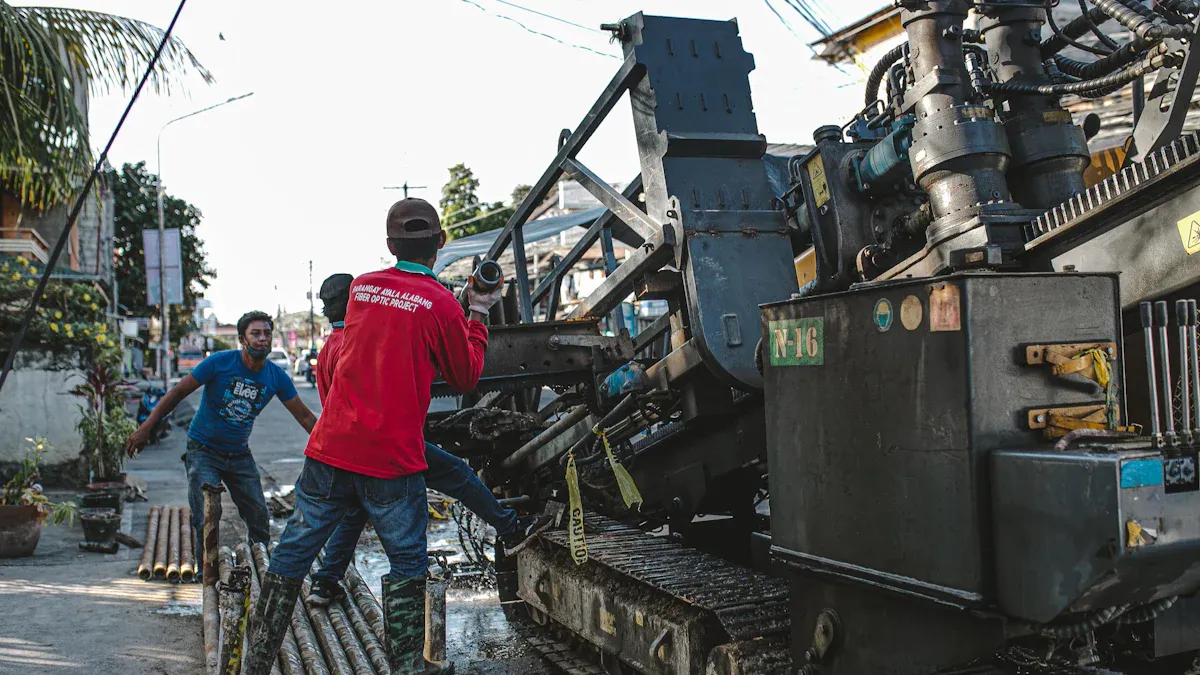
HDD Machine High Strength Drill Rod Never Breaks
You want your hdd machine high strength drill rod to last. You can do this by following some simple steps. First, pick drill rods that are high quality and meet the right standards. Look for rods with a tight diameter tolerance, like ±0.5mm to ±1mm. This helps them fit well and work better. Always choose rods that follow API standards for good quality.
Protective coatings help your hdd machine high strength drill rod last longer. Coatings like NOV Tube-Kote TK, CeRam-Kote PCF, and Nickel/Ni-Al plating stop rust and wear. These coatings work well in tough places and make rods last longer. The Lasercarb process uses special powders to protect against scratches and wearing away. Check if the coatings meet standards like AMPP TM21563. This helps you pick the best ones for long use.
|
Coating Product |
Type |
Key Features |
Temp Rating |
Typical Use |
|---|---|---|---|---|
|
NOV Tube-Kote TK |
Epoxy/polymer |
Stops rust and wear, helps flow |
~350 °F |
Used for most drill pipes |
|
CeRam-Kote PCF |
Ceramic-polymer |
Stands up to chemicals, thin ceramic layer |
~200 °F |
Used for tough or rough pipes |
|
Nickel/Ni-Al plating |
Metal plating |
Stops rust, smooth inside |
~500 °F |
Used for mud and strong fluids |
Use the right tools and drilling methods. Match your bits and reamers to the rods and ground. CEGC can help you pick rods that fit your project. Good fluid management is important too. The right drilling fluid keeps joints slippery and lowers wear. This helps your hdd machine high strength drill rod last longer.
Daily Maintenance and Inspection
Daily checks help stop drill rod failure. Rotate the lead rod every week. This spreads out the wear so one rod does not get weak. Clean rods after use to get rid of mud and dirt. Clean the threads because dirt can hurt them and cause breaks.
Follow these steps for daily care:
-
Turn the lead rod each week so it wears evenly.
-
Put grease on joints and threads at both ends.
-
Look at threads for damage or wear.
-
Use thread gauges to find problems early.
-
Check the upset, sub saver, and drive chuck often.
Check your rods every 100 to 150 hours, especially if you drill in hard places. If you hear strange sounds or feel shaking, stop and check the rods. This helps you fix problems before rods break.
Tip: Give your rods a break. Letting them cool between jobs keeps them strong.
Storage and Handling Best Practices
Store drill rods the right way to keep them good. Clean rods before putting them away to stop rust. Use racks or stands to keep rods off the ground and covered. This keeps water and dirt away.
Here is a table with storage and handling tips:
|
Step |
Description |
|---|---|
|
Cleaning |
Take off dirt and mud before storing. |
|
Packaging |
Wrap rods to stop scratches. |
|
Loading/Unloading |
Use cranes or forklifts. Load rods in order and balance them. |
|
Securing the Load |
Tie rods down tight, but not too tight. |
|
Monitoring |
Check rods during travel for safety. |
|
Final Inspection |
Look for damage after unloading. |
Plan your routes to avoid bumpy roads. This stops too much shaking and keeps rods safe. Always use skilled drivers and check trucks before moving rods.
Emergency Actions for Drill Rod Issues
Sometimes, problems happen even if you take care. If you see signs of drill rod failure, act fast. Stop drilling if you hear odd sounds or see mud leaking. Keep mud moving to stop rods from sticking. Move the bit gently if it gets stuck. If rods bend, use tools to check the path.
Here are some quick fixes for emergencies:
-
Use a drill rod wrench to loosen stuck rods.
-
Change outside parts more often if you see rust.
-
Change drilling settings if rods drill off-center.
-
For mud loss, make mud thicker or use sealers.
Always check rods before starting a new job. Make sure rods are tight and threads are done right. Drill at the right speed and force for the ground. These steps help your hdd machine high strength drill rod last.
CEGC gives you rods with the right specs, custom choices, and good fluid solutions. By using these tips, you can stop thread damage, keep rods strong, and get the best from your hdd machine.
You can stop HDD drill rod breaks by picking good rods. Do regular checks and handle rods safely.
-
Watch entry and exit angles so rods do not bend.
-
Keep track of drilling settings and change them fast if needed.
-
Teach your team and write down what happens.
|
Benefit |
Result |
|---|---|
|
Regular maintenance |
Machines last longer |
|
Proper operation |
Less expensive problems |
|
Quality selection |
Projects finish well |
Use these steps with your CEGC horizontal directional drilling machine. You will save money and finish jobs when you should.
FAQ
What makes CEGC drill rods strong?
You get rods made with high-quality steel. Special coatings protect them from rust and wear. CEGC tests every rod for strength and durability.
How often should you check your drill rods?
You should inspect rods every day before use. Look for cracks, bends, or worn threads. Early checks help you avoid bigger problems.
What should you do if a rod gets stuck?
Stop the machine right away. Try to reverse slowly. If the rod stays stuck, call your supervisor or a CEGC technician for help.


