
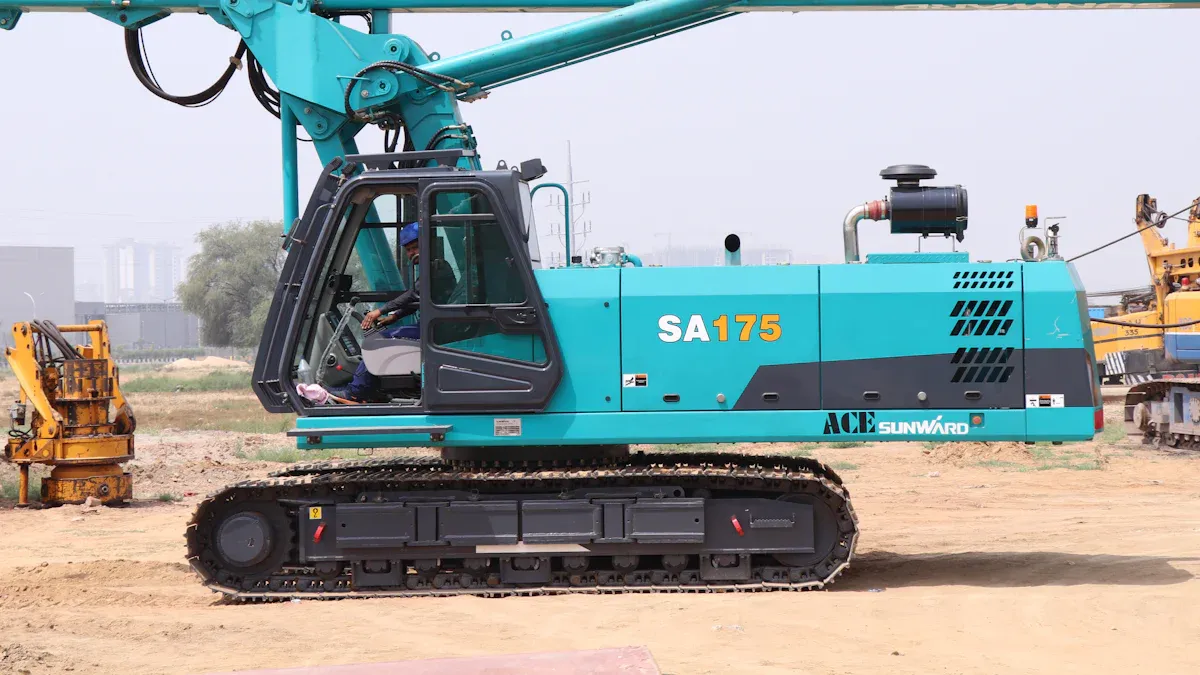
When selecting an HDD Rig Supplier 40m Penetration Prevents Blockage, it’s important to carefully evaluate technical specifications, supplier reliability, and proven drilling methods. CEGC offers both standard and customized horizontal directional drilling machines designed to deliver consistent performance and prevent costly project interruptions. With CEGC’s advanced solutions, you can achieve reliable results and ensure smooth operations for your drilling projects.
Key Takeaways
-
Pick an HDD rig supplier with good thrust and torque. This helps your drilling work well and stay accurate.
-
Check your mud program often to stop blockages. Good fluid control lowers tool damage and keeps the borehole safe.
-
Find a supplier with good reviews and helpful support. This makes sure you get good service and your project goes smoothly.
HDD Rig Supplier 40m Penetration Prevents Blockage
Thrust and Torque Specs
You need a rig with the right thrust and torque for 40 meters. The hdd rig supplier 40m penetration prevents blockage by matching power to your bore needs. CEGC rigs have strong frames and advanced alignment. This design lowers vibration and keeps your bore straight. Guidance systems help you avoid mistakes that can cause expensive fixes or project failure.
CEGC gives you standard thrust and torque for horizontal directional drilling. You can ask for custom settings for your project. This lets you get the exact thrust and torque for your ground and bore needs. Controls match thrust, pullback, and rotation. This helps you stay accurate and stops the rig from moving off line. Overload protection and anti-stall powertrains lower the risk of stuck pipe and tool damage. You keep your project going and avoid delays.
Mud System and Fluid Management
A good mud system is important for any hdd rig supplier 40m penetration prevents blockage. Choosing and managing drilling fluid helps reduce tool wear and stops stuck pipe. The right mud system cleans the hole well and keeps the borehole stable. CEGC rigs work with electric and diesel mud pumps. You can pick pump packages and filtration upgrades for your site.
Tip: Always check your mud program. Change mixing targets and flow rates to fit your bore and ground.
Here’s how fluid management helps you:
|
Evidence |
Explanation |
|---|---|
|
Picking the right drilling fluid is a big part of managing risk in HDD. |
Good fluid choice and management help reduce tool wear and stop stuck pipe by cleaning the hole and keeping the borehole stable. |
|
Drilling mud moves through the hole and touches downhole tools. |
This movement cools the bit, washes soil away, and brings cuttings up, which lowers tool wear and stops blockages. |
|
Keeping the right downhole pressure is very important. |
Managing downhole pressure with fluid properties and flow rates helps stop stuck pipes and borehole collapse. |
Cleaning the hole well lowers tool wear. Keeping the borehole stable stops collapses and stuck pipes. Managing pressure keeps drilling safe. CEGC’s mud and fluid solutions help you reach these goals for every project.
Tooling and Rod Compatibility
Tooling and rod compatibility matter for any hdd rig supplier 40m penetration prevents blockage. You need rods and tools that fit your bore and ground. CEGC rigs support many rod sizes, both standard and custom. You can use blade, fluted, rock, or barrel reamers easily. The rigs give smooth torque, which lowers chatter and uneven tool wear.
CEGC’s durability package has high-wear protection and easy access for service. You spend less time changing tools and more time drilling. The rigs use standard parts, so you can find them easily. Custom tool joint specs let you match your favorite tools and geology. This flexibility helps you avoid bores that are too small and pullback problems.
When you pick a hdd rig supplier 40m penetration prevents blockage, you get a system made for reliability, efficiency, and long-term value. CEGC’s focus on standard specs and custom options helps you meet your bore needs and stop costly blockages.
Evaluating Horizontal Directional Drilling Suppliers
Experience and Project Track Record
Pick suppliers who have done many utility jobs. A good project history means they can work in cities, countryside, and hard places. The table below shows what to compare:
|
Criteria |
Description |
|---|---|
|
Technological Capabilities |
New drill bits, real-time checks, and automatic tools help you work faster and more accurately. |
|
Project Portfolio & Experience |
Suppliers with lots of jobs in different places show they can handle tough work. |
|
Safety & Compliance |
They follow rules, keep workers safe, and protect the environment. |
|
Pricing & Cost Efficiency |
Prices should be fair and rigs should last. |
|
Customer Support & Flexibility |
Helpful teams, easy scheduling, and custom solutions make projects smoother. |
|
Innovation & R&D |
Suppliers who use new tech like smart planning and safe fluids are better. |
Product Quality and Reliability
You need strong rigs for utility jobs. Check if the supplier is trusted and if their machines are well built. The table below lists what to look for:
|
Metric Type |
Description |
|---|---|
|
Manufacturer Reputation |
Pick brands that are known and have good support networks. |
|
Compliance with Safety Standards |
Make sure the rig meets safety rules like ISO, ANSI, or CE. |
|
Performance Metrics |
Look at how fast the rig drills, how straight the holes are, and how much work it can do. |
|
Reliability Metrics |
Check how often the rig breaks down and how it affects your project. |
|
Build Quality |
Look at the materials and parts used in the rig. |
|
After-Sales Support |
Make sure there is a warranty and you can get parts and help easily. |
Support, Training, and Maintenance
Suppliers should help you with utility jobs. Training teaches your crew about jobsite dangers. Safety steps include planning bore paths and finding utilities. Suppliers tell you what to do if you hit gas or liquid lines. Good maintenance keeps rigs working and stops blockages.
-
Crews must know jobsite dangers to stay safe.
-
Training covers special risks with horizontal directional drilling.
-
Safety steps include planning bore paths, finding utilities, and grounding drills to stop electric shocks.
-
Suppliers explain what to do if you hit gas or liquid lines and why safety rules matter.
Customization and Innovation
You can ask for custom rigs for utility jobs. Suppliers give special drill pipe sizes and attachments. You can pick rigs with wheels or tracks. New features help you cross obstacles without much trouble.
"HDD is a flexible technology. You can use it to cross water, wetlands, and built places without hurting the surface." "Good HDD projects need careful planning, smart engineering, and skilled workers." "The equipment you use can help you work faster because of its features and technology.
Operational Best Practices
Rig Setup and Maintenance
You get ready for work by checking your horizontal directional drilling machine before each job. First, do a full check. Look at all fluids and see if any parts are worn or broken. Clean out fluid ports and flush them after every use. This helps your rig work well and stops blockages. Change drilling fluid when the ground changes. Doing regular maintenance keeps your project moving and avoids expensive delays.
Mud Program Discipline
A good mud program helps every bore go well. Start by learning about the ground you will drill. Pick drill bits and reamers that fit the soil type. For example, use tools made for clay or cobble. Mix drilling fluid to the right thickness. Bentonite gives the base thickness, and polymer additives make it work better and stop fluid loss. Always check the fluid’s thickness. This keeps the hole open and moves cuttings out so the borehole does not get clogged.
Tip: Change your fluid mix as you drill. This keeps your bore steady and your tools working well.
Operator Training and Process Control
Trained operators help a lot. Teach your crew to spot changes in soil and adjust settings fast. Use process controls to match thrust, pullback, and rotation. This keeps the bore straight and lowers tool wear. Tell your team to follow safety steps and use checklists. Good training and process control help you avoid mistakes and finish jobs safely and on time.
To pick the best HDD rig supplier for 40m penetration and stopping blockages, you need to:
-
Look at thrust, torque, and mud system details.
-
Make sure the supplier has experience and gives good help.
-
Follow important steps for safe and smooth work.
Reach out to CEGC for advice or ask for references to compare horizontal directional drilling options.
FAQ
What makes CEGC’s horizontal directional drilling machine reliable for 40m penetration?
You get thrust and torque that meet market standards. CEGC lets you change rigs to fit your needs. Precision guidance helps you drill straight. Anti-stall powertrain stops the pipe from getting stuck.
How do you prevent blockages during HDD projects?
You check your mud program often. You use rods and tools that work well together. You follow maintenance steps to keep things running. CEGC’s fluid management and durability package help you stop blockages.
Can you customize HDD rigs for unique project needs?
|
Option |
Benefit |
|---|---|
|
Custom torque |
Matches ground conditions |
|
Rod diameter |
Fits bore requirements |
|
Control package |
Improves accuracy |
You can ask CEGC for custom specs for your project.


