
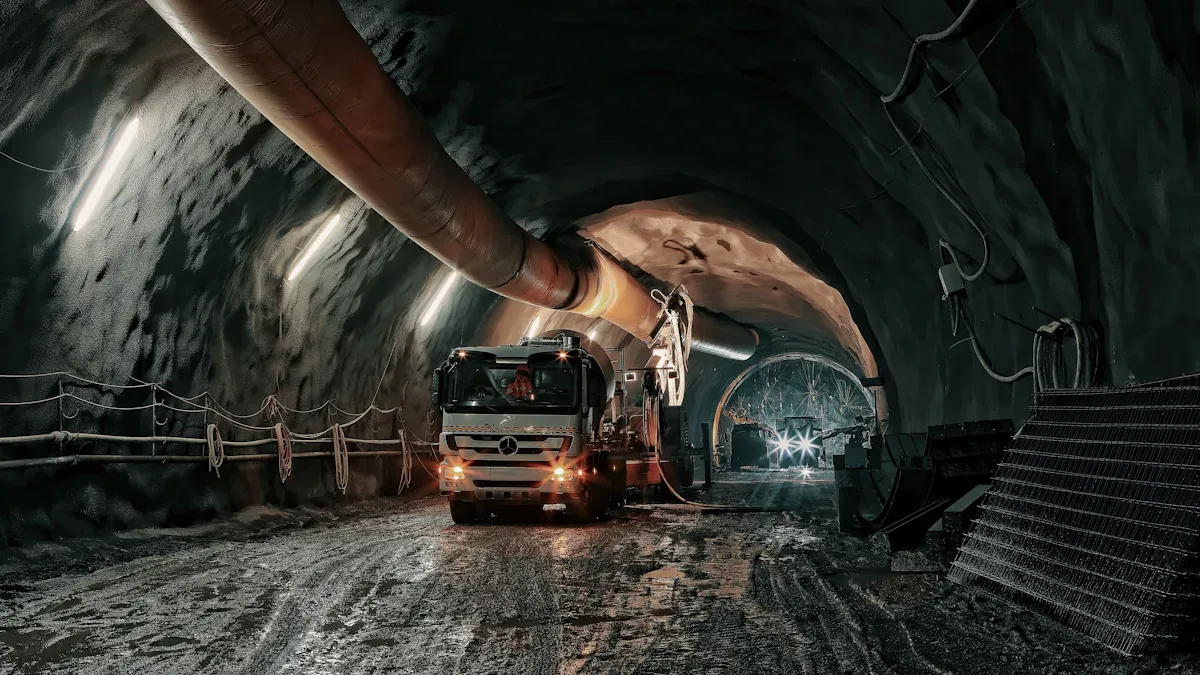
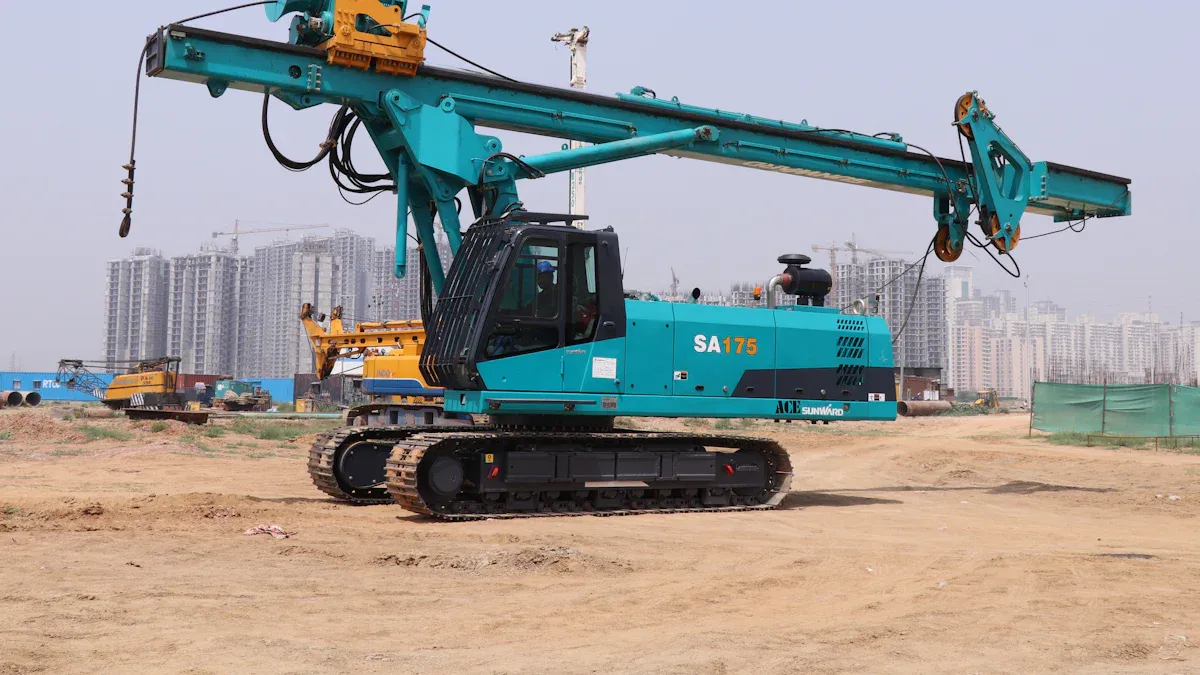
You can see the Directional Boring Machine Deep Layer Never Stops, operating with precise guidance and robust power. CEGC offers market-standard specs along with project-based customization options. With advanced fluid management and intelligent controls, you ensure your machine stays running continuously. Every feature is designed to address common challenges and complex technical demands.
Key Takeaways
-
Begin with a pilot bore to find the drill’s path. Use special guidance tools to check the angle and direction.
-
Reaming makes the borehole bigger so the pipe can fit. Use drilling fluids to cool the bit and keep the hole clean.
-
Do a swab pass to take out debris and make sure the borehole is stable before pulling the pipe in.
Directional Boring Machine Deep Layer Never Stops
Pilot Bore Guidance
You begin by making a pilot bore. This step decides where the drill will go. A small boring rig sits near the start point. The rig pushes a hollow drill string with a cutting head into the ground. It goes in at a low angle. If you want to turn, you stop spinning the cutting head. Then you drill on one side to steer it. A beacon inside the drill head checks depth and direction. It sends signals up to the surface. You watch these signals and change the drill’s path as needed. This helps you avoid things in the ground and keeps the drill moving.
Tip: Precision guidance systems, like steering systems and wireless handheld tools, help you check drilling angle, azimuth, and position. These tools help the directional boring machine deep layer never stops and keep you on the right path.
|
Component |
Function |
|---|---|
|
Steering System |
Watches drilling angle, azimuth, and position using computer-based tools. |
|
Guidance Methods |
Uses both wireless handheld and wired ways, picked for the jobsite needs. |
Reaming for Borehole Expansion
After the pilot bore, you start reaming. You put a reaming bit on the drill string. The reaming bit makes the borehole bigger, about 150% of the pipe size. This gives enough space for the pipe. You use drilling fluids, like water mixed with bentonite clay, to cool the bit and keep the hole safe. The fluids also carry dirt out of the hole. You keep the directional boring machine deep layer never stops by keeping fluid moving and watching the reaming. This stops blockages and keeps the hole clean.
-
Drill the pilot bore.
-
Put on the reaming bit.
-
Make the borehole bigger.
-
Use drilling fluids to cool and clean.
-
Watch the process to keep it smooth.
Swab Pass and Borehole Cleaning
After reaming, you do a swab pass to clean the hole. This step takes out leftover dirt and keeps the hole open. You use a swab tool on the drill string. The tool moves through the hole and pushes out debris. You check if the hole is stable. You use drilling fluids to help remove the dirt. This keeps the directional boring machine deep layer never stops and gets the hole ready for the pipe.
Note: Cleaning the borehole is important. It stops the pipe from getting stuck and saves time. You keep the drilling process working well by making sure the hole is clear.
Pullback for Pipe Installation
The last step is pulling the pipe into place. You connect the pipe to the drill string. You pull the pipe back through the borehole. The pipe follows the path made by the pilot bore. You use drilling fluids to lower friction and protect the pipe. You watch the pullback to stop any problems. You make sure the pipe stays in place and does not break. This step finishes the directional boring machine deep layer never stops job.
Success Tip: You keep the drilling machine working well by following each step. You use guidance systems, reaming tools, and fluid management to stop problems and keep things moving smoothly.
Technical Solutions for Horizontal Directional Drilling
Precision Guidance and Stability System
You need a directional drilling machine that stays on track. Precision guidance systems help you steer the drill bit. These systems also let you watch the drill’s path. Real-time optical guidance gives you feedback all the time. You can fix mistakes fast to keep the borehole straight. The stability system cuts down on shaking and keeps the drill lined up. This lowers the chance of crossing failure. It helps you reach the oil reservoir safely.
|
Feature |
Advantage |
|---|---|
|
Real-time optical guidance |
Continuous monitoring and steering |
|
Higher resolution feedback |
Superior to mud pulse systems |
|
Continuous alignment monitoring |
Immediate corrections for borehole alignment |
Anti-Stall Powertrain and Overload Protection
You face hard ground when you do directional drilling. The anti-stall powertrain gives strong torque and controls pressure. Overload protection stops sudden torque jumps. This keeps the drill moving and avoids stuck pipe. You also avoid wasting time. Slow start and stop protect rods and tools from damage. This system lets you drill deep without stopping. You can reach the oil reservoir with no delays.
Tooling Compatibility and Durability
You want tools that last for the whole job. Strong materials like carbide cutting teeth do not wear out fast. Fly cutters and PDC reamers work in hard soil and rock. Chevron-style teeth break up brittle material. You use enough down-pressure and more mud flow to help the tools work better. Tooling compatibility means you can change tools easily. This keeps the borehole clean for putting in the pipe.
|
Component |
Material |
Purpose |
|---|---|---|
|
Cutting Teeth |
Carbide |
Enhanced durability in drilling tools |
-
Fly cutters with carbide pick teeth or PDC reamers
-
Chevron-style teeth for brittle material
-
Enough down-pressure and more mud flow
Fluid Management Solution
You use drilling fluids to keep the borehole safe and move cuttings out. Water injection makes the system work better and keeps the hole open. MMO fluids hold cuttings up and have strong gel strength. They lower pressure and help recycling systems. Changing the injection rate makes things work faster, but only up to a point. Good fluid management stops frac-out and keeps drilling smooth. You protect the oil reservoir and keep the borehole steady.
|
Key Findings |
Description |
|---|---|
|
Water Injection Impact |
Enhances performance and stabilizes boreholes |
|
Injection Rate Influence |
Performance improves with proper injection rates |
Tip: You keep the directional boring machine working by using guidance, strong tools, and smart fluid management. Each solution helps you finish drilling without stopping.
You can see that every step and technical fix helps keep directional drilling going in deep layers. New directional drilling motors and survey tools help stop delays. CEGC’s rigs can be changed to fit any borehole job you have. When you pick a directional drilling machine, think about how long the bore is, what the ground is like, the pipe size, how easy it is to get to the site, and how you will manage fluids.
|
Process Improvement |
Continuous Operation Benefit |
|---|---|
|
Fewer stops, more efficient process |
|
|
Safer, faster process |
|
|
Access multiple targets, optimize process |
FAQ
What is the main purpose of a directional boring machine?
You use a directional boring machine to put pipes underground. This way, you do not dig big trenches. It keeps roads, rivers, and other places safe.
How does fluid management help during pipeline installation?
Drilling fluids keep the borehole steady. These fluids take away dirt and lower friction. They protect the pipeline and make the job go smoothly.
Can you customize the machine for different pipeline projects?
You pick features that fit your pipeline job. CEGC lets you change the machine for your project. You match the rig to your pipe size, ground type, and site.
Tip: Always check the pipeline path before you drill. This stops crossing problems and keeps the pipeline safe.
-
You watch the pipeline as you pull it back.
-
You use guidance tools to keep the pipeline straight.
-
You check the pipeline after it is in place.
|
Step |
Pipeline Benefit |
|---|---|
|
Pilot Bore |
Puts the pipeline in the right spot |
|
Reaming |
Makes enough space for the pipeline |
|
Swab Pass |
Cleans the hole for the pipeline |
|
Pullback |
Puts the pipeline in safely |


