
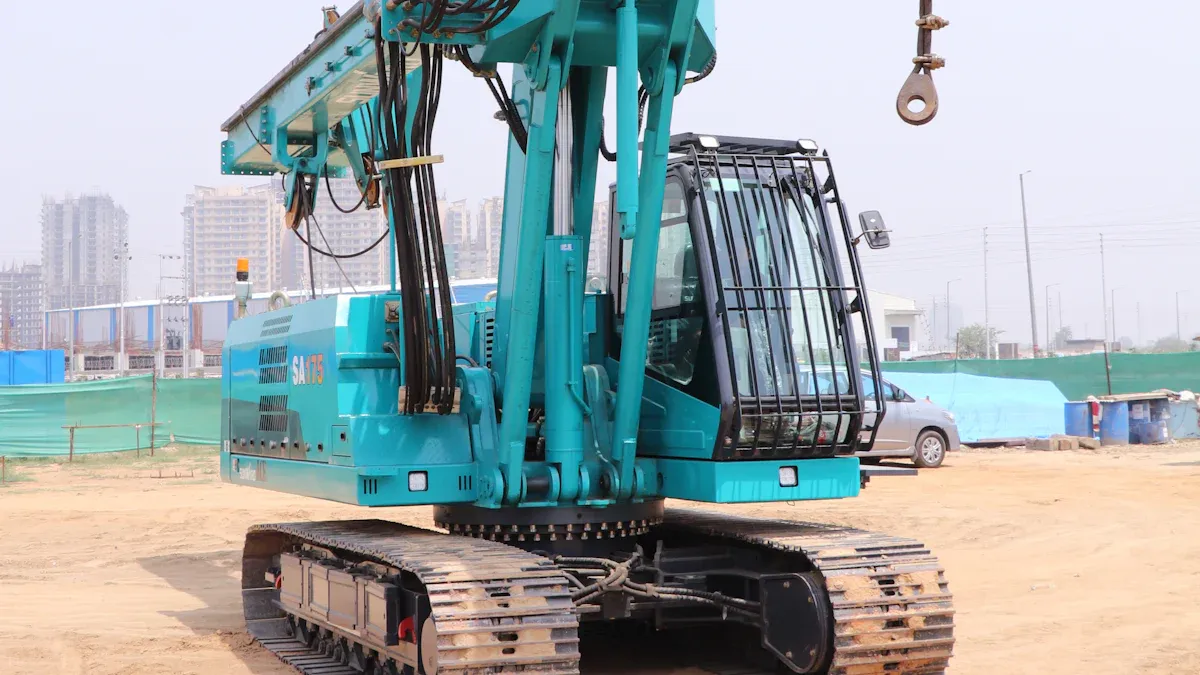
You get good results with CEGC when you use advanced vibration shock, rotary drilling, and pipe ramming. You pick the best tools for each type of ground. Precision guidance and fluid management help you stay on track. Trenchless Drilling Rig 60m Penetration Beats Bedrock when you use the right plan for your project.
Key Takeaways
-
CEGC's trenchless drilling rigs can go through bedrock up to 60 meters. This makes them great for utility and infrastructure projects.
-
Advanced fluid management and precision guidance systems help keep the bore stable. They also lower the chance of pipes getting stuck.
-
Customizing drilling rigs for different ground types improves efficiency and performance. This lets the rigs work better in tough conditions.
Drilling Mechanisms for Bedrock Penetration
HDD and Trenchless Drilling Rig Technology
You can pick between horizontal directional drilling machines or trenchless drilling rigs when you need to drill through bedrock. CEGC gives you strong machines that help you reach deep spots. You get equipment that meets market standards and can be changed for your project. The table below shows how these two technologies are different:
|
Feature |
Horizontal Directional Drilling (HDD) |
Traditional Trenchless Drilling Rigs |
|---|---|---|
|
Equipment Power |
Large units with 300,000 lbs pullback |
Varies, generally less powerful |
|
Drilling Techniques |
Specialized for bedrock conditions |
Standard techniques, less specialized |
|
Drill Bits |
Durable, designed for high compressive strengths |
Standard bits, may not handle hard rock well |
|
Fluid Recycling Equipment |
Required for HDD operations |
Not typically used |
HDD gives you more power and better tools. You can use fluid recycling to keep the hole clean and steady. This helps you use Trenchless Drilling Rig 60m Penetration Beats Bedrock in hard places.
Vibration Shock and Rotary Drilling
You can use vibration shock and rotary drilling to break hard rock. Sonic drilling uses vibration shock with rotary drilling. This way, you can drill faster and better. The drill string is flexible and hits the rock hard. This helps you make button bits that work well in bedrock.
Sonic drilling is a quick and good way to take samples from soft soils. It is used a lot in soft soil and gravel layers. This method can also drill through bedrock fast by using vibration shock and rotary drilling. This is not the same as the usual vibratory pipe or pile method. The flexible drill string of a sonic drill hits the rock for a short time. This makes a model that shows how sonic drill bits hit rock. This is important for making button bits that can drill rock well.
You get less bore drift and fewer stuck pipes with these new ways. CEGC’s rigs help you keep your bore straight and your tools last longer. You can count on Trenchless Drilling Rig 60m Penetration Beats Bedrock for tough jobs.
Pipe Ramming and Tool Selection
You can use pipe ramming to push pipes through bedrock. This works well in many types of ground. You get steady drilling speed and can pick the best tools for your job. Here are some facts about pipe ramming and tool choice:
-
Pipe ramming in bedrock usually moves a few inches or feet each minute.
-
Good drilling speeds are about 0.5 to 1.0 feet per minute (0.15 to 0.3 meters per minute).
-
The speed can change a lot depending on the ground. It is faster in clay than in rocks and boulders.
You can stop stuck pipe problems by planning your bore and cleaning the hole well. You can use smart monitoring to find problems early. Here are some common reasons and fixes for stuck pipe:
-
Differential sticking happens when pressure traps the pipe.
-
Mechanical sticking comes from things blocking or squeezing the pipe.
-
Shale swelling can trap the pipe when shale gets bigger.
-
Wellbore collapse can make the walls fall in.
-
Bridging happens when dirt or rocks block the pipe.
You can stop these problems by planning your path, managing fluids, and cleaning the hole. CEGC’s rigs work with many reamers and cutters. You get smoother torque and easy access for quick repairs. You can trust Trenchless Drilling Rig 60m Penetration Beats Bedrock to give good results and make tools last longer.
Overcoming Bedrock Challenges with Precision and Power
Precision Guidance and Stability Systems
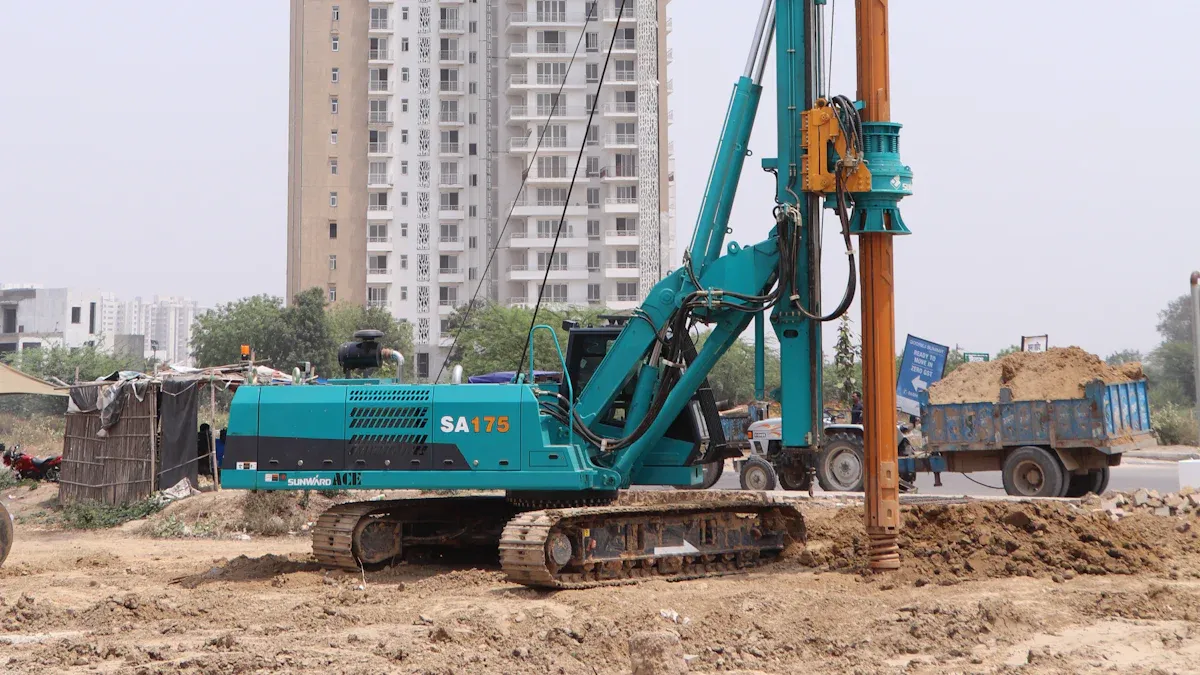
You want your drilling path to stay straight. Hard bedrock can make this difficult. CEGC’s rigs use special guidance and stability systems. These systems help you avoid bore drift. They use real-time tracking and strong frames. You get fewer mistakes and finish faster.
You can see how different things affect bore stability in the table below:
|
Variable Type |
Examples |
|---|---|
|
Uncontrollable |
Far-field stresses, pore pressure, rock properties |
|
Controllable |
Mud pressure, mud composition, wellbore orientation |
You control mud pressure and wellbore direction. This keeps your drilling on target. Stable guidance stops the Kelly bar from drifting. You need fewer corrections and drill faster, even when soil changes.
Modern rigs use tools like ER-Gyro-15 and guided drilling tech. These tools give you accurate data about your drilling direction. You can make quick changes and keep your bore straight. The closed-loop system lets you steer in real time. You get the results you want. Trenchless Drilling Rig 60m Penetration Beats Bedrock with these precision systems.
Anti-Stall Powertrain and Durability
Bedrock is tough. Torque spikes and stuck pipes can slow you down. They can also damage your tools. CEGC’s rigs use anti-stall powertrains with high torque. You get smooth power and overload protection. This keeps your rods and tools safe in hard ground.
You can change thrust and pullback speeds for the geology. This helps you avoid waste and keeps your project moving. Steel crawler systems give you strong mobility. You can work on many types of terrain. Custom options let you pick the best setup. You can boost efficiency by up to 30% with smart choices.
Key performance indicators help you measure success. You can track drilling accuracy, penetration rate, bit life, and equipment use. These KPIs show how well your Trenchless Drilling Rig 60m Penetration Beats Bedrock in real jobs.
Mud Integration and Fluid Management
Fluid management is very important when you drill deep into bedrock. Bad fluid control can cause stuck pipes or borehole collapse. CEGC’s rigs support advanced mud and fluid management solutions. You can use managed pressure drilling to keep the borehole stable. Automatic valves help balance pressure and stop fluid loss.
Special drilling fluids with polymers cut fluid loss and keep the borehole strong. Real-time monitoring gives you data about borehole conditions. You can change your mud program quickly and avoid problems.
Here are some ways to manage fluids better:
-
Add polymers to drilling fluids to cut fluid loss.
-
Monitor borehole conditions in real time for fast action.
You can customize pump packages, filters, and cooling systems for your site. This gives you better control and higher performance. With these solutions, Trenchless Drilling Rig 60m Penetration Beats Bedrock in tough conditions.
You can drill through bedrock up to 60m with CEGC’s trenchless drilling rigs and horizontal directional drilling machines. These machines use advanced systems, special guidance, and good fluid control to help you do well.
-
You finish your work faster and spend less money.
-
You keep the ground safe and make your job easier.
You can change each rig to fit what your project needs.
FAQ
How deep can CEGC’s trenchless drilling rigs go through bedrock?
You can reach up to 60 meters in bedrock with CEGC’s trenchless drilling rigs. This depth meets most utility and infrastructure project needs.
What helps you avoid stuck pipe during drilling?
You use advanced mud management and real-time monitoring. These features help you keep the borehole stable and reduce the risk of stuck pipe.
Can you customize the rig for different ground types?
-
Yes, you can choose custom torque, thrust, and tool packages.
-
You match the rig to your project’s geology and length.


