
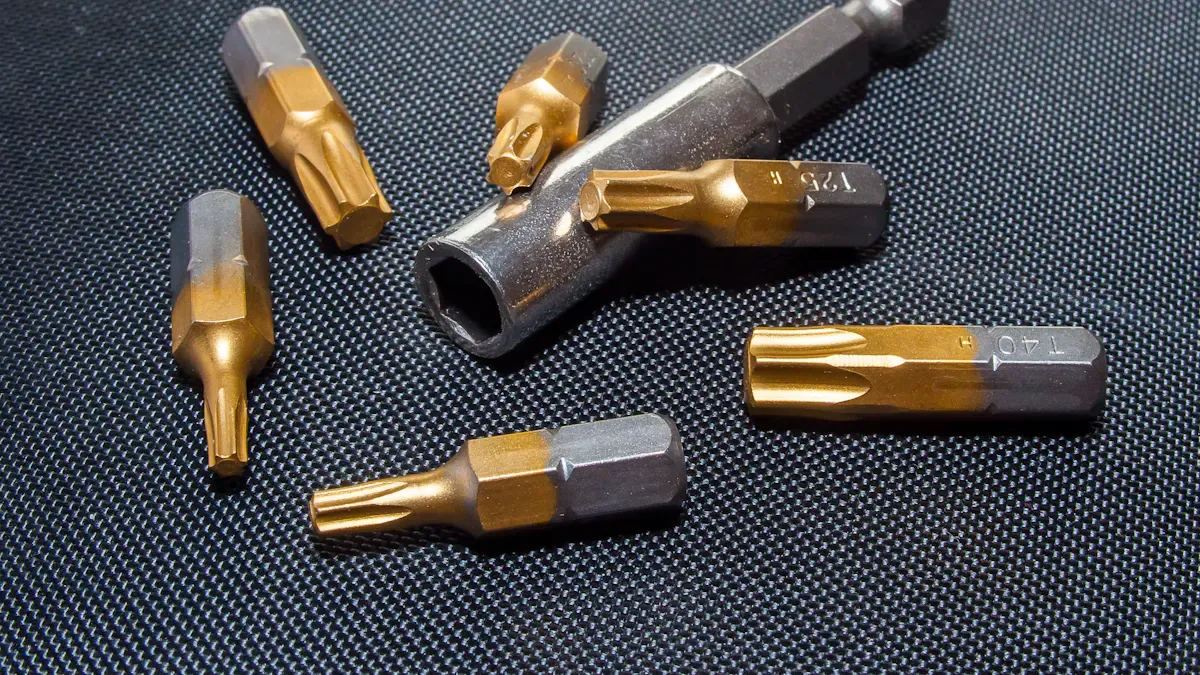
You can get 0.1mm accuracy in hole drilling and rework if you use the right Hole Drilling Tool 0.1mm Accuracy Cuts Rework system. CEGC gives you very precise drilling equipment with choices for different projects. Tight tolerances help you stop rework and keep parts strong. This is important in aerospace and electronics industries.
Key Takeaways
-
Use micro drills made of solid carbide or cobalt for exact hole drilling. These materials make the drills last longer and work better.
-
Always look over your setup and tools before you start drilling. Good calibration and tight fixturing give better results and less rework.
-
Try two-step drilling with a pilot hole first, then use carbide reaming. This way, the hole will be more accurate and smoother.
Tools for Precision Hole Machining
Hole Drilling Tool Selection
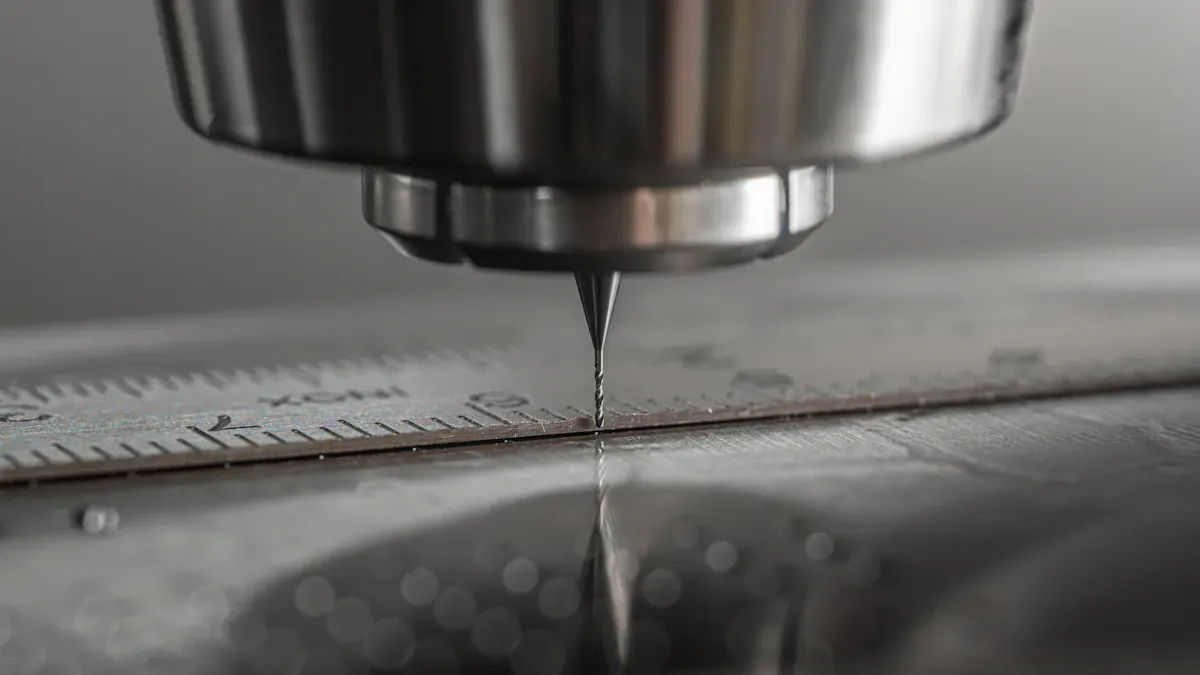
You need special tools to make very accurate holes. Micro drills can help you get holes as small as 0.1mm. These tools are used in electronics, aerospace, and medical devices. You can pick tools made from cobalt or solid carbide. These materials last longer and make better cuts. When you choose a hole drilling tool, look for strong tools and good holders. The tool must be held tight and straight. Use balanced holders and precision collets to stop the tool from wobbling. This helps you keep your holes the right size and shape.
-
Micro drills for high precision
-
Solid carbide and cobalt options
-
Balanced holders and precision collets
-
Secure fixturing for stable results
Guide Systems and Frame Stability
Your drilling equipment must stay steady for good results. CEGC’s surface drilling rig has a strong mast and a smart guide system. This setup helps you drill in the right spot and makes fewer mistakes. Sometimes, the drill is not straight because the equipment is not lined up or there are things in the ground. You can fix these problems by watching the drill as you work. Sensors check torque, depth, and vibration, so you can fix mistakes fast.
Tip: Always check your guide system before you start. A steady frame gives you better accuracy and less rework.
Measurement Devices for Tight Tolerances
You need good tools to measure your holes. Use calipers, micrometers, or laser tools to check the hole size and spot. These tools help you make sure your holes are correct. Machines with sensors and CNC can also help by making changes as you drill. This way, you can meet the rules for size and position.
-
Calipers and micrometers for manual checks
-
Laser tools for advanced measurement
Setup and Drilling Methods for 0.1mm Accuracy
Material Preparation and Positioning
You need to get ready before you start drilling. Mark the workpiece with clear lines so you know where to drill. This helps you be exact and keeps your holes in the right place. Use a sharp scribe or a laser marker for best lines. Make sure your drilling tools are set up right by checking them first. Always look at your machines and measuring tools before you begin. Hold the workpiece tight so it does not move. This keeps the drill lined up and helps you make straight holes.
-
Marking: Draw lines on the workpiece for accuracy.
-
Calibration: Make sure your tools are set up right.
-
Secure Fixing: Clamp the workpiece so it stays still.
Tip: Check your setup two times before you drill. If you make a mistake when marking or clamping, you might have to redo your work.
Two-Step Drilling and Carbide Reaming
You can make better holes if you use two steps. First, drill a small pilot hole. This helps guide the main drill and keeps it straight. Next, use a carbide reamer to finish the hole. Carbide reaming makes the hole smooth and very exact. Doing both steps helps you avoid mistakes and get the right size.
This way, you lower the chance of the drill going off track. You also get a smoother inside surface. It works well for parts that need to be very precise. The table shows what you can get with this method:
|
Feature |
Value |
|---|---|
|
Typical Tolerance Ranges |
|
|
Surface Roughness Achievable |
Ra 0.8–1.6 µm |
You can use this way to make holes in electronics, aerospace, and other fields that need high accuracy.
Controlled Depth and Feed Coordination
You must control how deep and how fast you drill. CEGC’s setup and special hydraulic systems help you do this. If you set the speed and force right, you get good holes every time. New drilling machines use sensors to check depth and pressure. These sensors let you change things as you drill.
Some advanced drills, like the T-A Pro, have special inserts and coolant. These keep the drill cool and move chips away fast. You can drill faster and your tools last longer. The table shows some features of these drills:
|
Feature |
Description |
|---|---|
|
System |
|
|
Penetration Rate |
Nearly 30% faster than other high-performance drills |
|
Coolant Design |
Maximum flow to the cutting edge for quick heat extraction |
|
Tool Life |
Extended tool life and consistent quality holes |
|
Diameter Range |
11.1–47.80 mm |
|
Depth Capabilities |
Stub to 15xD depths |
You can also use laser-cutting and EDM drilling for hard shapes. These ways are up to ten times faster and give better results. They help you make very exact parts.
Note: Pick the right drilling way for your material and hole size. This helps you get the best results for high-precision holes.
If you use the right setup and methods, you can get 0.1mm accuracy. You will have less rework and better results with the hole drilling tool 0.1mm accuracy cuts rework system.
Verification and Minimizing Rework
Measuring Hole Accuracy
After you drill, you must check your holes. Use calipers, micrometers, or laser tools to measure them. These tools help you see if the holes are the right size and in the right spot. For very exact work, use a coordinate measuring machine or pin gauges. These tools help you get close to 0.1mm accuracy. Some advanced devices check if you can repeat the same results and measure the whole space. The table below shows what good measuring systems can do:
|
Feature |
Specification |
|---|---|
|
Volumetric accuracy |
1.8 µm + L/400 |
|
Repeatability |
1.7 µm |
|
Velocity |
762 mm/s |
|
Acceleration |
2.306 mm/s² |
You can do quick checks while working and careful checks at the end. This helps you keep your drilling process under control.
Managing Rework and Error Correction
Sometimes, you find mistakes when you check your work. Fixing mistakes takes time and can slow you down. If your holes are not within the limits, you might fail inspection. CEGC’s modular tooling lets you fix problems fast. You can change tools or settings without stopping everything. Easy-to-fix designs help you reach parts quickly and keep working. You can use pilot holes or reamers to fix the hole size or shape. If your hole is too small, you can ream or bore it to make it right.
Tip: Always check your holes before you move on. Early checks help you find mistakes and do less rework.
Maintaining Tight Tolerances
You need to follow good steps to keep your holes accurate. Start with drill bits that are made to tight limits. Automatic loaders help you avoid mistakes from handling. Set the right spindle speed and feed rate to keep the drill straight. Peck drilling helps clear chips and stops the drill from getting stuck. Entry films keep the drill steady, and backup boards stop rough edges. Stub-length drills make the tool shorter and more stable. Pilot holes help guide the drill for deep holes. Change the feed rate at the start to help the drill go in straight. Try to keep your holes in the H7 to H9 range for a close fit. Hold your workpiece tight to keep the hole in the right place. Use ISO fits to match parts. Drill a little smaller and then ream for a smooth hole.
-
Drill bits made to tight limits
-
Automatic loaders to stop handling mistakes
-
Right spindle speed and feed rate
-
Peck drilling to clear chips
-
Entry films and backup boards
-
Short drills and pilot holes
-
Change feed rate at the start
-
Targeted hole size and position
-
ISO fits and undersize drilling with reaming
You can get very accurate holes and do less rework with the hole drilling tool 0.1mm accuracy cuts rework system.
You can get very accurate holes with the hole drilling tool 0.1mm accuracy cuts rework system if you follow these steps:
-
Watch for tool wear and changes in materials.
-
Use machines that work by themselves for steady results.
-
Check live data to help stop mistakes.
|
Benefit |
Description |
|---|---|
|
The hole drilling tool 0.1mm accuracy cuts rework system makes your work faster and more dependable. |
|
|
Reduced Downtime |
Checking often keeps your work going without stops. |
Pick CEGC for solutions that fit the market and your project needs. Show your work with the hole drilling tool 0.1mm accuracy cuts rework system.
FAQ
What makes CEGC drilling equipment suitable for high precision work?
CEGC drilling equipment has strong frames and good guides. It also uses smart sensors to help you drill better. These things help you make very exact holes every time.
How do you reduce rework when drilling small holes?
First, you need to check your setup before you start. Then, pick the right tool for the job. After drilling, measure each hole to make sure it is right. Doing these steps helps you make fewer mistakes and saves time.
Can you use CEGC drilling machines for different materials?
CEGC machines can work with many kinds of materials. You can use them on metals, plastics, and composites. This lets you use the machines for lots of different projects.


