
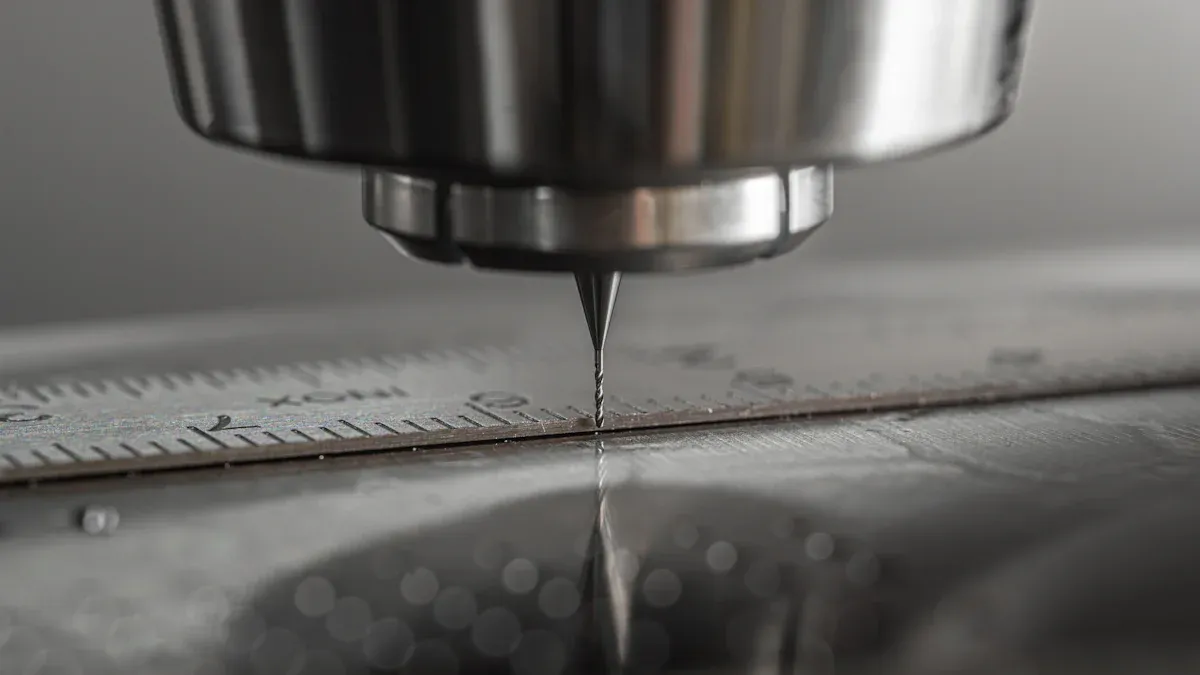
Being exact is very important for big building projects, especially for horizontal directional drilling. Horizontal Bore Drilling 0.2° Precision Cuts Risk. Very precise drilling, within 0.2 degrees, lowers dangers. It stops expensive mistakes. It makes things safer. This exactness fixes problems. It stops things from being out of line. It prevents hitting underground pipes. It also stops harm to nature. Being this exact saves a lot of money. Projects often save millions each year. Equipment breaks 40% less often. CEGC helps reach this level.
Key Takeaways
-
Very exact drilling, within 0.2 degrees, helps avoid big problems. It stops hitting underground pipes. It also stops harming nature.
-
This precise drilling saves a lot of money. It prevents costly mistakes. It prevents delays. It prevents fines.
-
CEGC offers special tools. CEGC offers special machines. They help achieve this exact drilling. They make projects safer. They make projects more reliable.
HDD: Challenges and the Need for Precision
What is Horizontal Directional Drilling?
Horizontal directional drilling (HDD) is a method. It does not dig trenches. It puts pipes, conduits, and cables underground. This method uses a drilling rig. The rig starts on the surface. It makes a path. It does not dig a long trench. HDD is very important. It builds modern infrastructure. It puts in pipes for gas, water, and oil. These projects are often in busy places. They are also in sensitive areas. HDD also puts in telecom cables. It places electrical lines. It installs fiber optic systems. It does this without bothering the surface. Also, it builds and fixes water and sewer systems. This is true in tough areas or cities. HDD is good at going under rivers. It goes under lakes, roads, and railroads. It means less digging.
Common Risks in Trenchless Drilling Rig Projects
Trenchless drilling projects have risks. Bad underground data causes problems. Poor planning also creates issues. Equipment breaking can stop work. Operator mistakes often lead to errors. Projects also have failed boreholes. Environmental problems, like frac-outs, are big worries. Hitting other utilities is a serious risk. Worker and public safety are always concerns. A failed borehole can happen. This is from lost drilling fluid. Hard obstacles cause failures. Hydrolock is another cause. Problems with line and grade also lead to failures. The borehole can collapse. The product pipe can get damaged. These are other reasons.
Why Accuracy is Paramount for Horizontal Directional Drilling
Accuracy is very important. This is for horizontal directional drilling. It helps with many project risks. Exact drilling avoids failed boreholes. It stops damage to existing utilities. High accuracy lessens harm to nature. It also makes projects safe. Without being exact, projects cost more. They have delays. It keeps infrastructure strong. Accuracy lowers the chance of hitting underground lines. It also helps keep the path. This control is key. It makes operations successful and safe.
0.2° Precision Cuts Risk: Direct Mitigation Strategies
Horizontal Bore Drilling 0.2° Precision Cuts Risk. It solves big project problems. This exactness stops costly mistakes. It makes projects work well. It fixes bore deviation. It stops crossing failure. Good guidance systems help. Real-time checks make this possible.
Preventing Utility Strikes with Pinpoint Accuracy
Being very exact helps avoid hitting utilities. Good guidance systems give live data. These systems show where the drill head is. Operators see the drill's path. They see it near other utilities. They can change direction fast. They move the drill away from pipes. This stops accidental damage. It protects important things. It keeps workers safe. It keeps people safe.
Minimizing Environmental Impact and Compliance Risks
Exact drilling lowers harm to nature. If a bore goes off track, fluid can leak. This is called a frac-out. Frac-outs hurt nature. They cost a lot to clean. They also cause fines. A 0.2° precision keeps the drill on path. This stops fluid loss. It helps projects follow rules. This careful way protects nature. It avoids rule problems.
Ensuring Infrastructure Integrity and Project Safety
Keeping infrastructure strong is key. Exact drilling puts pipes where they should be. This stops future problems. It makes sure things work well.
The "Precision Guidance & Stability System" helps.
-
Load-matched control matches forces. It uses thrust, pullback, rotation, and feed. It matches them to ground conditions. This keeps the drill smooth. It keeps it on target.
-
A high-rigidity frame helps. Carriage alignment reduces shaking. The drill rig is strong. It is stable. This stops the drill from moving off course.
-
Tracking-system ready integration allows live checks. It also logs data. It controls processes. Operators always know where the drill is.
Exact bore alignment makes pipes last. It makes them safe.
-
Enhanced equipment longevity: Exact alignment lessens stress. This stress affects parts. It affects shafts, bearings, and seals. Less stress makes them last longer. It makes equipment last longer.
-
Improved system reliability: Fewer broken parts mean less downtime. It lowers safety dangers. This makes pipes work better. They work more often.
-
Noise and vibration reduction: Good alignment lowers noise. It lowers shaking. This makes work areas safer.
This high exactness makes new things last. It makes them safe for years. Horizontal Bore Drilling 0.2° Precision Cuts Risk. It builds a strong base.
Operational and Financial Benefits of Precision HDD
Exact drilling helps projects. It saves money. It makes things work better. It makes things safer.
Reducing Project Delays and Costly Rework
Very exact drilling stops project delays. It cuts down on expensive rework. If a drill goes wrong, it causes trouble. Workers must stop. They fix the mistake. This costs time and money. They might re-drill parts. They might fix damaged spots. Exact drilling keeps the drill on track. This stops errors. It helps the project move well. This saves time and money.
Significant Savings from Avoiding Repairs and Penalties
High exactness stops costly repairs. It helps avoid big fines. Badly aimed drills can harm things. This means expensive fixes. Spilled drilling fluid costs a lot. For example, one company paid $2.1 million. This was for breaking environmental laws. They spilled fluid in two rivers.
The U.S. EPA updates fines often. This is for breaking environmental rules. Most fines are not this high. But these numbers guide the EPA. The EPA looks at many things.
-
How bad was the rule broken?
-
Did the company try to follow rules?
-
Did they save money by not following rules?
-
Can they pay the fine?
Exact drilling lowers these risks. It keeps projects legal. This saves money from fines. It saves money from repair bills.
Improving Project Timelines and Predictability
Exact drilling makes project times better. It makes them more sure. If a drill stays on target, there are fewer surprises. Managers can plan schedules better. They know drilling will follow the plan. This means fewer delays. Teams meet deadlines more often. Sure timelines help manage resources. They make projects work better.
Enhanced Safety for Workers and the Public
Exact drilling makes things much safer. It keeps workers safe. It keeps people safe. Drills going off course can hit pipes. This causes danger. It can cause blasts. It can cause shocks. It can cause bad accidents. Accurate drilling avoids these dangers. It keeps everyone safer. Auto drilling systems are very exact. They lower accident risks. They stop human mistakes. This exactness makes work safer. It also protects nearby towns.
CEGC Solutions: Fixing Hard Problems
CEGC has special ways to fix things. These ways help with common problems. They make sure projects work well. They make them work fast.
Anti-Stall Powertrain Stops Stalling
CEGC's anti-stall powertrain stops pipes from getting stuck. It stops sudden power surges. It has strong power. It works at many speeds. This helps drill steadily. It works in different ground. It senses oil pressure. It manages pressure. This keeps parts safe. It stops oil leaks. It stops pipes from bursting. It also saves energy. The system changes pump power. It does this right away. This makes it work best. It makes work better. A "rock package" can be added. It cools better. It filters better. It has extra power. It has strong parts for hard ground.
Strong Tools Last Longer and Cost Less
CEGC has tools that fit together. They last a long time. This package works with many reamers. These include blade, fluted, rock, and barrel types. Good materials make tools last. These materials fight rust. They fight high pressure. Special coatings make tools last longer. They help tools cut better. They stop them from wearing out fast. Smooth power delivery stops shaking. This makes tools wear evenly. Easy access helps with quick fixes. CEGC offers custom rod sizes. It offers custom tool joints.
Better Fluid Control Lowers Risks
CEGC's mud system helps with bad fluid. It also lowers frac-out risks. The system tells you pump size. It makes sure fluid flows right. It makes sure filters are ready. Managing drilling fluids well is key. It makes work better. It lowers project costs. This way uses less carbon. It is better than old drilling fluids. It makes less CO2. It uses fewer chemicals. This helps nature. You can get custom pump packages. Filters and cooling can be upgraded. This makes them work even better.
Custom Drilling Machines for Your Needs
CEGC knows projects are different. We offer custom drilling machines. Our machines meet normal standards. We also change them for projects. This makes each drill perfect. It fits the job's needs. This helps fix special problems.
Implementing High-Precision Horizontal Bore Drilling
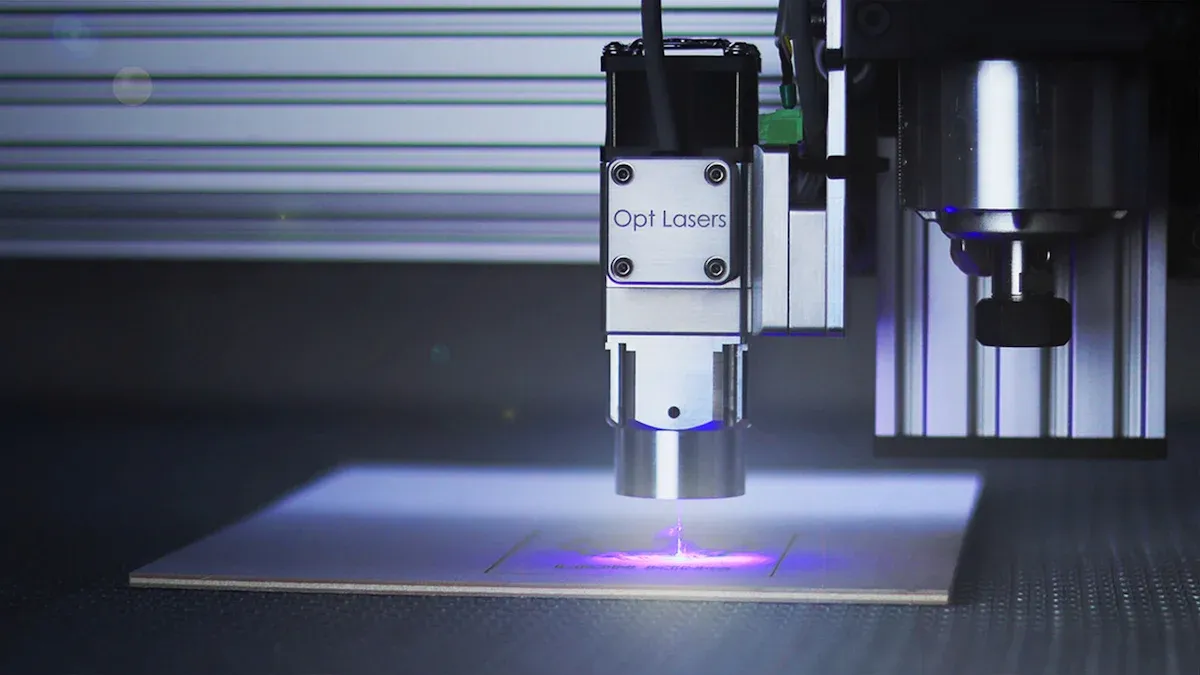
Being very exact in horizontal bore drilling needs many things. It needs new technology. It needs skilled workers. It needs careful plans. All these parts work together. They make sure projects go well.
Choosing the Right Directional Drilling Machine and Technology
Picking the right directional drilling machine is very important. Workers need a drill rig. It must fit the job's needs. This means looking at the ground. It means looking at how long the bore is. It means looking at the pipe size. New horizontal directional drilling machine models have good guidance. They can check things as they happen. These tools are key. They help keep the 0.2° precision. This cuts risk.
The Role of Skilled Operators and Training
Even with the best tools, skilled workers are still needed. They understand the data. They make important changes. They react to problems. Training helps workers learn new ways. It helps them use new tools. This learning helps them. They can make very exact bores.
Strategic Planning for Optimal Precision Drilling
Good planning is key for exactness. Project teams must:
-
Map the drill path well.
-
Think about existing pipes.
-
Think about the drill and pipe.
-
Know the start and end points.
-
Plan for pulling back the pipe. Digital tools help plan paths. They use GPS data. They add drill and pipe info. These tools give live updates. They show if there is enough space. They save data for records. Special machines find existing pipes.
Leveraging Data for Enhanced Project Control
Data helps a lot. It makes project control better. Live data shows how the drill is working. It shows how much energy is used. It shows how fast it drills. Sounds can tell if the drill bit is broken. Shaking data checks the machine's health. New online systems hold all the data. This helps make choices fast. Quick access to data saves money. It moves data automatically. It cuts down on typing. Smart computer programs look at drill bit pictures. They find worn parts early. This helps review jobs later. Horizontal Bore Drilling 0.2° Precision Cuts Risk by using data.
Horizontal Bore Drilling 0.2° Precision Cuts Risk. This is a big step forward. It makes projects much safer. It works better. It saves a lot of money. CEGC's drill rig helps with this. This exactness is important. It builds better things. Precision helps you win.
FAQ
What does 0.2° precision mean for horizontal drilling?
It means the drill path stays very straight. It has a tiny angle of error. This exactness keeps the bore on its path. It stops it from going off course.
How does precise drilling help the environment?
Precise drilling stops fluid leaks. It lowers the risk of frac-outs. This protects nature. It also helps projects follow green rules.
What are the financial benefits of using 0.2° precision?
It cuts down on costly rework. It stops project delays. It also helps avoid expensive repairs. It prevents penalties. This saves projects a lot of money.


