
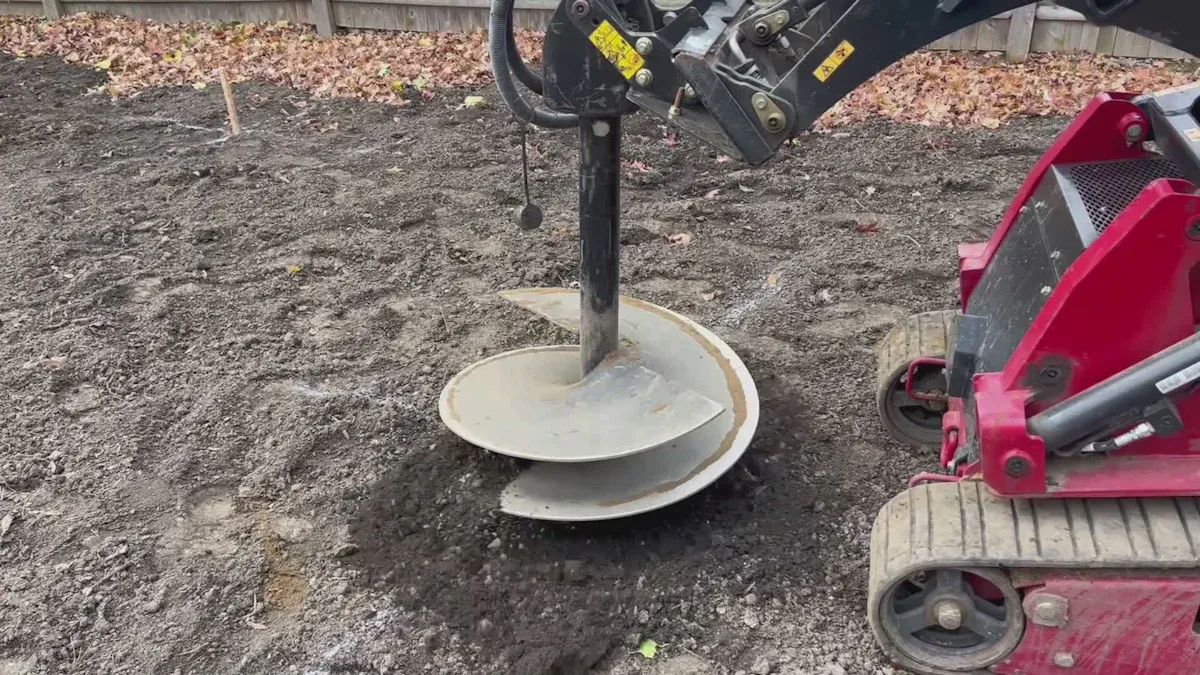
The horizontal directional drilling (HDD) industry demands faster project completion, a trend projected to intensify by 2026. A well-executed design is paramount, significantly reducing both time and costs. Smart design methodologies are crucial; they leverage data to meticulously plan pipe drilling without the need for trenching. These methods accelerate operations, potentially cutting construction time by half or more, thereby making horizontal directional drilling quicker and more efficient. CEGC is at the forefront of facilitating superior drilling outcomes. This Horizontal Bore Drilling Smooth Design Cuts Time, proving invaluable for underground infrastructure projects.
Key Takeaways
-
Smart design helps horizontal drilling projects finish faster. It uses data to plan the path for pipes. This avoids digging trenches and saves a lot of time and money.
-
New tools like AI and special software make drilling better. AI can guess problems before they happen. Software helps plan the path and avoid hitting other things underground.
-
Picking the right materials and managing drilling fluids well are important. Strong pipes and good mud keep the drill working smoothly. This makes the job safer and more efficient.
Why Time Efficiency Matters in Horizontal Directional Drilling:
Project Delays and Their Financial Impact:
Project delays cost a lot of money. Bad ground conditions often cause delays. Broken machines also cause delays. Drilling fluid problems cause delays. Bad weather causes delays. Small work areas make drilling hard. Unexpected ground is a common cause. Signals getting blocked cause delays. Workers must stop drilling. They fix problems or adjust tools. This makes projects cost more. It also makes them take longer. Fixing mistakes costs extra money. Fines add to the cost. Checking costs helps avoid problems. Keeping machines working prevents breaks. Safety is very important for all work.
Meeting Evolving Demands and Tighter Schedules:
The industry needs projects done fast. Many things make this true. New tracking systems are now used. These stop things from going wrong. Many city projects use ready-made pipes. These are put in with HDD. This makes work faster. New drills have clean engines. This meets strict environmental rules. More green energy projects use HDD. These things mean work must be fast. Strict environmental rules favor underground pipes. They want less impact on the ground. Better drilling with auto guides helps work. It makes work 40% better. These good things make HDD popular. This means projects must finish faster. A smooth design saves time. It makes work better and earns more. It also makes work safer. Checking costs and good machine care are key.
Bore Path Optimization for Efficiency:
Making the bore path better helps drill faster. It cuts down on wasted time. This is important for good work. Special ways to plan the path are key. One way is "Build and Hold." Here, drilling keeps the same angle. "S-Shaped" paths first go off course. Then they go straight. Then they go off course again. For hard ground, 3D plans are used. These plans use 3D models. Looking at the target area also helps. Maps of rock layers show where to drill. Math models help with things we don't know. Geosteering changes where we drill. It uses live ground data. This keeps the drill on target. Live steering also makes work better. MWD gives live data. It shows the drill's path. LWD measures rock types. Rotary Steerable Systems (RSS) drill without stopping. They don't stop to change direction. These ways make drilling smooth. They save time. They make drilling better and safer.
Advanced Design for 2026 Drilling Efficiency:
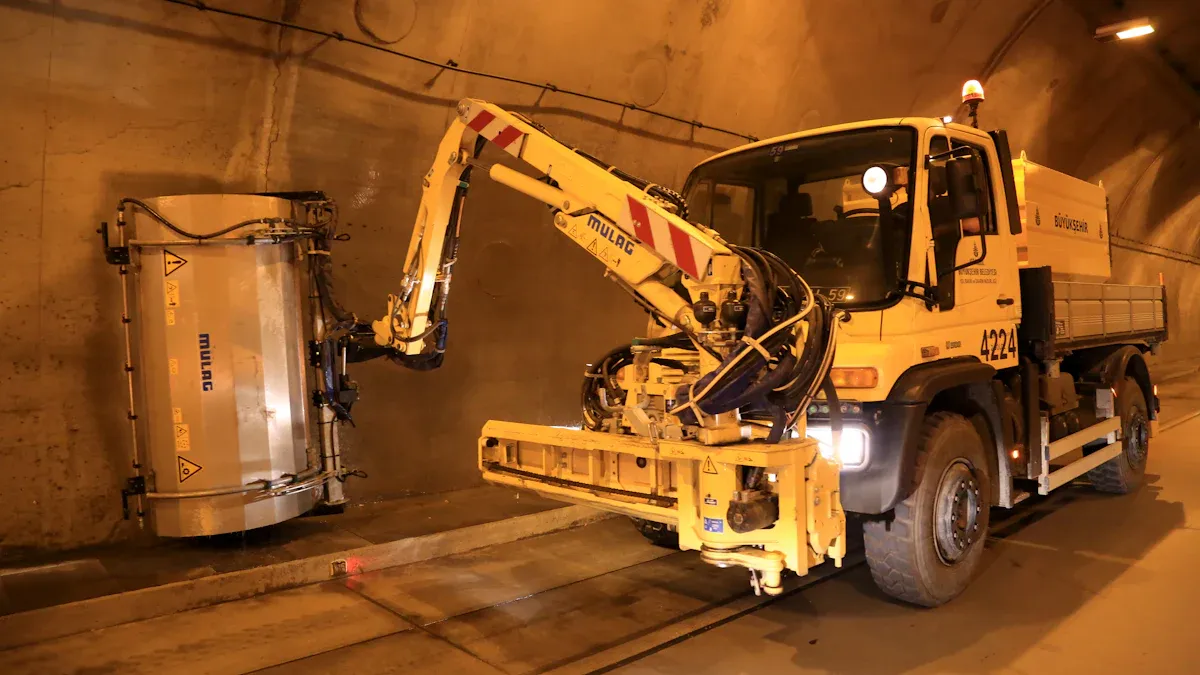
Advanced design changes horizontal directional drilling. It helps the future. New technologies make drilling faster. They also make it safer. They save money too. This part looks at new ways. These ways make drilling performance better. They also make productivity better.
AI and Machine Learning for Predictive Design:
AI and machine learning are strong tools. They help guess problems early. These computer programs use data. They make smart choices in drilling operations. For example, they can guess if a pipe will get stuck. This stops problems like stuck pipe. It stops torque spikes. Some ML methods are neural networks. Logistic regression also helps. Random forest methods help too. These tools find bad signs early. They look at drilling data. They find strange things. A real-time way uses data. It uses models too. It looks at old stuck pipe events. It finds early signs. This way checks pump pressure. It checks flow rate and torque. It checks rotary speed and hookload. Fuzzy logic finds early stuck pipe signs. This guessing power works with CEGC's Anti-Stall Powertrain. It helps make drilling performance smooth.
Advanced Planning Software: Simulation and Visualization:
New software helps plan underground pipe drilling. It gives great detail. These tools make pictures and numbers. They stop problems. They stop hitting other underground things. Spider Plots show 2D well paths. Traveling Cylinder Plots show 3D views. They show how close wells get. Anti-collision software gives alerts fast. It maps nearby wells. It models the new well in 3D. It figures out the Ellipsoid of Uncertainty. This helps avoid big mistakes. Commercial bore planning software is useful. It puts soil data together. It adds ground and route data. This shows a clear job picture. It helps pick the right directional drilling machine. It helps pick bits and reamers. This is based on ground conditions. The software figures out bore depths. It figures out setback distances. It guesses hole volumes. It even guesses pullback time. This planning helps tools work well. It helps them last long. It lowers consumables cost. It lowers tool wear. This makes productivity better. It makes drilling machine efficiency better.
Material Selection and Sizing for Speed and Stability:
Picking the right materials is key. It helps drilling speed. It helps stability. Drill pipes are strong. They are made of steel or aluminum. Grades like S-135 are very strong. They are good for hard jobs. The pipe's outside size matters. Its weight matters. They change how much the rig can lift. Smaller pipes are for shallow wells. Bigger pipes are for deep wells. Heavyweight drill pipe (HWDP) has thick walls. It is made from alloy steel. It is heavier. It is stiffer than regular pipe. HWDP is used in tough wells.
|
Key Point |
Standard Pipe |
HWDP |
|---|---|---|
|
Weight |
Lighter |
Heavier |
|
Wall |
Thinner |
Thicker |
|
Material |
High-strength |
Alloy steel |
|
Use |
General drilling |
Challenging wells |
|
Stiffness |
Flexible |
Rigid |
|
Durability |
Moderate |
High |
Drill collars are also important. They are made from solid alloy steel. They are heavier than drill pipe. They put weight on the drill bit. This helps cut rock. Drill collars keep the drill string steady. They stop bending under pressure. This is key in directional drilling. It is key in horizontal directional drilling. They also stop shaking. This helps with good drilling. It makes tools last longer. Spiral grooves on drill collars help. They can stop sticking by 30%. Non-magnetic drill collars help with finding the way. They let MWD tools get data. They do this without problems.
|
Key Point |
Details |
|---|---|
|
Material |
Carbon, Alloy |
|
Grade E-75 |
Medium-depth use |
|
Grade X-95 |
High strength |
|
Grade G-105 |
Wear-resistant |
|
Grade S-135 |
Ultra-deep wells |
|
Grade V-150 |
Advanced drilling |
These material choices make safety better. They make efficiency better. They make sure the underground pipe drilling project goes well. They also mean less maintenance.
Fluid Management Design: Optimizing Mud Programs:
Good fluid management is vital. It helps underground pipe drilling succeed. Good mud programs stop bad fluid performance. They stop frac-out risks. The design picks the right pump size. This depends on length. It depends on diameter. It depends on ground type. It also plans for mud paths. It plans for filtering. Good mud programs have the right mix. They check mud properties. They change things as needed. This keeps the bore steady. CEGC's Mud Integration helps with this. It makes sure fluid is handled well. This makes drilling performance better. It makes safety better. It lowers environmental risks. Good fluid management is a key part. It is part of horizontal bore drilling smooth design cuts time. It protects the investment. It makes sure safety protocols are met. This leads to better return on investment.
Tech Integration for Smooth HDD Workflows:
Technology links design to work. This part shows how. It shows how new tools make drilling performance better. They cut down on wasted time. This makes horizontal directional drilling projects smoother.
Real-time Data: Bridging Design and Field Operations:
Real-time data is very important. It connects plans with field work. This helps make good choices. It makes drilling operations more exact.
-
Real-time data makes guesses better.
-
It helps make good choices during work.
-
It allows quick changes for ground differences.
-
It makes drilling performance better.
-
It lowers risks.
-
It gives more true ground facts.
-
It helps keep the well in the right place. This is true for thin-layer directional wells.
Mixing real-time drilling data with old LWD data helps. Tools like SABED help. They make up for LWD delays. This way mixes past ground facts with current work data. It guesses values like gamma fast. This makes guesses more true. It helps guide the drill and make better drilling choices. This mix gives true real-time ground guesses. It makes drilling performance better. It lowers risks. It uses the newest ground facts.
Many technologies help gather and send data. Eavor-Link™ AMR is one such tool. It uses magnetic ranging while drilling. This sends data between sensors deep in the ground. This system keeps things straight during drilling. It makes sure the boreholes are close. It makes well placement more exact. This is key for good loop building in horizontal directional drilling.
|
Function |
|
|---|---|
|
Sensors |
|
|
Accelerometers |
Measure toolface direction, angle, and path. |
|
Magnetometers |
Measure Earth's magnetic field for direction. |
|
Gamma-ray sensors |
Find natural radiation for rock type. |
|
Resistivity sensors |
Measure rock resistance to find fluid types. |
|
Pressure and temperature sensors |
Check conditions deep in the ground. |
|
Acoustic sensors |
Used for seismic work during drilling. |
|
Transmission Channels |
|
|
Mud pulse telemetry |
Sends data by changing pressure in the mud. |
|
Electromagnetic (EM) telemetry |
Sends data through waves in the earth. |
|
Wired drill pipe |
Sends lots of data fast through a cable in the pipe. |
|
Fiber optic cables |
Sends very high amounts of data. It is not affected by electric signals. |
|
Acoustic telemetry |
Sends data through sound waves in the drill string. |
|
Wireless telemetry (short-range) |
Used for data transfer between tools in the BHA. |
|
Satellite communication |
Sends data from far-off sites to offices. |
|
Cellular networks |
Used where available for data from sites. |
|
Internet/Cloud platforms |
For storing, processing, and accessing data by remote teams. |
|
Radio frequency (RF) communication |
For short-range talk on the rig site. |
|
Data mules (physical transfer) |
For moving large data amounts with storage devices. This is less real-time. |
An online machine learning method helps. It uses Random Convolutional Kernel Transform (Rocket). This finds ground conditions in real-time. It uses Measure-While-Drilling (MWD) data. This method updates models with new data. It finds different rock types with high accuracy. This makes drilling efficiency better. It gives quick rock facts. This constant monitoring makes safety better.
Digital Twin and BIM for Pre-Drill Optimization:
Digital Twin and Building Information Modeling (BIM) are strong tools. They help make underground pipe drilling better before it starts. These technologies cut down on design errors. They also make teamwork easier.
-
Reducing Design Errors:
-
Clash Detection: BIM finds and fixes problems. It checks the drilling path against existing underground pipes. This happens early. It stops costly mistakes during work.
-
Better Risk Management: New scanning and viewing tools give exact facts. This is about underground conditions. Teams can test situations. They can plan for safety issues. They can plan against work threats.
-
Cost and Time Efficiency: BIM brings project plans together. It makes material lists better. It adds 4D/5D schedules. This cuts design errors. It leads to higher efficiency. It cuts delays.
-
-
Facilitating Collaboration:
-
Streamlined Collaboration and Communication: BIM helps different teams work closely. They share data. Engineers, contractors, managers, and owners connect easily. They share notes, drawings, and reviews. This makes teamwork better.
-
Quality Control and Execution Accuracy: BIM sets exact limits. It checks quality. HDD project teams can watch, measure, and confirm alignment. They check depth and curve. This makes installation more exact. It cuts mistakes through many quality checks.
-
These tools help stop costly rework. They make overall project performance better. They also cut the need for much maintenance later.
Automation in Design Review and Approval:
Automation speeds up design review and approval. It makes workflows smooth. This means faster project starts. It also means fewer delays. Automated systems check designs against rules. They flag possible issues quickly. This cuts human error. It makes sure rules are followed.
Connected workflows use automation. They link design, analysis, and approval steps. This creates great drilling performance. It cuts non-productive time. For example, automated checks can confirm tool fit. They can make sure tools last. This lowers consumables cost. It also cuts tool wear. Automated monitoring systems can track progress. They can tell teams about changes. This helps keep safety. It also helps keep the project on time. This level of automation makes productivity better. It makes sure quality is steady. It also helps with better maintenance planning.
Best Practices for Design & Project Success:
Collaborative Design: Early Stakeholder Engagement:
Talk to everyone early. This stops design fights. It makes projects smoother. It avoids expensive new plans. It also stops buying land. Landowner needs are met fast. This saves money. Problems are found early. This stops delays. It avoids costly paths. This makes building easy. It helps plan routes. It sets moving times. No last-minute changes. No sudden design fixes. Work can happen at the same time. Delays are stopped. This happens by planning moves early. Cheap horizontal directional drilling is possible. Digging trenches at the same time is possible. This makes projects shorter. Busy times are avoided. Not enough machines is prevented. This happens by getting permits early. It also schedules workers early. This protects good names. It builds public trust. It manages what people expect. No surprises for managers. This helps control costs. It helps control times. This makes all hdd projects better.
Proactive Contingency Planning in Design:
Plans must include problems. This means hard rock. Rock can stop a drill. Ground surveys are key. They check dirt and rock. They check water levels. They find hidden things. This survey finds dangers. It helps plan the job. Tools are picked for this. Rubble Blades cut clay. Reamers cut rock. Fluid helps drilling. Soaps and thickeners help. They make clean cuts. They stop bits from clogging. They stop holes from falling in. Drill paths are changed. This avoids blocks. It avoids tough ground. This stops damage. It makes work good. CEGC's system helps. It makes drilling exact. It stops drills from going off course. This makes drilling better. It makes all drilling safer.
Post-Project Analysis for Future Optimization:
Learning from old jobs is key. It helps make future jobs better. Teams check good things. They find ways to improve. This includes checking costs. It also includes safety rules. This feedback makes future underground pipe drilling better. It makes work better. It gives better money back. It also helps fix repair times.
A good plan is very important. It saves time. It makes horizontal directional drilling work better. New design ideas help. New tools help too. They make drilling faster. They save money. A smart plan uses facts. It uses strong machines. CEGC's horizontal directional drilling machine is one. This helps HDD work well. It makes the drilling machine efficiency better. It makes all work better. This helps with underground drilling. It gives good money back. It makes things safer. This horizontal bore drilling smooth design cuts time.
FAQ
How does advanced design save time in HDD?
Advanced design uses data. It plans bore paths carefully. This stops problems. It reduces rework. This makes projects faster.
What role does AI play in modern HDD design?
AI predicts ground issues. It prevents stuck pipes. It stops torque spikes. This makes drilling smoother. It saves time.
Why is fluid management important for drilling efficiency?
Good fluid management optimizes mud programs. It prevents poor fluid performance. It reduces frac-out risks. This keeps the bore stable.


