
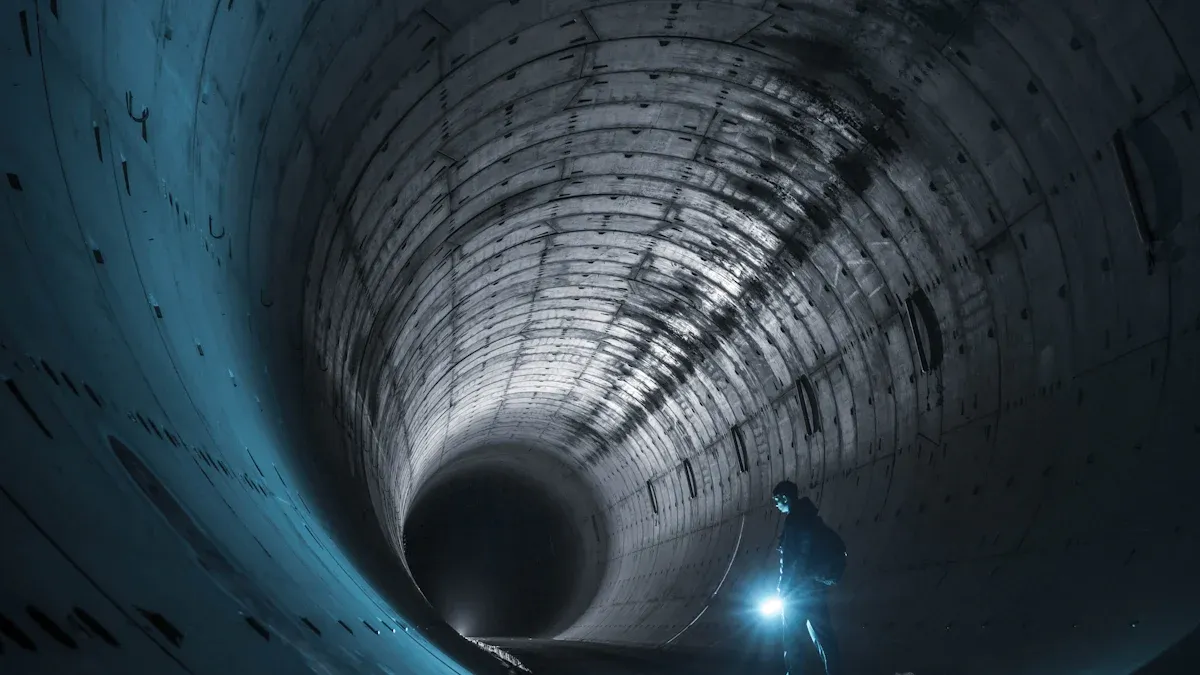
Horizontal directional drilling (HDD) is a new way to put pipes underground. It does not dig up the surface much. In 2024, the HDD market was worth about $8.18 billion. A big step forward is horizontal directional boring ultra low drag. This makes work faster. It also lowers project costs. This blog will tell you about HDD. It will show how ultra low drag works. It will also explain its good points. This includes benefits from CEGC's tools.
Key Takeaways
-
Horizontal directional drilling (HDD) is a new way. It puts pipes underground. It causes little mess on top.
-
Ultra low drag in HDD means less rubbing. This happens when drilling and pulling pipes. It makes jobs quicker. It makes them work better.
-
HDD saves cash. It helps nature. It makes things safer. This is better than old digging ways.
Understanding Horizontal Directional Drilling: The Ultra Low Drag Advantage
What is Horizontal Directional Drilling?
Horizontal directional drilling is a new way. It puts pipes and cables underground. This HDD technology moves drills. They go under the ground. A drill bit pushes underground. A pipe string guides it. A steering gear helps. It changes the drill's path. This makes drilling exact. The drill bit can move. It goes up, down, left, or right. But turns must be soft curves. Sharp turns are not possible. This is because pipes can bend. This way avoids big digging. It bothers the surface less.
The Core Concept of Ultra Low Drag
"Ultra low drag" is a big step up. It is for horizontal directional drilling. It means less rubbing. This rubbing happens when drilling. It also happens when pulling pipes. Less rubbing makes drilling easier. It also makes it quicker. This idea helps avoid big holes. It causes less trouble above ground. This helps many projects.
Why Ultra Low Drag is Crucial for Modern Projects
Ultra low drag is very important. It helps today's projects. Much rubbing causes problems. It can make drilling slow. Projects take longer. It wears out tools fast. This costs more money. Much rubbing means more ream passes. This adds time and money. Sometimes, pipes get stuck. This causes big delays. It costs a lot to fix. These problems make budgets hard. Extra costs for mud or cleanups happen. Less rubbing avoids these issues. This makes HDD projects better. It saves money and time. HDD helps new buildings.
The Process of Horizontal Directional Boring
Horizontal directional drilling is a careful process. Each step helps reduce drag. This makes the project smoother.
Comprehensive Site Planning and Geotechnical Analysis
Good planning starts every successful horizontal directional drilling project. Teams first decide roles. They list all needed equipment. They plan how to move machines. Understanding the ground is key. Engineers check old reports. They look at well logs. They use air photos. They use old maps. This shows soil and rock types. This geotechnical analysis stops problems. It helps pick tools. They check for underground pipes. This avoids hitting them. They think about nature. This includes managing fluid. It protects animals.
Precision Pilot Hole Drilling
Next, a small hole is drilled. A horizontal directional drill starts it. It follows the path. This path avoids things. The drill head has a sender. It sends signals up. A receiver gets them. This guides the drill. It keeps it on track. This exactness lowers drag later.
Efficient Reaming and Hole Enlargement
After the small hole, it needs to be bigger. This is called reaming. A reamer goes through the hole. It makes the hole larger. This happens in steps. Different reamers work best. They fit different soils. A barrel reamer works in sand. A fly cutter is good for clay. A rock reamer is for hard rock. Picking the right reamer cleans the hole. It gets it ready for the pipe. This step is key for low drag.
Product Pipe Installation and Pullback
Finally, the new pipe goes in. This is the product pipe installation. The horizontal directional drilling path is well-designed. This stops pipe damage. Keeping the hole clean is vital. This lowers rubbing. Ductile Iron Pipe is often best. It stays in the middle. This lowers rubbing and pull. Bentonite Clay slurry also helps. It lowers rubbing. It helps the pipe move. Careful planning for pullback is a must. This stops delays and damage.
CEGC's Technology for Ultra Low Drag HDD
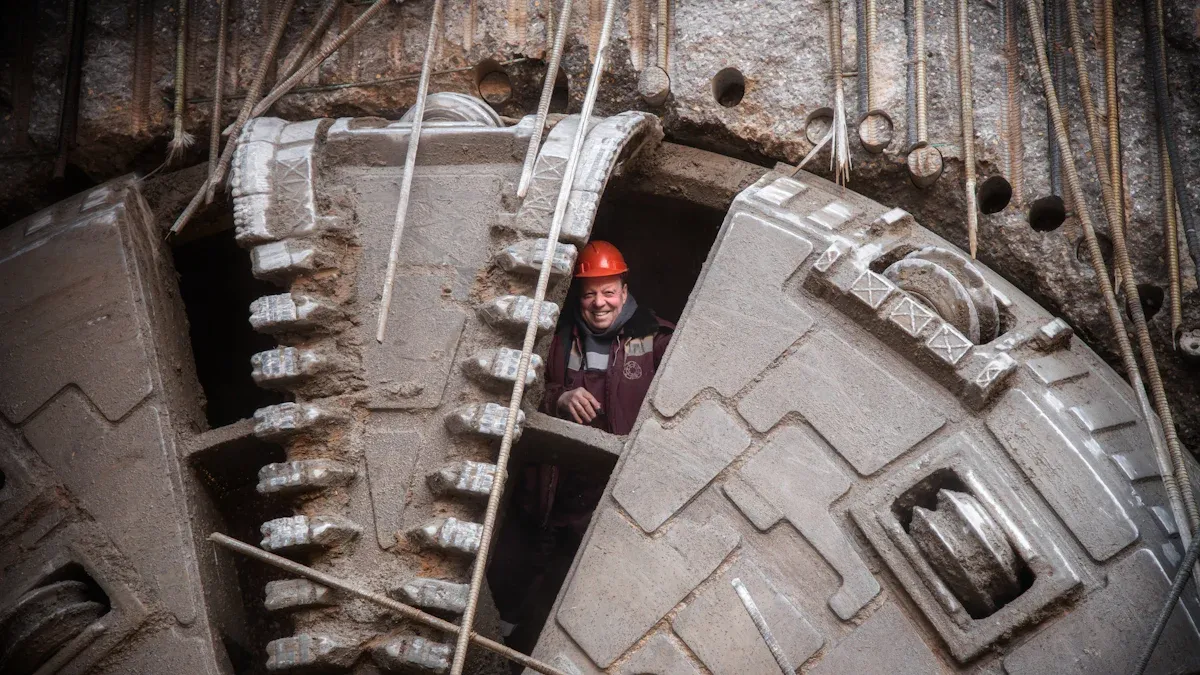
CEGC's horizontal directional drilling machine helps solve common problems. It makes projects smoother and more reliable. This machine uses smart technology. It helps achieve ultra low drag. This means less friction during drilling.
Precision Guidance and Stability Systems
CEGC's machines keep the drill on track. They use a special control system. This system matches the load. It coordinates thrust, pullback, and rotation. This prevents the drill from going off course. A strong frame also helps. This high-rigidity frame keeps the machine steady. It reduces shaking. The machine's base acts as a strong foundation. It holds all parts. It also soaks up vibrations. This base is often made from heavy metal. It can be cast iron or strong steel. These materials help keep the machine stiff. The frame also has internal ribs. These ribs make it even stronger. They stop the frame from bending. This is important when drilling. The spindle and its housing also add to stability. They deliver power. They keep things straight. High-quality bearings in the spindle help. They make rotation smooth. This prevents too much shaking. All these parts work together. They make sure the drill stays accurate. This is key for tricky crossings. It helps avoid mistakes. The system also works with tracking tools. This helps monitor the drill's path. This precision prevents bore deviation. It stops crossing failures.
Anti-Stall Powertrain and Overload Protection
CEGC's horizontal directional drilling machine has a powerful engine. It has an anti-stall powertrain. This engine gives a lot of power. It works well at different speeds. This helps prevent the drill pipe from getting stuck. Getting stuck costs time and money. The machine also has hydraulic load sensing. This system watches the drilling fluid. It checks the pump pressure. It looks for changes. This helps find problems early. It can spot issues like stuck pipe. This allows workers to fix things fast. It stops bigger problems. Hook load sensors also help. They let operators change the load. This is useful if the drill string gets stuck. It helps free the pipe. It also stops damage. The machine also protects against too much power. It has controlled ramp-up and ramp-down. This means power starts and stops smoothly. It uses programmed acceleration times. This reduces sudden power surges. These surges can damage parts. Smooth power changes protect the rods and tools. This makes them last longer. It also prevents downtime.
Tooling Compatibility and Durability
CEGC's HDD machine works with many tools. It can use different reamers. These reamers make the hole bigger. They come in many types. Some are for sand. Others are for rock. The machine's design allows this. It has standard connections. These connections match common tools. This saves money on new tools. It also makes work easier. The fluid flow through the reamer is important. The reamer's holes must be the right size. If they are too small, fluid cannot clean the hole. If they are too big, pressure might be too low. CEGC's system helps manage this. The machine also delivers power smoothly. This is called smoother torque delivery. It reduces rubbing and stress. This makes tools last longer. It means fewer broken parts. It also means less need for new tools. This saves money. Good lubrication helps too. It reduces friction. This keeps tools from wearing out fast. The machine is also easy to fix. This means less time spent on repairs. It keeps the HDD machine working.
Advanced Mud Integration and Fluid Management
Proper mud management is vital for horizontal directional drilling. CEGC's system helps with this. It gives guidance for pump sizing. The pump moves the drilling mud. This mud cleans the hole. It also supports the hole. The system suggests a pump that is strong. It should be 1.5 to 2 times stronger than needed. This handles tough drilling conditions. It stops the system from getting overloaded. The mud system should clean a lot of mud. It should clean 20% to 50% more than it uses. This keeps the mud clean. It removes dirt and rock. An undersized system causes problems. It leads to bad mud. It causes delays. It can even cause the well to fail. CEGC's system helps avoid this. It ensures good mud flow. It helps prevent frac-out. Frac-out is when mud leaks out. This can harm the environment. The system helps manage the mud program. It guides mixing and monitoring. This keeps the mud working well. This is important for successful HDD projects.
Key Benefits of Horizontal Directional Drilling
Horizontal directional drilling has many good points. These make it a top choice. It is good for modern building. This way helps projects finish fast. It also saves money. It keeps nature safe. It makes work safer.
Enhanced Project Efficiency and Speed
Projects go much faster. This is with horizontal directional drilling. This way avoids digging long ditches. This means less time digging. It also means less time filling dirt back. Workers can do things fast. They put in pipes and wires. They do this without stopping cars. This makes things less slow. It also makes the work area better. The whole project time gets shorter. This helps meet deadlines.
Significant Cost Reductions
Using HDD can save much money. Old digging needs many workers. It needs big machines. It also needs to fix the ground later. This can cost a lot. HDD needs less of these things. Fewer workers are needed. Less equipment is used. There is also less ground to fix. This makes all job costs lower. It also means less money for fixing materials.
Minimized Environmental and Surface Impact
One big good point of horizontal directional drilling is its soft way. It hurts nature very little. This way moves less dirt. This helps stop dirt from washing away. It stops dirt from going into water. It keeps special nature spots safe.
🌳 Tip: HDD can put pipes under rivers. It can go under wet lands. It does this without hurting water. It also keeps water animals safe.
HDD can go around sensitive places. This includes areas with rare animals. It includes areas with special plants. This helps keep them safe. It also means fewer big machines are used. This uses less fuel. It makes less pollution. This makes it a greener way. It puts things underground. The method does not dig trenches. This means less harm to the ground. It avoids protected woods. It avoids natural rivers. It avoids wet lands. It also keeps good farm soil safe. This greatly lowers harm to nature.
Improved Accuracy and Safety
HDD makes projects more exact. It also makes them safer. Smart drill bits guide the drilling well. This makes fewer mistakes. It keeps old underground pipes safe. It also keeps nature safe.
👷 Safety First: Machines and remote watching help. Fewer workers need to be in bad spots. This makes the job site safer.
Safety rules are very strict. This is for horizontal directional drilling. These rules check for dangers. They also have ways to stop accidents. Workers get special lessons. They learn to use tools safely. This lowers risks when drilling. Building Information Modeling (BIM) also helps. It finds problems. It checks drilling plans. It checks old underground things. This happens early. It stops problems on site. BIM also gives exact facts. It tells about underground conditions. This helps plan for safety. It helps stop risks.
Versatility Across Diverse Applications
The uses of horizontal directional drilling are many. This way can put in many kinds of pipes. It can put in water pipes. It can put in sewer lines. It can put in gas lines. It can also put in electric wires. It can even put in fiber-optic wires.
🌐 Did You Know? HDD is great for long distances. It is also good for deep installs. This includes going under rivers. It includes going under highways. It is used for big building projects.
Horizontal directional drilling is key. It puts in fiber optic cables. These cables are important for today's life. They help many technologies. This includes cameras. It includes car tech. It includes the Internet of Things (IoT). It also helps data centers. It helps with company backups. This is for saving much data. The flexibility of HDD makes it useful. It works in many different areas.
HDD vs. Traditional Trenching: A Comparative Look
Efficiency and Disruption Comparison
Horizontal directional drilling (HDD) is better. It beats old digging methods. HDD does not dig big holes. This means less mess. Old digging stops traffic. This costs money. It can be $25 to $65 an hour. This is for each car. This happens in busy places. HDD can make projects cheaper. It saves up to 30%. This is compared to digging. Trenchless ways often save money. This is true in cities. They save 20% to 50%. This is over the project's life.
Cost-Effectiveness and Resource Utilization
Costs are different. This is for each method. For example, fixing a gas line. This is in a city street. Digging costs about $425,000. Trenchless ways can save $150,000. But for new sewer pipes. This is in open fields. Digging can be cheaper. It costs $125,000. HDD costs $145,000. HDD can cost more at first. This is for tools and workers. But total project costs. They often favor HDD. Fixing the ground after digging. It costs $50 to $200 per square foot. This is in cities. This adds to the cost. HDD saves more money. This is for longer projects. Short jobs (under 50 feet). Digging is often better.
Environmental Footprint and Safety Advantages
HDD is better for nature. It makes 93% less carbon. This is a big saving. It also makes less trash. It keeps nature safe. HDD makes work safer. It is safer for workers. It is also safer for people nearby. It causes fewer accidents. Fewer big machines are needed. It makes fewer big holes. This lowers dangers. It stops holes from caving in. It stops things from falling. HDD is safer. This is compared to old digging. It uses less gear. It uses fewer workers.
Horizontal directional boring ultra low drag changes projects. This drilling method is very important. CEGC's machine helps save money. It also protects nature. Trenchless technology will keep getting better. This includes horizontal directional boring ultra low drag. This helps building in a good way. Horizontal directional boring ultra low drag is important.
FAQ
❓ What does "ultra low drag" mean for HDD?
Ultra low drag means less rubbing. This happens when drilling. It also happens when pulling pipes. This makes projects faster. It makes them work better.
💰 How does Horizontal Directional Drilling reduce project costs?
HDD avoids big digging. This means less ground to fix. It also needs fewer workers. It needs less equipment. This saves money.
🌳 Is HDD more environmentally friendly than traditional trenching?
Yes, HDD is better for nature. It moves less dirt. It keeps nature safe. It makes less pollution.


