
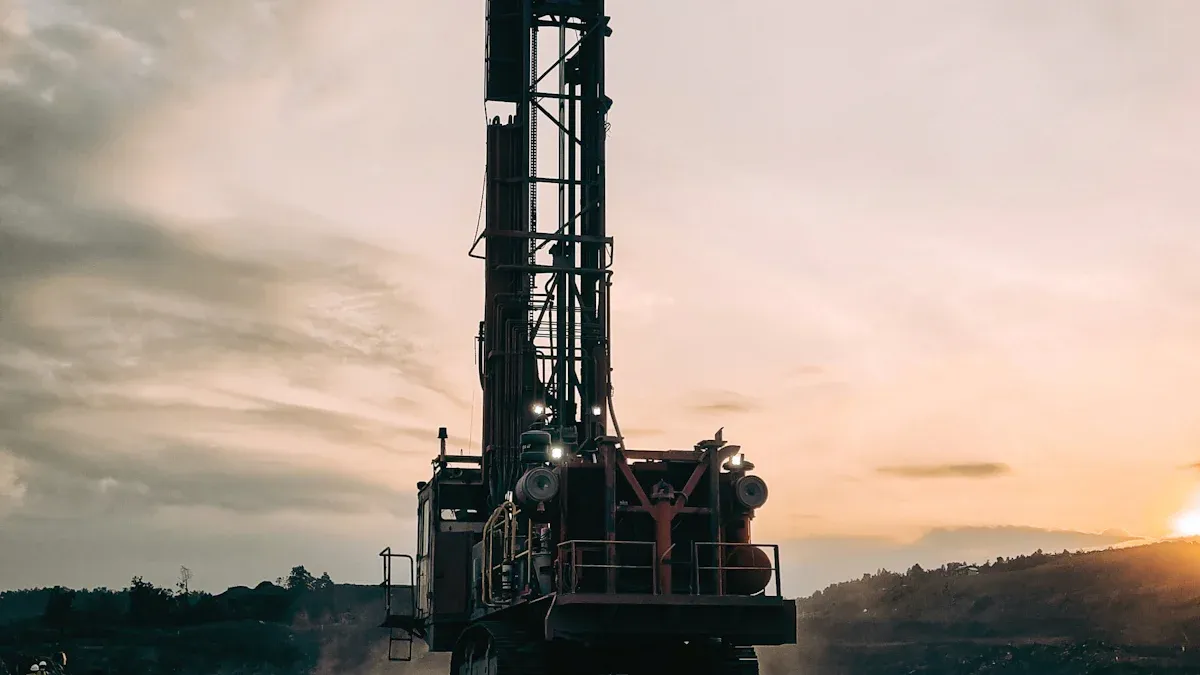
Deep drilling is popular in 2026. Hard ground makes drilling tough. Picking the right horizontal directional drilling machine is key. A Well Drilling Rig Smooth Design Handles Distance. This design helps with deep drilling. It also helps in far-off places. New directional drilling machine use smart tech. CEGC's Trenchless Drilling Rig do too. This changes what horizontal directional drilling hdd can do. A good horizontal directional drilling fixes problems.
Key Takeaways
-
Deep drilling needs strong rigs. These rigs must handle hard ground. They also need to reach far places.
-
Modern rigs use smart tech. This includes AI and auto systems. They make drilling safer and faster.
-
Choosing the right rig is key. Look for good makers. Consider how the rig moves and its power.
Learning About Deep Well Drilling Needs
What Deep Wells Are: How Deep and What Rigs Do
People are drilling deep for water, oil, and gas. This is happening more often. It is good to know what makes a well "deep." How deep a well is changes the kind of drilling rigs needed. For example, water wells can go 500 to 2000 feet down. Oil and gas wells can be much deeper.
|
Category |
Depth Range (feet) |
Depth Range (meters) |
|---|---|---|
|
Deepwater |
> 4000/5000 to ~7000 |
> 1219/1524 to ~2133 |
|
Ultra-Deepwater |
7000-12000 |
2134-3658 |
For very deep jobs, especially in the ocean, we use the word "ultra-deep."
Ultra-deep water means the water is deeper than 1,830 meters (6,000 feet). This means new designs or tools might be needed. This is because things change when water gets very deep. These deep wells need special drilling rigs. They must handle high pressure. They also need to deal with complex ground. This is true when drilling for oil.
Hard Ground: Earth and Getting There
Drilling is not just about how deep you go. The ground itself can be a big problem. Hard ground makes drilling harder. This includes places with:
-
Ground that is not steady (soft dirt, lots of water in the ground, bumpy land)
-
Complex ground (rock layers, hard dirt layers)
Different rocks change drilling.
|
Main Things That Make Drilling Hard |
|
|---|---|
|
Granite |
Hard, heavy, crystal-like (drilling is slow) |
|
Basalt |
Harder than granite, fine grains, wears things down |
|
Limestone |
Can be soft or hard, might have holes inside |
|
Sandstone |
Can be soft or very hard, how well it drills depends on what glues it together and how big the grains are |
Other problems are tall hills and low valleys. There are also river sediments. And water that flows up from the ground. Broken rock also makes drilling harder. This is true for drilling for water or oil. Getting to these places can be far away. This makes moving drilling rigs and tools hard.
2026 Changes: Rules and New Tools
By 2026, new rules and tools will change drilling. Rules will care more about nature. Goals to be green will push for cleaner drilling. New tools help rigs work better. This includes better ways to find and get oil. People will want drilling to be good. This means ultra-deep well rigs must be very good. They need to work in tough spots. They also need to meet new rules for getting oil.
Key Features for Modern Drilling Rigs
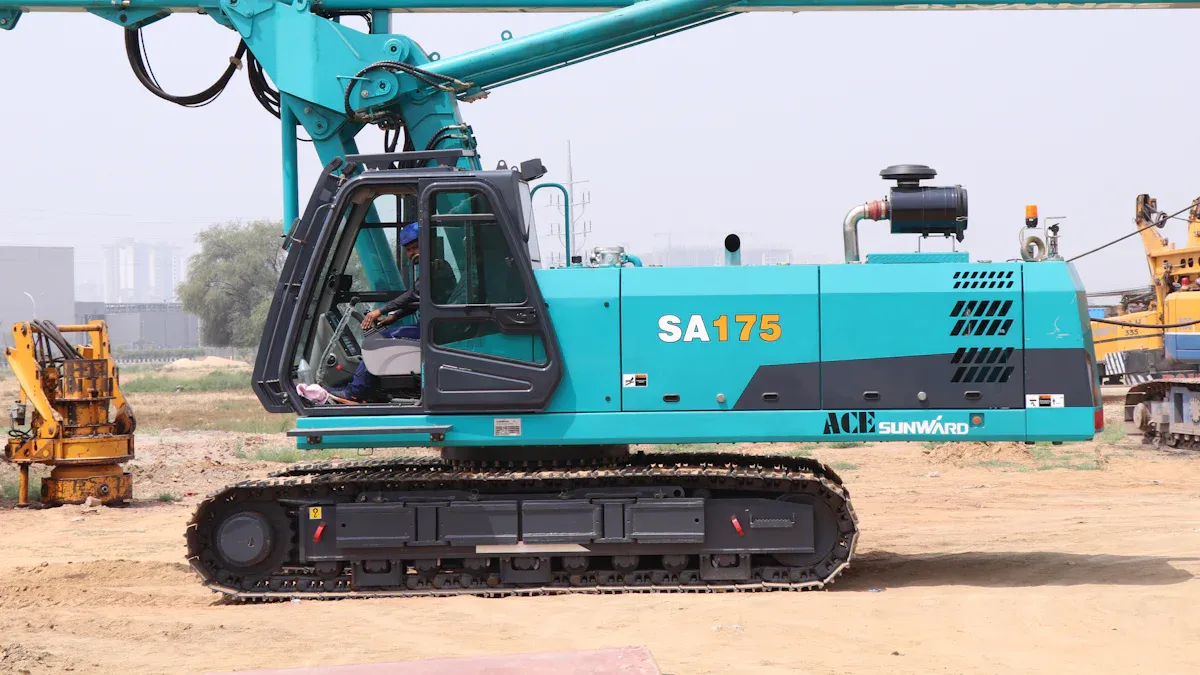
Modern drilling needs strong tools. The right parts on a drilling rig help it work well. These parts help in tough spots. They also help reach deep places. This part talks about important parts. These parts are key for good and safe drilling.
Power and Torque for Deep Penetration
A drilling rig needs much power. This power helps push through hard ground. The engine size is very important. It runs the rotary head. The rotary head spins the drill pipe. High torque is also key. Torque is the twisting force. It helps the drill bit cut rock. For deep wells, more power and torque are needed. This keeps drilling going. It stops the drill from getting stuck. Modern drilling rigs have strong engines. They give steady torque. This helps them drill deep.
Mast and Derrick Strength
The mast and derrick are tall parts. They are on a drilling rig. They hold the drill pipe. They also lift heavy things. Their strength is key for safety. It is also key for good drilling. These parts must hold big forces. This includes the drill string's weight. It also includes wind forces.
The American Petroleum Institute (API) sets rules.
-
Derricks are rated by API. This rating is based on height. It also looks at wind and weight.
-
Making them follows API 4F or ISO rules.
-
API Spec 4E covers steel derricks. It includes portable masts. It also covers substructures. It details materials. It covers loading conditions. It covers safe stress for jobs. This includes deep drilling. It includes bad weather.
-
API Spec 4F covers steel derricks. It includes portable masts. It includes crown block parts. It also covers substructures. This includes marking. It includes checking. It covers standard ratings. It covers design loads.
Each derrick must have clear marks. These marks help safety. They help proper use.
-
Maker’s name and place.
-
Specification 4F.
-
Serial number.
-
Height in feet.
-
Max static hook load in pounds. This looks at guy lines. It looks at lines to a traveling block.
-
Max wind speed in knots. This looks at guy lines. It looks at pipe racking.
-
The API rule and version used. This is for design and making.
-
Maker’s guying picture (if needed).
-
A warning about less hook load. This is due to speed. It is due to impact. It is due to setback. It is due to wind.
-
Maker’s load picture in mast guides.
-
Chart of max static hook load. This is against wind speed.
-
Mast setup distance. This is for masts with guy lines.
These rules make sure drilling rigs are safe. They are also reliable.
Automated Drill String Management
Handling drill pipe is a big job. It takes time. It takes effort. Auto drill string systems make this easy. They handle the drill pipe by themselves. This makes drilling work better. These systems need fewer people. This is in risky spots. This makes the job safer.
Auto systems give many good things:
|
Category |
Specific Improvement |
|---|---|
|
Efficiency Gains |
|
|
Reduced Drilling Time |
Auto speeds up pipe handling. It also makes drilling settings best. This cuts time to drill wells. It works steadily. It cuts human errors. |
|
Increased Rate of Penetration (ROP) |
Auto systems watch drilling settings. They change them fast. This includes weight on bit. It includes mud flow. This makes drilling faster. It also keeps work safe. |
|
Optimized Resource Utilization |
Auto helps plan tasks better. It cuts wasted time. This is for tools and people. This includes managing drilling supplies. It includes scheduling fixes. |
|
Improved Operational Consistency |
Auto systems do tasks exactly. This makes work more sure. It also cuts wasted time. |
|
Data-Driven Decision Making |
Auto makes much data. This data helps find problems. It helps make future drilling better. This includes data on tools. It includes well conditions. |
|
Reduced Fuel Consumption |
Better drilling settings mean less engine run time. This saves fuel. It also lowers costs. |
|
Safety Improvements |
|
|
Minimized Human Exposure to Hazards |
Auto keeps people from danger. This includes pipe handling. It lowers injury risk. This is from moving parts. It is from falling things. |
|
Reduced Manual Labor |
Hard tasks, like moving pipe, are now auto. This lowers injury risk. It lowers worker tiredness. |
|
Enhanced Situational Awareness |
Auto systems watch drilling conditions. They warn workers of dangers. This helps stop accidents. |
|
Improved Equipment Reliability |
Auto systems can guess when tools might break. This helps fix problems. This is before big failures. It stops safety risks. |
|
Consistent Application of Safety Protocols |
Auto systems can make safety rules happen. They make sure steps are followed. They stop work if conditions are not safe. |
|
Reduced Human Error |
Auto cuts mistakes by people. These mistakes cause accidents. This includes bad choices. It includes wrong math. |
|
Faster Emergency Response |
Auto systems find problems faster. This allows quick action. It helps stop well control issues. |
|
Better Training and Simulation |
Data from auto systems helps make real training. This gets crews ready. This is for different spots. It is for emergencies safely. |
These systems make drilling much faster. They also make it safer. They are key for modern drilling rigs.
Advanced Mud Systems and Circulation
Drilling mud is very important. It cools the drill bit. It carries rock pieces out of the hole. Good mud systems are key for deep drilling. They make sure mud flows right. They keep the right pressure. This stops problems like "frac-out." Frac-out happens when mud pressure cracks rock. This can lose mud. It can also harm the well.
Big mud systems give enough fluid. They keep the bore steady. Good solids control is also key. This takes rock pieces from the mud. Clean mud works better. It also protects drilling tools. These systems are vital for modern drilling. They are key for rotary drilling rigs. They help keep the bore strong. This makes drilling smooth and good.
Moving on Tough Ground: Easy to Move and Change
Drilling in hard places needs special tools. The right drilling rigs help workers get to far-off spots. They also help work safely on bumpy ground. Different types of drilling rigs have special good points.
Track vs. Truck-Mounted Rigs
Picking between track-mounted and truck-mounted drilling rigs is key. Each type works best in certain cases.
|
Feature |
Crawler-Type |
Truck-Mounted |
|---|---|---|
|
Mobility on Road |
⭐⭐ |
⭐⭐⭐⭐⭐ |
|
Off-Road Performance |
⭐⭐⭐⭐⭐ |
⭐⭐ |
|
Suitable Depth Range |
100m–800m |
200m–1000m |
|
Cost |
Medium |
High |
|
Setup Speed |
Medium |
Fast |

Truck-mounted drilling rigs move fast. They go between job sites. They are good for city work. But, they struggle on rough terrain. They also take longer to set up. Track-mounted drilling rigs climb well. They are better for tough terrain. This includes mountains or farms. They are steady for deep drilling. They can carry heavier machines. This means deeper, bigger wells. A track-mounted rig is not as good for quick moves. This is between far sites.
Small Size and Easy Movement
A small size helps drilling in tight spots. Many job sites have little room. A compact rig moves easily. It fits into small areas. This makes drilling possible in crowded places.
Leveling and Steady Systems
Bumpy ground is normal. Special systems help level the rig. They keep it steady while drilling. This makes it safe. It also makes drilling more exact.
Remote Control and Telematics
Remote control makes things safer. It keeps workers from danger. Telematics helps watch the drilling work.
-
It stops accidents. This is true for moving trucks. Better seeing helps.
-
It makes work better. It helps with paths. It cuts wasted time. It moves loads best.
-
It makes vehicle care better. It tracks wear. It ensures fixes are on time. It checks rules.
There are no clear limits for telematics in drilling. These systems help run autonomous crawlers. They make drilling safer and work better.
New Tech for Picking the Right Drilling Rig
Modern drilling has many hard parts. New technology helps fix these. These new things change what drilling rigs can do. They solve common problems. This part looks at key tech improvements. These are important for choosing the right drilling rig. They make drilling safer. They also make it work better.
Auto and AI for Exact Work
Auto and AI are changing drilling. They make things very exact. AI uses machine learning. It looks at drilling facts. This makes old auto-drillers work on their own. Engineers get old facts. This helps them get the same good results.
-
AI Cloud Platform: This system uses AI. It uses machine learning. It looks at drilling facts. It makes old auto-drillers work on their own. Engineers use old facts for better results.
-
AI Motors: Software in AI Cloud runs mud motors. They make motors work better.
-
AI Alerts: This finds dangers early. It sees crash risks. It also finds washouts. It finds motor stops. This makes work safer. It makes it work better.
-
AI Assistants: These apps help with turning. They help with sliding. They help with exact drilling work.
-
AI Spaces: This computer program helps plan directions. It helps with reports. It checks twist and drag. It models water flow. It uses physics models. These models use old well facts. They guess the best paths for new wells. They show 3D views of plans. They show target lines.
-
Automated Collision Risk Detection: The system finds crash risks. It finds them with old wells. This used to take much work. Now, it finishes fast. This saves time. It makes things safer.
AI systems run drilling on their own. They fix problems. This includes stuck pipe. It includes too much shaking. They make managed-pressure drilling better. They clean holes better. They do this by looking at site records. They also use other facts. They use survey facts. They use ground facts. Smart systems use AI. They look at sensor facts. These are from downhole systems. This flags problems fast. It helps control work settings better. It also makes things go faster. AI helps guide the drill bit exactly. This is key for correct well paths. AI makes choices for direction drilling. This makes it smoother. It makes it more exact. AI also helps with planned fixes. This makes tools last longer. It stops them from breaking.
AI helps use facts right away. It also makes drilling better. AI gets raw facts. It gets them from many places. It makes these facts standard. It makes them match. It puts them into one digital system. This makes one good source of facts. It allows quick teamwork. It allows quick checks. AI dashboards watch drilling progress. They flag problems. They guess and stop risks. These risks include tool breaks. They include well problems. This happens right away. It cuts wasted time. Auto drilling systems make AI reach further. They do more than just check. They put ideas into action. Smart drilling rigs change settings on their own. These settings include twist. They include mud pressure. They include bit direction. They use sensor inputs. They use learned clues. This makes things faster. It cuts risks of downhole problems. Planned fixes use AI apps. These apps learn from sensor facts. They guess tool wear. They signal fix needs. This is days or weeks early. This makes machines last longer. It keeps drilling rigs working longer. This happens by fixing things only when needed. Safety also gets better with AI. AI systems give early warnings. They warn of unsafe spots. They watch many facts. These include heat. They include pressure. They include bad gases. This lets teams act. They act before bad things happen. It leads to fewer work accidents.
Better Sensors for Stopping Bore Swings
Better sensor technology is very important. It stops bore swings. It makes drilling more exact. Halliburton put smart sensors in. These sensors are in its iCruise® system. They are also in the LOGIX® drilling system. This made a base for learning models. These models aim to make paths best. They cut twists. They stay close to the planned path. They meet strict goals. The system gives real-time path design. It guesses future spots. It meets tough goals. This fact-based way cuts doubt. It lets drilling teams set up plans. This is for best results. This made things work better. It also made drilling paths more exact. The speed of going down went up by 33%. This was compared to old ways. The auto drilling system showed it was steady. Planned and real paths matched. This made smoother holes. It cut time and work. Casing and liner speed got better by 15-45%. This cut path swings. It made steering better. It also cut twists.
Interface sensor tech gives facts right away. They watch things. These include twist. They include push. They include pressure. This lets workers change things. They make things work best. They cut risks in tough ground. They also help in changing spots. Tunnel Boring Machines (TBMs) use these sensors. They make smooth tunnels. They have very little swing. This means less wall work is needed. Load cells, twist sensors, and multi-axis sensors give facts. These facts are for machine control. They are for auto work. They help control bucket filling. They also help with TBM direction. Load cells and twist sensors watch drilling rig push and twist. This is key for good drilling work. It also stops damage to the drill string. Interface load cells in TBMs measure forces. They measure them during digging. Twist sensors measure turning forces. They measure them on tools. This makes sure tools work right. Multi-axis sensors get facts. They get them in X, Y, and Z ways. This builds deeper views of work. It is good for auto work. It is good for building uses. Load pins and load links are used in boring. They help with safety. They help with too much load.
Anti-Stall Power and Overload Guard
Stuck pipe is a big problem in drilling. It costs much to fix. It also makes things late. Twist spikes can harm rods. They harm threads. They harm tools. Hard or mixed ground cuts daily work. Anti-stall power and overload guard systems fix these. These systems are key for modern drilling rigs. They stop the drill string from getting stuck. They guard the rig from harm.
CEGC's "Anti-Stall Powertrain & Overload Protection" gives high twist. It has a wide speed range. It uses water pressure sensing. It uses pressure control. It also has slow start and stop. This cuts sudden hits on rods. It cuts hits on swivels. It cuts hits on tools. This means less wear. It also means more steady drilling. This part is key. It is for choosing the right drilling rig. It is for hard spots. It makes sure the rig can handle tough ground. It handles it without breaking.
Hybrid and Electric Power
Hybrid and electric power systems are used more. They offer big good things. They help nature. They help work better. This is for drilling rigs. These systems cut bad air. They also cut running costs.
-
A closed-bus setup on DP rigs can cut CO2 by 4,800 tons a year. It also cuts engine running by 20%.
-
A hybrid system with batteries can cut diesel use. It cuts it by 2,500 cubic meters a year. It cuts CO2 by 6,800 tons a year.
-
Bad gas and NOx cuts can be up to 100%. This depends on where power comes from.
These systems offer more ways to make power. They use power control systems. They also make generator loading best. They cut power cuts. This is because power systems are simpler. Fewer generators run. They run at higher, steady loads. This cuts fuel use. Fix costs are lower. This is because engines run best. They run fewer hours. Noise levels also go down. Good drilling work means wells are done faster. They also use less power.
Hybrid and electric power systems cut bad gas. They also cut bad air from other things. This includes VOC, NOx, SOx. It includes other bad air. This is because less diesel is burned. Hybrid systems have shown they can cut bad air. This is for offshore places. They also help DP boats. Wärtsilä's hybrid systems cut fuel use. They cut it by up to 30-40% for some users. A Wärtsilä HY upgrade on a boat let 80% of work happen. It happened with only one engine. It used three before. This made fuel work better. It made it better by up to 40% in that way. Less fuel needed means other savings. These come from moving things. Fewer supply boats are needed. They use less fuel. This cuts their bad air. Down time is less. This is because less time is spent on fueling. Fix costs are less. Engine fix times are longer. This is because engines run steady. They run at best loads. These new ways and technology are making drilling better for the earth.
Making Things Work Best: Tools, Liquid, and Strength for Drilling Rigs
Parts cost a lot. Bad liquid work is a problem. This part shows how to fix this. It talks about tools that last. It also covers good liquid use. These things make drilling better.
Tool Match and Strength
The right tools make drilling good. Different ground needs special tools. Hard rock needs strong edges. Soft ground needs other shapes. Point and helix angles are key. They help the tool cut. Flute designs help remove cut stuff. Coatings like TiSiN make tools last. They stop wear.
Tools must fit the drilling rig's power. A strong rig needs tools for high torque. This stops damage. The tool and rig connection is also key. It must fit well. This moves power smoothly. Modular tools are flexible. They fit different hole sizes. They also fit changing ground. This saves time.
Mud Use and Liquid Control
Drilling mud keeps the hole steady. It stops problems like frac-out. Frac-out is when mud pressure cracks ground. New ways help make the wellbore strong. This is called wellbore strengthening. It uses science and chemicals. Smart software helps guess crack size. It also makes liquid best.
Managing ECD is key. This means keeping mud weight steady. Flat liquid helps with this. They work in different heat. Fine barite stops sag. It makes ECD changes small. New chemicals help water muds work better. They are good for shale. The stress cage also helps. It uses special stuff to make the well area strong. This makes drilling safer.
Modular Rig Designs
Modular rig designs are very flexible. They allow quick changes. Workers can change the rig for jobs. This includes different hole sizes or depths. It also helps with changing ground. This design saves time. It makes the rig more useful.
Key Considerations for Choosing a Drilling Rig: Evaluation and Support
It is important to make good choices. This is for a drilling project. This part gives helpful tips. It helps you check drilling rigs. It also helps you check their makers. These are key things to think about. This is when picking a drilling rig.
Manufacturer Reputation and Support
A good maker builds trust. Their tools must meet rules. This makes work smooth. It also cuts stops. You can check a supplier. Look at online reviews. Read what past clients say. After-sales help is very important. This includes upkeep and fixes. It also includes extra parts. Tech help from trained people is needed. Parts must be ready fast. Some makers offer strong help. Henan Rancheng Machinery is one. They give on-site training. They also have fast global service. This helps cut stops. This saves money over time.
Customization Options for Project Needs
Projects often have special needs. It is key to change drilling rigs. Makers can change power. They can change water systems. This gives more power. This is for tough ground. Drill rod length can change. Its size can change. This fits project needs. Longer rods help with wide rivers. Better control systems can be added. These watch things in real-time. They also control depth by themselves. Safety parts can be added. These include sensors. They include emergency stops. These make workers safer. Special drilling rigs can be built. This is for unique spots. This includes custom rooms. It includes control rooms.
Cost-Benefit Analysis for Rig Investment
Look past the first price. Think about how well it works. Think about how long it will last. A cheaper rig might cost more later. This is due to fixes. It is due to stops. A good rig saves money. It works better. It lasts longer. This makes the money spent worth it.
Case Studies: Successful Rig Deployments
Many projects show what good rigs can do. In the Eagle Ford Play, "one-run" wells did well. They went from 25% to 85% success. This saved much time. It saved much money. They used better drilling settings. They also used better BHA designs. In Brazil's Santos Basin, deep ocean drilling was hard. It was once thought not possible. This was for fields like Lula. These fields are under 2,000 meters of water. They are also under 5,000 meters of salt and rock. Better auto systems helped. Exact building was also key. These steps made deep drilling possible. They made it safer. These examples show the value. This is of picking the right drilling rig. They show how special drilling rigs can win. This is in deep and hard spots.
For deep wells, you need a good rig. The ground can be hard. In 2026, pick a rig with power. It needs to move easily. It also needs good tech. A "well drilling rig smooth design handles distance" is key. This rig has strong parts. It works well for deep jobs. This special rig helps for a long time. Think about the right tools. Also, think about the company that makes it. This is for your money. A "well drilling rig smooth design handles distance" is smart. It is for deep work. This rig helps you win.
FAQ
What makes a well "deep"?
A deep well goes far into the ground. Water wells can be 500 to 2000 feet deep. Oil and gas wells go much deeper. Ultra-deep wells are even further down.
Why is a strong mast important for drilling rigs?
A strong mast holds the drill pipe. It lifts heavy tools. This strength keeps the drilling rig safe. It also helps with good drilling work.
How does AI improve drilling accuracy?
AI uses facts to guide the drill bit. It helps plan paths exactly. This makes sure the well goes where it should. It cuts down on mistakes.


