
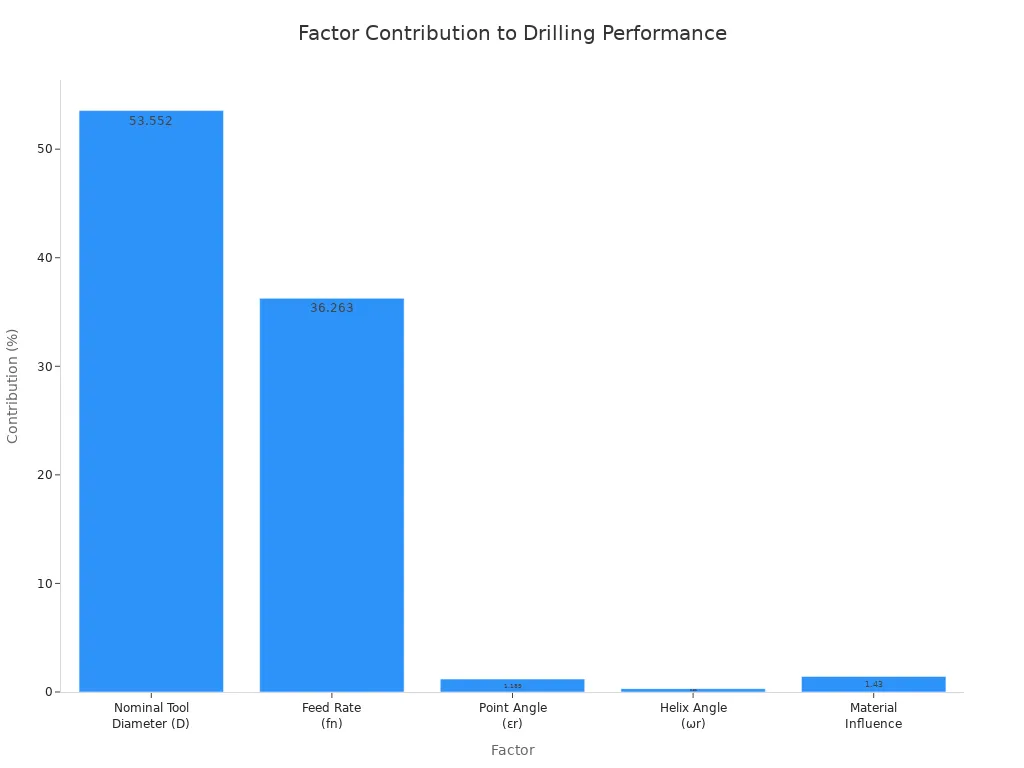
You can improve your drilling results with adjustable torque. If you use a CEGC horizontal directional drilling machine, you get better efficiency. You also get more accuracy and adaptability on every job. Field tests show adjustable torque helps productivity. It also keeps vibrations low. The table below shows how different factors help drilling performance:
|
Factor |
Contribution (%) |
Statistical Significance (p-value) |
|---|---|---|
|
Nominal Tool Diameter (D) |
53.552 |
< 0.000 |
|
Feed Rate (fn) |
36.263 |
< 0.000 |
|
Point Angle (εr) |
1.189 |
< 0.000 |
|
Helix Angle (ωr) |
0.310 |
< 0.000 |
|
Material Influence |
1.430 |
< 0.000 |
|
Cutting Speed (vc) |
N/A |
0.354 |
Horizontal Directional Drilling Adjustable Torque Wins for B2B contractors, utilities, and EPCs. These groups want market-standard specs and custom solutions.
Key Takeaways
-
Adjustable torque makes drilling faster and more correct. It helps stop errors and cuts down on waiting time.
-
Real-time monitoring and adjustable stabilizer systems let you change torque fast. This keeps the borehole path straight, even when the ground is different.
-
Picking the right torque system for each job makes work better. Custom choices help you handle many soil types and drilling problems.
Performance Benefits of Adjustable Torque
Horizontal Directional Drilling Adjustable Torque Wins
You want your projects done fast. You do not want mistakes that cost money. Adjustable torque helps you control each step. With a CEGC horizontal directional drilling machine, you can set torque for the ground. This gives you better drilling and fewer problems. You avoid stuck pipe and bore going off track. Adjustable stabilizer systems keep the drill steady. They work even when the ground changes. Real projects show torque makes a big difference. For example, a Trenchless Drilling Rig with variable torque finished 1,000 house connections in 11 hours. This proves adjustable torque helps you drill faster and have less downtime.
Efficiency and Drilling Performance
Drilling needs to be quick for every job. You want to avoid delays. Adjustable stabilizer technology lets you change torque fast. This keeps drilling strong, even in tough spots. Load-matched control balances thrust, pullback, and rotation. This keeps the drill moving and stops it from getting stuck. Advanced drill pipe designs help torque move better and reduce bending. You get more drilling done each day.
-
Variable torque control works in different soils. You keep drilling without stopping.
-
On-site adjustments with adjustable stabilizer systems make work easy and cut downtime.
-
New drill pipe technology makes drilling faster and keeps your project on track.
Industry benchmarks show top horizontal directional drilling machines can reach 200 feet per hour. This is much faster than old rigs. You can improve drilling by picking the right drill bits and keeping your rig in good shape. Well-trained crews drill up to 20% faster because they make fewer mistakes. Adjustable torque helps you meet or beat these standards.
Precision and Accuracy
You need accuracy for every drilling job. If you miss the target, you may have to redo work and pay penalties. Adjustable stabilizer systems give you more control over the drill path. You can change torque a little and keep the bore straight. This matters for road, river, or utility crossings. Engineers used adjustable stabilizer tools to cut torque spikes and wall resistance. This made drilling more accurate and cut construction time by over 50%.
-
Adjustable stabilizer systems let you control torque and direction in real time.
-
Rotary closed-loop drilling systems help keep the drill on the right path.
-
High-efficiency motors and advanced electrification give you better accuracy and save energy.
Tracking systems show you the bore path and depth. You can make quick changes and keep accuracy high. Adjustable torque helps you hit your targets every time.
Tip: Use a CEGC horizontal directional drilling machine with adjustable stabilizer and tracking integration for best performance and accuracy.
Tooling compatibility and mud integration are important too. The main spindle design allows strong mud flow and works with many downhole tools. You can add a mud mixing and recycling system to keep fluid pressure steady and remove cuttings fast. Good filtration protects pumps and valves. Smart flow control cuts waste. These features help you keep drilling strong and avoid tool wear.
Picking the right torque is key for every project. Adjustable stabilizer systems let you fine-tune torque for each job. This gives you the best drilling efficiency, accuracy, and results. Adjustable torque helps you handle any challenge in horizontal directional drilling.
Adaptability and Project Outcomes
Handling Mixed Ground Conditions
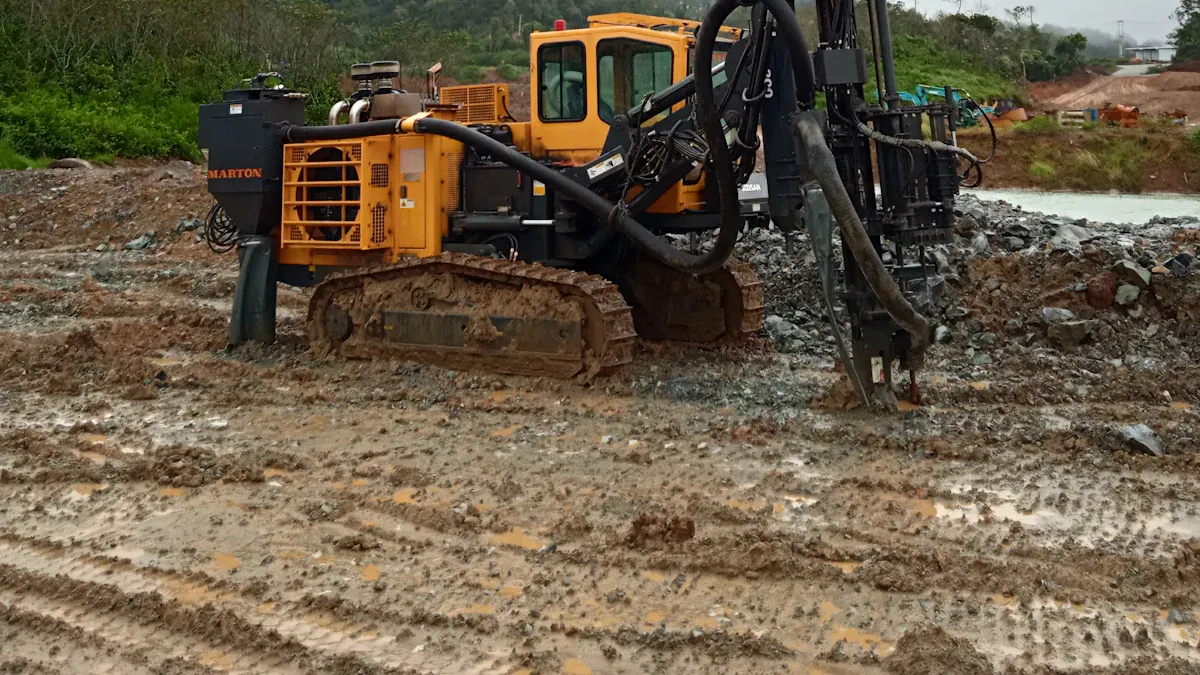
Drilling through different soils and rocks is hard. Every job site is different and brings new problems. You must change torque to keep your borehole path right. Automatic systems help you change torque when the ground changes. This keeps drilling steady and the path straight. Real-time monitoring shows you when soil or rock changes. You can then change torque and thrust to keep the borehole straight. Predictive analysis helps you see changes early. This lets you fix problems before they get worse.
-
You can change torque for each kind of soil.
-
Watching the borehole path helps you drill better.
-
Using data helps you make good choices and stay safe.
Custom Torque System Selection
You need to pick the best torque system for your job. Think about the soil, the borehole path, and how long the bore is. Look at thrust, pullback force, and mud pump size. Make sure your drill rods fit your job and keep the path smooth. Custom options let you set torque and thrust for each project. CEGC gives rigs with standard specs and custom choices. You can pick the best rod system and control package for your plan.
Drilling Performance Challenges
You will have problems as you drill and try to keep the borehole path right. The table below lists common problems and how adjustable torque helps:
|
Challenge |
Solution |
|---|---|
|
Drill string failures |
Better sensors and modeling keep your path safe |
|
Mud circulation problems |
Better drilling fluid keeps your borehole path stable |
|
Torque management issues |
Automated systems help you control torque and path |
When you choose an adjustable torque system, think about torque and drag. Too much can slow drilling and change the borehole path. Pick the right drilling fluid for your ground. Oil-based mud often works best. Watch out for coal, salt, or shale, as these can change your borehole path. Custom rigs can save money and help you drill better. Modular designs let you change torque and thrust for each borehole path. This helps you finish jobs faster and get better results.
Adjustable torque helps you drill better and more accurately. You can change how you drill when the ground changes. This lowers risks and problems. CEGC’s horizontal directional drilling machines have standard specs and custom options. You get smoother installs and less mess to clean up. Your projects turn out better. Pick CEGC for results you can trust and for practices that help the environment.
-
HDD lets you work fast and efficiently.
-
You drill exactly where you need and manage projects easily.
FAQ
What is adjustable torque in horizontal directional drilling?
Adjustable torque means you can change how much force the drill uses. This helps you use the right power for the ground. It also keeps drilling safe.
How does CEGC customize horizontal directional drilling machines?
You choose the torque, thrust, rod system, and controls. CEGC makes your Trenchless Drilling Rig to match your project.
Why should you use adjustable torque for mixed ground conditions?
|
Benefit |
Result |
|---|---|
|
More control |
Fewer bore mistakes |
|
Quick changes |
Less waiting time |


