
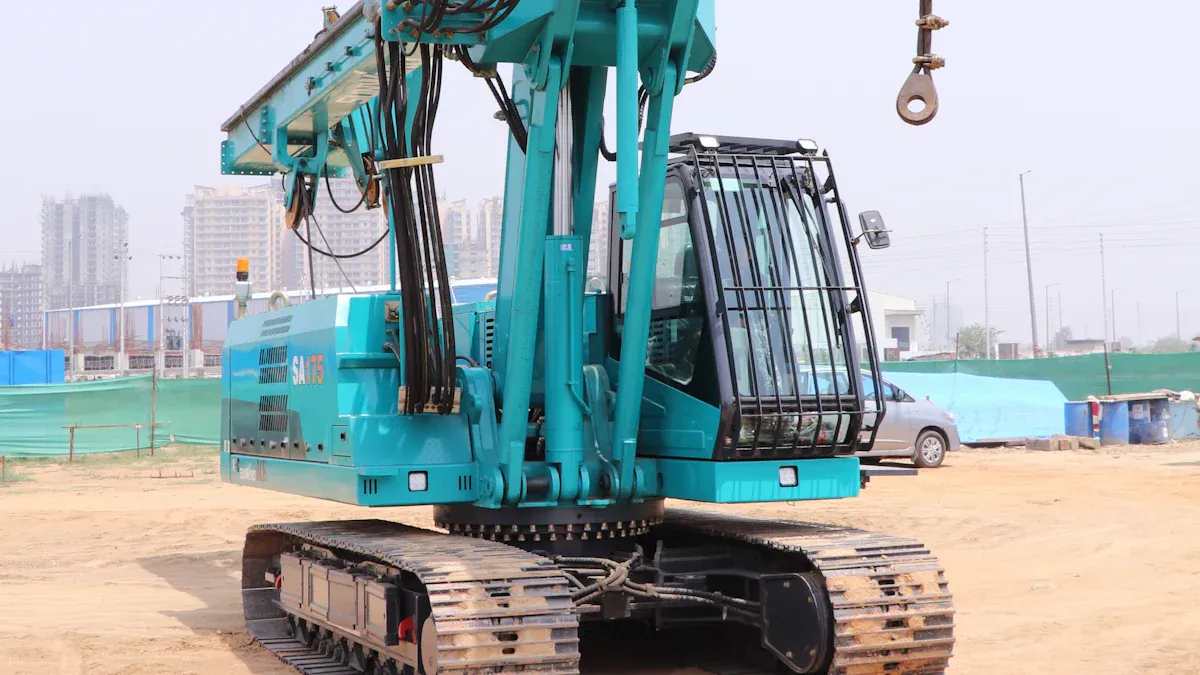
Horizontal Directional Drilling Steady Circulation Wins. Drilling fluid is very important. It helps with horizontal drilling. This fluid makes the hole strong. It takes out dirt. It also makes tools slide easily. Keeping the fluid moving steadily stops problems. It prevents cracks. It stops pipes from getting stuck. You win with steady fluid. This happens with good fluid care. CEGC understands this fluid. It makes projects work well. Keep fluid steady for good outcomes.
Key Takeaways
-
Plan how you will handle drilling fluid. This stops problems. It prevents bad fluid work. It stops frac-out dangers.
-
Mix drilling fluids right. Watch them as you drill. This keeps fluid moving. It stops normal problems.
-
Look at fluid traits. Check density, thickness, and pH. Change them for the ground. Change them for drilling. This keeps the hole steady.
You must plan your drilling fluid management carefully. This first step stops many problems. It helps you avoid issues. These include poor fluid performance. It also stops frac-out risks. Knowing the ground you drill through is key. This helps you pick the right drilling fluid. It also helps you choose the correct amount of additives. Exact fluid volume math is also vital. It makes sure fluid keeps moving. This stops not enough flow. Not enough flow can make torque higher. It can also make the pipe get stuck. It also stops too much fluid. Too much fluid risks a frac-out. Remember, the drilling fluid cools down heat from rubbing. It also makes the drill bit slide easily. This protects your tools. It keeps the bore path strong. This helps you get the right minimum curvature radius.
Achieving Steady Drilling Fluid Circulation: Mixing and Real-Time Management
You have planned your drilling fluid strategy. Now you will put it into action. This means mixing your drilling fluids right. You also manage them as you drill. Doing this well keeps the fluid flowing. It stops many common problems. These problems happen during horizontal directional drilling (HDD) installation.
Best Practices for Drilling Fluid Mixing and Water Quality
First, you get your water ready. Good water makes your drilling fluid work better. For water-based drilling fluids with bentonite, the pH should be 9 to 10. This pH helps the mud flow well. It also helps it filter well. This makes drilling operations better. It also makes work safer. Studies show this pH range is best. It gives better filtering and mud flow. This is better than higher pH levels.
Next, you mix your drilling fluid additives. You mix them in the right order. This makes each additive work well. You get the right fluid for your borehole.
-
PAC and Xanthan Gum Polymers: Add these first. They stop small bits from sticking. They also help the fluid flow. This helps carry dirt out of the borehole.
-
Bentonite: Add bentonite next. It makes the fluid's viscosity much thicker. It also helps it flow. Bentonite soaks up a lot of water. It forms a gel. This is key for keeping bits floating. It also keeps the fluid stable.
-
Barite: Put in barite after bentonite. It makes the fluid heavier. It increases the fluid density. This helps with high pressure. It also keeps borehole walls strong. It lowers the risk of collapse.
-
Sodium Hydroxide: Add sodium hydroxide last. It changes the drilling fluid's pH. This makes polymers work best. It also stops them from breaking down. It keeps solid bits stable. This makes the fluid stable and works well.
CEGC's "Mud Integration & Fluid Management Solution" helps you. It guides you on pump size. It also helps with flow paths. It helps with filtering readiness. These steps stop accidental fluid returns. They also stop frac-out risks.
Monitoring and Adjusting Fluid Properties During Operation
You must watch your drilling fluid properties. Do this all the time during installation. This helps you control pressure deep down. It also keeps the borehole stable. It makes sure dirt stays floating. Knowing drilling fluid properties is key. It makes drilling operations work well. Measuring them tells you how the mud is doing. Watching these properties is very important. Do this during any drilling operations, like HDD. It stops problems. These include broken tools. It also stops well control issues.
You should watch several key fluid properties:
-
Density (mud weight): You measure this. It tells you the mud's pressure.
-
Viscosity: This shows how thick the drilling fluid is. You measure it with a marsh funnel. You also use a viscometer.
-
Plastic Viscosity and Yield Point: These show friction. It is between solids and liquid. They also show forces. These are between active bentonite particles.
-
Gel Strength: This is important. It shows how mud acts when still.
-
Filtration: You check the liquid. It goes into the ground. You also check the cake left on it.
-
Sand Content: This is key. It stops tool damage. It also stops borehole clogs.
-
Solids, Oil, and Water Content: This helps you watch mud performance. It makes sure drilling operations work best.
You change the viscosity, density, and pH. Do this for the drilling fluid carefully. You base these changes on soil. You also base them on drilling settings. For example, in sandy ground, you might need thicker fluid. This stops the borehole from falling in. In clay ground, a fluid with right chemicals helps. It lowers friction. It also helps the drill steer better.
You use different ways and tools. These measure drilling fluid properties. They do this in real-time.
-
Real-time Sensor Technology: Absmart made sensors. They measure concentration in real-time.
-
Sensor Placement: You put sensors in the mud tank. You also put them along the flowline.
-
Specific Sensors and Measurements:
-
TPA sensor (triple probe array): Measures density. It is at the mud pump suction.
-
SiCon sensor (simultaneous concentration): Measures percentages. It checks oil, water, LGS, and HGS. It is at the mud pump suction.
-
PBD sensor (possum belly density): Measures density. It is at the flowline.
-
AFH sensor (annular flow height): Measures mud density. It is in the shaker effluent tank.
-
-
Traditional Methods: You can also use old ways. These are mud balance and retort tests. They check solids content.
An HDD expert should test drilling fluid often. They do measurements. These include funnel viscosity, unit weight, sand content. They also check gel strength and shear stress. They use a viscometer. It finds apparent viscosity, plastic viscosity, and yield point.
Troubleshooting Circulation Challenges for Horizontal Directional Drilling
You might have problems. These include lost circulation. Or you might have unwanted returns. Lost circulation can happen. It is from cracks in the ground. It can be from porous ground. Or it can be from drilling. It can also be from wrong drilling. It can be from holes underground. It can be from blocked tools. It can be from too much soil. Or it can be from weathered rock. Unwanted returns often happen. Lost circulation makes paths underground. Fluid then comes to the surface. Many things cause lost circulation. They also cause unwanted returns.
You must stop frac-outs. Do this during HDD installation. Entry and exit angles can be too low. This can cause fracking. Hard and dense ground may need higher angles. This is for the right curve. Soft and loose ground allows lower angles. This is because there is less resistance. But very low angles in soft ground can cause frac-outs.
To stop drilling fluid loss, watch it closely. Adjust drilling fluid properties. This stops frac-outs. In porous or cracked ground, use LCMs. These seal and strengthen the borehole. They stop fluid from escaping. When you find unexpected ground, change your drilling plan. Use special tools. Change drilling fluid properties. Or change the bore path. This avoids bad areas. These areas could increase frac-out risk.
If you lose some or all drilling fluid returns, you need plans. These plans restore circulation:
-
Lost Circulation Materials (LCMs): Use solid bits. These are like mica, nutshells, or calcium carbonate. They make strong seals. You usually use them as 'pills'. These are very strong (20-50 lb/bbl). You put them right where the loss is. For bad cases, you can use cement plugs. You can also use bridging agents.
-
Particle Size Distribution (PSD): Bridging agents must follow the 1/3 rule. The middle particle size should be at least one-third. This is of the hole or crack opening. This makes sure they bridge well.
-
Resilient vs. Rigid Bridging Agents: Use flexible types (like graphite). Do this for moving conditions. Use stiff types (like sand). Do this for support.
-
Remedial Treatments: Use special fixes. Do this when first steps fail. These include:
-
Cement Squeezes: Pump thin cement slurries. Do this under pressure. Put them into loss zones. This makes strong seals. It is good for big losses. It is good in permeable ground.
-
Cross-linked Gels: Use polymer systems. These are like polyacrylamide gels. They gel in place. They make barriers that expand. This is for tiny cracks. It is for matrix permeability.
-
Fracturing Methods: Do small, controlled frac jobs. Use fluid with proppant. This makes cracks wider and stronger. Follow this with diverter stages.
-
Nanoparticle-based Treatments: Use very tiny particles. These are like silica or graphene. They seal deep down. This is for tough places.
-
-
Standard Remedial Procedures: First, kill the well. Put the treatment fluid. Do this across the loss area. Watch for returns. Using many steps also works. This means pills with pressure tests.
Good fluid care is very important. It helps with horizontal drilling. It makes sure fluid flows well. You plan your fluid. You mix it. You watch it closely. This stops expensive problems. It makes the hole better. It makes your machine last longer. This way of drilling is good for nature. You win with steady fluid flow. Every hole gets better. This is how you win.
FAQ
❓ Why is drilling fluid so important for HDD projects?
Drilling fluid keeps the hole steady. It takes out dirt. It makes tools slide easily. This stops problems. It makes your project work well.
⚠️ How can you prevent frac-outs during drilling?
Plan carefully. Watch fluid properties closely. Change your drilling fluid when needed. Use LCMs in ground with holes.
🧪 What fluid properties should you monitor during drilling?
Watch density, viscosity, and pH. Also check plastic viscosity. Check yield point and gel strength. These keep the hole steady.


