
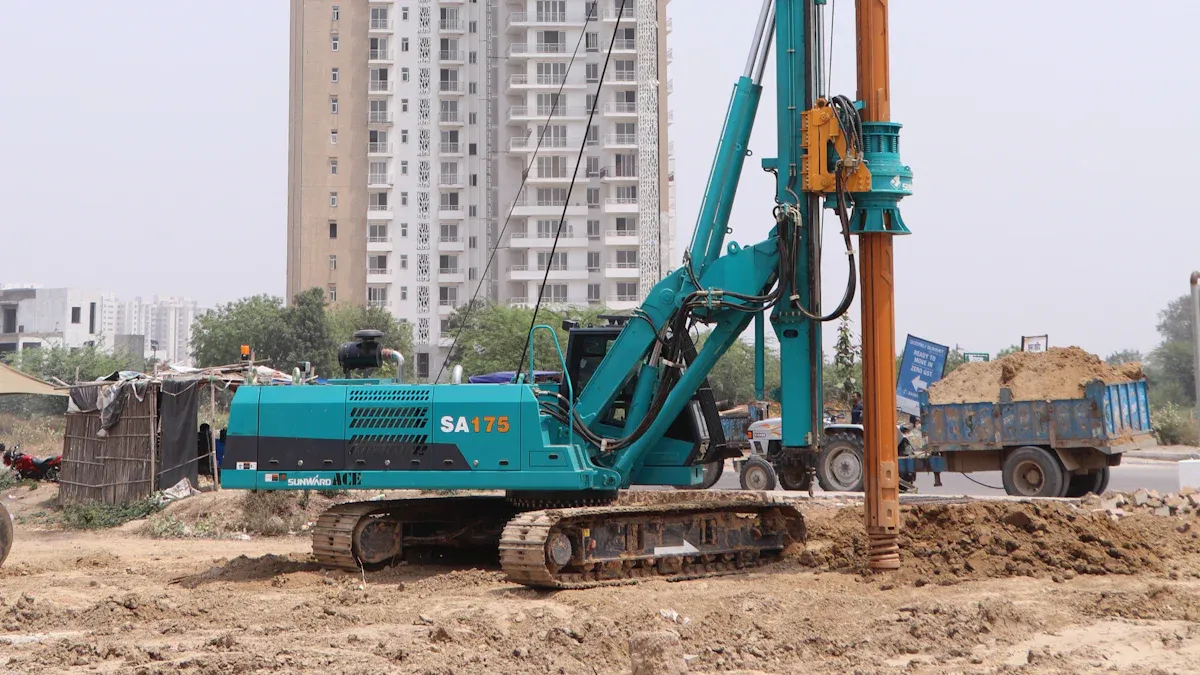
The Horizontal Directional Drilling Rig Anti Stick System prevents pipes from getting stuck during horizontal directional drilling (HDD). This specialized system ensures efficient drilling for underground pipelines. The HDD market, valued at $8.1 billion in 2023, demands high-performance drilling machines. CEGC's drilling rig incorporates this system, leading to significant cost savings. You will discover its operational principles and components, enhancing your drilling capabilities for your next project.
Key Takeaways
-
A Horizontal Directional Drilling Rig Anti Stick System keeps drill pipes from getting stuck. This saves time. It also saves money on drilling jobs.
-
This system uses smart tech and sensors. It watches how drilling is going. It changes power as needed. This helps the drill move well.
-
An anti-stick system makes drilling quicker and safer. It also makes your tools last longer. This makes projects cost less money.
Stuck Pipe Challenges in Horizontal Directional Drilling

Common Causes of Sticking During Drilling
You face many challenges. This happens during any drilling project. A big problem is when your drill pipe gets stuck. Many things can cause this. Too many cuttings often cause pack-off. Debris builds up around the drill string. This stops the pipe from moving. Bridging also happens. Cuttings block the wellbore. Bad hole cleaning makes this worse. Shale swelling is another problem. Shales grow when they touch water. This squeezes the pipe. The wellbore can collapse. This can trap your drill string. This happens in weak ground.
You might also find a small hole. This happens when the hole is too narrow. Bit wear often causes this. Your new drill bit can get stuck. Soft formations, like salt, change shape. They can trap your drill string. Pressure differences also cause sticking. The drill string pushes against a soft rock. This happens with high pressure. Bad hole cleaning leads to cuttings. This is true in directional bores. Key seating is another risk. Grooves trap the pipe. Wrong drilling settings cause sticking. Too much weight on the bit is one example. These issues stop your drilling process.
Impact on Project Timelines and Costs
A stuck drill string hurts your project. You pay for repairs. You lose valuable time. This slows down your drilling operation. Torque spikes often happen before sticking. They damage your rods. They also damage threads. They damage drilling tools. This means more money for fixes. Hard ground makes work slow. This slows the whole drilling process. You miss deadlines. This happens when your directional drilling rig stops. This hurts your profits. It also hurts your good name.
Why an Anti-Stick System is Essential
You need to stop these problems. An anti-stick system is key. It is for your directional drilling rig. It helps you avoid costly stops. It prevents damage. This system protects your equipment. It works in tough drilling conditions. It makes your directional drill operation smoother. It stops stuck pipe problems. You keep making progress. This keeps your hdd project on time. It also keeps it on budget. An anti-stick system makes your horizontal directional drilling better. It helps you finish your pipeline projects. This technology makes your hdd rig more reliable.
How a Horizontal Directional Drilling Rig Anti Stick System Works
You know drilling is hard. An anti-stick system stops your drill string from getting stuck. This system uses smart tech. It keeps drilling process smooth. It saves your equipment. This keeps your horizontal directional drilling projects on track.
Core Principles of Anti-Stick Technology
This tech uses smart math. It helps manage stick-slip. One way is RLS identification. This system learns about drilling conditions. It finds open-loop plant parameters. This happens in real-time. This info helps controllers. These controllers use live data. This method reduces stick-slip. It changes settings as you drill.
For rotary steerable directional drilling, you use a special design. This design finds things online. It has a stick/slip algorithm. Top-drive servo control also helps. These parts manage the drill bit's speed. This makes operation smooth. Anti-stick tech can also use a helical model. This model shows how parts move. It finds equations for motion. This helps make tools. These tools reduce stick-slip. They keep torque steady. This makes your rig work well.
Key Components of the Anti-Stick System
A modern anti-stick drilling system has key parts. You find a main control unit. For example, a National Instruments controller runs it. This unit handles all data. It makes fast choices.
You also use many sensors. These sensors give live info.
-
A load cell measures force. It acts like a hookload sensor.
-
A linear sensor tracks block position.
-
A rotary encoder measures drill bit RPM.
-
ROP sensors show drilling speed.
-
Other sensors find stick/slip shakes. These shakes mean trouble.
These components work together. They show you the drilling area. This helps the system react fast. It stops your drill from sticking.
Integration with the Horizontal Directional Drilling Rig's Power System
The anti-stick system connects to your horizontal directional drilling rig's power. This power is key. It runs all drilling parts. The anti-stick system uses an anti-stall powertrain. This powertrain gives high torque. It also has a wide RPM range. This means your rig can work in different grounds.
You get hydraulic load sensing. This system watches the drill load. It also manages pressure. These parts work together. They stop your directional drilling rig from stalling. The system controls speed changes. This reduces shocks on rods. It also protects swivels and tools. This power control makes hdd equipment last longer. It makes your drilling more even.
Advanced Features for Overload Protection
Your directional drilling rig needs safety. Advanced anti-stick systems have strong overload protection. These parts keep your rig safe. You get gearbox torque monitoring. This system limits torque. It saves your gearbox from too much load.
Dynamic torque-limiting is another part. This protects your pumping unit. It limits torque as it works. This stops too much stress. A starting torque manager is also key. It stops power surges. It makes starting smoother. This makes your whole drilling system last longer. It lowers stress during startup. These parts make your hdd rig safe. They protect your drill equipment.
Benefits of an Anti-Stick System for Your Directional Drilling Rig
Enhanced Operational Efficiency and Productivity
You will drill more each day. An anti-stick system keeps drilling smooth. It stops the drill string from getting stuck. Your directional drilling rig works without stopping. You make steady progress. Your hdd projects stay on time. This system helps you finish more meters daily. Your work becomes much better.
Reduced Downtime and Maintenance
Stuck pipe costs time and money. An anti-stick drilling system stops these problems. You avoid costly fixes. Your rig has less stress. This means fewer repairs. You spend less time on upkeep. Your rig keeps working for you. This saves money and keeps projects moving.
Improved Safety and Equipment Longevity
Your rig and crew are safer. An anti-stick system helps. Shaking can cause sudden stops. Your drill bit can spin unevenly. This happens even at a steady speed. Bit type and hole angle play a part. An anti-stick drilling system helps stop these issues. It makes parts work better. This gives smoother torque. You can change drilling settings. This lowers stress on your drill string. Special downhole drilling tools also help. These parts include dampers. They stop stick-slip. This protects your directional drilling rig. It makes your drilling safer. Your rig and drilling tools last longer.
Cost Savings in Consumables and Tool Wear
You will save money on drilling parts. Torque spikes hurt rods and threads. They also wear out your drilling tools. An anti-stick system gives smoother torque. This reduces shocks on your drill rods. It protects swivels and other directional equipment. Your drill bits and reamers last longer. This means fewer new parts. You spend less on parts for your hdd rig. Your total project costs decrease.
You now know about the horizontal directional drilling rig anti stick system. It fixes common drilling problems. Anti-sticking agents cover the drill string. This stops things from sticking. It also lessens plugging. You avoid delays in your drilling operation. This system makes your directional drill operation trustworthy and safe. It increases money made from your horizontal directional drilling projects. New tech, like CEGC's solutions, will change trenchless drilling. This makes every drilling job better.
FAQ
What is an anti-stick system for HDD?
An anti-stick system helps your directional drilling rig avoid stuck pipes. It uses smart technology to keep your drill string moving smoothly. This prevents costly delays.
How does the system prevent your drill from sticking?
It monitors drilling conditions in real-time. The system adjusts power and torque. This reduces shock loads. It keeps your drill bit from getting stuck in tough ground.
What are the main benefits of using this system?
You get better daily output. You also reduce damage to your drilling tools. This system saves you money on repairs. It makes your horizontal directional drilling projects more efficient.


