
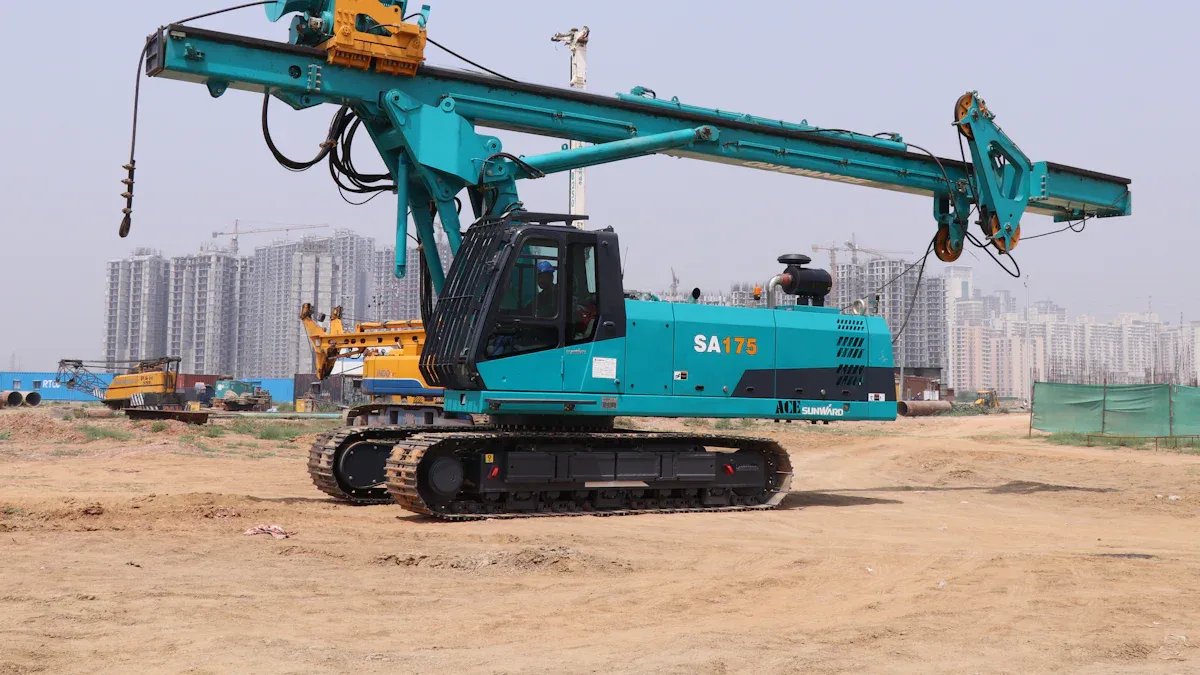
HDD equipment jams can slow down projects. They also make them cost more. Sticky ground causes these jams. Soil, fluid, and tools create problems. This blog helps you understand jams. It shows how to stop them. It also tells you how to fix them. This will make drilling smoother. It will also make drilling better. Our HDD equipment jam free tech handles sticky ground. CEGC technology makes drilling better. Good tools and new drilling tech are key. They help you drill your best.
Key Takeaways
-
Sticky ground can cause jams. Bad drilling fluid can too. Wrong tools also cause jams. Operator mistakes cause them.
-
Know your soil well. Use the right drilling fluid. Pick good tools. Plan your pilot bore carefully. This prevents jams.
-
If a jam occurs, stop drilling. Try to go backward. Change your drilling fluid. Or switch tools. Sometimes, you must pull out. Then, you re-plan.
Understanding Sticky Ground: Why Jams Occur
Soil Composition: Clay and Silt Adhesion
Sticky ground causes problems. It makes hdd drilling hard. Clay and silt are big reasons. Some clay minerals make soil sticky. Montmorillonite is one. It makes soil eight times stickier. This is more than kaolinite. Its tiny parts cause clogs. They also jam hdd equipment. These 'active minerals' make things sticky. The soil's makeup matters. The amount of clay also matters. You need to know soil types. This helps drilling performance.
Drilling Fluid Dynamics: Mud as an Obstacle
Your drilling fluid is important. Bad fluid flow causes problems. Mud can build up. This happens in sticky clay. You must watch the fluid. Adjust its flow often. This stops water from soaking in. It protects sensitive ground. The fluid helps hold the bore. It makes a thin filter cake. It also keeps pressure steady. This filter cake is key. It uses bentonite fluids. It applies needed pressure. This fights ground stress. It stops bore collapse. It also stops fluid loss. Drilling fluids are special. They are thin when moving fast. They are thick when moving slow. This helps carry cuttings. It stops them from settling. This prevents stuck drills. This technology makes drilling operations smooth.
Tooling & Borehole Design: Creating Obstacles
Your tools matter. Borehole design matters too. They affect how well you drill. Wrong drilling tools cause problems. They do not work for the ground. For example, pdc bits are bad. They are bad for sticky clays. They do not remove cuttings well. They also cause more rubbing. A bad borehole design causes jams. Sharp turns cause jams. Small holes cause jams. Pick tools that fit the ground. This makes drilling good. It stops hdd equipment problems.
Operator Error: Human Factors in Jams
Operators make choices. These choices affect drilling operations. Even with good technology, jams happen. Even with good tools, jams happen. People can cause jams. Drilling too fast causes jams. Not watching torque causes jams. Not watching thrust causes jams. You must know the ground. Change your drilling style. Good training helps performance. It stops hdd equipment jams.
Pre-Drill Strategies for Jam Prevention
You can stop many hdd equipment jams. Do this before you start drilling. Good plans help. Smart equipment choices help. They make hdd equipment jam free tech handles sticky ground work. You will drill smoother. You will get better results.
Comprehensive Geotechnical Analysis: Knowing Your Ground
You must know the ground. It is under your feet. A full soil check is your first step. This check tells you about soil types. It tells you about water in the soil. It also tells you about things in the way. You find places with much clay. You find places with much silt. These spots get sticky easily. Knowing your ground helps you. You can guess problems. Then you can change your drilling plan. This early action helps your drilling performance. It lowers the chance of hdd equipment getting stuck. You make smart choices. These choices are about your drilling plan.
Optimizing Drilling Fluid Mixes for Sticky Soils
Your drilling fluid is key. It helps in sticky ground. You need to make your mud mix best. Do this for certain soil types. For sticky clays, use a fluid that slides well. It stops clay from sticking to your tools. You also need a fluid. It must carry cuttings out of the hole. Additives can make mud more slippery. They can wrap up clay bits. This stops them from swelling. It stops them from sticking. You get a more stable hole. You also get less rubbing. This technology helps keep drilling operations steady. It is a main part of drilling solutions. It helps in tough places. You make drilling work well. You have less stopped time.
Selecting the Right Tooling and Reamers for Your Trenchless Drilling Rig
Picking the right drilling tools is key. It stops jams. Your trenchless drilling rig needs tools. They must be for sticky soils. Do not use pdc bits. Not in very sticky ground. They can clog fast. Instead, use special reamers. The Sabertooth Combination Drill Reamer works well. It works in sticky, sandy, or rocky ground. Its tall shark teeth help. Its tapered part helps. They mix and pump material well. This makes it good for tough soils. Like shale, where clay is common.
Paddle Reamers are also great. They have little surface area. This is on their cutters. This design stops sticky soils from clumping. It stops clay from clumping. Turbo reamers also mix well. They work in clay. They work in other loose soils. They cut and pack the ground. For first pilot holes, use certain bits. Use them in very sticky soils. The Full Face Hole Opener has a non-stick inside. This stops bits from clogging. Fishtail or Beaver Tail Bits are good. They are for soft soils. Like clay and loam. Their strong design moves material well. Blade Bits (Paddle or Spade Bits) are good. They are for soft to medium soils. Their wide surface helps with steering. Paddle reamers also work. They work for sticky clays. Their open design stops clogging. You pick drilling tools. They must match the ground. This new drilling technology helps. It makes things work better. You buy new technology. It is for your drilling equipment. This gives you better drilling solutions. It gives jam-free drilling.
Pilot Bore Planning: Path and Pitch Considerations for Horizontal Drilling
Plan your pilot bore path carefully. This is very important. Do not make sharp turns. Do not make steep changes. Not in sticky ground. These can make cuttings pile up. This makes jams more likely. A smoother path helps. It helps fluid move better. It also helps remove cuttings. Think about the ground. Do this when you plan your horizontal drilling path. Try to keep the pitch steady. This lowers stress on your hdd tools. It lowers stress on drilling rods. You get the best horizontal drilling results. This careful planning is a main part. It helps hdd equipment jam free tech handles sticky ground work.
Real-Time Troubleshooting for Jammed HDD Equipment
Even with good plans, ground can cause problems. You need to act fast. This is when your HDD drilling equipment gets stuck. Quick action saves time. It also saves money. This part tells you what to do. It helps you fix jams now. It keeps your drilling operations on track.
Recognizing the Signs of an Impending Jam
Watch your horizontal directional drilling rig closely. Early signs can warn you. A jam might be coming. Look for sudden increases in torque. This means drilling tools hit more resistance. You might also see slower cutting. This shows tools are not working well. More thrust pressure is another sign. You push harder, but nothing happens. Your drilling fluid pressure might change. This can mean blockages. More vibrations can also happen. These are all clues. They tell you something is wrong. CEGC's Anti-Stall Powertrain helps. It watches these things. This technology warns you. It tells you about torque spikes. It stops big damage. This is before a full jam. This innovation makes your drilling performance better.
Initial Response: Reversing and Repositioning the Horizontal Directional Drilling Rig
Act fast when you see jam signs. First, stop drilling forward. Then, try to spin backward. Pull the drilling string back a little. This can free tools. It frees them from sticky stuff. Sometimes, spin tools while pulling back. This helps break up the block. It makes space for fluid. You might need to move your horizontal directional drilling rig. Just a little bit. This can change the angle. It helps free the tools. CEGC's Anti-Stall Powertrain is key here. It handles sudden torque spikes. This protects your drilling rods. It protects your tools from harm. This cutting edge technology keeps drilling operations safe. It also keeps your drilling equipment strong. This technology means reliable performance.
Adjusting Drilling Fluid Properties On-the-Fly
Your drilling fluid is a strong tool. It helps free jams. You can change it fast. This helps clear blocks. It also makes drilling tools slippery. For sticky clays, use special stuff. These things make it less sticky. They make it more slippery.
-
ClayThinz: This liquid helps with bit balling. It helps with drill pipe problems. This is in sticky clays.
-
DCS Surfactant: This liquid stops clay from sticking. It makes drilling fluid more slippery. It also lowers torque.
-
TorqBreaker: This liquid stops bit-balling. It stops clay rings. It coats clay and drill pipe. This stops sticking. It makes things slippery. It lowers downhole torque.
-
HDD Lube: This oil makes drilling fluid slippery. It lowers drill pipe torque. It also lowers pull-back force.
-
PolyMud and PolyMud Dry: These liquids wrap up clay. They stop it from sticking. They stop it from swelling.
-
ClayBreaker and ClayBreaker II: These help with sticky clays. They break bonds. They stop clay from building up.
-
ClayRipper Sticks and QuickSticks: These dissolve. They have walnut hulls. They clean sticky clays. They clean the bottom hole.
Other drilling solutions are:
-
Oil mud Thinner: This makes oil mud thinner. It lowers gel strength. This is from solids.
-
Stuck pipe liberators: These free stuck pipes. They break the filter cake. They make the drillstring slippery. They lower the force needed.
-
Various Lubricants: These make things slippery. They lower torque and drag. They stop bit and BHA balling. They stop sticking.
-
Liquid Asphalt: This makes shales stable. It makes them slippery. It lowers clay buildup. This stops sticking.
These drilling solutions are very important. They keep performance up. They are advanced drilling solutions.
Tooling Changes and Borehole Reaming Techniques
Fluid changes are sometimes not enough. You might need to change drilling tools. If tools are clogged, switch them. Use a different kind. For sticky clays, do not use pdc bits. They can clog fast. Use reamers for sticky ground. Open-face reamers work better. Reamers with sharp cutters work better. They break up sticky stuff. They move it. You might need to ream the hole. This means passing a reamer through. Do this where the jam was. This makes the hole bigger. It cleans out cuttings. This helps fluid move. It lowers rubbing on your drilling string. This drilling technology helps performance. It is key for good drilling operations.
When to Pull Out and Re-evaluate the Horizontal Directional Drilling Project
You cannot always free a jam. Trying too much can break equipment. It can also make the hole fall in. If you tried many things, stop. Consider pulling out. This means taking the drilling string out. This choice needs good thinking. It stops more damage. It stops damage to your hdd tools. It stops damage to drilling equipment. After pulling out, look at the project again. Check your ground data. Change your drilling plan. You might need different drilling tools. You might need a new fluid plan. This smart move can save your project. It makes sure of long-term performance. It makes sure of success. This innovation in thinking is key. It is for hard hdd projects.
After a Jam: Fixes and Upkeep for Better Drilling
After a jam, you must fix things. You must also stop future jams. This makes your HDD equipment work well. It handles sticky ground. Regular care and training help. They make drilling work better.
Clean and Steady the Borehole After a Jam
A jam makes the borehole messy. You must clean it well. Use drilling fluid to move out all dirt. You might need to ream the hole again. This makes a steady path. It helps for future drilling. A clean hole stops new jams. It also makes drilling better.
Check Your Drilling Machine for Damage
Look at your directional drilling machine. Check all tools for damage. Look at drill rods and reamers. Even if you do not use PDC bits, check all tools. A broken tool can cause problems later. Check the drill head and all parts. This stops expensive breaks. It makes drilling safe.
Train Operators for Sticky Ground
Keep training your operators. They need to know about sticky ground. Teach them good ways to drill. This includes how to use fluid. It also includes how to pick tools. Regular training makes them better. It helps them see jam signs early. This new training makes drilling work better.
Keep Equipment Working Well with CEGC Drill Rigs
Take care of your CEGC drill rig. Do this often. It makes it work its best. Follow the care plan. Check the parts that move. Check the engine. Good care makes your HDD technology last longer. It helps save energy. This care makes sure your HDD equipment works well. It handles sticky ground. It makes the whole system work well. It gives you better drilling solutions.
You must stop hdd equipment jams. Do this before they start. This saves time. It saves money too. Your horizontal drilling project will do well. It will drill faster. Use these plans. Change your tools. This makes drilling better. You will have no jams. It helps the earth. Do not use pdc bits. This makes drilling best.
FAQ
How do you prevent jams in sticky clay?
You use specialized drilling fluid. You also select appropriate drilling tools. This helps prevent clay from sticking. It improves your drilling performance. This technology makes a difference.
What are the first steps if your hdd equipment jams?
Stop drilling forward. Try to reverse and reposition your rig. Adjust your drilling fluid properties. This often frees the tools.
Why should you avoid pdc bits in sticky hdd ground?
PDC bits clog quickly in sticky clay. They do not remove cuttings well. This increases friction and the risk of jams. Use different tools for better results.


